
Improve math skills Addition & Subtraction Worksheets for Ages 7-9
18 filtered results
Difficulty Level
Grade
Age
-
From - To
Subject
Activity
Standards
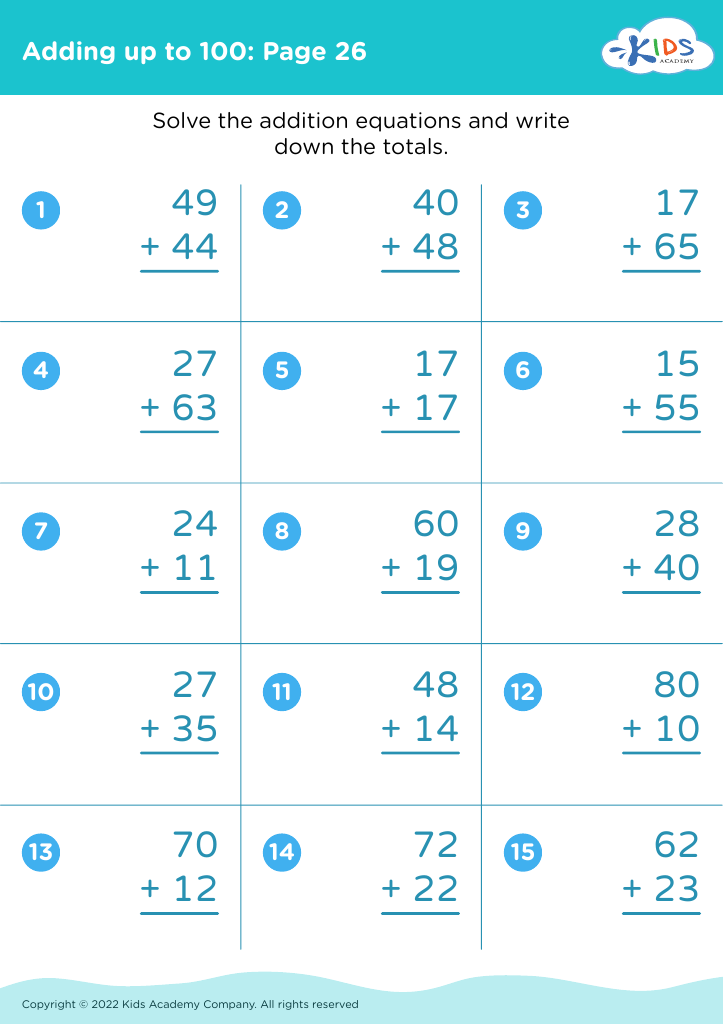
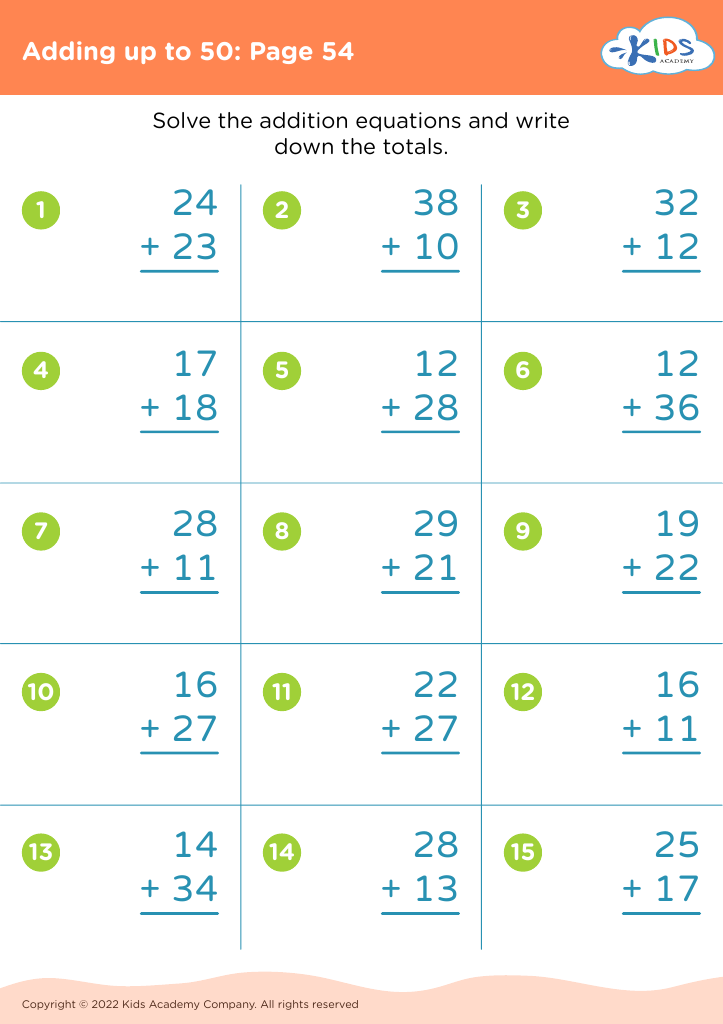
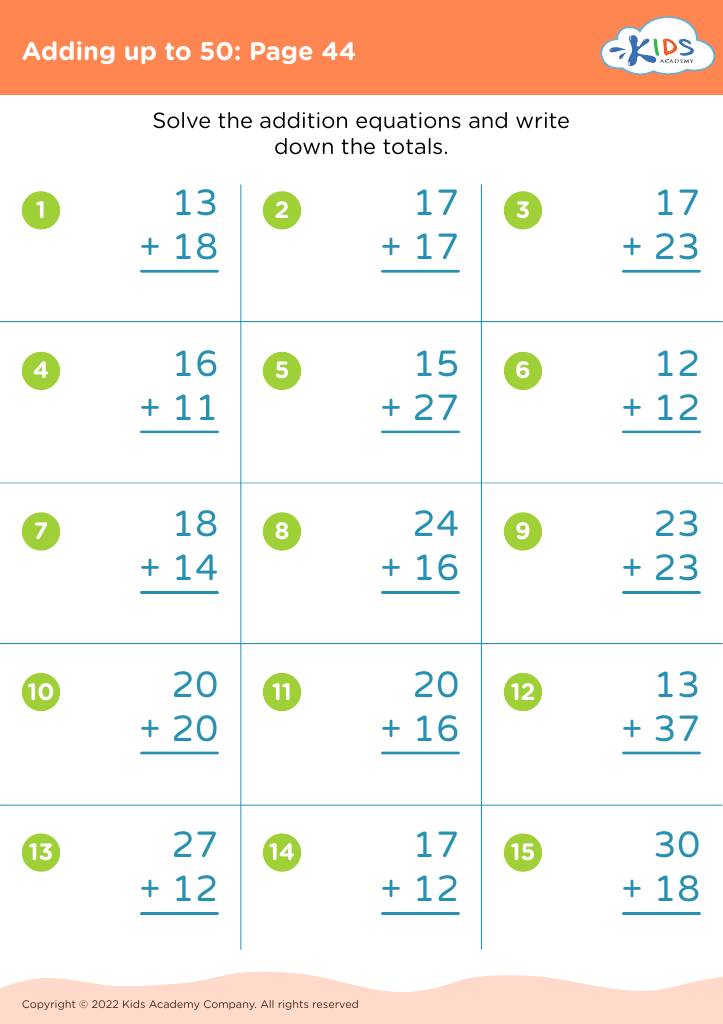
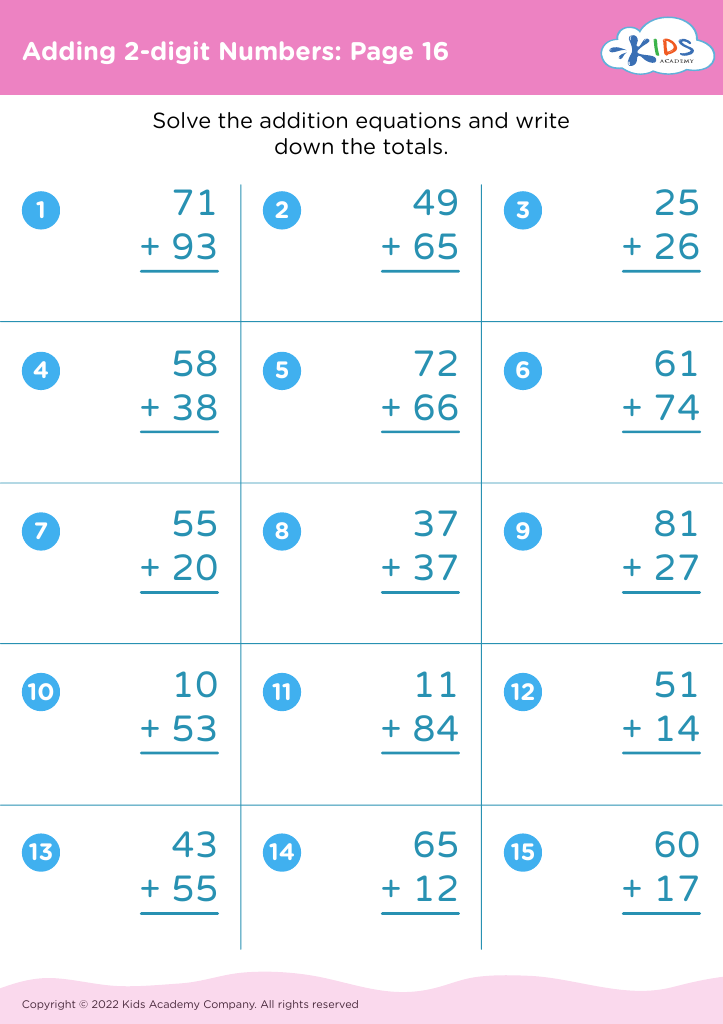
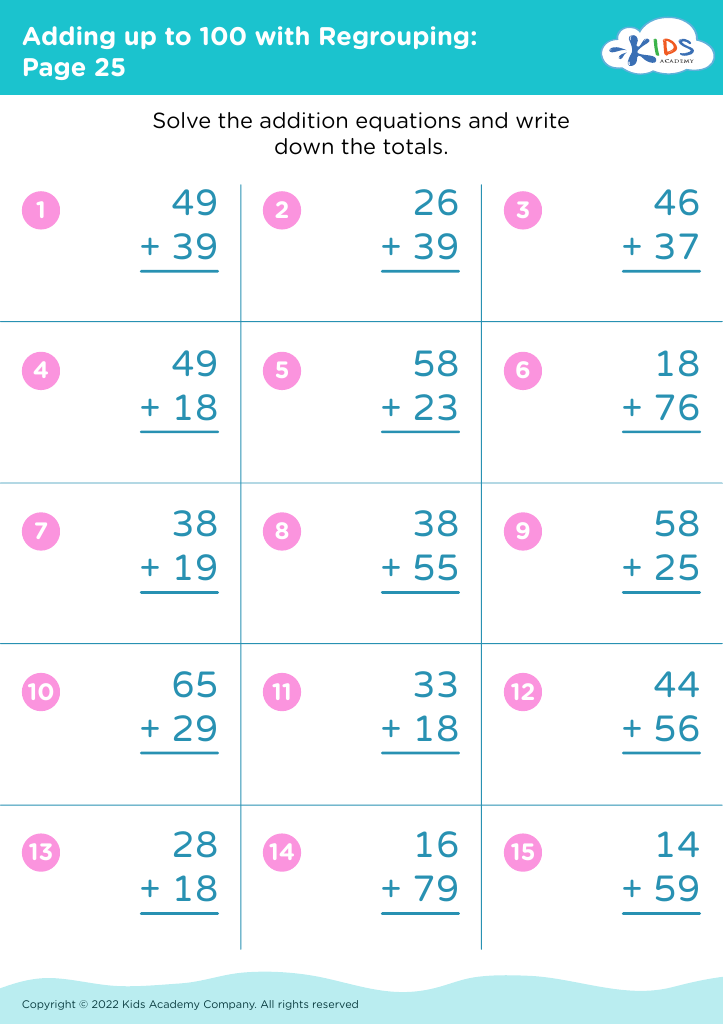
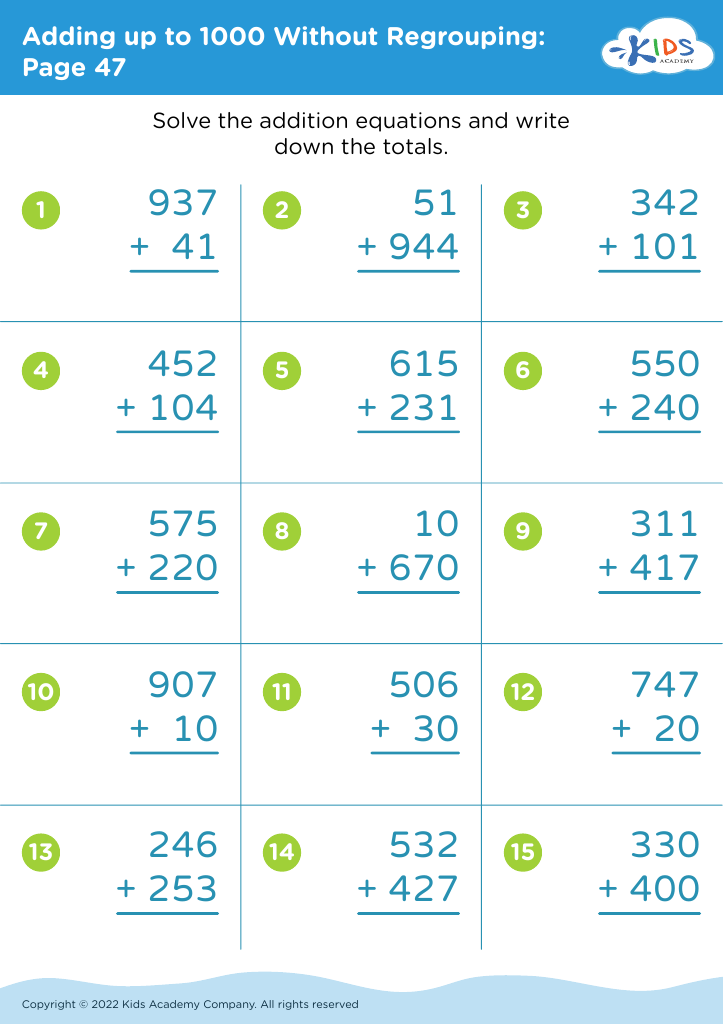
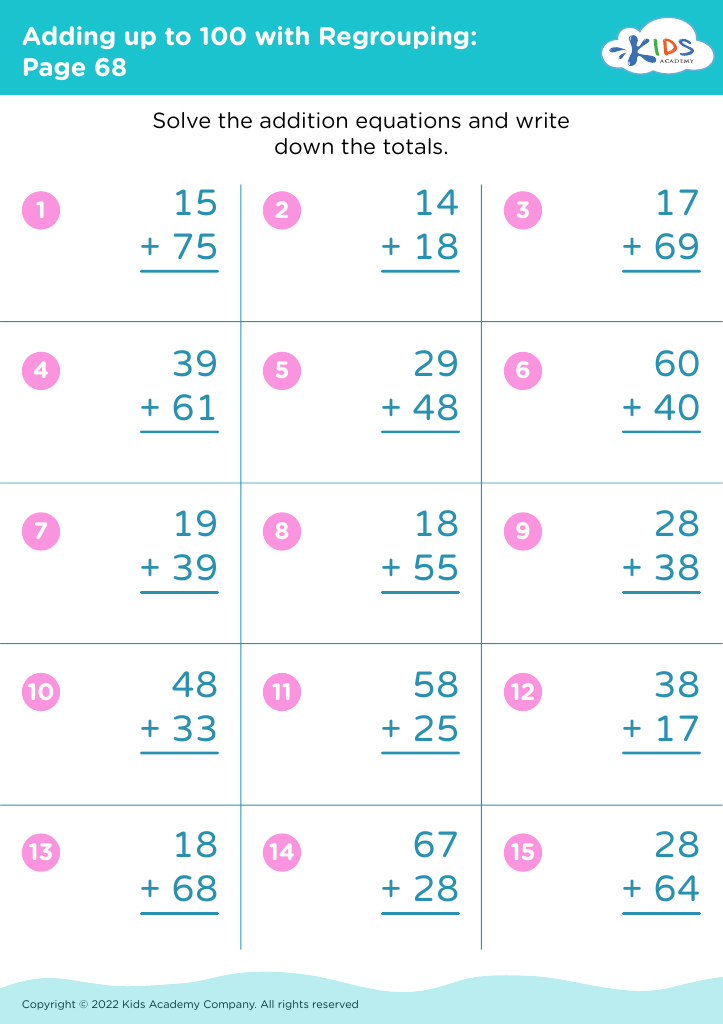
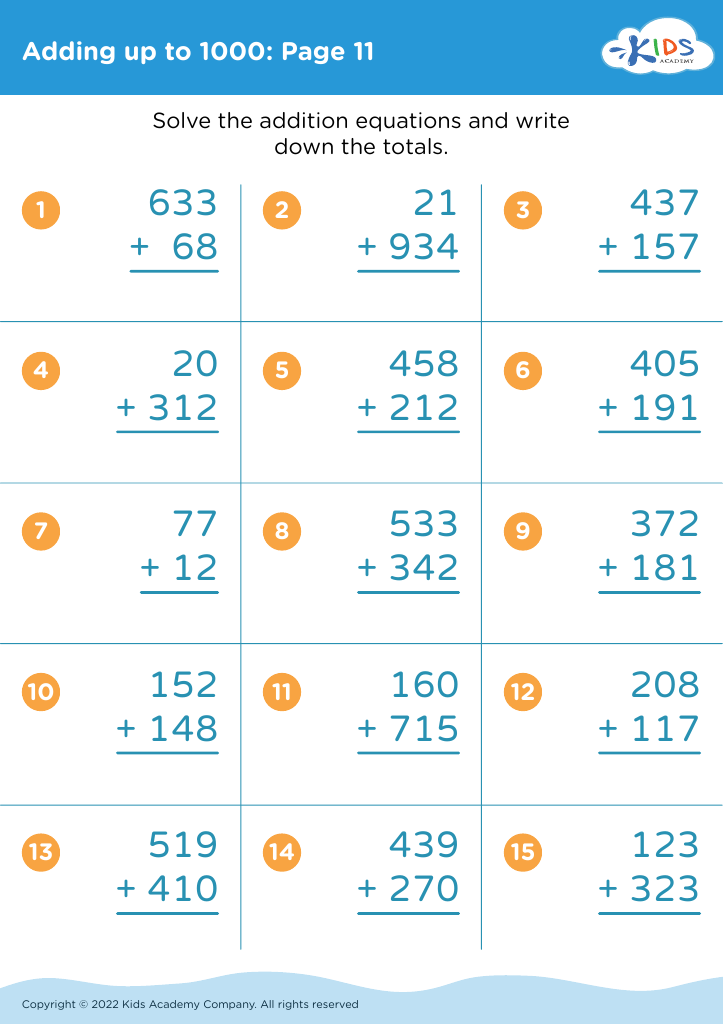
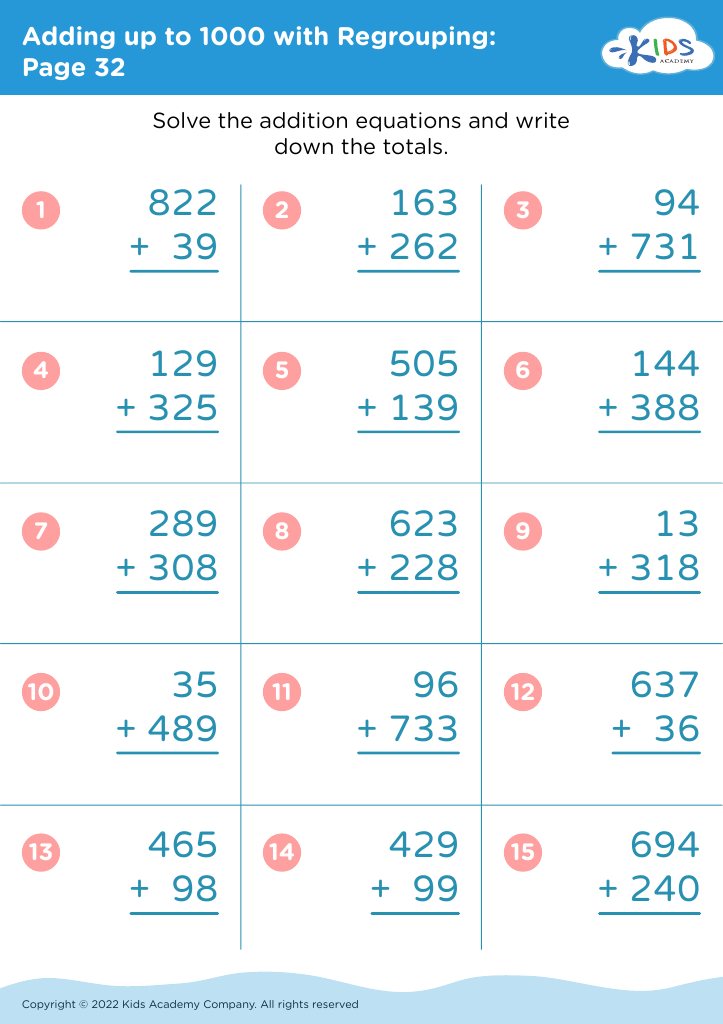
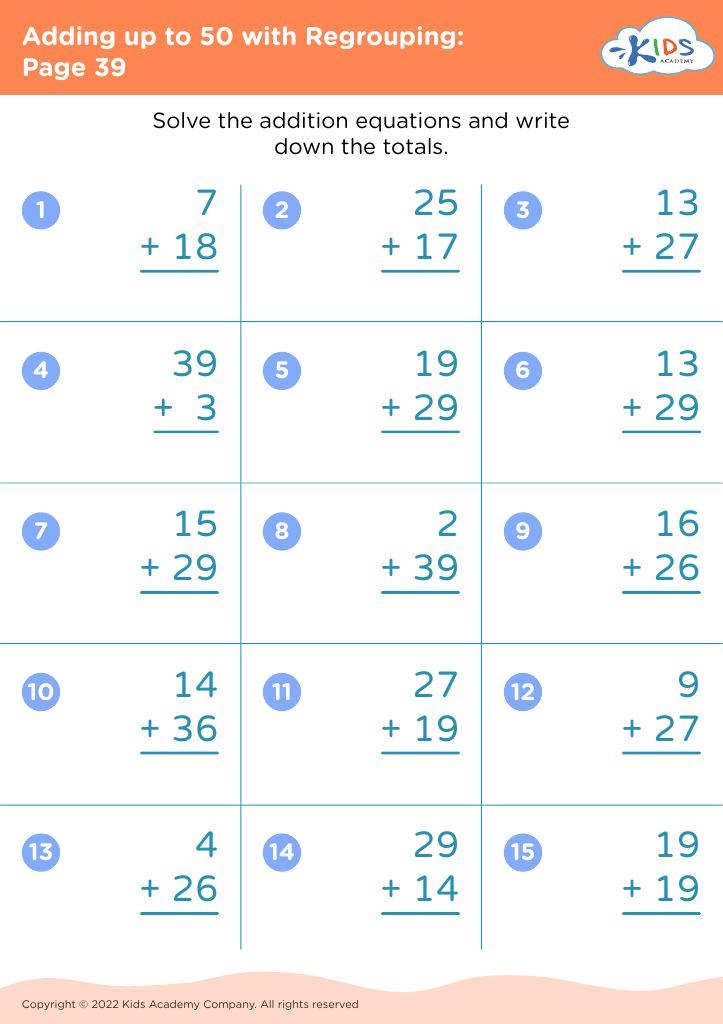
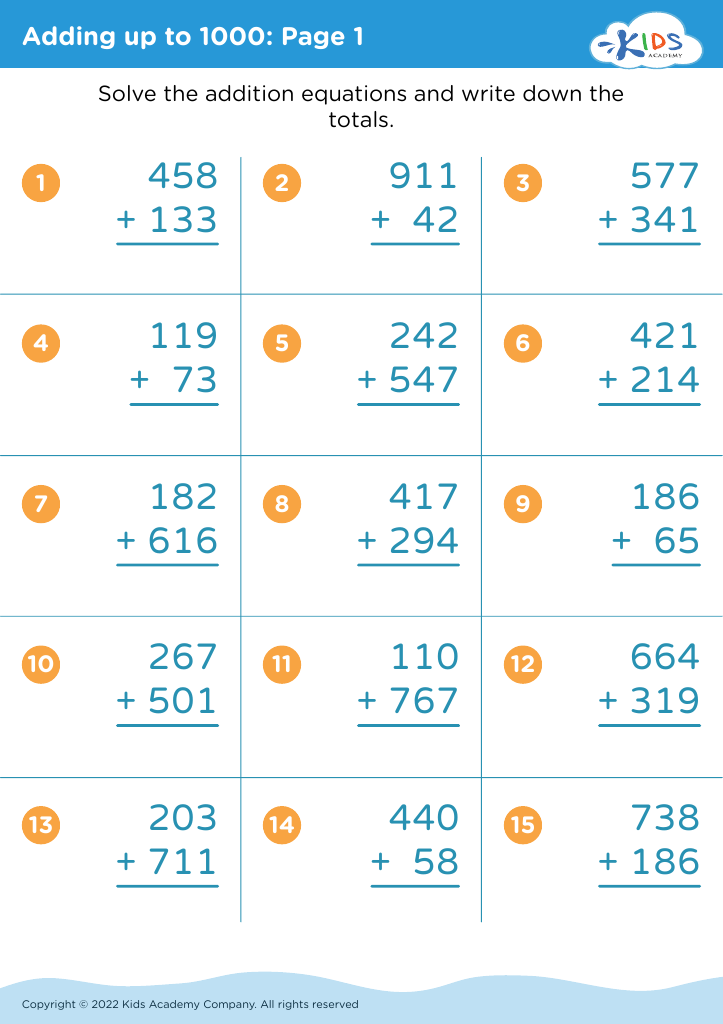
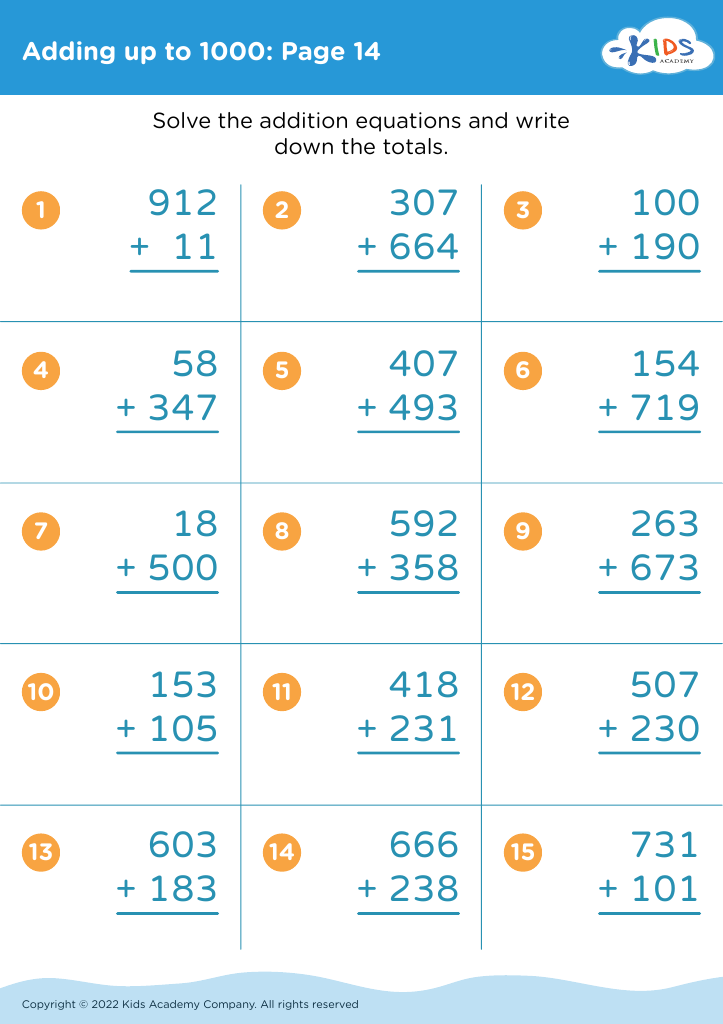
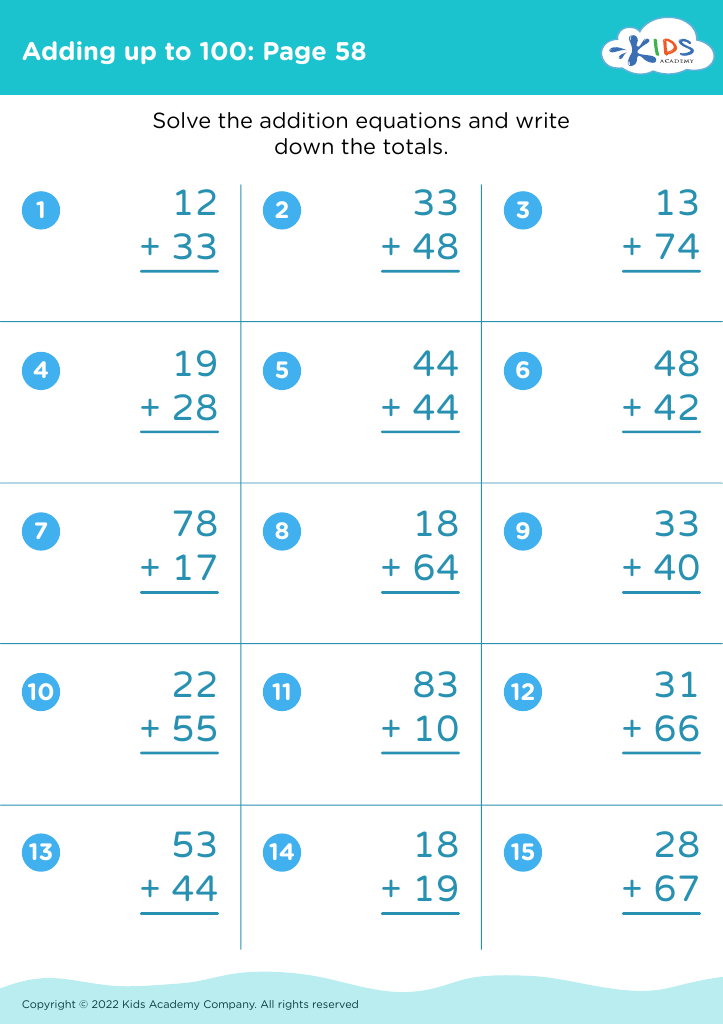
Enhance your child's math skills with our engaging Addition and Subtraction Worksheets designed specifically for ages 7-9. These worksheets focus on improving essential arithmetic skills through fun and interactive exercises, fostering a solid foundation in mathematics. With varied problems and appealing visuals, your little learners will enjoy mastering addition and subtraction concepts at their own pace. Each worksheet is tailored to promote critical thinking and boost confidence, making math practice enjoyable and effective. Equip your child with the tools they need to succeed in math and beyond! Explore our resources to help them thrive in their academic journey.
Favorites
With answer key
Interactive
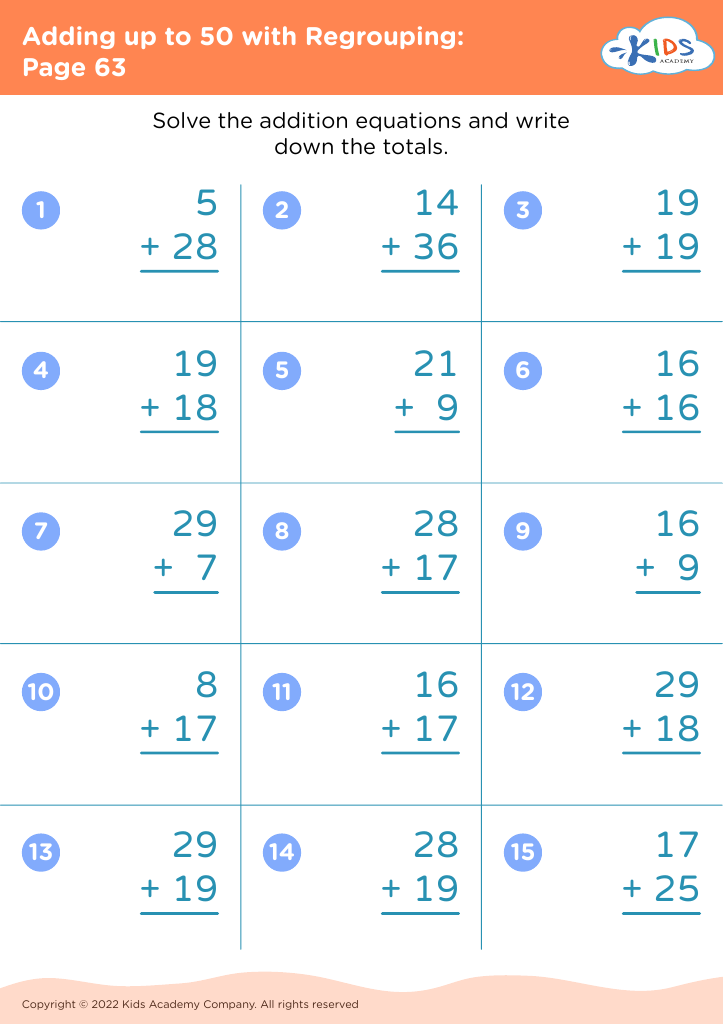
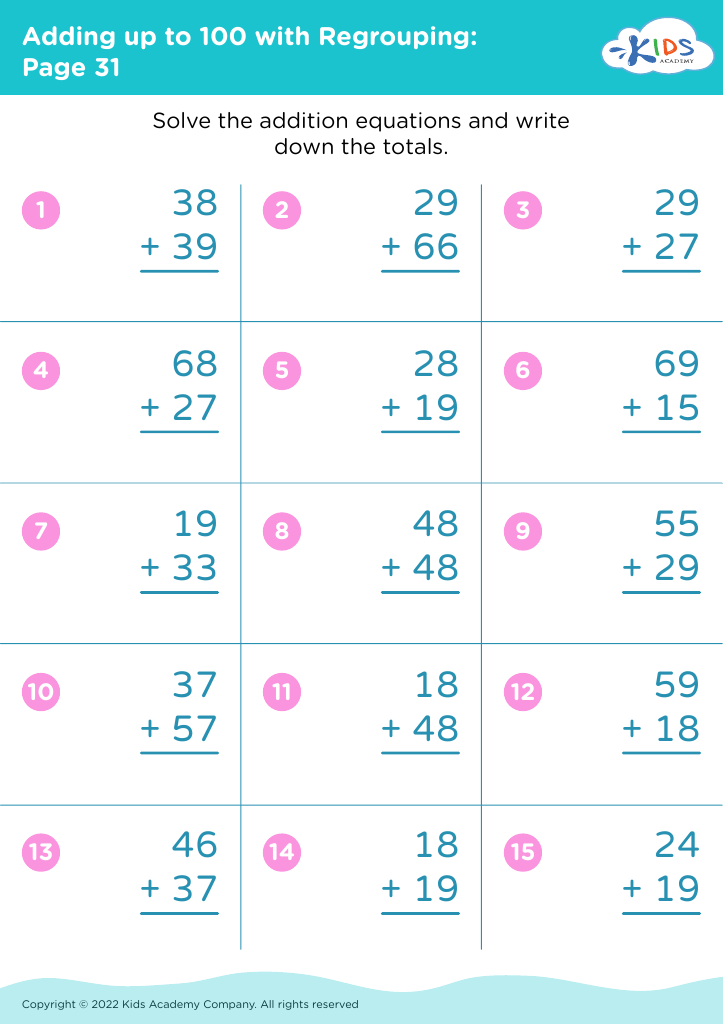
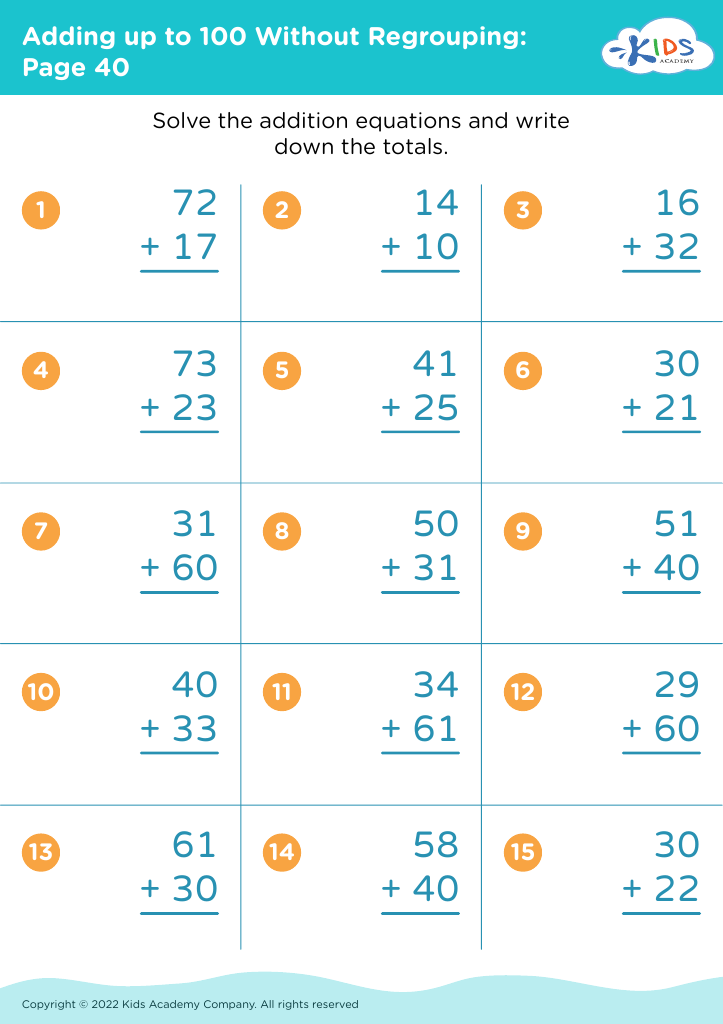
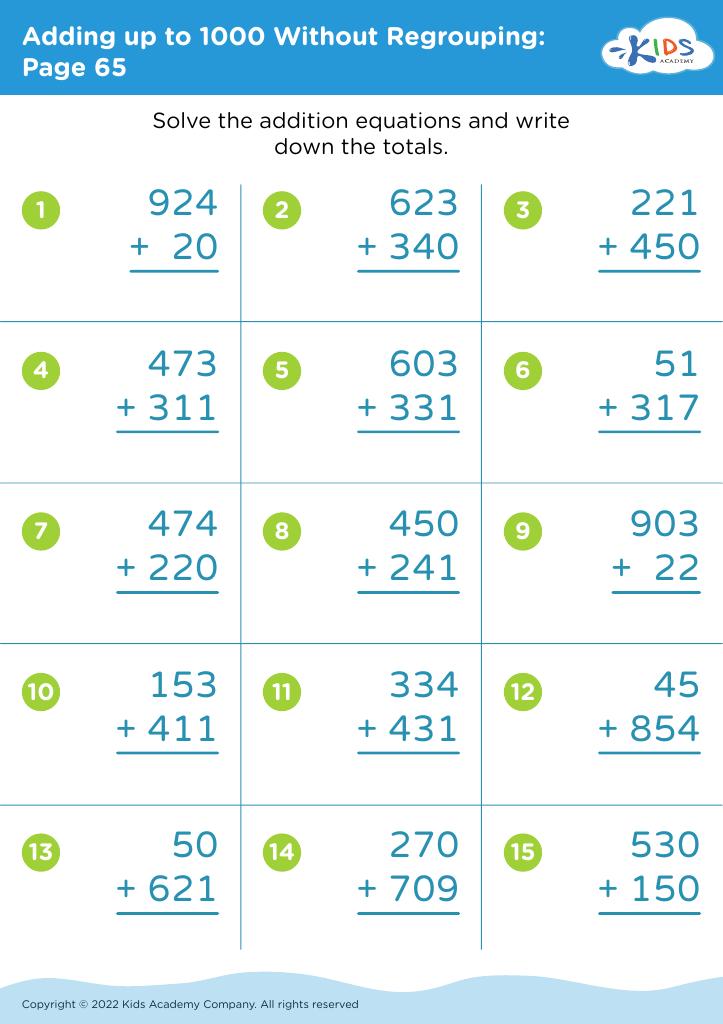
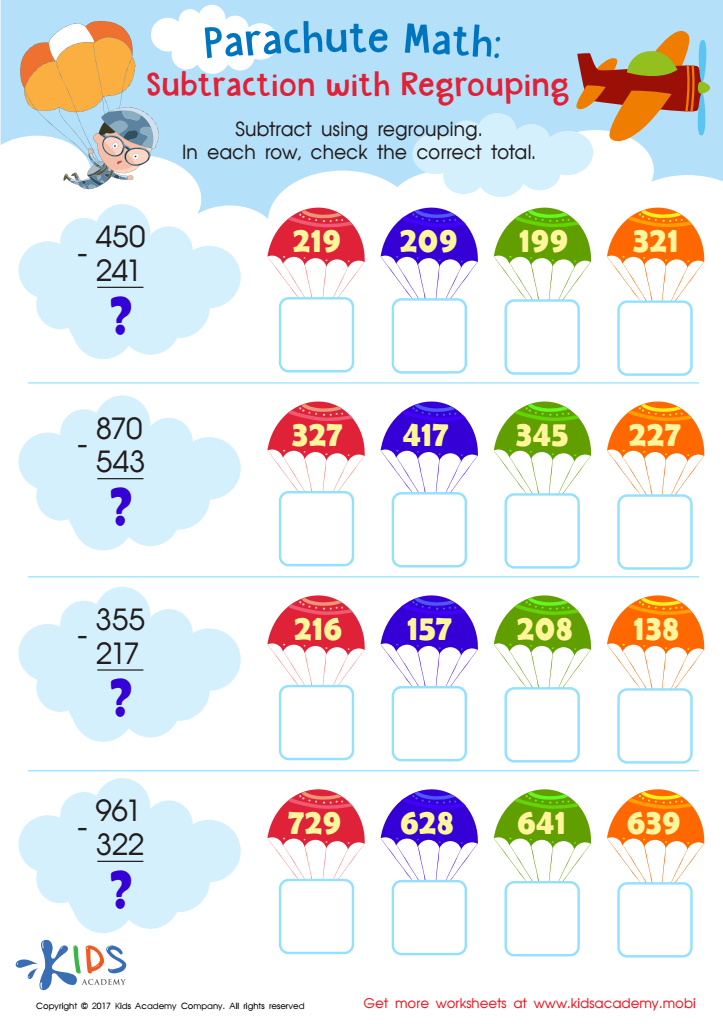
Subtraction with Regrouping for 3rd Grade Worksheet
Kids will have fun mastering subtraction with regrouping with this parachute-themed worksheet! Perfect for 3rd graders, it provides plenty of practice so your child can take to the skies in their math understanding.
 Assign to My Students
Subtraction with Regrouping for 3rd Grade Worksheet
Worksheet
Join Kids Academy for Free
Who is primarily going to use this learning content?








Improving math skills in addition and subtraction for children aged 7-9 is crucial for several reasons. At this developmental stage, children are transitioning from using concrete objects to more abstract thinking, making it essential that they build a strong foundation in these fundamental operations. Mastery of addition and subtraction lays the groundwork for more complex mathematical concepts, such as multiplication, division, and problem-solving.
For parents and teachers, strong math skills foster confidence in a child's abilities, which can positively influence their attitudes toward learning and education in general. Additionally, proficiency in basic math helps children navigate everyday situations, from managing allowances to understanding time and budgeting.
These skills also promote critical thinking and logical reasoning, enhancing cognitive development. Encouraging consistent practice in a supportive environment allows children to tackle challenges and build resilience, important attributes in academic success and life skills. Ultimately, when parents and teachers prioritize improving math skills in this age group, they empower children to approach math with enthusiasm and confidence, setting them up for long-term success in their education and personal lives.








