Logical thinking Addition & Subtraction Worksheets for Ages 7-9
9 filtered results
-
From - To
Enhance your child's math skills with our engaging Logical Thinking Addition & Subtraction Worksheets designed especially for ages 7-9. These worksheets promote critical thinking and problem-solving while reinforcing fundamental addition and subtraction concepts. Your child will explore various mathematical scenarios that challenge their reasoning abilities and encourage them to think outside the box. Each worksheet is crafted to be both educational and fun, ensuring that learning remains exciting. Perfect for tutoring sessions, classroom activities, or at-home practice, our resources will help your child build confidence in mathematics. Explore our collection today and watch your young learners thrive!
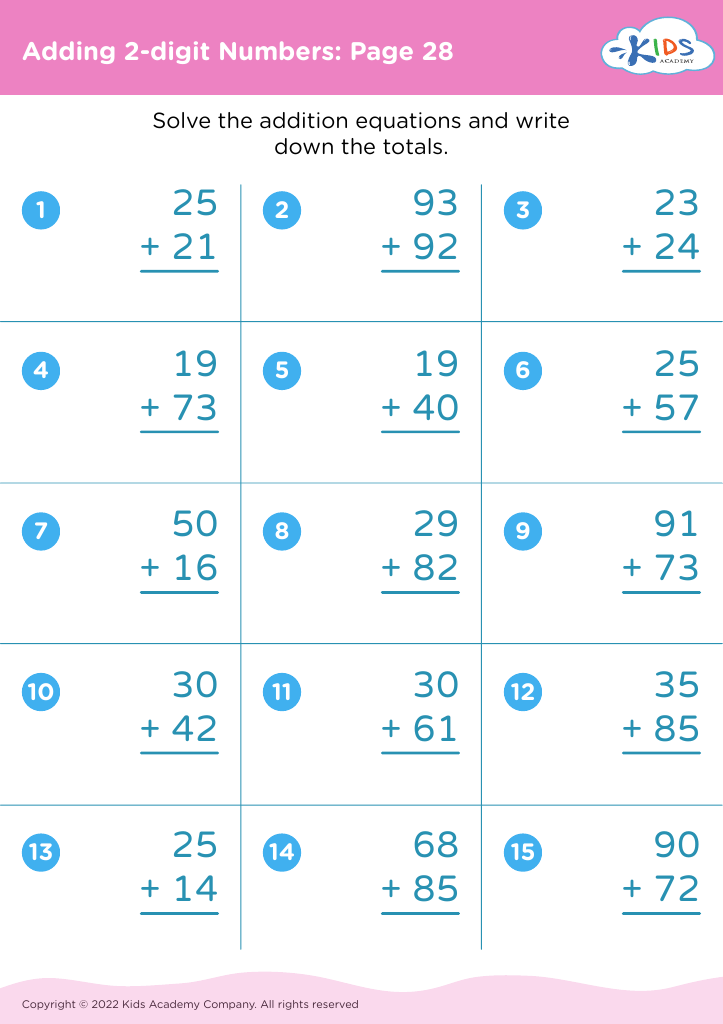
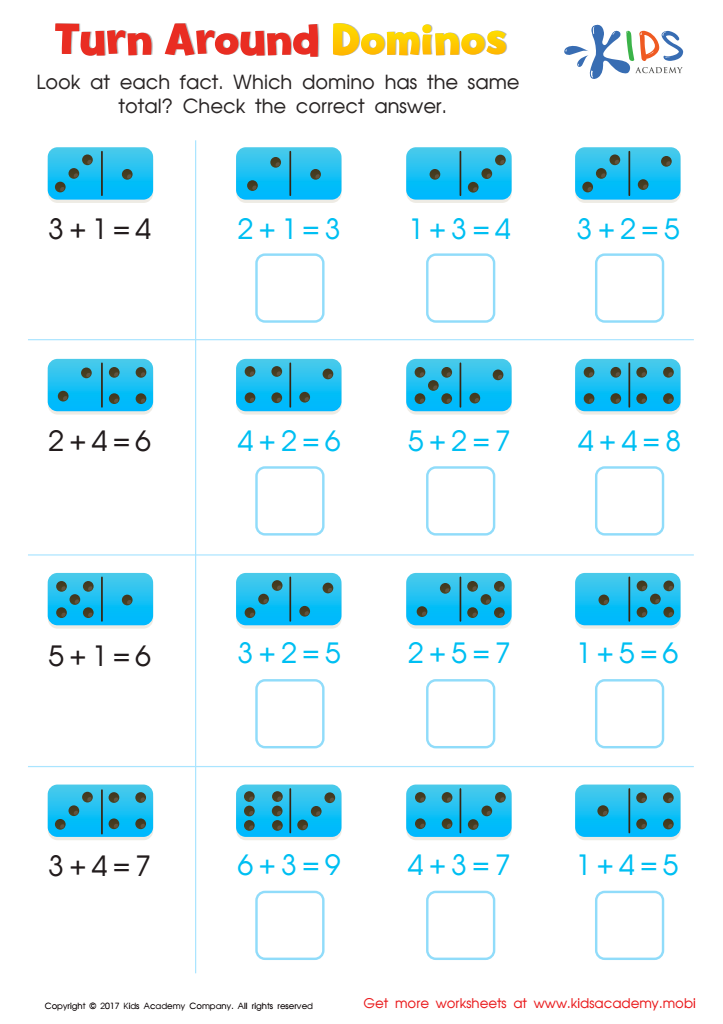
Turn Around Dominos Worksheet
 Assign to My Students
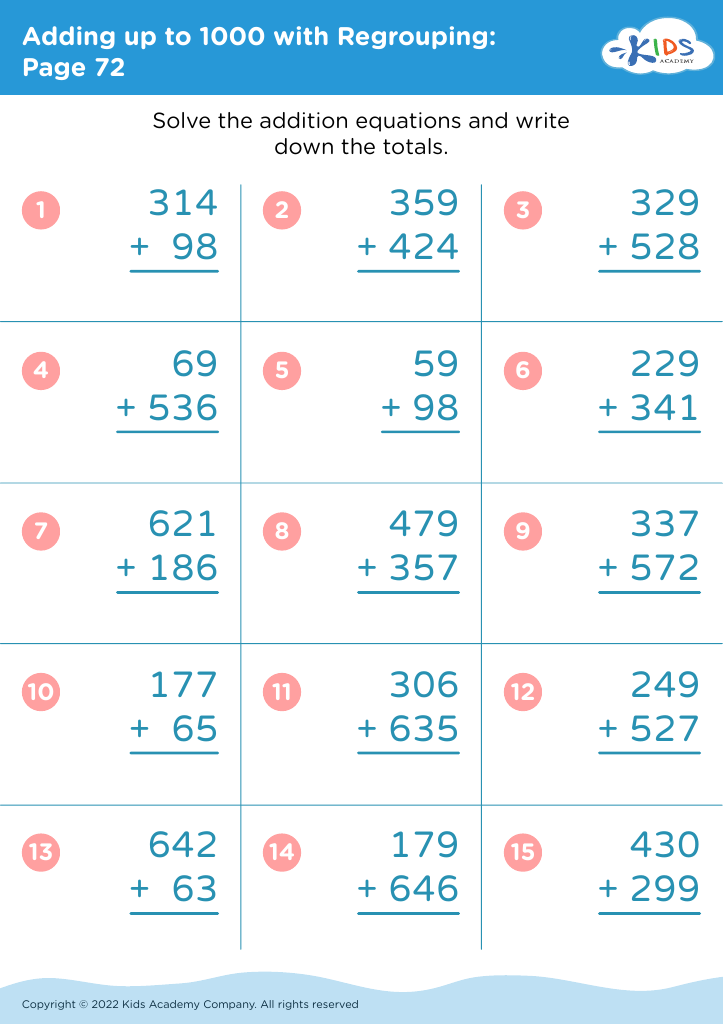
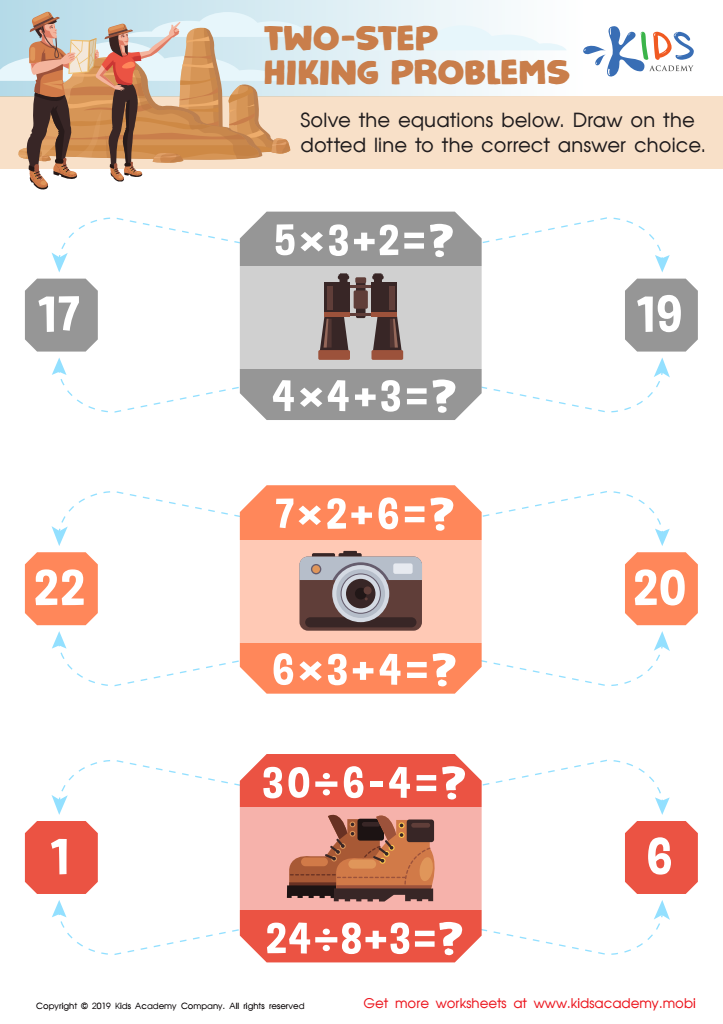
Two-Step Hiking Problems Worksheet
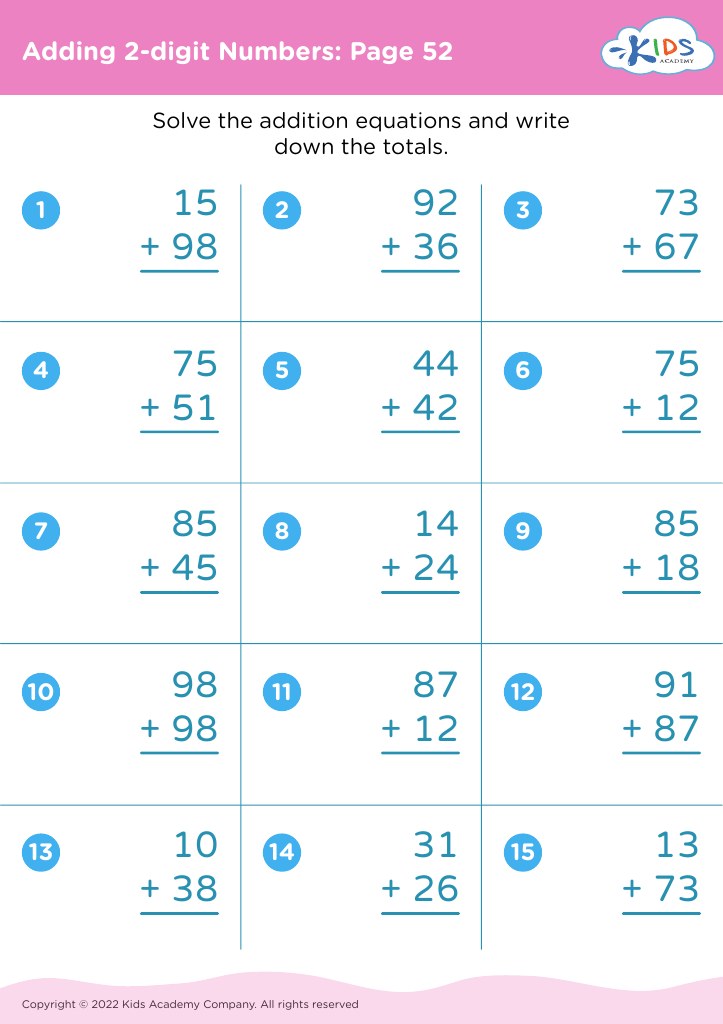
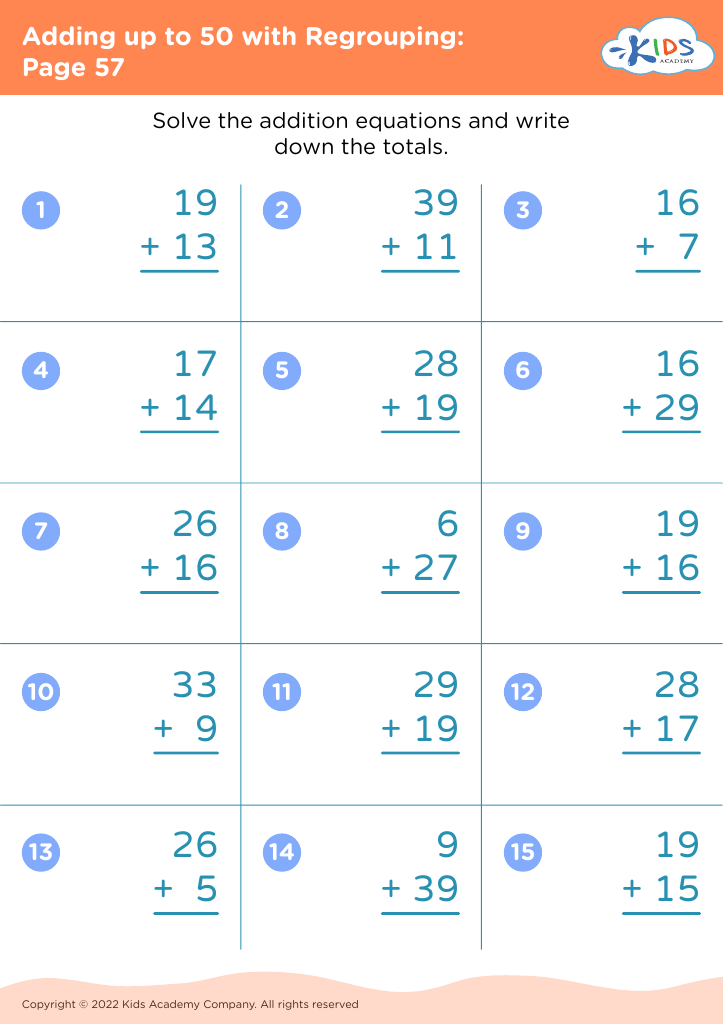
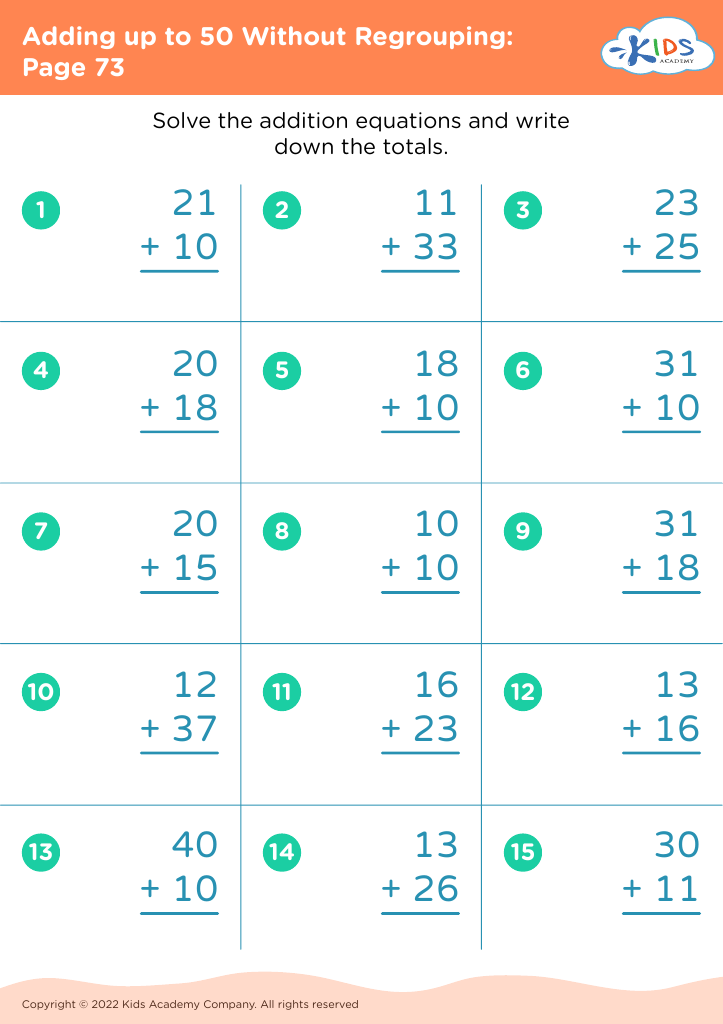
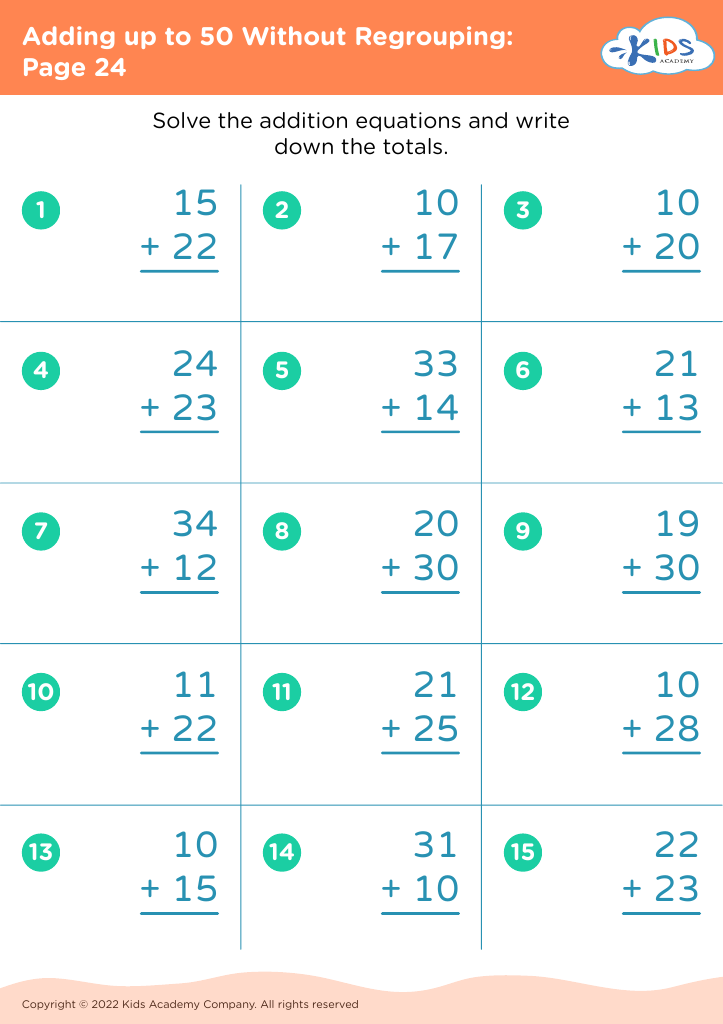
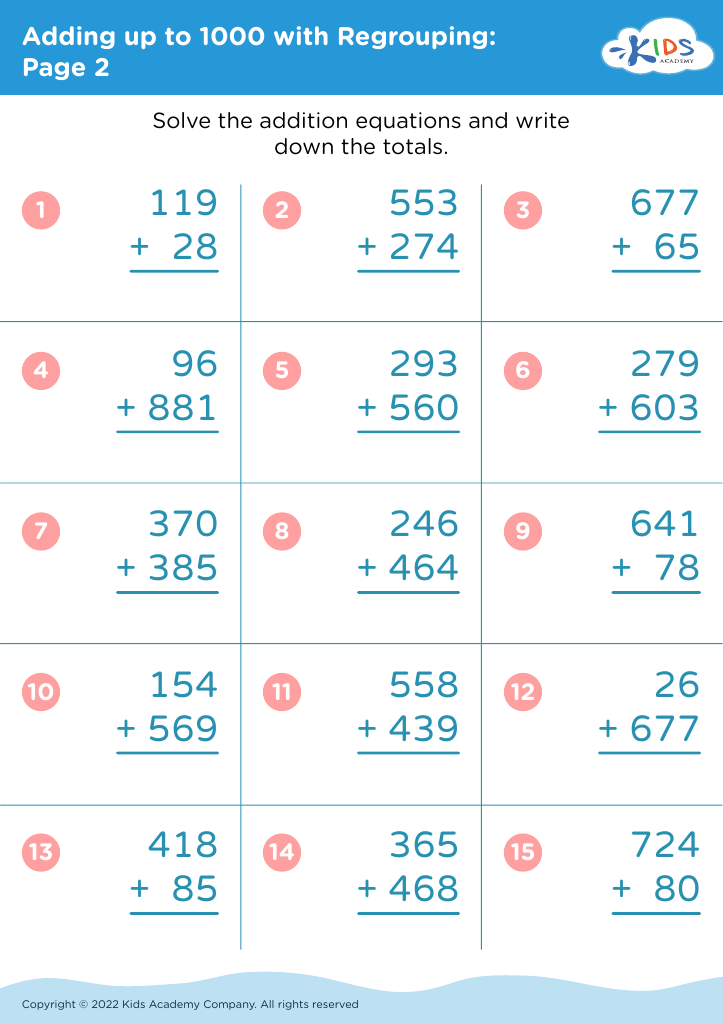








Logical thinking in addition and subtraction is critical for children aged 7-9 as it lays the foundation for more complex mathematical concepts and problem-solving skills. During these formative years, children transition from basic computation to understanding the relationships between numbers and operations. Developing logical reasoning helps children recognize patterns, make inferences, and draw conclusions based on evidence, which are valuable skills not just in math, but across all subjects.
Parents and teachers should prioritize logical thinking in addition and subtraction because it enhances children's ability to tackle everyday problems with confidence. This includes understanding quantities in real-life situations, such as shopping or sharing, which connects math to the world around them. Additionally, strong logical reasoning skills foster perseverance and resilience, equipping children to approach challenging tasks methodically.
Furthermore, building a solid mathematical foundation through logical thinking prepares children for advanced concepts in algebra and geometry. Engaging students in collaborative learning, interactive activities, and games promotes critical thinking and keeps mathematics enjoyable. When children develop skills in logical reasoning, it accelerates their overall cognitive development, making them more adept learners and contributing to their long-term academic success. Thus, fostering logical thinking in early mathematics is a responsibility that greatly impacts a child's future learning trajectory.








