Recognizing numbers Addition & Subtraction Worksheets for Ages 7-9
4 filtered results
-
From - To
Discover our engaging "Recognizing Numbers Addition & Subtraction Worksheets" designed specifically for children aged 7-9. These meticulously crafted resources help students enhance their numerical recognition skills while reinforcing critical addition and subtraction concepts. Through colorful illustrations and interactive exercises, your child will develop confidence in their math abilities as they learn to identify numbers and perform basic operations. Our worksheets cater to various learning styles, ensuring that every child finds the perfect fit. Foster a love for math and build a strong foundation for future success with our fun, educational materials that make learning both enjoyable and effective.
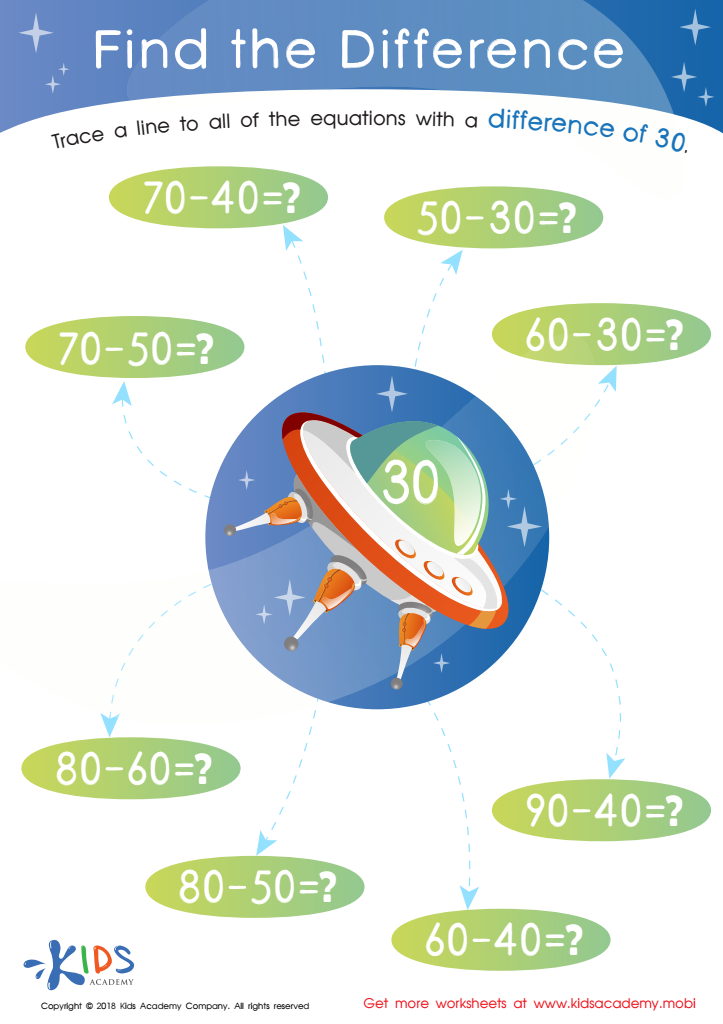
Find The Difference Worksheet
 Assign to My Students
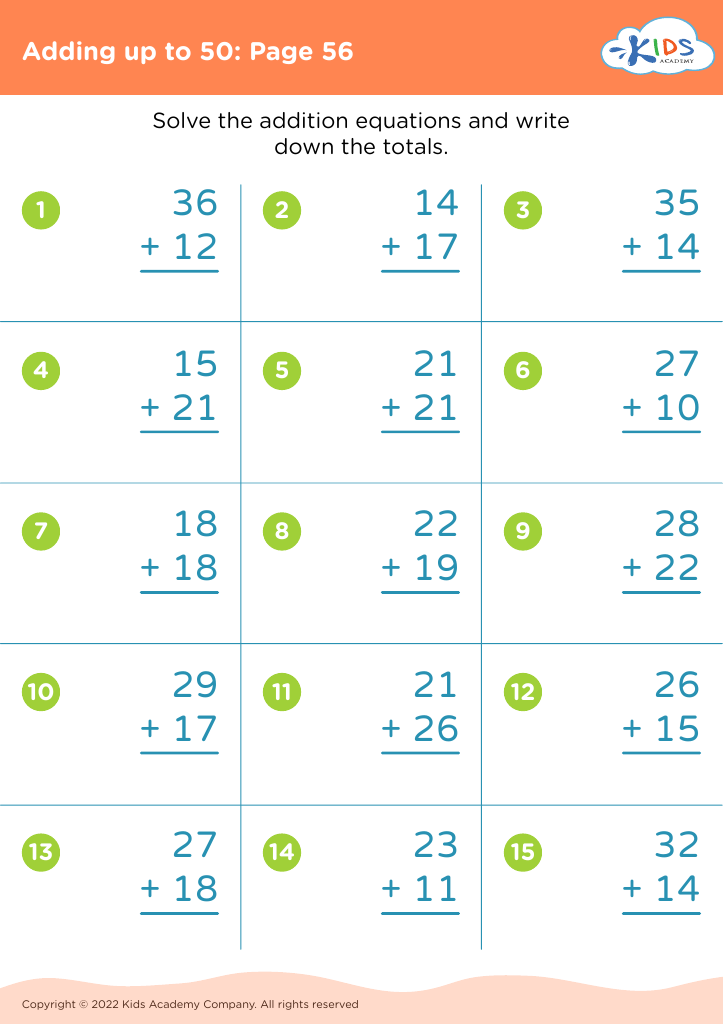
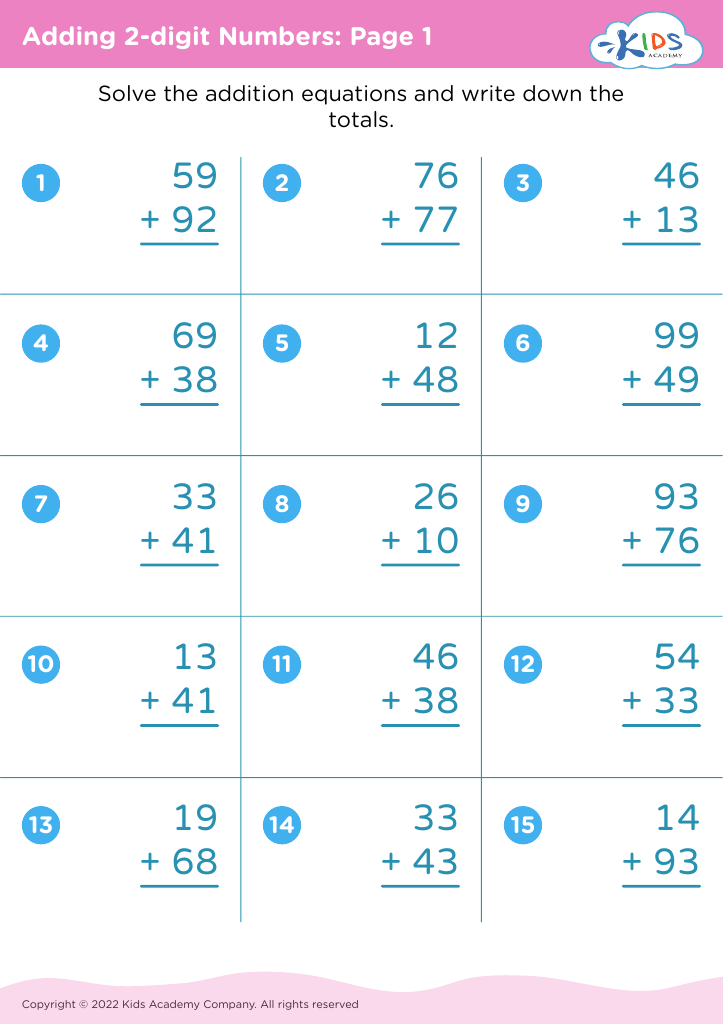
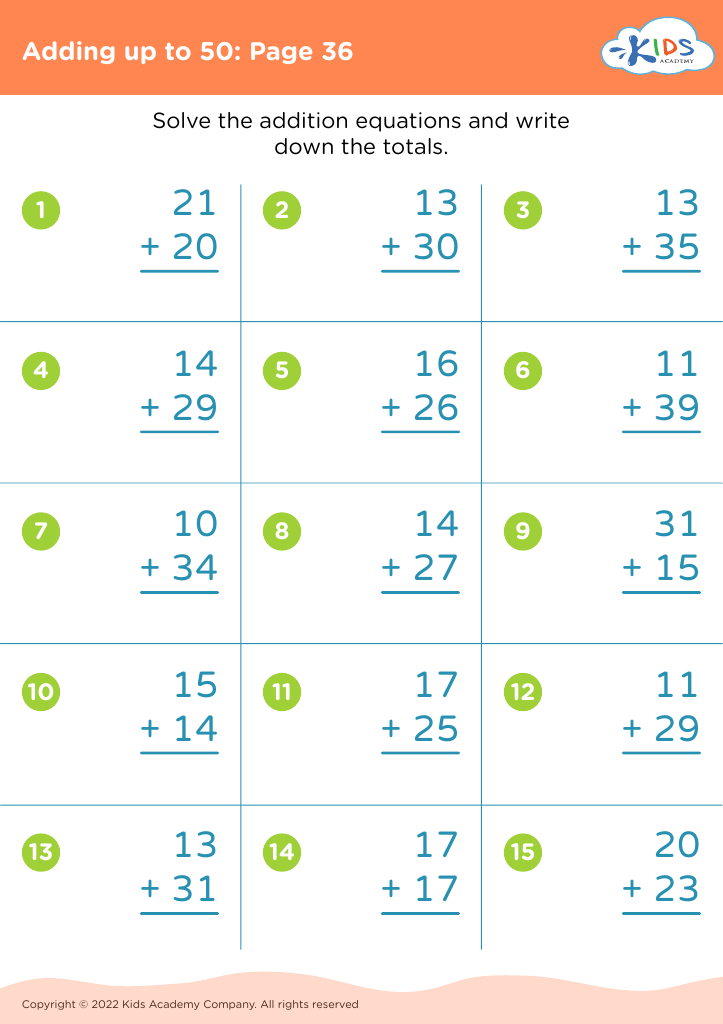








Recognizing numbers, along with mastering addition and subtraction, is crucial for children aged 7 to 9 as it lays the foundation for their mathematical understanding and overall cognitive development. At this age, children begin to encounter more complex mathematics, and a solid grasp of these basic operations empowers them to tackle advanced concepts confidently.
Parents and teachers should prioritize these skills because they directly impact daily life; from calculating expenses on a shopping trip to managing time and resources effectively, these foundational skills are essential. Furthermore, early proficiency in addition and subtraction fosters a positive attitude towards math, reducing anxiety and building self-esteem.
Engaging with numbers also enhances problem-solving abilities and critical thinking skills which are relevant across various subjects and future endeavors. The digital age requires analytical minds, and linguistic proficiency in mathematics significantly contributes to a child’s ability to assess and interpret data.
Ultimately, reinforcing the recognition of numbers and operations at this stage not only supports academic success but also equips children with essential life skills, setting them up for a future where they can apply mathematical reasoning in numerous contexts. Encouraging this vital learning phase helps lead to well-rounded, resourceful individuals.








