Subtraction practice Addition & Subtraction Worksheets for Ages 7-9 - Page 3
60 filtered results
-
From - To
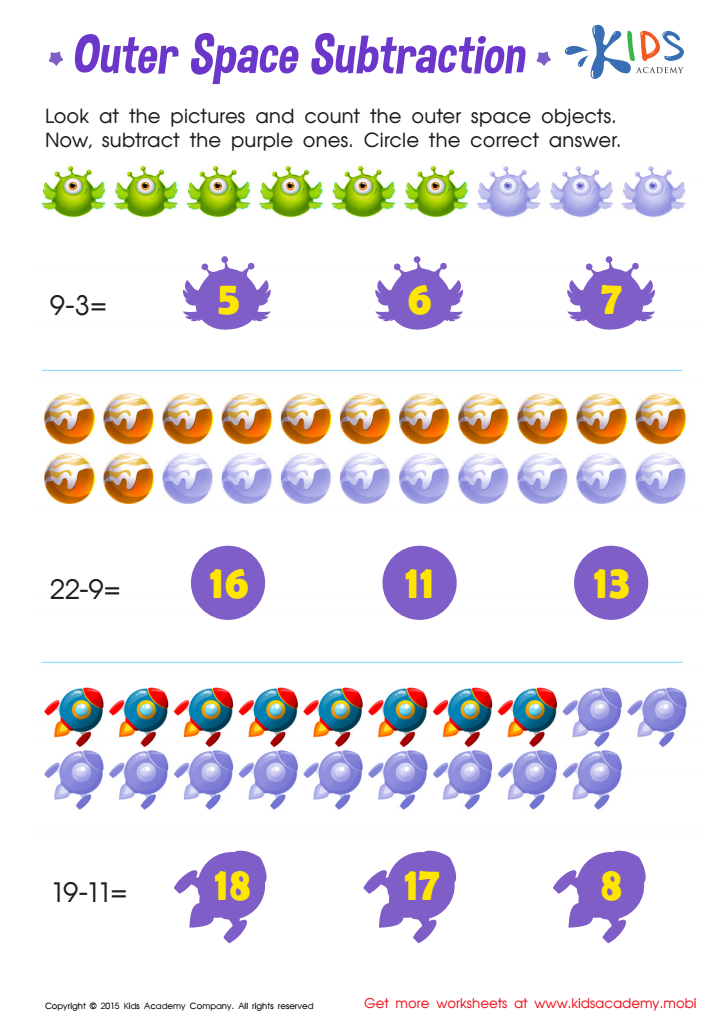
Outer Space Substraction Worksheet
 Assign to My Students
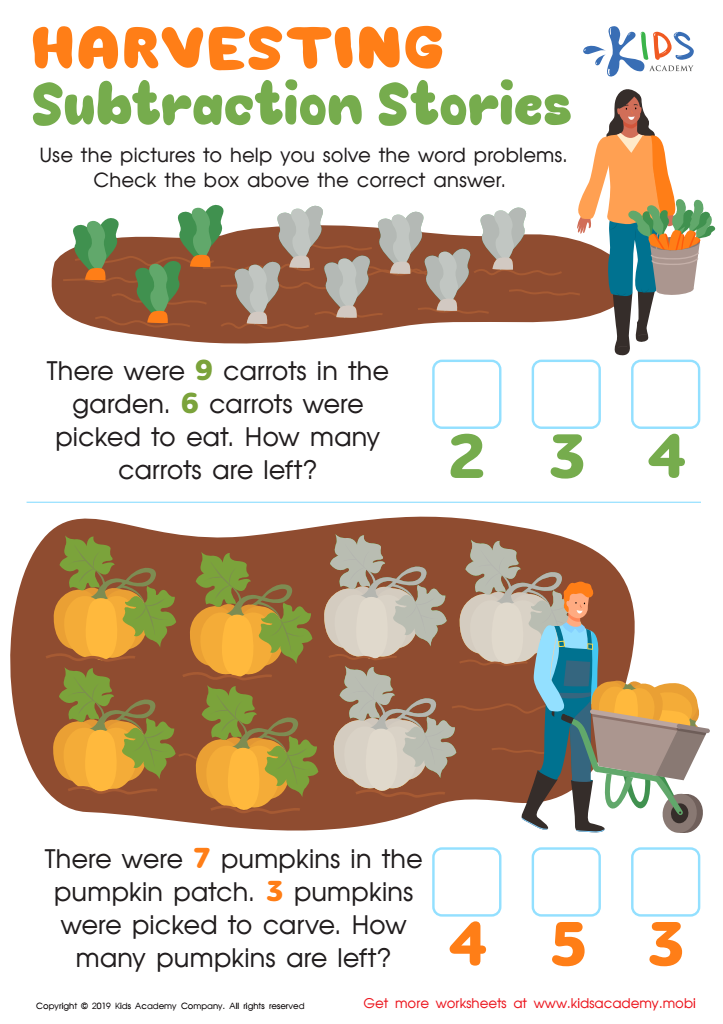
Harvesting Subtraction Stories Worksheet
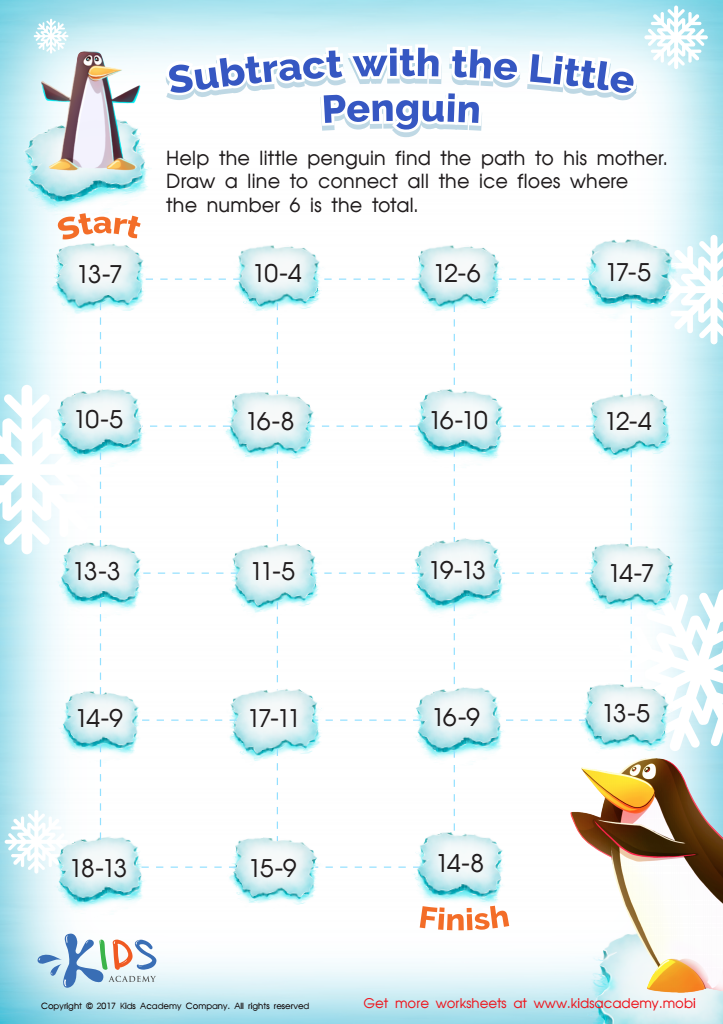
Subtract With The Little Penguin Substraction Worksheet
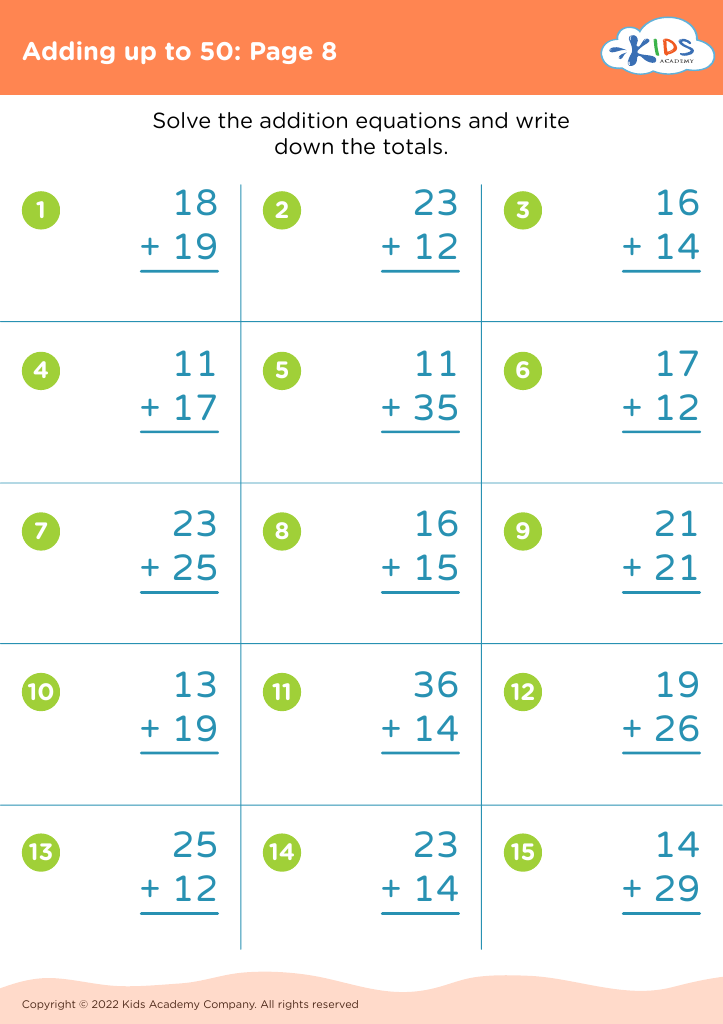
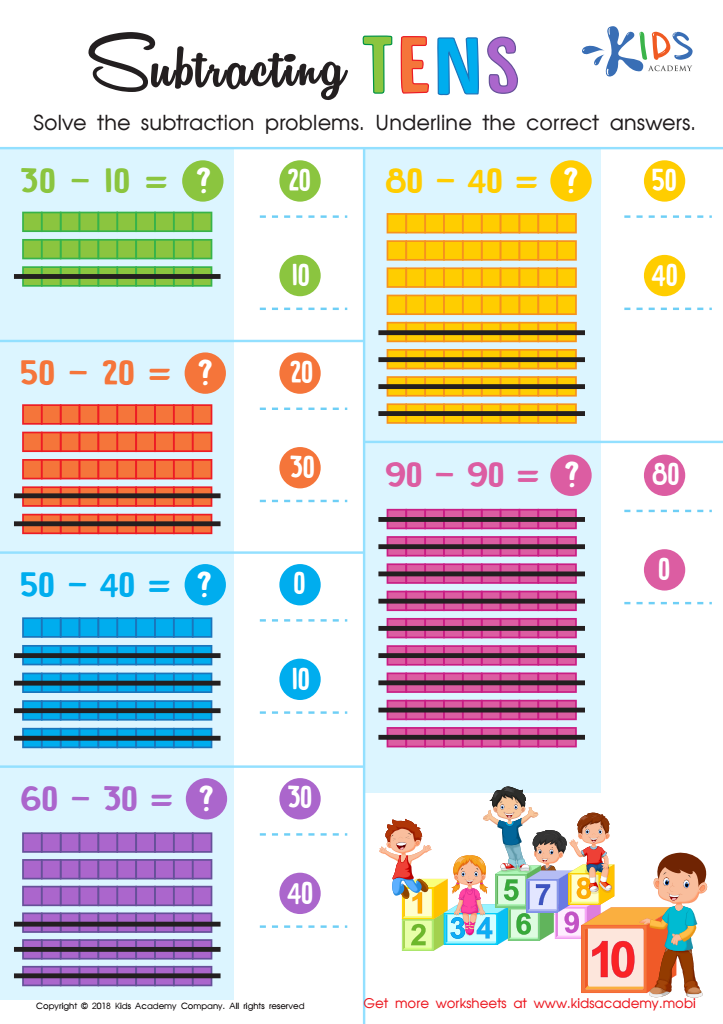
Subtracting Tens Worksheet
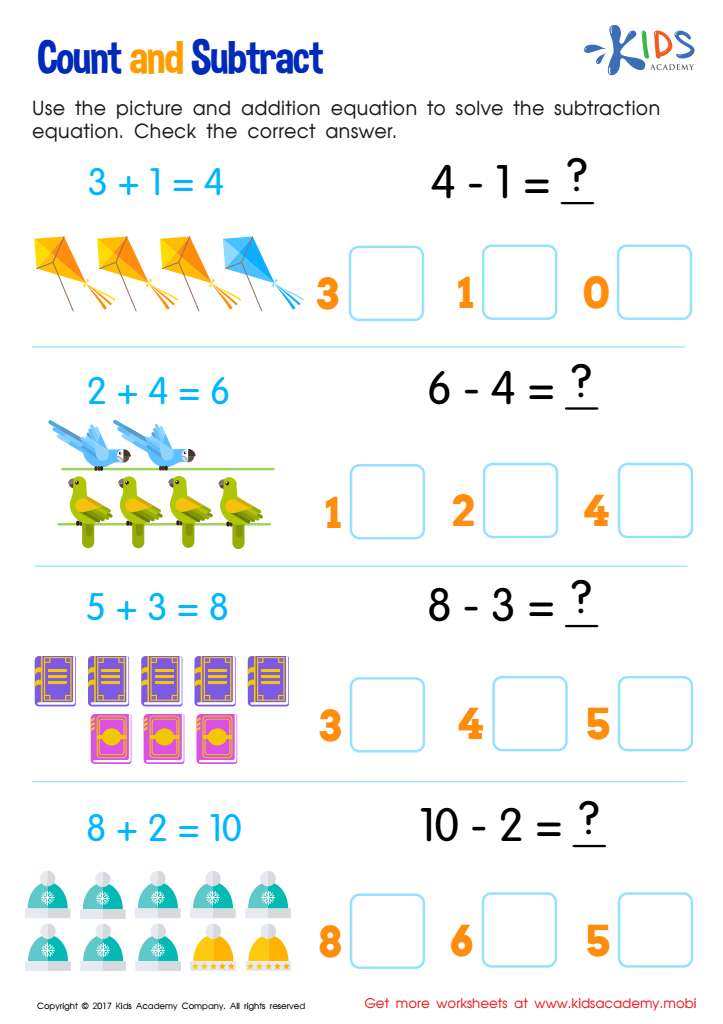
Count and Subtract Worksheet
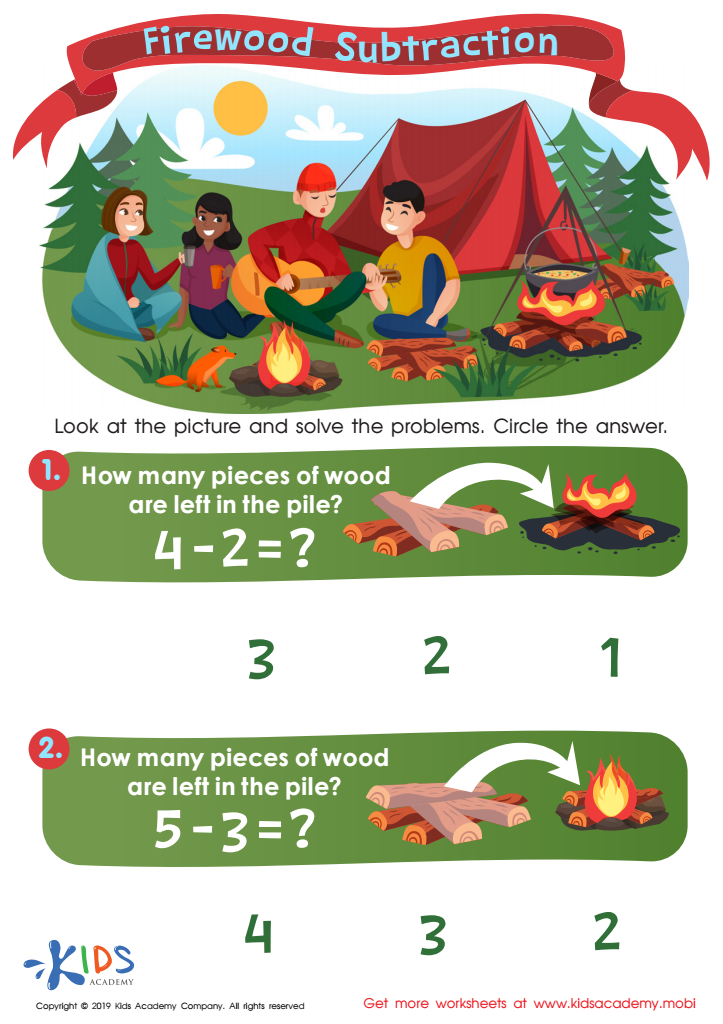
Firewood Subtraction Worksheet
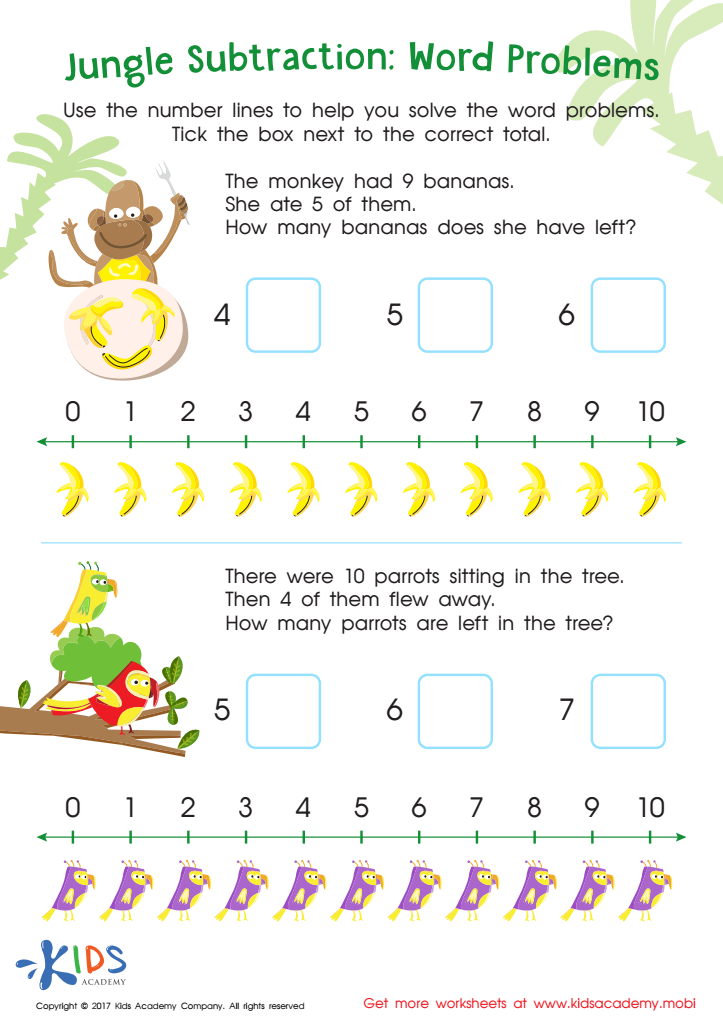
Jungle Subtraction Word Problems Substraction Worksheet








Parents and teachers should prioritize subtraction practice, alongside addition, for children aged 7-9 because these foundational skills are crucial for a child’s overall mathematical development. At this age, children are transitioning from concrete to more abstract thinking, making it essential for them to master basic subtraction. Proficiency in these operations fosters a sense of number sense and confidence, equipping students for more complex mathematical concepts encountered later on, such as multiplication, division, and problem-solving.
In addition, regular practice helps improve fluency and speed, ensuring students can perform calculations quickly and accurately. This fluency not only supports their performance in classroom settings but also enhances their everyday life skills, such as managing money or measuring quantities while cooking.
Moreover, subtraction helps develop critical thinking and reasoning abilities. When children learn to solve subtraction problems, they engage in analytical processes that sharpen their cognitive skills. The emotional aspect of mastery can also not be overlooked; successfully tackling these challenges fosters resilience and a love for math. Therefore, consistent attention to subtraction and addition practice lays a vital groundwork, cultivating both competence and confidence in young learners, leading to future academic success.








