
Number identification Addition Worksheets for Ages 7-9
4 filtered results
Difficulty Level
Grade
Age
-
From - To
Subject
Activity
Standards
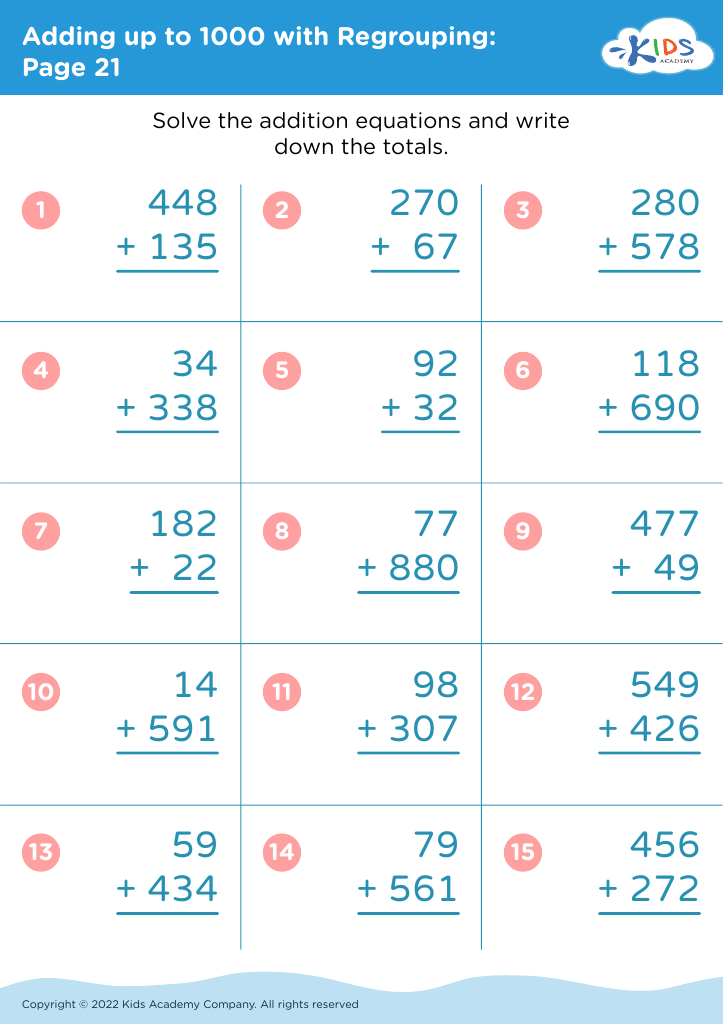
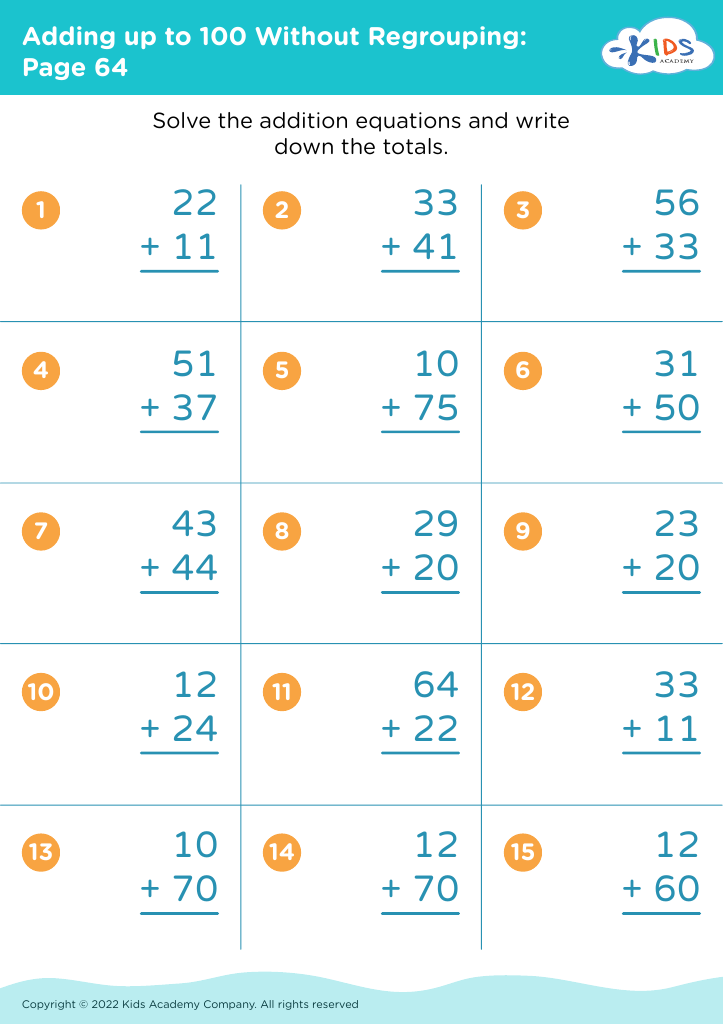
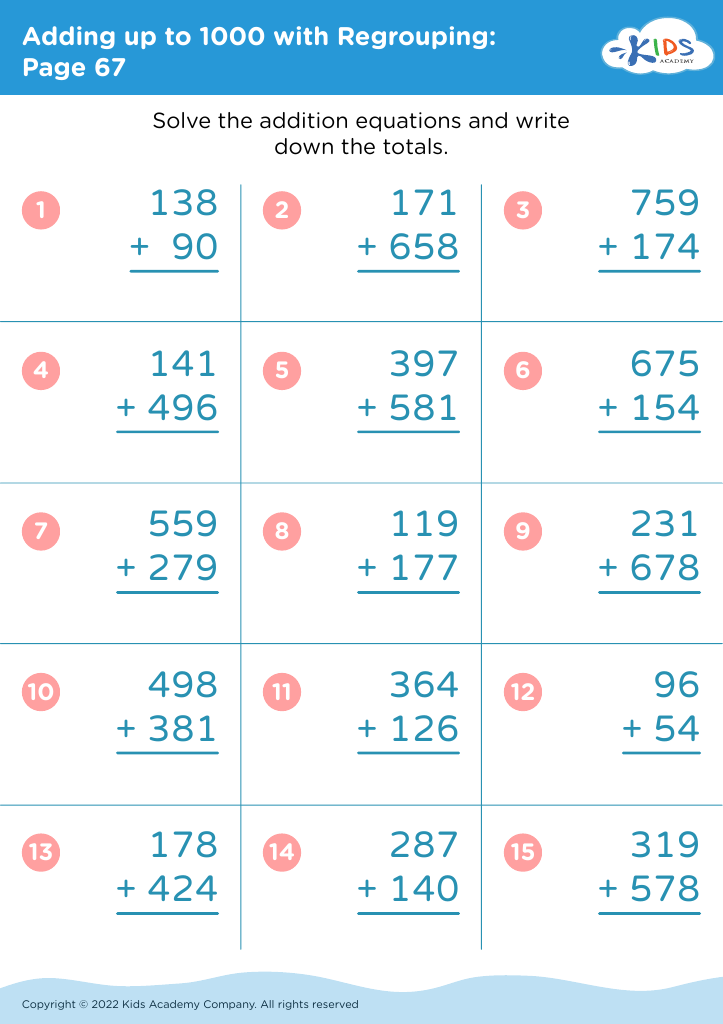
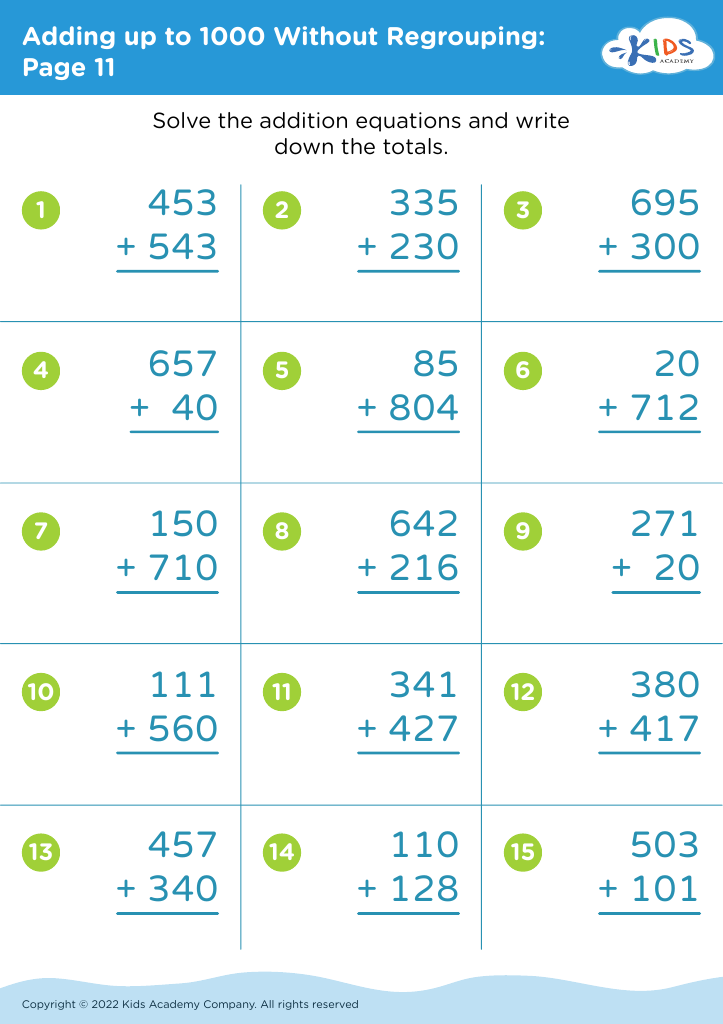
Explore our comprehensive collection of Number Identification Addition Worksheets tailored for children aged 7-9! These engaging worksheets are designed to enhance foundational math skills, helping young learners master number recognition while practicing addition. Each worksheet features colorful illustrations and varied exercises that stimulate curiosity and boost confidence in math. Students will solve addition problems using visual aids, while honing their ability to identify numbers quickly and accurately. Perfect for classroom use or at-home learning, these worksheets provide a fun and effective way for kids to strengthen their math abilities. Download your free worksheets today and watch your child's math skills flourish!
Favorites
With answer key
Interactive
Join Kids Academy for Free
Who is primarily going to use this learning content?








Number identification and addition are vital skills for children aged 7-9, forming the foundation for advanced mathematical concepts. At this age, children typically progress from basic number recognition to applying these skills in increasingly complex ways. Understanding numbers helps children develop numeracy, which is crucial not only in academic settings but also in everyday life, like telling time, managing money, and solving practical problems.
Parents and teachers should care about mastering these concepts because they significantly impact children's confidence and attitudes toward math. Proficiency in counting and basic addition enhances logical thinking and problem-solving skills, empowering children to tackle more complex mathematics in the future. Additionally, a solid grasp of these foundational skills fosters a sense of accomplishment, promoting a positive outlook toward learning and reducing math anxiety.
Early intervention is critical; if children struggle with number identification and addition, it could hinder their progress in subsequent grades. Encouraging practice through engaging activities—such as games, interactive math sessions, or everyday situations—can make learning fun and effective. Ultimately, strong early math skills lay the groundwork for academic success, benefiting children in later stages of education and helping them become confident, capable learners.








