Problem-Solving Skills Comparing Numbers Worksheets for Ages 7-9
5 filtered results
-
From - To
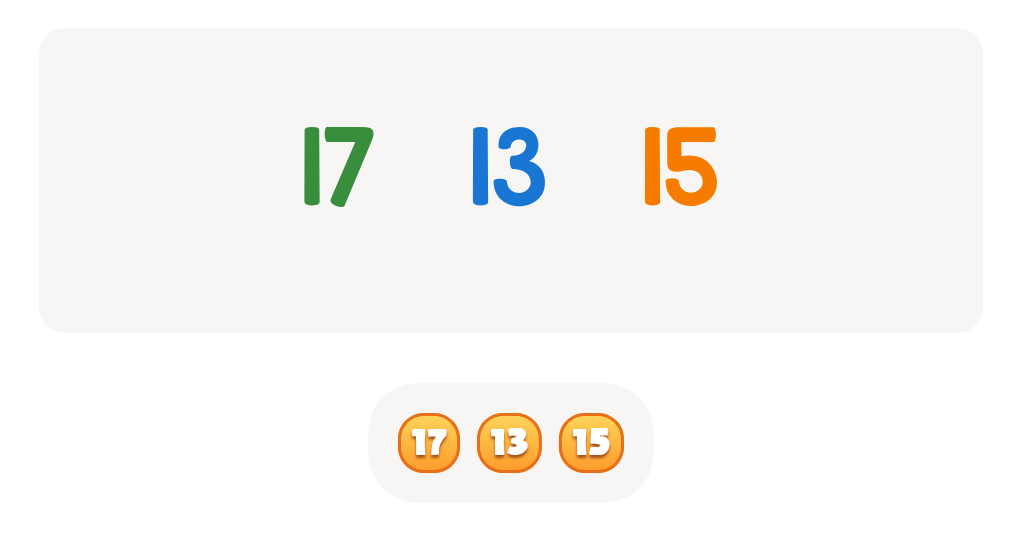
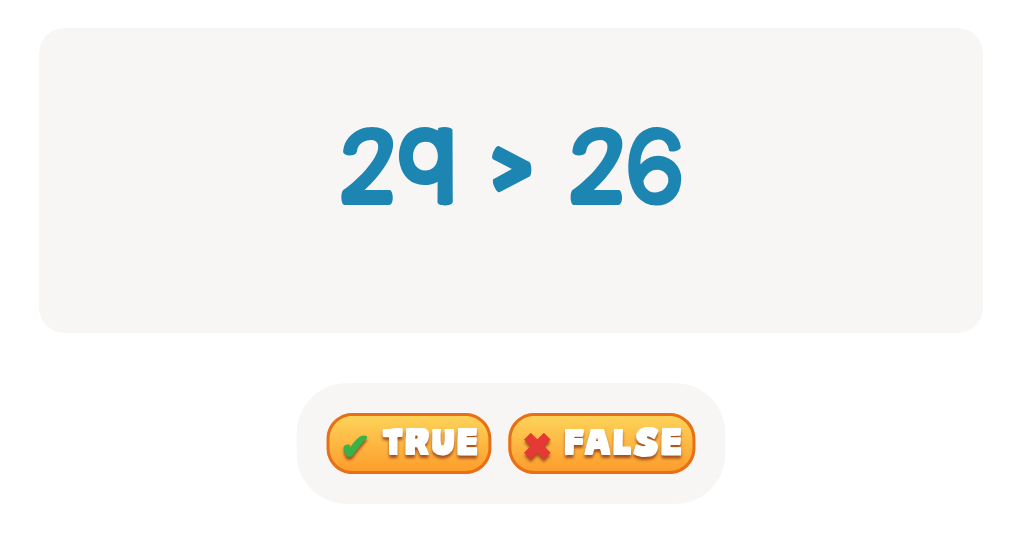
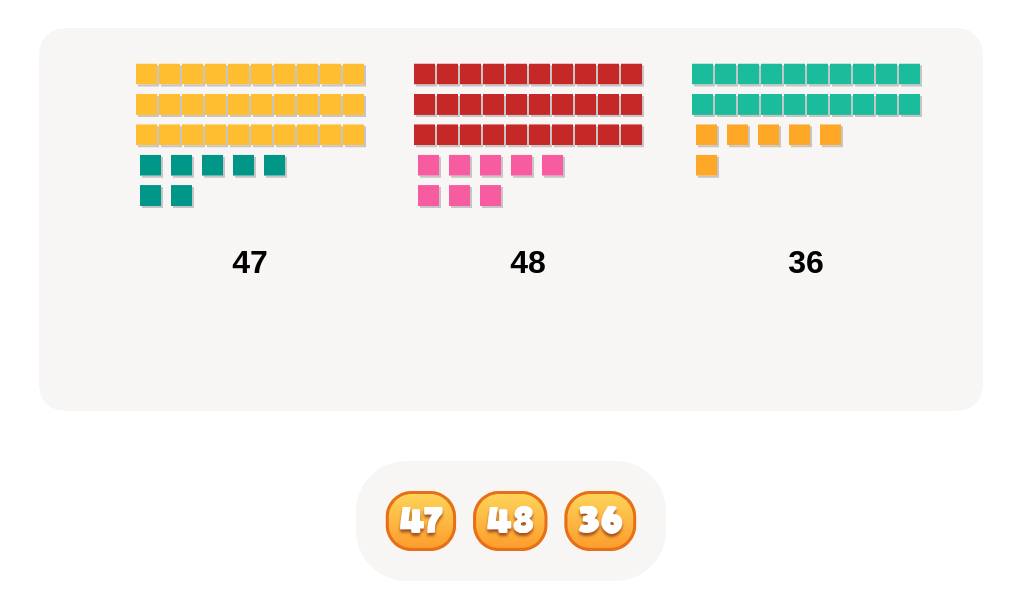
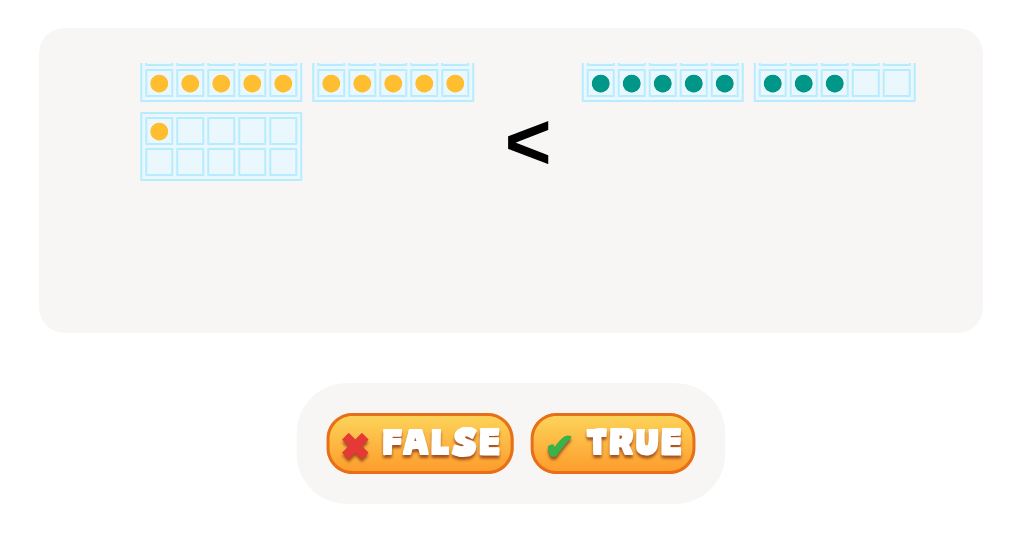
Our Problem-Solving Skills Comparing Numbers Worksheets for ages 7-9 guide students to mastering number comparison through engaging exercises. These worksheets enhance critical thinking by challenging kids to compare multi-digit numbers using greater than, less than, and equal to symbols. Fun activities and clear instructions ensure children grasp these concepts with ease, improving their mathematical confidence and academic performance. Ideal for classroom or at-home learning, these worksheets provide a solid foundation in numerical skills, setting the stage for future success. Transform number comparison into a fun learning adventure with our expertly designed resources.
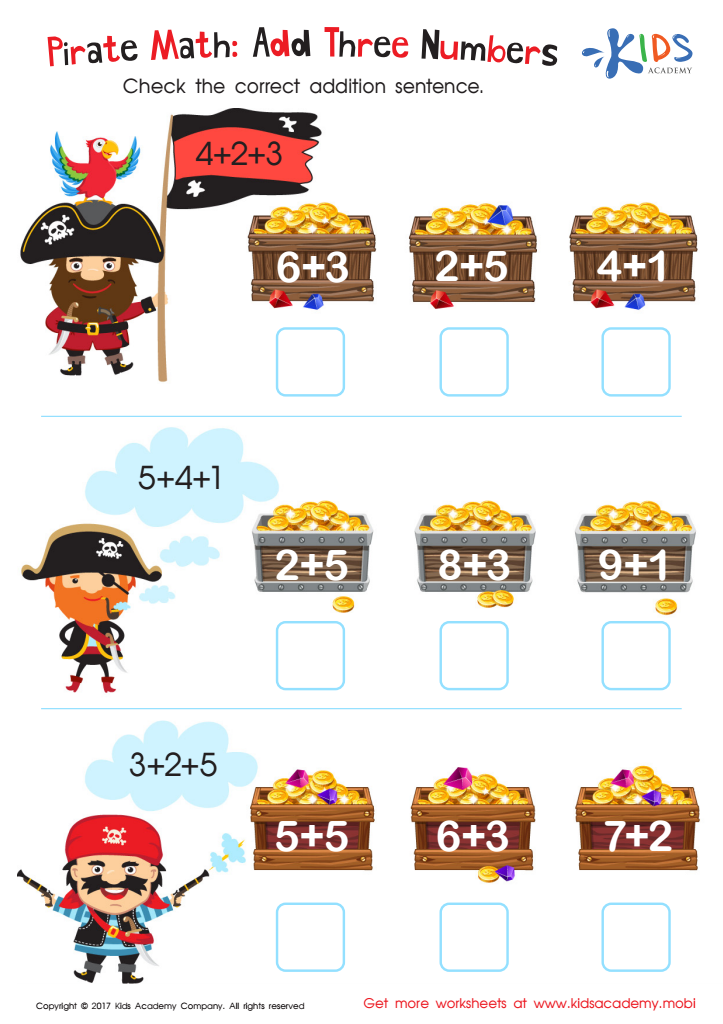
Pirate Math Printable
 Assign to My Students
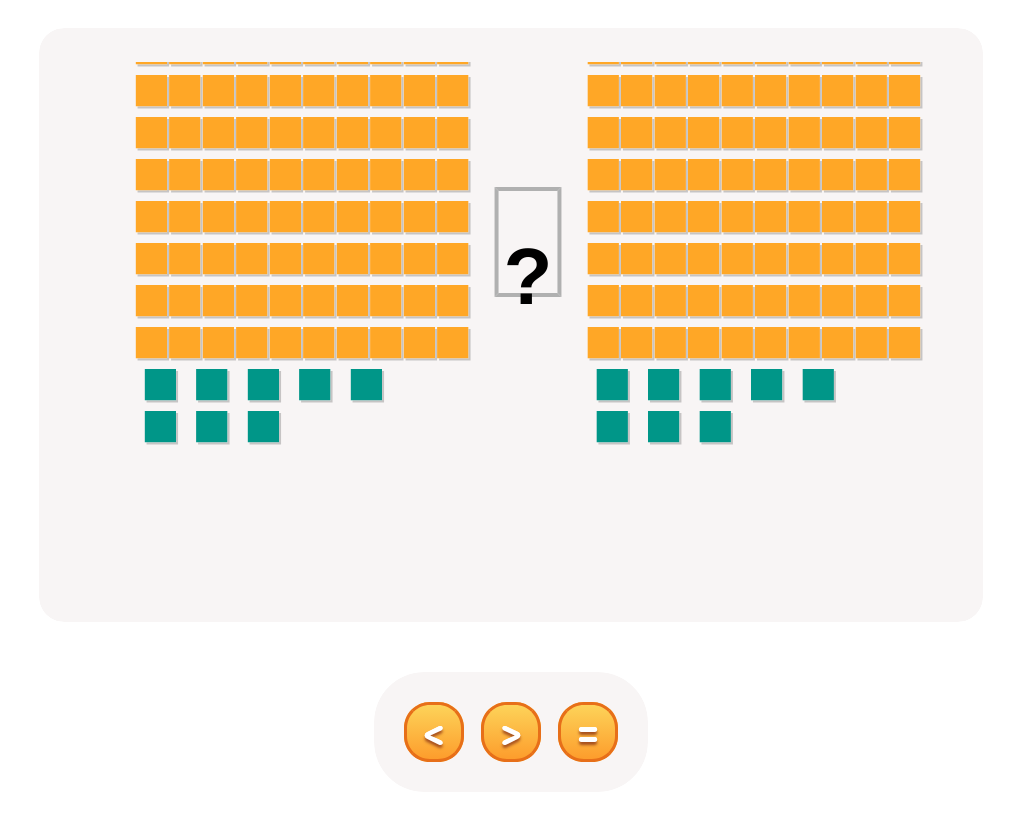

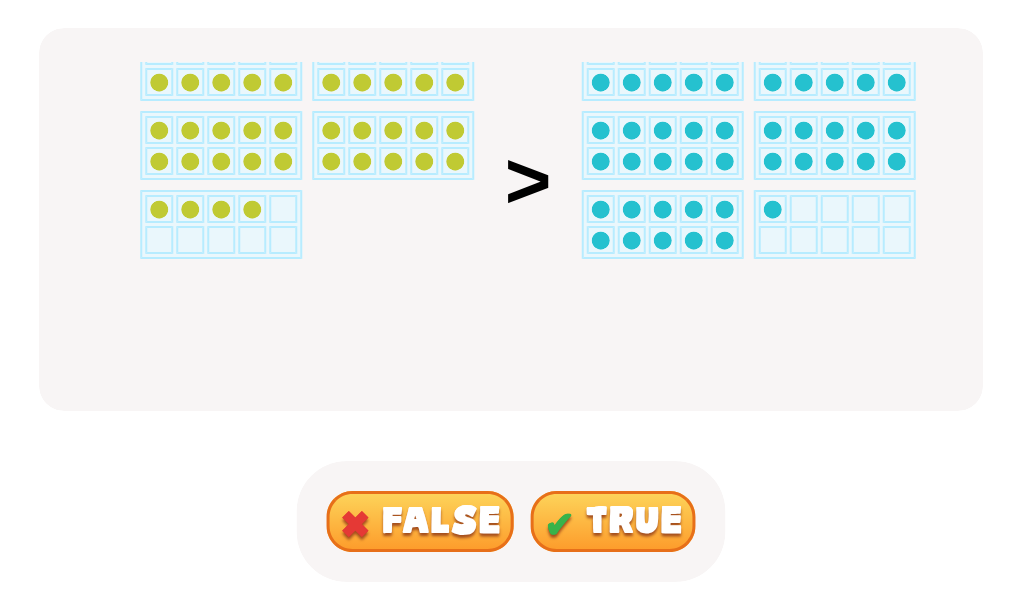
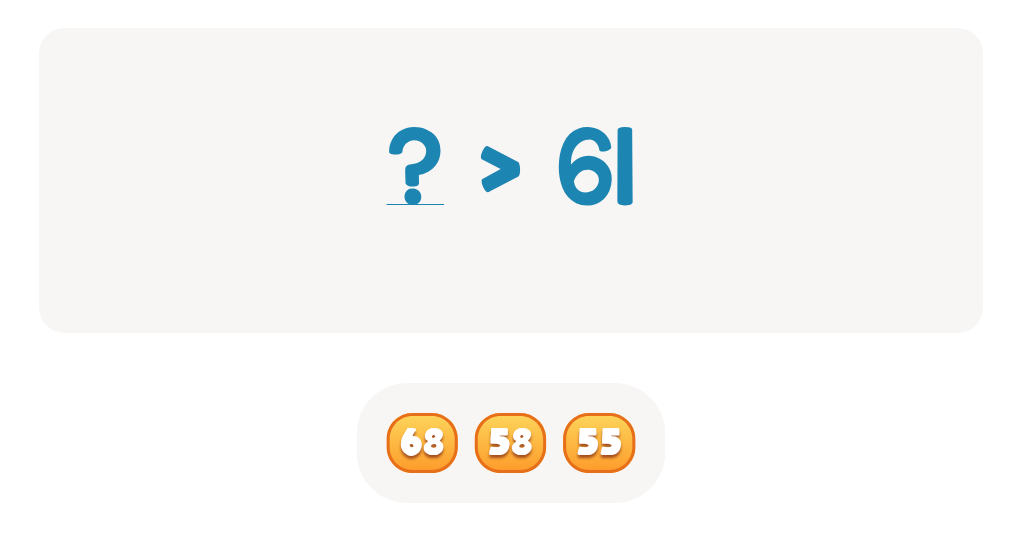
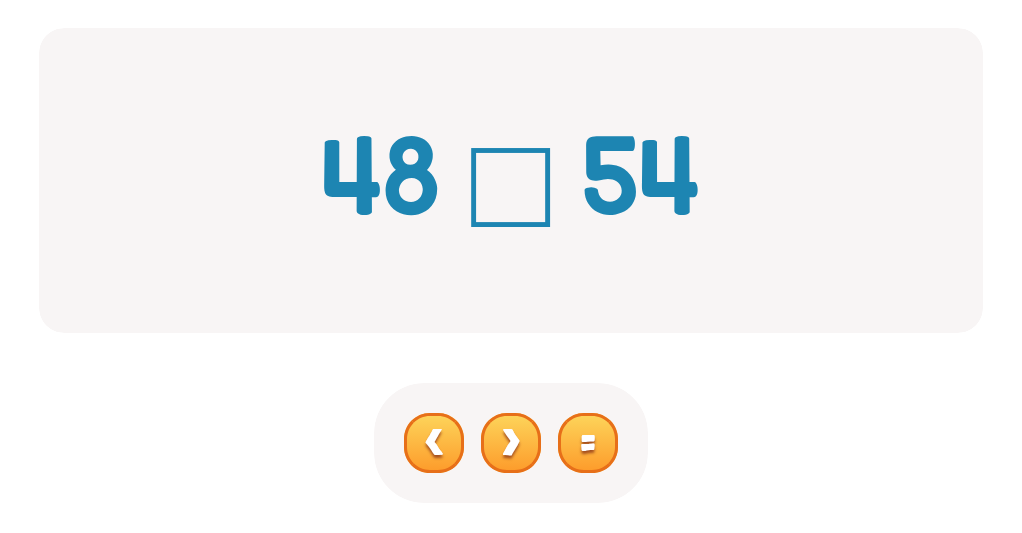
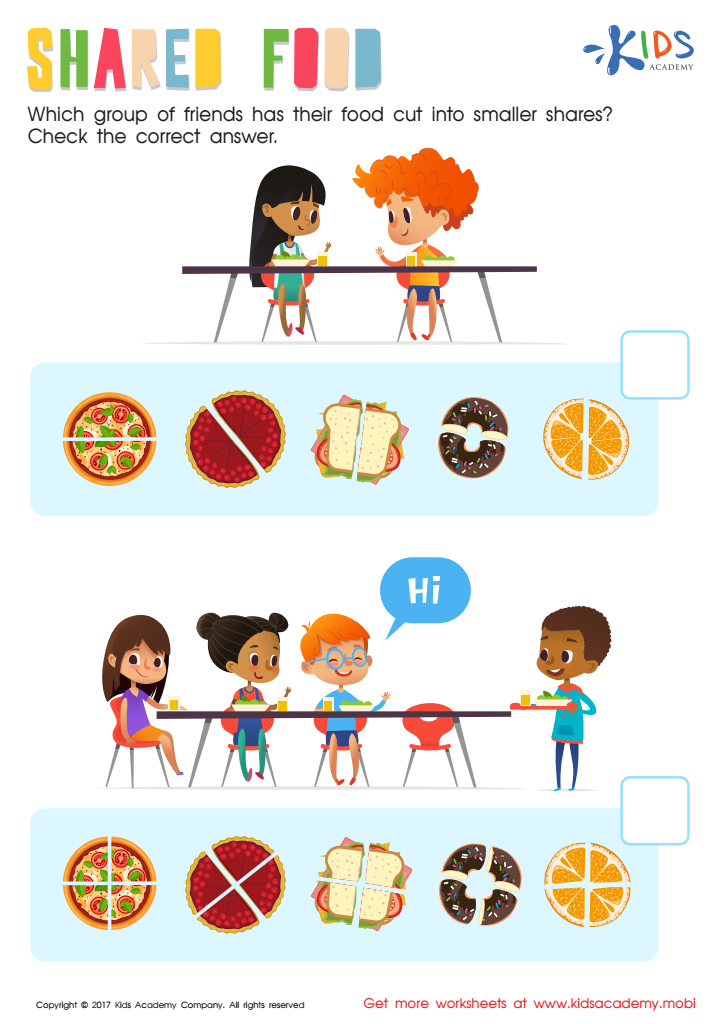
Shared Food Worksheet
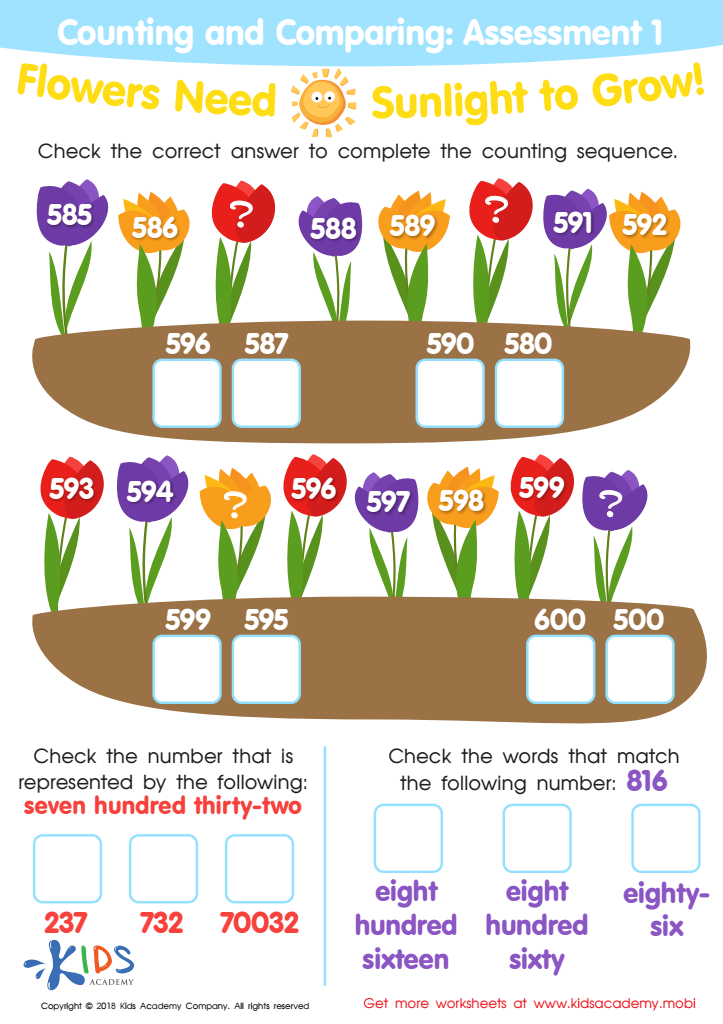
Counting and Comparing: Assessment 1 Worksheet
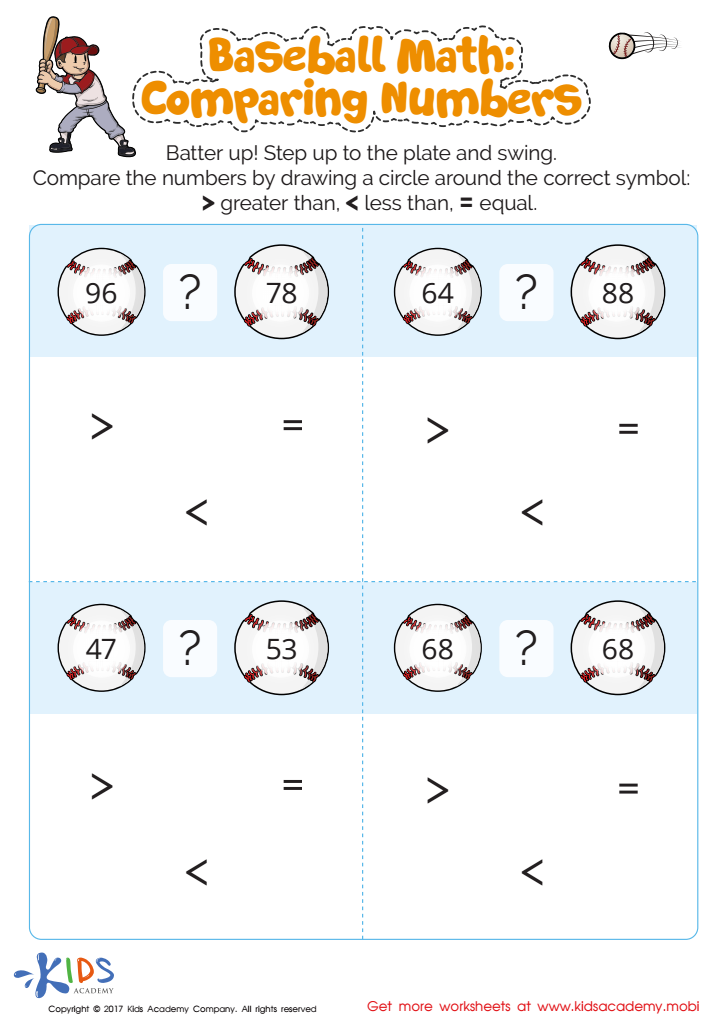
Compare Numbers Printable
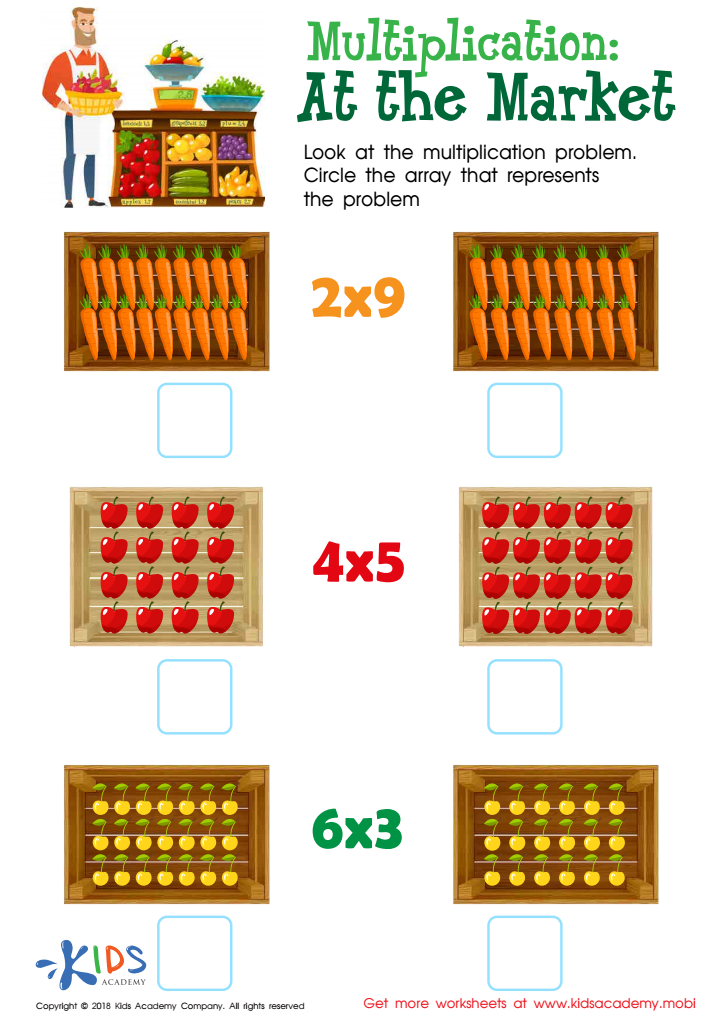
At the Market Worksheet







Parents and teachers should care about developing problem-solving skills in comparing numbers for children ages 7-9 for several critical reasons. At this stage, children's cognitive abilities are expanding rapidly, and they're becoming more adept at understanding and manipulating numerical information. Enhancing problem-solving skills in comparing numbers lays a robust foundation for future mathematical learning and everyday decision-making.
First, these skills help children develop logical thinking and reasoning. By learning to compare numbers, children start to grasp relationships and differences, fostering analytical thinking. This process prepares them for more complex arithmetic and algebraic concepts that they'll encounter later in their education.
Second, comparing numbers is a practical life skill. It helps children make informed decisions, whether they're figuring out which item is cheaper, comparing scores in a game, or determining more significant measurements. These activities require an understanding of numerical relationships, thus reinforcing real-world numeracy.
Finally, improving problem-solving skills related to numbers boosts confidence. When children see their efforts lead to correct answers and solutions, their self-esteem in math class grows, fueling a positive attitude toward learning overall. Cultivating these competencies early offers long-term benefits, helping children become proficient, independent thinkers and skilled problem-solvers capable of tackling diverse challenges throughout life.