Understanding measurements Comparing Numbers Worksheets for Ages 7-9
3 filtered results
-
From - To
Welcome to our "Understanding Measurements Comparing Numbers Worksheets" designed for children ages 7-9. These engaging worksheets help young learners grasp fundamental measurement concepts by comparing different lengths, weights, and volumes. With colorful visuals and relatable scenarios, students will gain confidence in using measurement tools and understanding units. Our activities emphasize critical thinking as they challenge kids to apply their knowledge while enhancing their problem-solving skills. Perfect for classroom use or home learning, these worksheets make mastering mathematical comparisons fun and interactive. Explore our collection to support your child's learning journey in understanding measurements today!
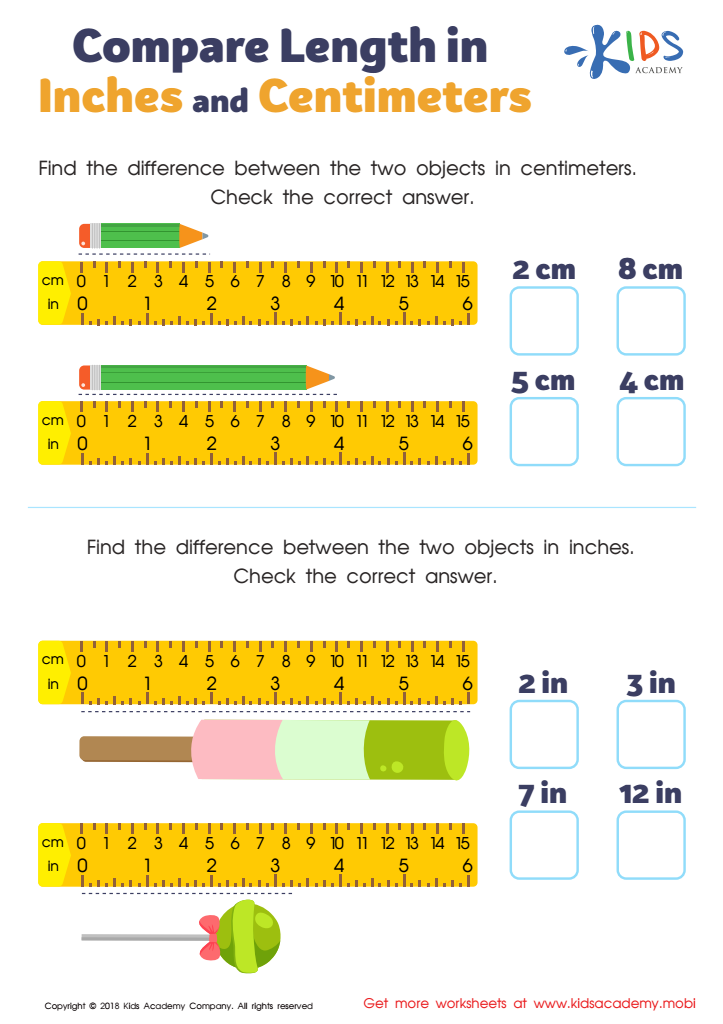
Compare Length in Inches and Centimeters Worksheet
 Assign to My Students
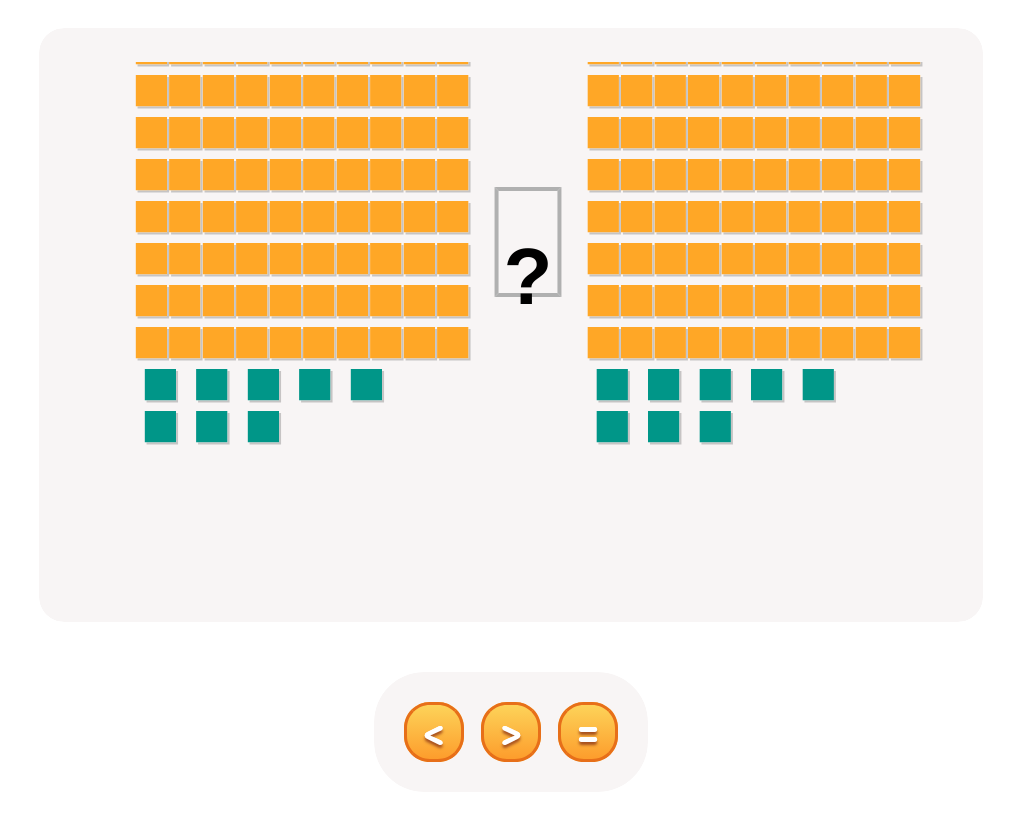

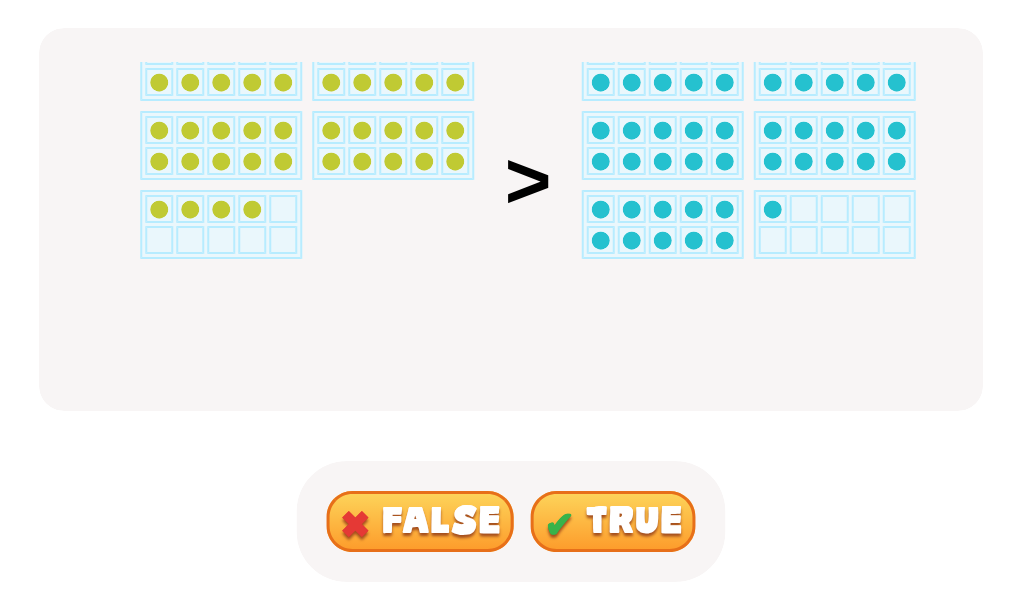
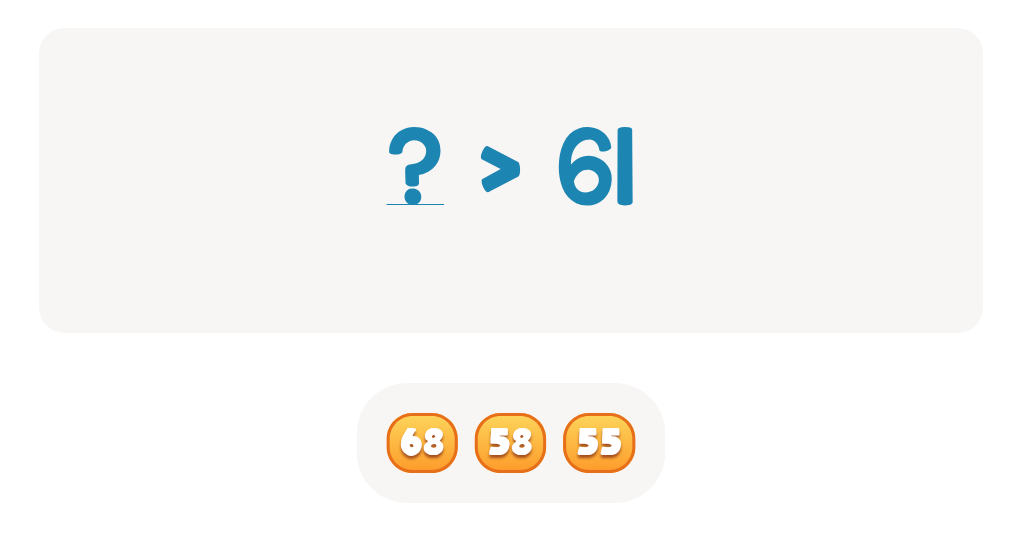
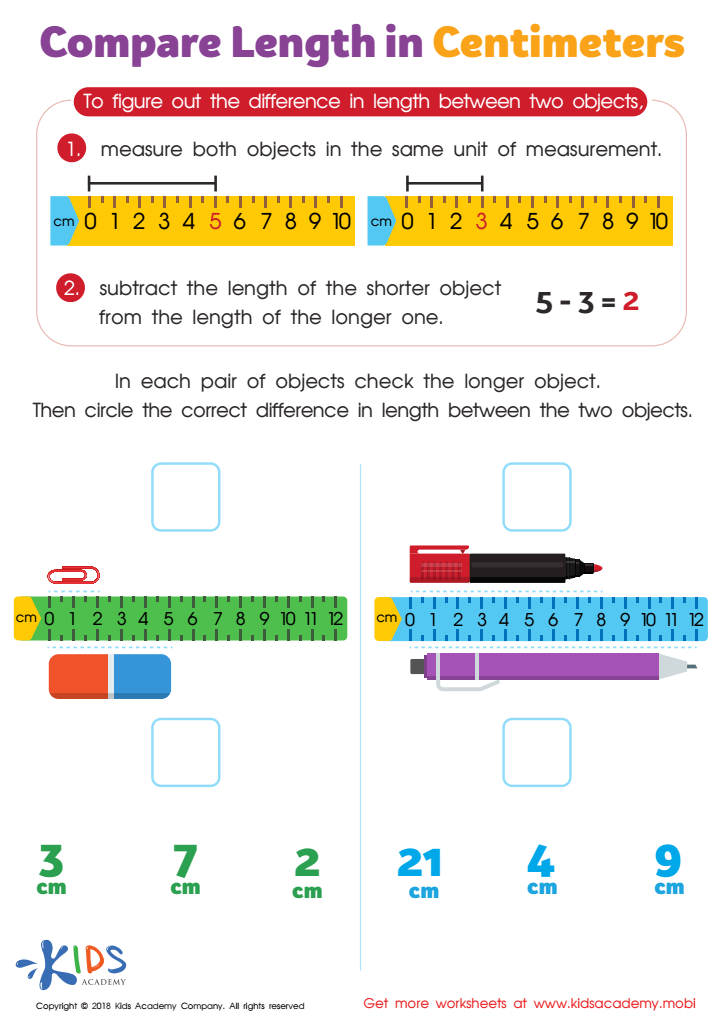
Compare Length in Centimeters Worksheet
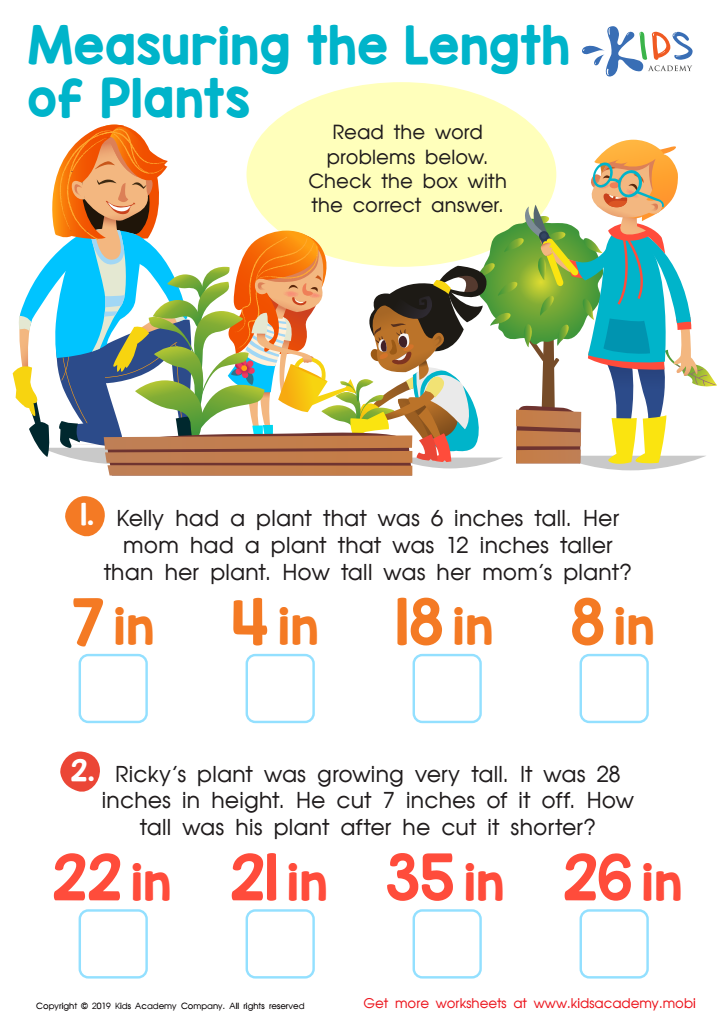
Measuring the Length of Plants Worksheet







Understanding measurements and comparing numbers is crucial for children aged 7-9 as it lays the foundational skills necessary for mathematical literacy and everyday problem-solving. At this age, children are transitioning from learning basic concepts to applying them in real-world situations. When parents or teachers emphasize measurement and comparison, they are helping students develop critical thinking skills, as they learn to analyze different quantities, understand units of measure, and recognize the relationship between numbers.
This competency not only enhances mathematical understanding but also fosters confidence when dealing with various practical tasks—like cooking, budgeting, or determining distances—essentially equipping children with skills they will use throughout their lives. Moreover, engaging with measurements enhances spatial awareness, logical reasoning, and the ability to make estimations, which are key components in scientific exploration and critical analysis.
Additionally, collaboratively exploring these concepts strengthens the parent-child or teacher-student bond, promoting a love for learning. By recognizing the importance of measurements and comparisons, parents and teachers can support children's cognitive development and encourage a more informed and numerate generation, ultimately leading to better academic and life outcomes. Thus, engaging with these topics is not just educational; it’s an investment in a child’s future.








