
Develop critical thinking Math Worksheets for Ages 7-9
13 filtered results
Difficulty Level
Grade
Age
-
From - To
Subject
Activity
Standards
Enhance your child's mathematical reasoning with our critical thinking math worksheets designed for ages 7-9. These engaging and fun resources encourage young learners to solve problems creatively and approach challenges with a logical mindset. Our worksheets focus on essential skills like comparing numbers, understanding patterns, and exploring mathematical concepts through puzzles and real-life scenarios. By integrating critical thinking into their math practice, children develop confidence and perseverance in their problem-solving abilities. Explore our diverse collection of worksheets to support your child's mathematical journey today and foster a lifelong love for learning with valuable skills that extend beyond the classroom!
Favorites
With answer key
Interactive
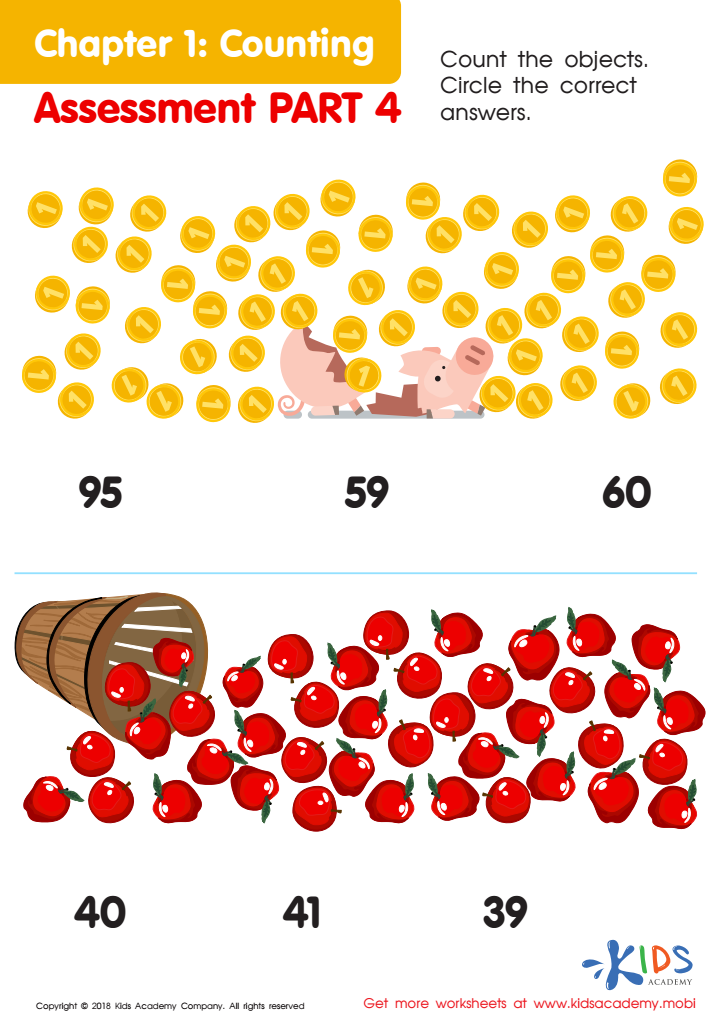
Counting: Assessment 4 Worksheet
Encourage your students to count objects in this colorful worksheet. Ask them to circle the correct answers from the options given. See how much their counting skills have improved with your guidance. Have fun!
 Assign to My Students
Counting: Assessment 4 Worksheet
Worksheet
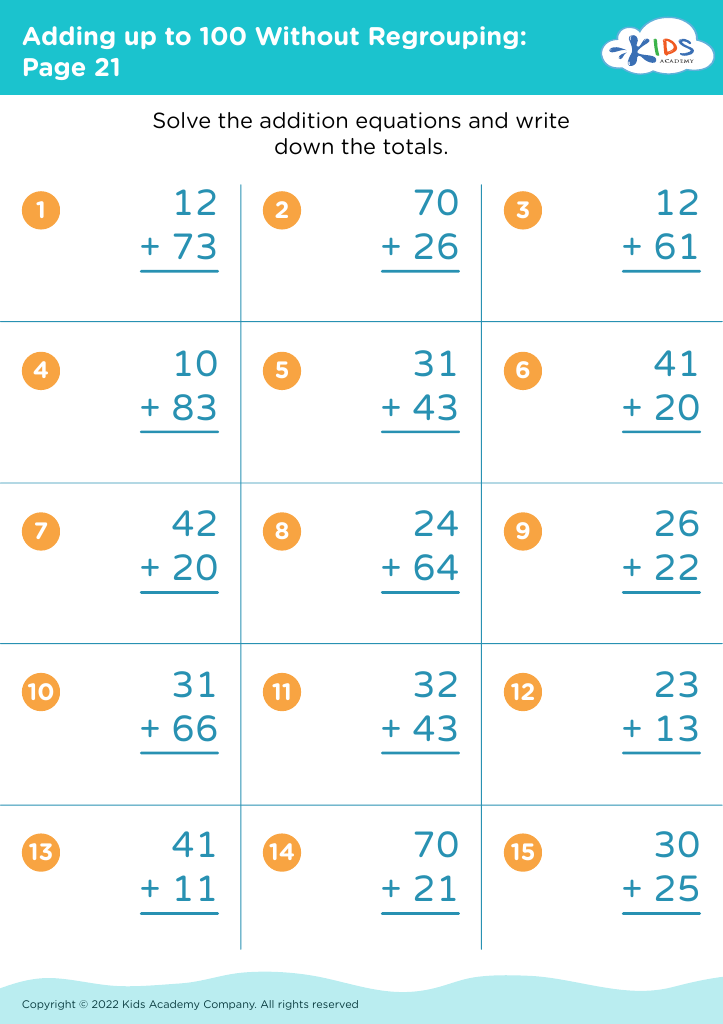
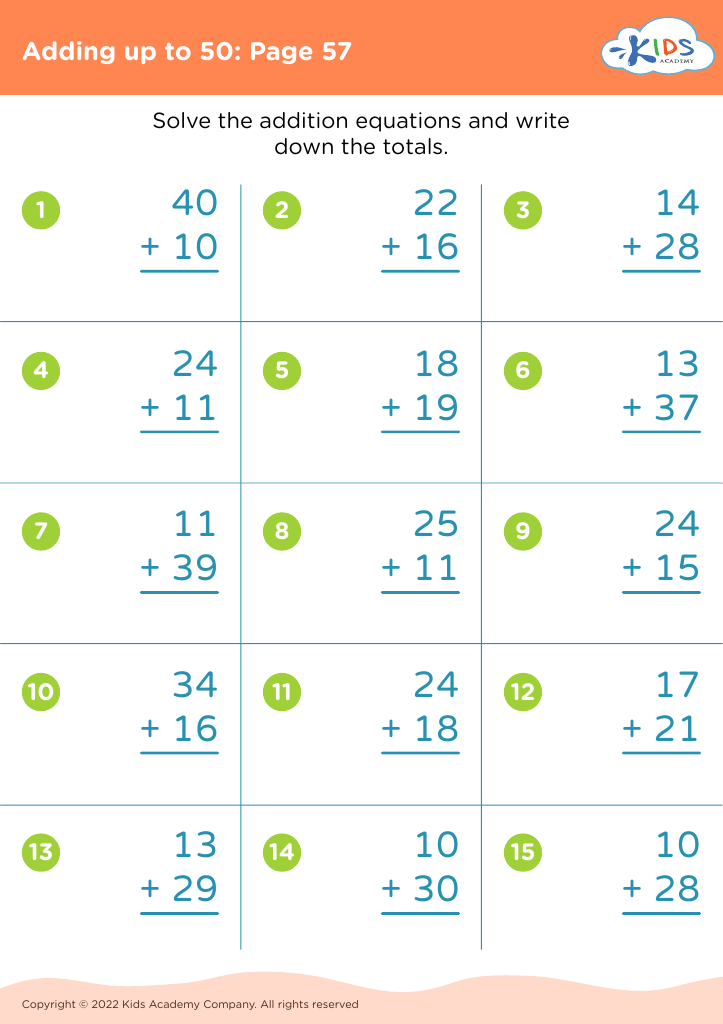
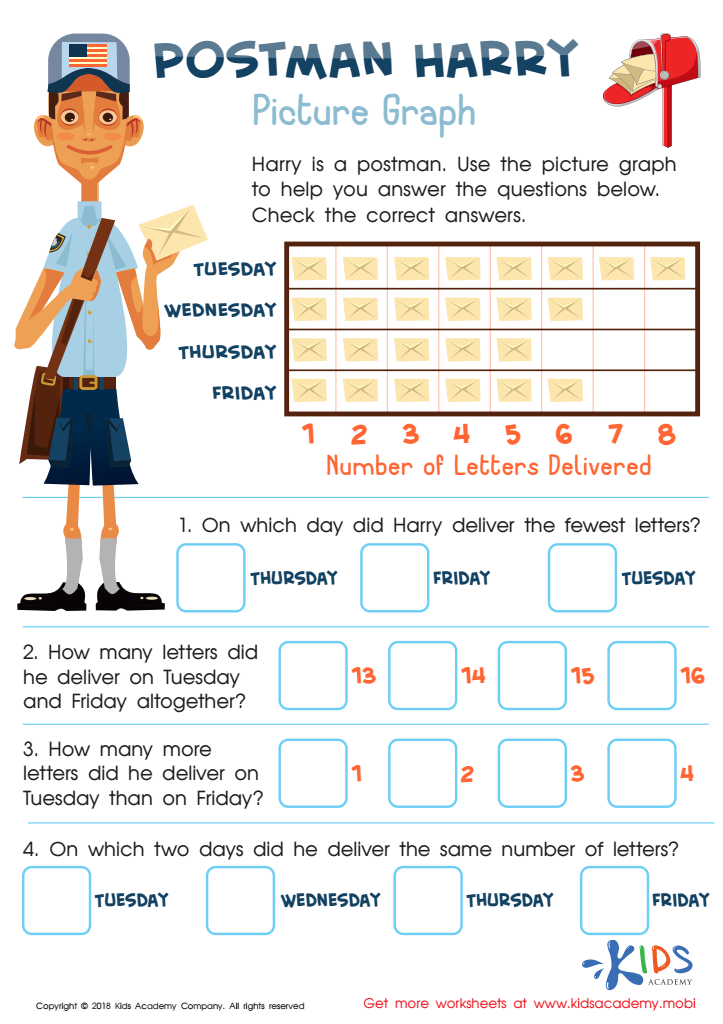
Postman Harry: Picture Graph Worksheet
Show your kids a picture of Harry the Postman and ask if they can identify his profession. Then, with this simple picture graph worksheet, help Harry out by having your kids answer the questions below the picture graph. It shows the number of letters he delivered, and on what day. Get your kids to use the picture graph to solve it.
Postman Harry: Picture Graph Worksheet
Worksheet
Join Kids Academy for Free
Who is primarily going to use this learning content?







Developing critical thinking in math for children ages 7-9 is essential for several reasons. At this age, children are laying foundational skills that will support their future academic success. Critical thinking in math encourages children to go beyond rote memorization and basic calculations, prompting them to analyze problems, recognize patterns, and devise strategies to solve complex issues.
This skill set not only enhances mathematical understanding but also fosters creativity and flexibility in thinking. By engaging in discussions, exploring multiple solutions, and explaining their reasoning, children become more effective communicators. This aspect of critical thinking equips them to tackle challenges not just in math, but across all subjects.
Additionally, critical thinking nurtures perseverance and resilience. When children encounter difficult problems, they learn to evaluate different approaches, making them less likely to give up when faced with obstacles. This mindset is crucial in today’s ever-changing world, where problem-solving abilities and adaptability are invaluable.
Ultimately, when parents and teachers prioritize critical thinking in math, they help cultivate lifelong learners who are prepared to navigate real-world challenges, fostering both academic excellence and personal growth.








