Hand-eye Coordination Math Worksheets for Ages 7-9 - Page 2
31 filtered results
-
From - To
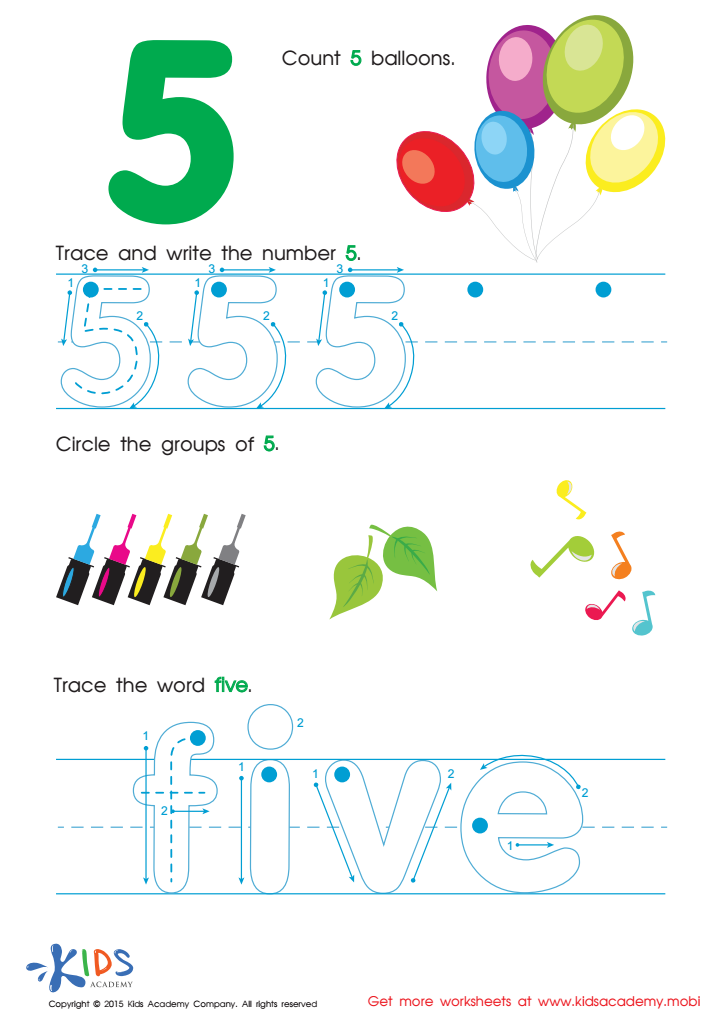
Practice Writing Number 5 Worksheet
 Assign to My Students
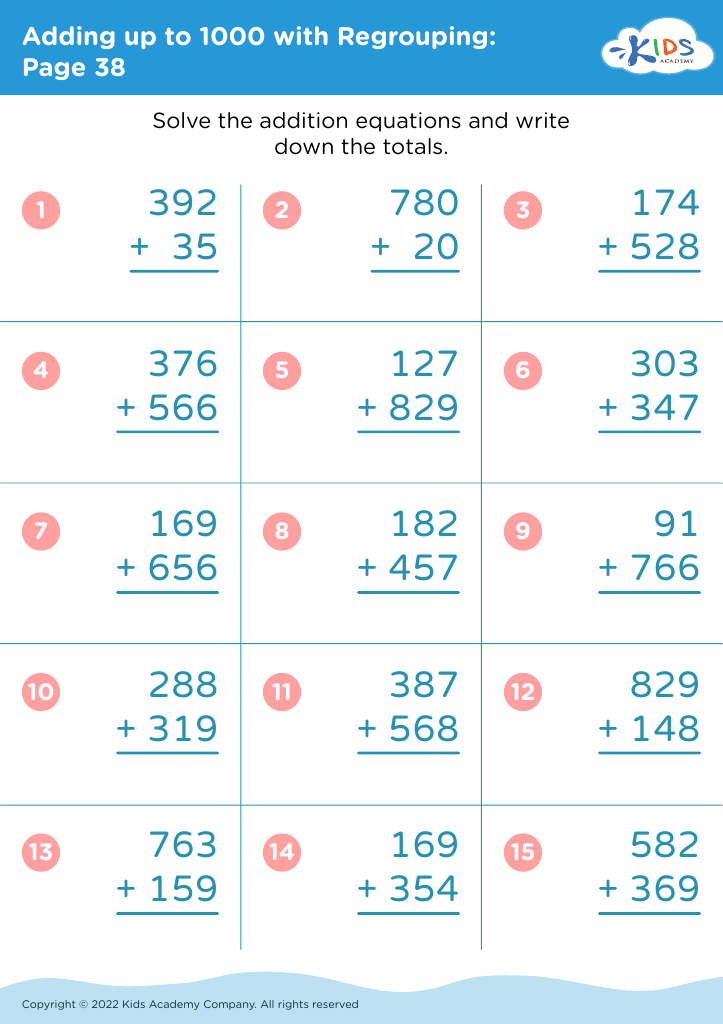
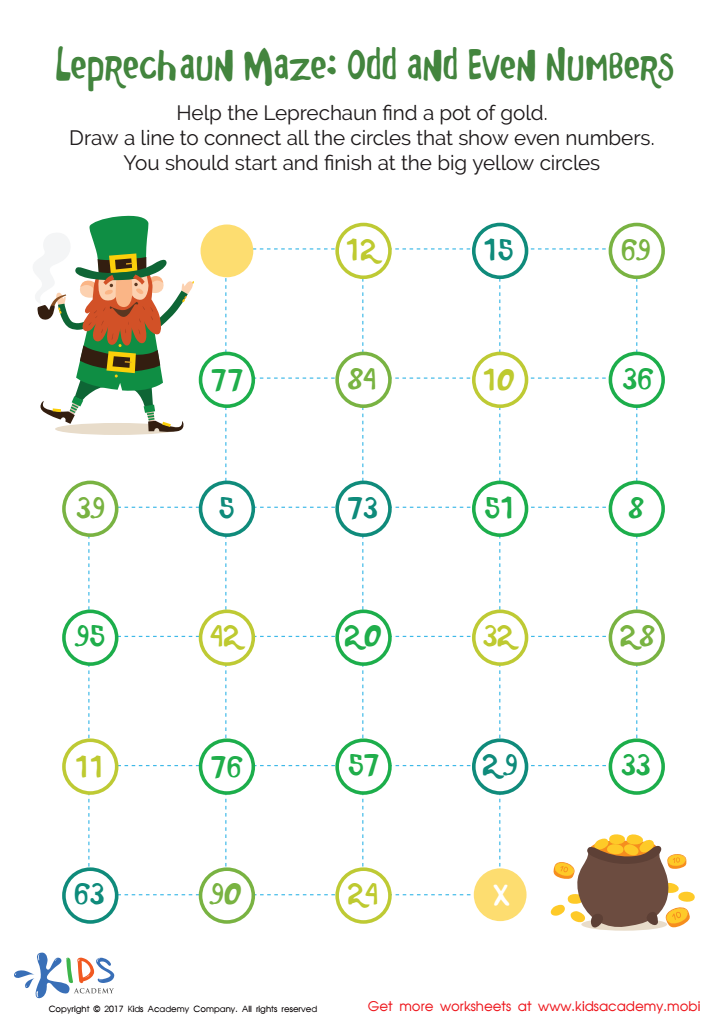
Leprechaun Maze Printable
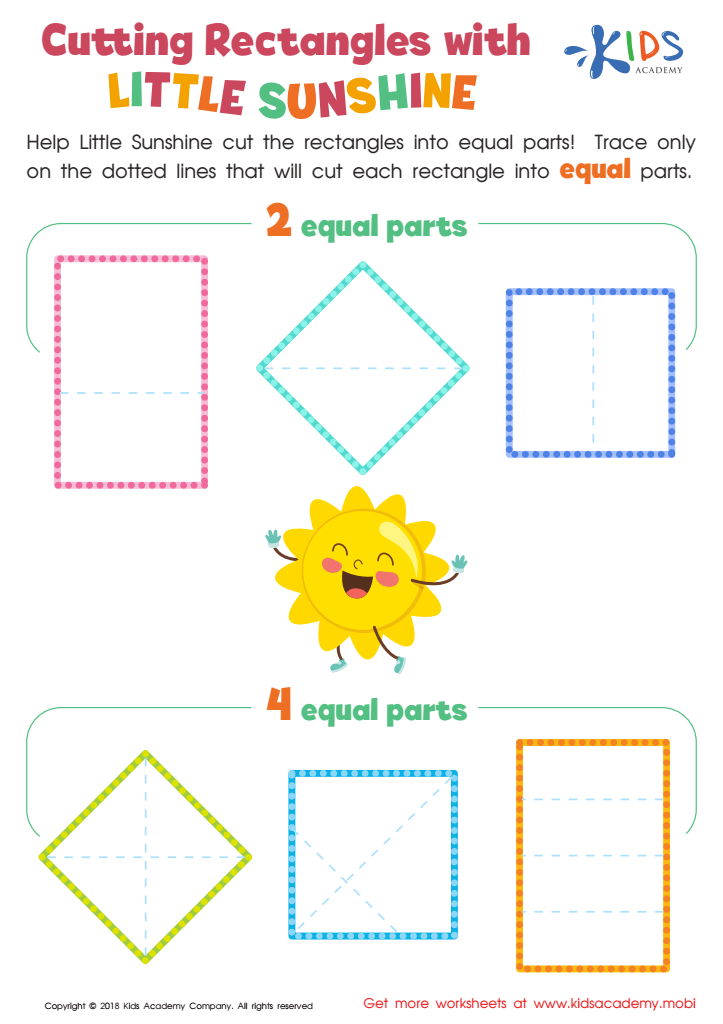
Cutting Rectangles with Little Sunshine Worksheet
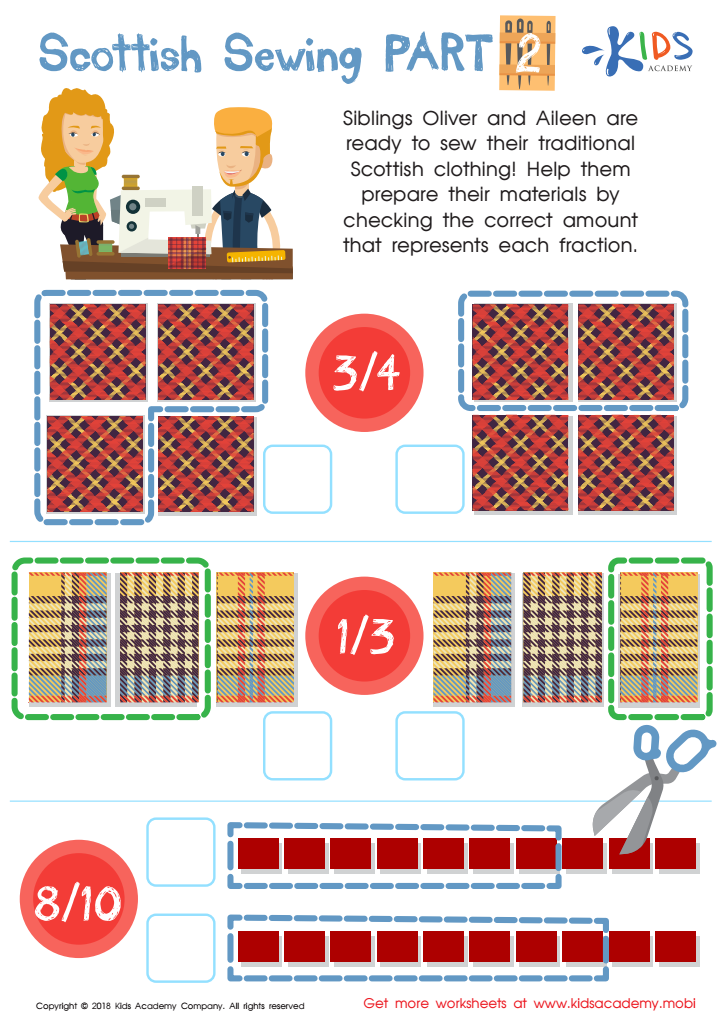
Scottish Sewing Part 2 Worksheet
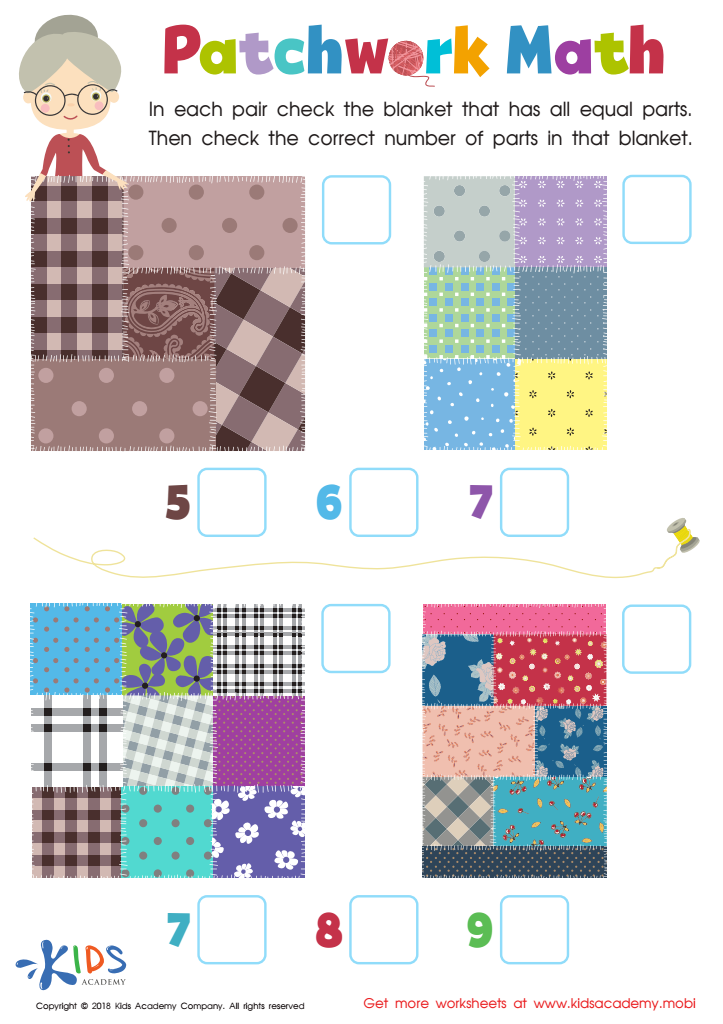
Patchwork Math Worksheet







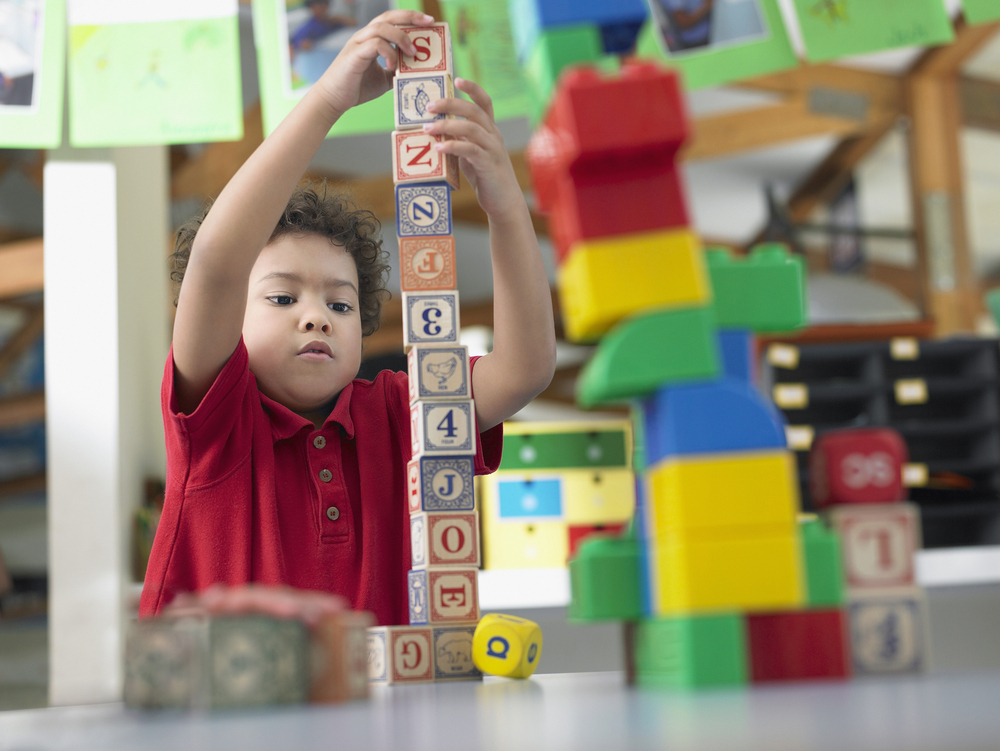
Hand-eye coordination is a crucial skill for children aged 7-9, and integrating it into math education offers substantial benefits. At this developmental stage, kids are honing their motor skills and cognitive abilities, and combining these with mathematics can enhance both areas effectively.
First, improving hand-eye coordination through math activities, such as drawing shapes, using manipulatives like blocks or beads, and engaging in interactive games, helps children become more adept at mathematics by offering them tactile and visual feedback. This multisensory approach reinforces mathematical concepts and makes abstract ideas more concrete and comprehensible.
Secondly, tasks that require precise movements and accuracy promote better handwriting and spatial awareness, both vital for successful math learning. For example, correctly aligning numbers in columns for addition or subtraction tests spatial reasoning, an essential component of geometry and more advanced math topics.
Moreover, integrating hand-eye coordination in math supports overall brain development. The physical act of manipulating objects engages different parts of the brain, fostering neural connections that aid in both academic and everyday activities.
Finally, making math interactive and physically engaging can significantly boost a child's interest and motivation in the subject. Enjoyable activities that merge movement and learning build a positive attitude toward math, laying a strong foundation for future academic success.








