Motor skills development Math Worksheets for Ages 7-9
5 filtered results
-
From - To
Enhance your child's mathematical abilities and motor skills with our expertly designed Motor Skills Development Math Worksheets for Ages 7-9. Combining math problems with fun activities like cutting, coloring, and tracing, these worksheets make learning engaging and interactive. Each worksheet focuses on improving hand-eye coordination, fine motor skills, and precision while reinforcing essential math concepts. Perfect for at-home practice or classroom use, they cater to a variety of learning styles. Help your child build a solid foundation in math and motor skills, setting them up for academic success and lifelong learning.
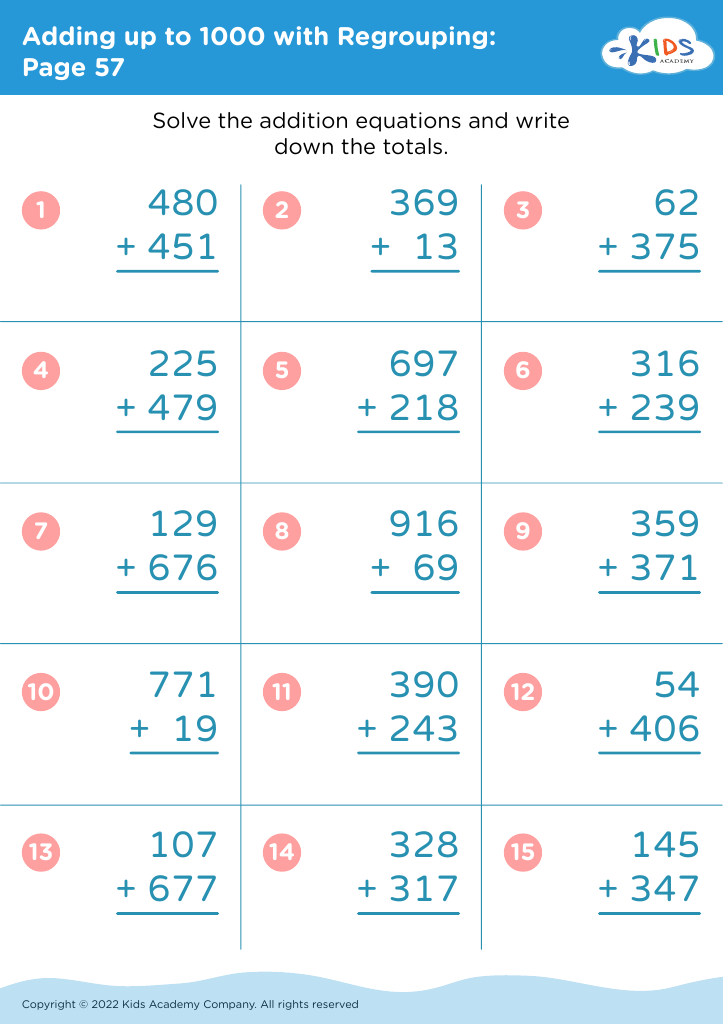
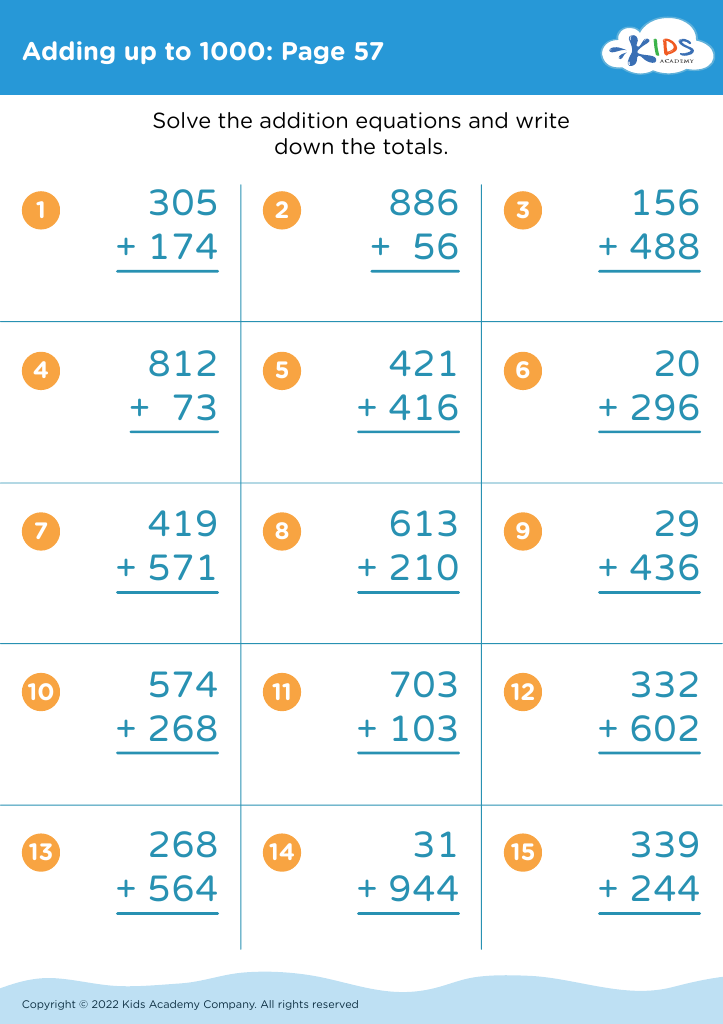
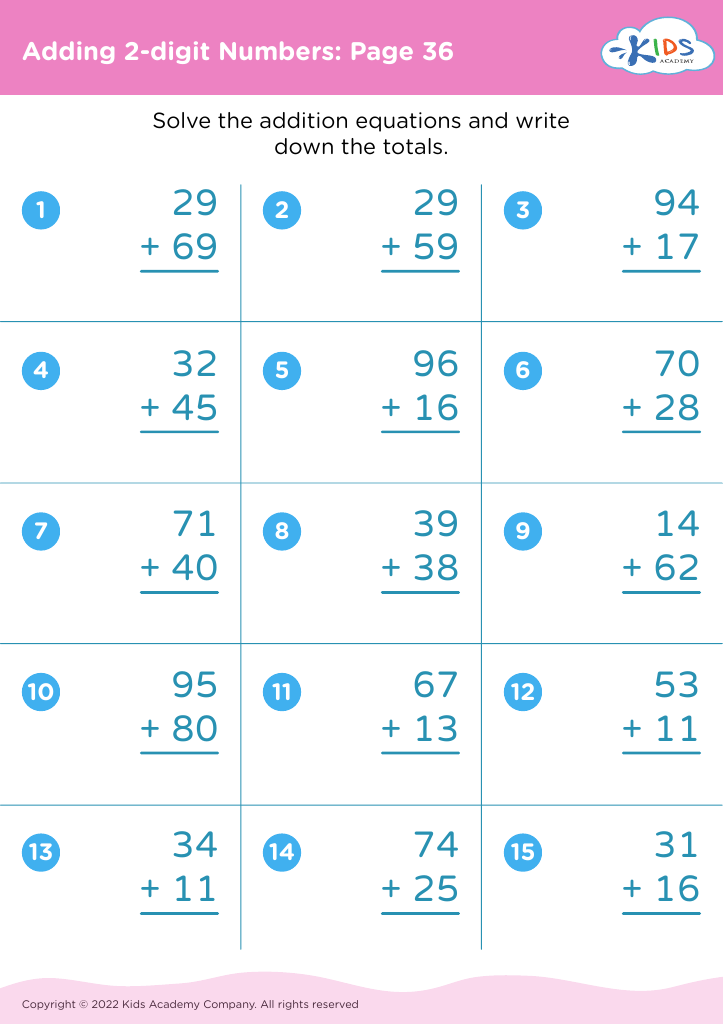
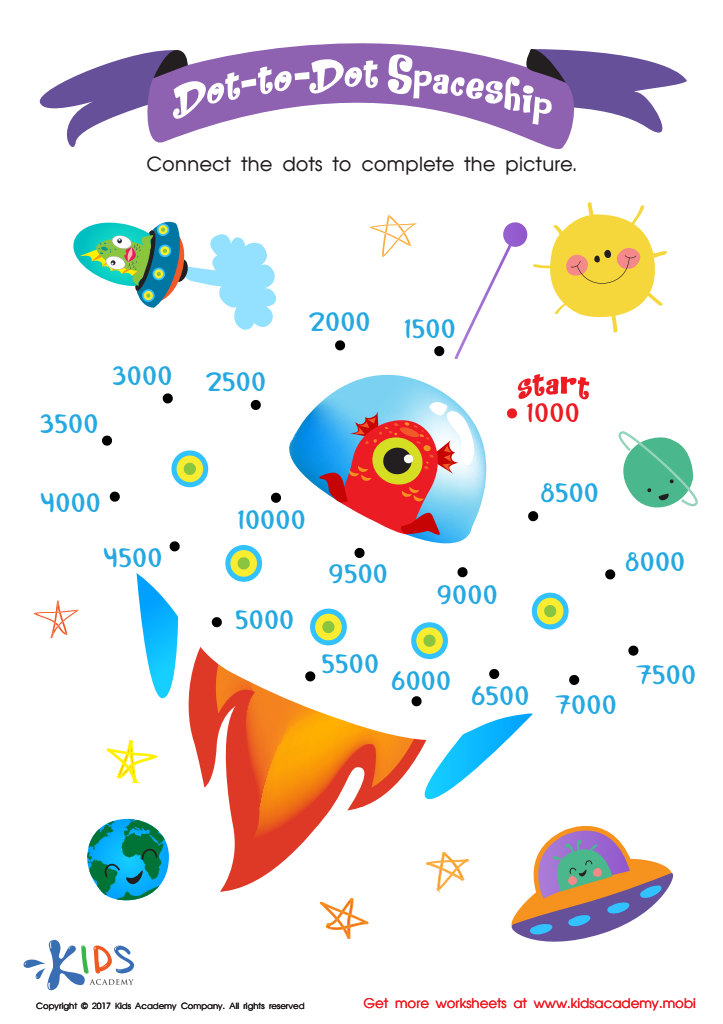
Dot to Dot Worksheet for 3rd Grade
 Assign to My Students




.jpg)



Motor skills development is crucial for children aged 7-9 and should be a focal point for parents and teachers alongside academic subjects like math. Fine motor skills, such as hand-eye coordination, dexterity, and precise movements, are vital for effectively performing everyday tasks and succeeding academically.
In math, fine motor skills are essential for activities like writing numbers, drawing shapes, measuring, and counting tactile objects. Children who struggle with these skills may find it challenging to properly align numbers or handle tools like rulers or compasses, impeding their ability to participate fully in math lessons. These difficulties can hinder their confidence and academic performance over time.
Motor skills development also intersects with cognitive growth. Engaging in activities that enhance motor skills, such as manipulating building blocks, playing musical instruments, or engaging in sports, promotes neural connections that support problem-solving, spatial awareness, and logical thinking—skills directly related to math comprehension.
Moreover, fostering motor skills encourages independence and boosts self-esteem. When children can confidently engage in classroom activities and daily tasks, they build a sense of competence and capability. Ultimately, integrating motor skills development into early education prepares children not just for academic success in math and other subjects, but for a well-rounded, confident approach to all challenges they will face.








