Spelling practice Math Worksheets for Ages 7-9
8 filtered results
-
From - To
Enhance your child's spelling skills with our engaging spelling practice math worksheets tailored for ages 7-9. These worksheets effortlessly combine fundamental math concepts with fun spelling exercises, helping children reinforce their vocabulary while honing essential math skills. With a variety of interactive and visually appealing activities, your child will enjoy learning through puzzles, word searches, and spelling challenges. Our resources are designed to complement classroom learning or serve as exciting supplementary practice at home. Foster your child's confidence in both mathematics and language arts by exploring our collection of printable worksheets today! Unlock their potential and make learning enjoyable!
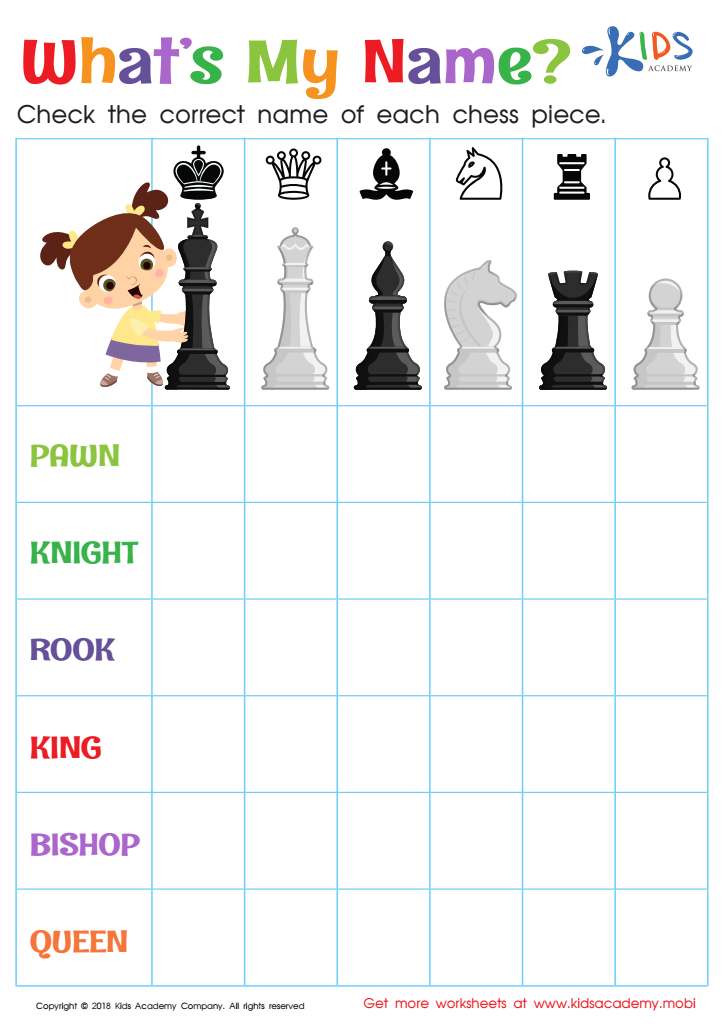
What's My Name? Worksheet
 Assign to My Students
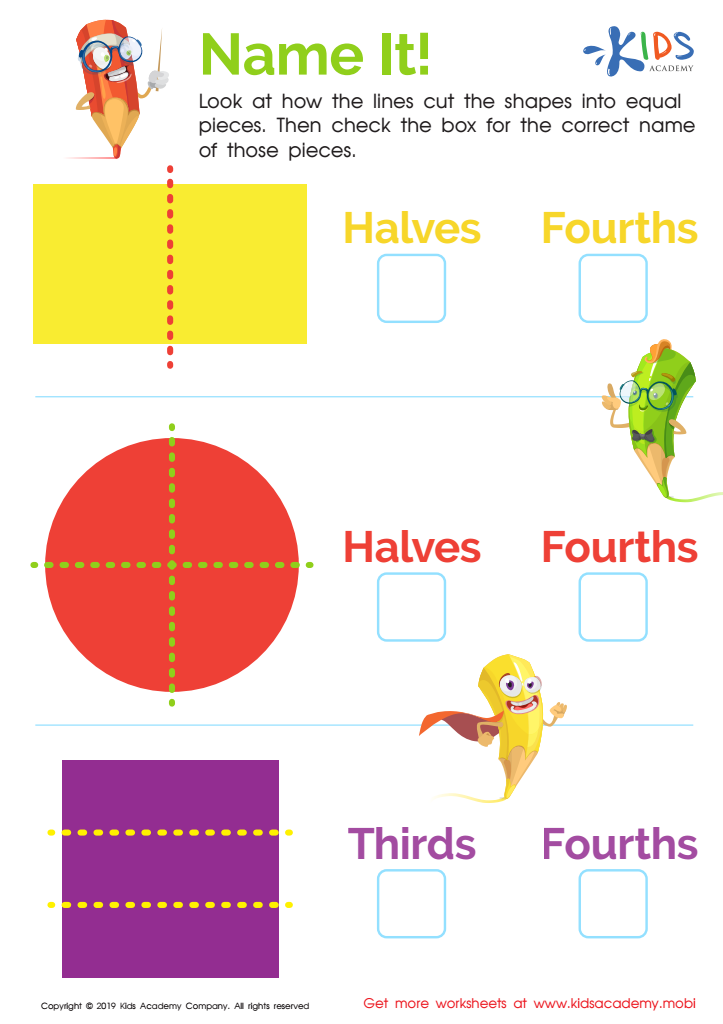
Name It! Worksheet
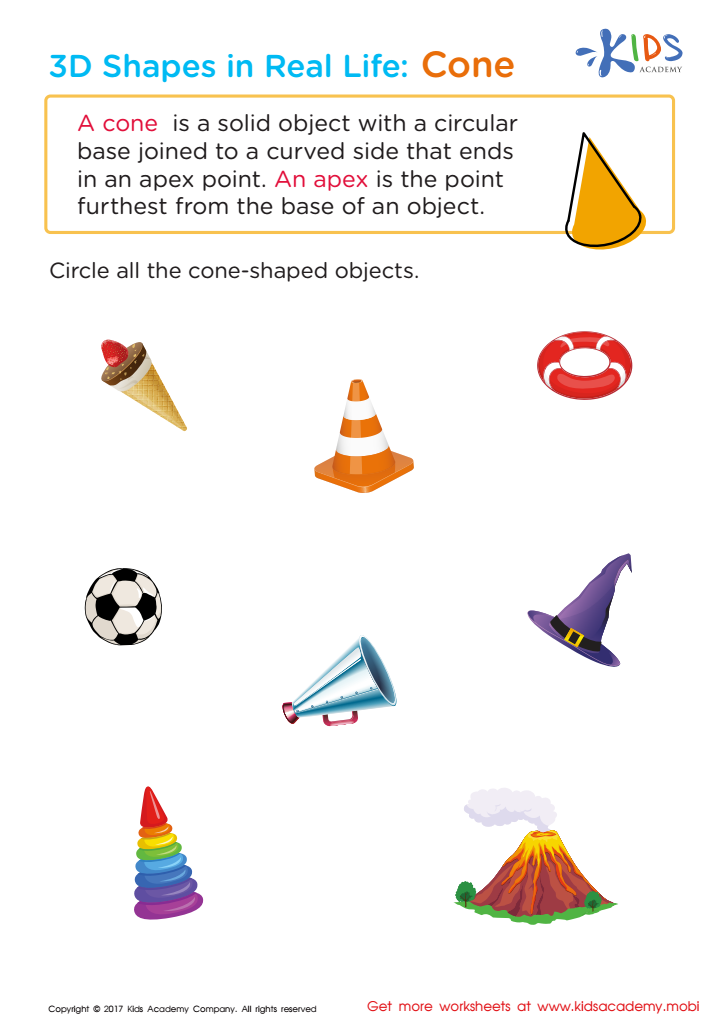
Shapes in Real Life: Cone Worksheet
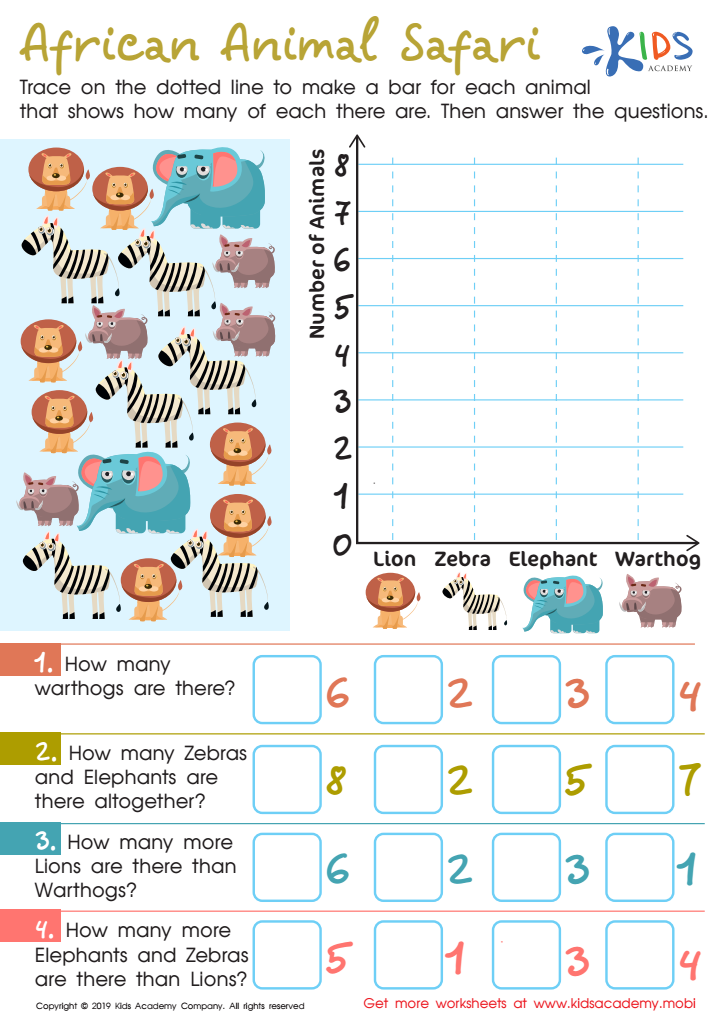
African Animal Safari Worksheet








Spelling practice is crucial for children aged 7-9, not just in language arts, but also in mathematics. This age group is transitioning toward more complex mathematical concepts, where precision in language plays a vital role. Fluency in spelling helps students articulate math problems clearly, understand instructions, and solve word problems effectively. For instance, incorrect spelling of key terms like "addition" or "subtract" can lead to confusion and misunderstandings, impeding their ability to grasp fundamental math skills.
Additionally, spelling indirectly influences cognitive development. It encourages attention to detail and enhances critical thinking as children break down words and relate them to their mathematical understanding. When students practice spelling math-related terms, they strengthen their vocabulary and conceptual grasp of mathematical operations.
Furthermore, effective communication of mathematical ideas—whether orally or in writing—is essential for collaborative learning. Equipping children with strong spelling skills ensures they effectively share their thoughts with peers and teachers. Overall, parents and teachers should integrate spelling practice in their teaching approach, as it cultivates not only linguistic proficiency but also fuels mathematical competence and confidence in young learners.








