Visual discrimination Math Worksheets for Ages 7-9
9 filtered results
-
From - To
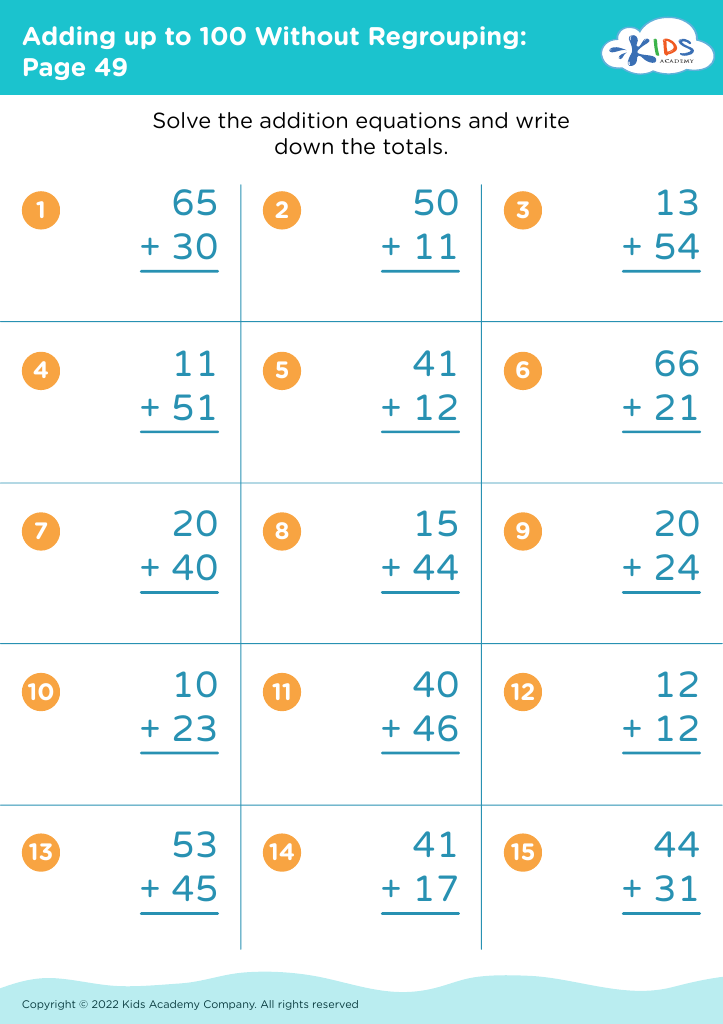
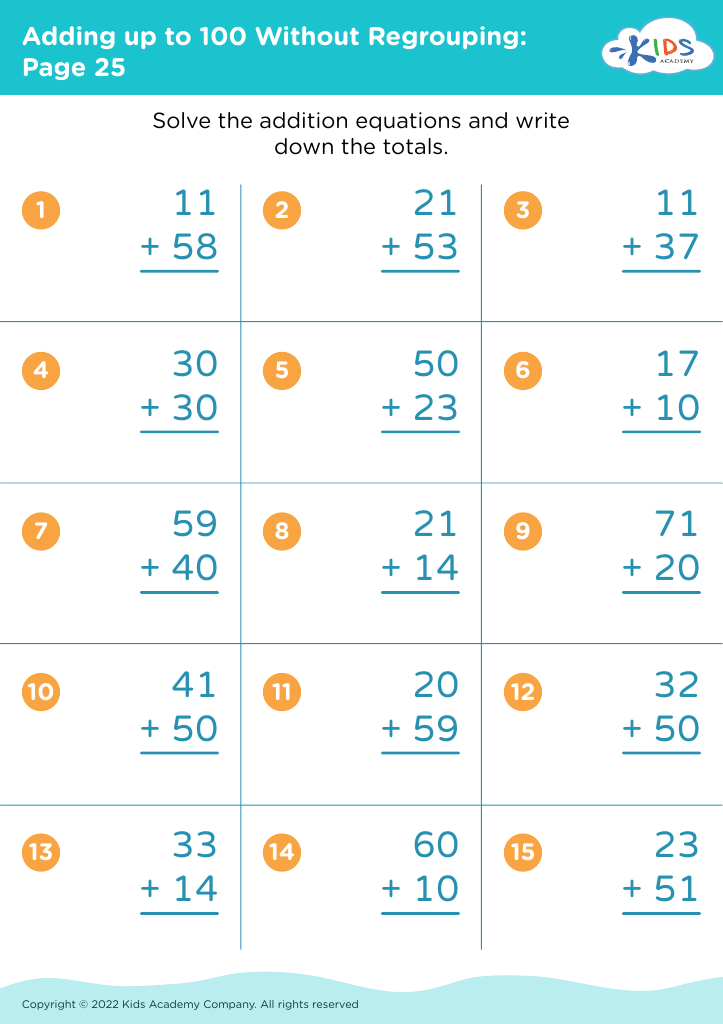
Discover our engaging Visual Discrimination Math Worksheets specially designed for children aged 7 to 9. These worksheets enhance students' visual processing skills, which are essential for solving math problems efficiently. Filled with fun and interactive exercises, they help young learners distinguish between similar shapes, patterns, and numbers, boosting their attention to detail. Our well-crafted activities not only reinforce essential math concepts but also foster critical thinking and problem-solving abilities. Perfect for classroom use or at-home learning, these worksheets are an invaluable resource for parents and educators aiming to develop strong foundational math skills in their children. Unlock their potential today!
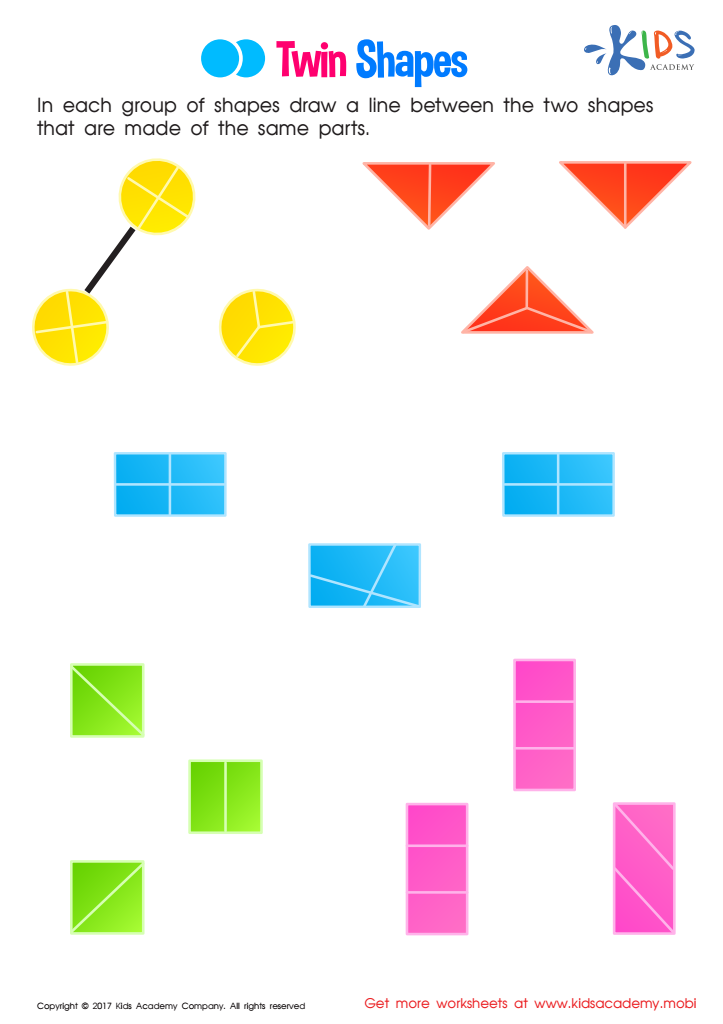
Twin Shapes Worksheet
 Assign to My Students
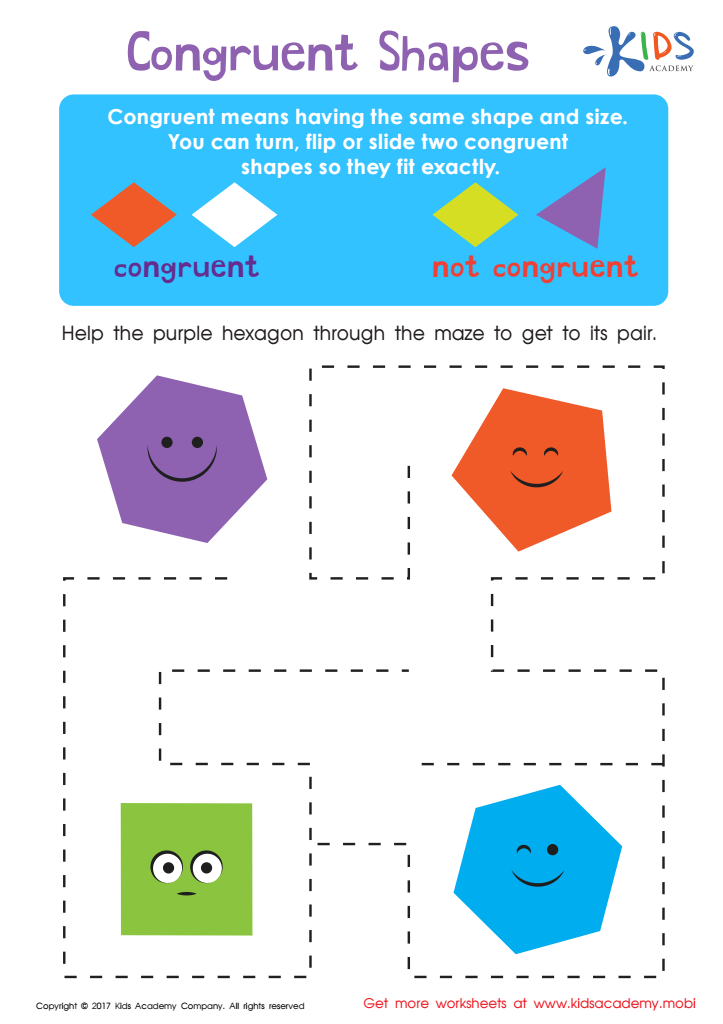
Congruent Shapes Worksheet
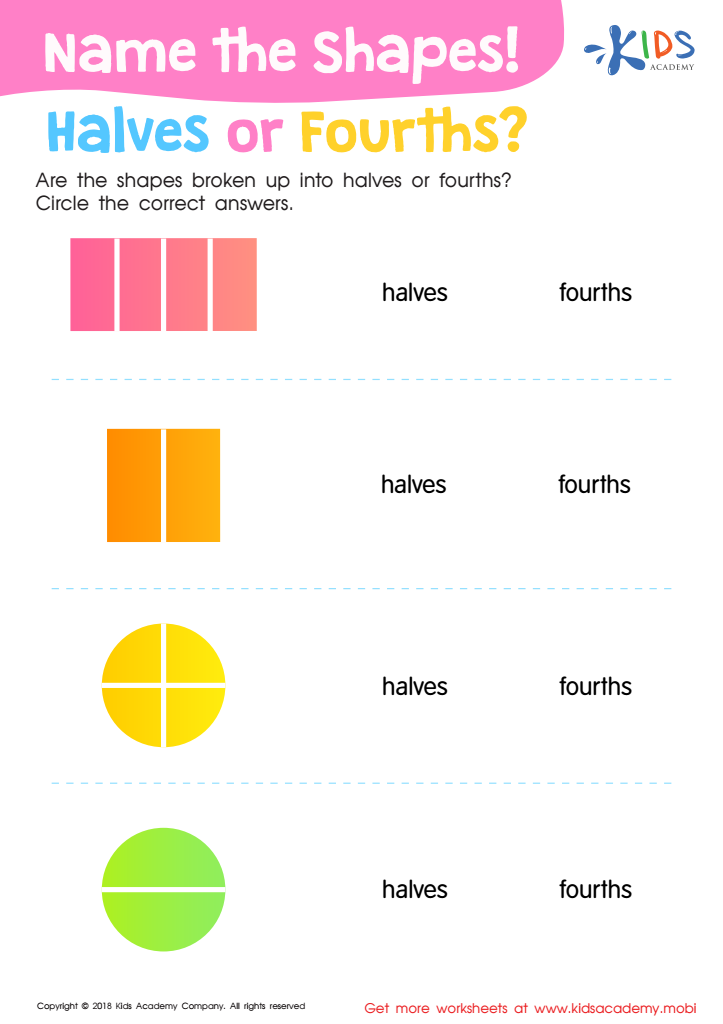
Name the Shapes Halves or Fourths? Worksheet
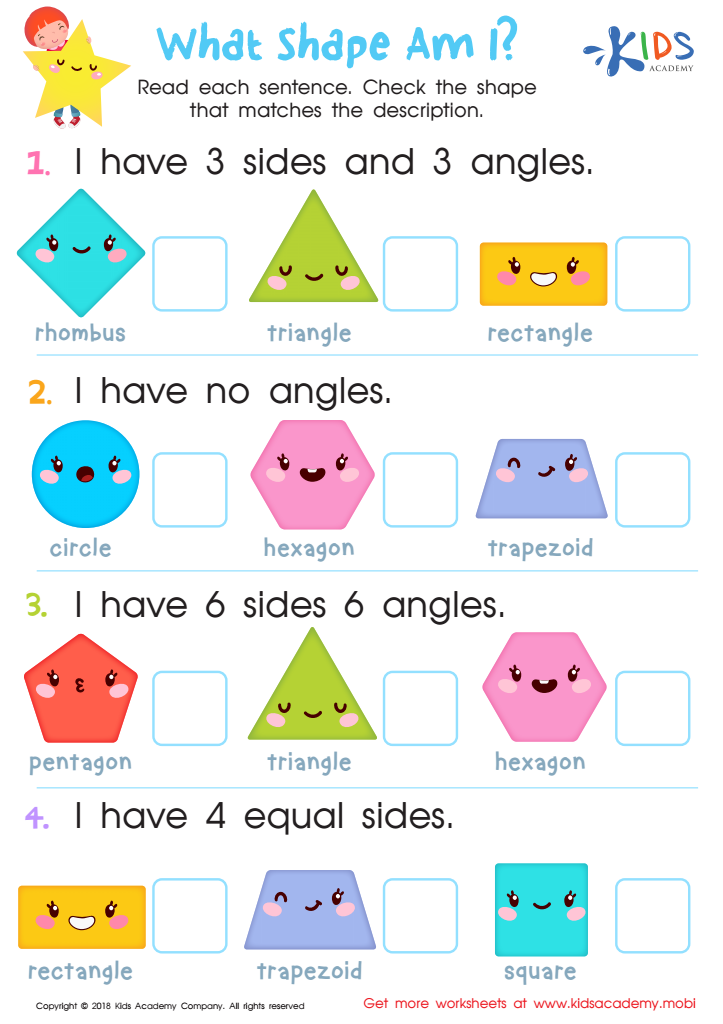
What Shape Am I? Worksheet
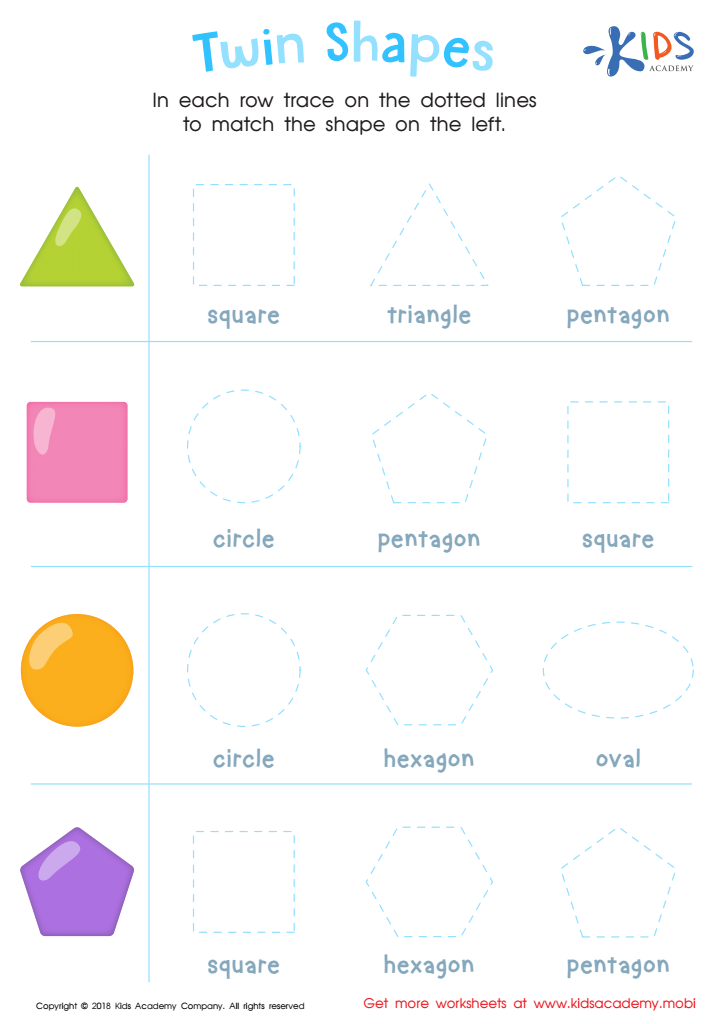
Twin Shapes Dot-to-Dot Worksheet





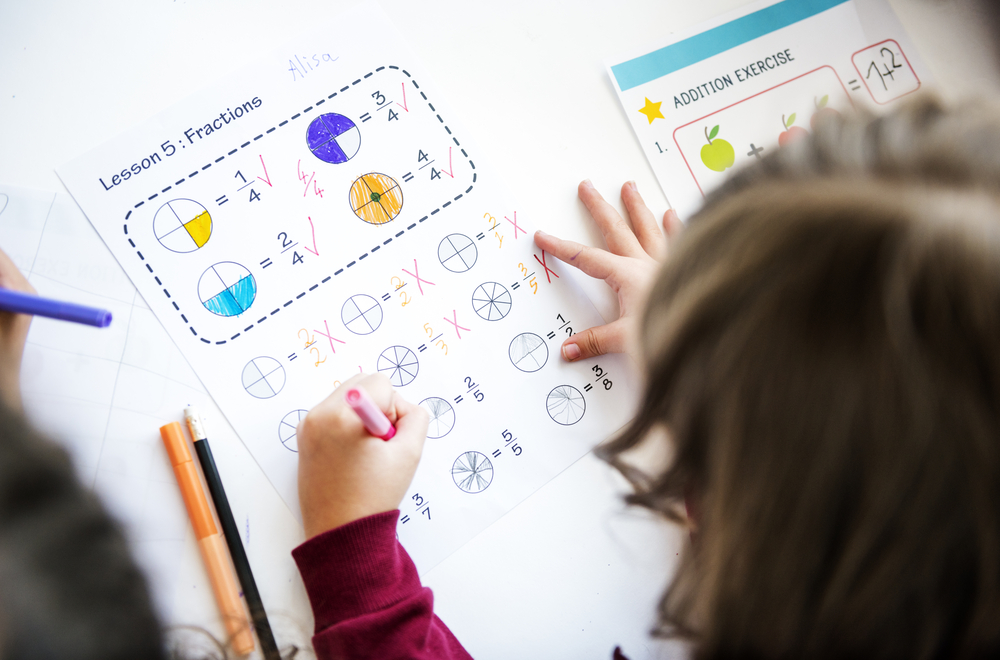

Visual discrimination in math is crucial for children aged 7-9 as it significantly impacts their overall mathematical understanding and proficiency. At this developmental stage, children begin to handle more complex concepts such as addition, subtraction, geometry, and even basic multiplication. Visual discrimination skills help them recognize and interpret different shapes, numbers, and patterns, allowing for a better grasp of these mathematical concepts.
When children can accurately distinguish between similar visual elements—like identifying different geometric shapes or recognizing number configurations—they become more adept at problem-solving. It fosters their ability to notice subtleties, which is essential for progress in mathematics. This skill also enhances their layout perception, crucial for understanding graphs or word problems.
Moreover, nurturing visual discrimination can boost children’s confidence in math, reducing anxiety associated with the subject. Parents and teachers play a vital role in targeting this skill through engaging activities, such as games and puzzles, which not only facilitate learning but also make it enjoyable. As a strong foundation in visual discrimination contributes to higher mathematical achievement, their involvement can set children up for long-term success in academics and beyond. Implementing these practices ensures that students truly thrive in their mathematical journey.








