Color recognition Nursery Rhymes Worksheets for Ages 7-9
7 filtered results
-
From - To
Boost your child's color recognition skills with our engaging Nursery Rhymes Worksheets designed specifically for ages 7-9! These fun and interactive activities combine beloved nursery rhymes with vibrant illustrations, making learning delightful and memorable. Each worksheet encourages children to identify and match colors, enhancing both their cognitive abilities and creativity. These worksheets are perfect for independent study or classroom use, fostering a love for learning through music and art. Parents and educators will appreciate the educational value while kids will enjoy the playful approach to mastering colors. Visit us now to enrich your child's learning journey with our colorful resources!
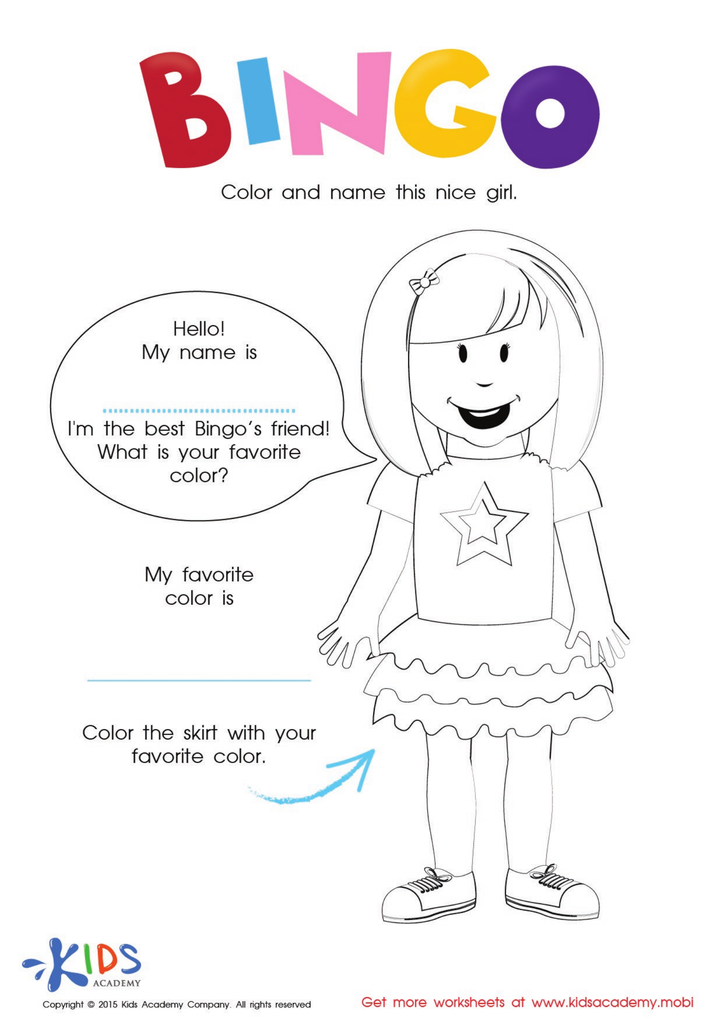
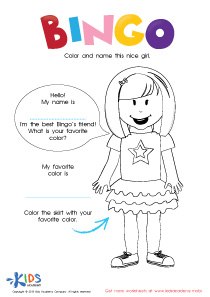
The Bingo Song: Coloring The Girl Worksheet
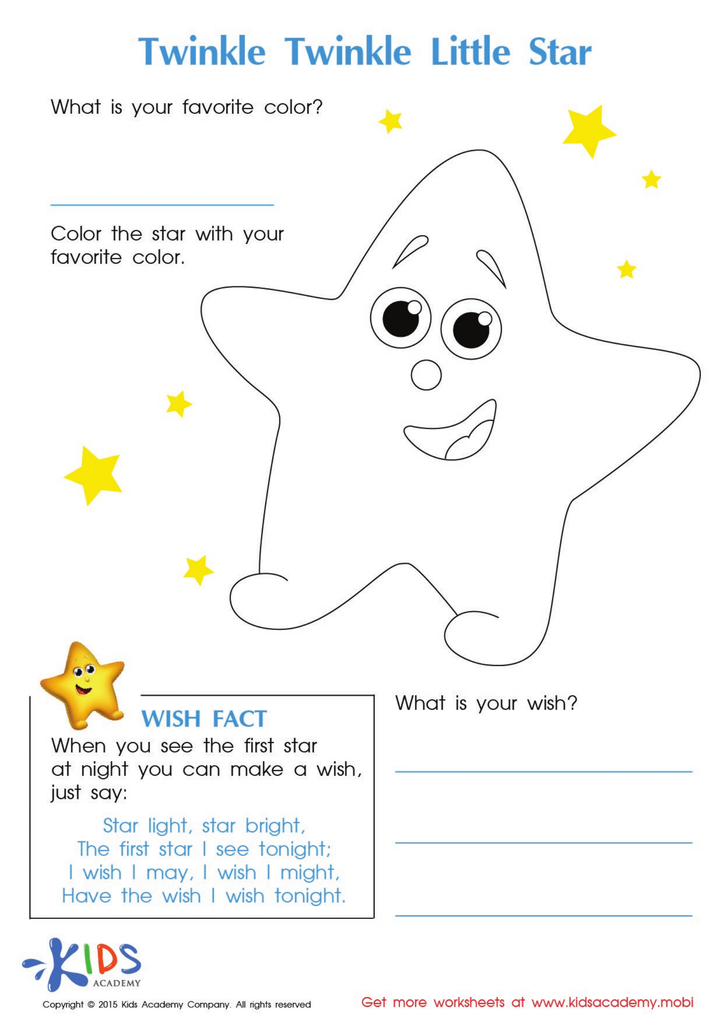
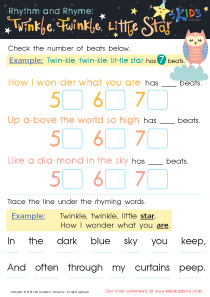
Twinkle Little Star Coloring Worksheet

Twinkle Twinkle Little Star Coloring Page
 Assign to My Students
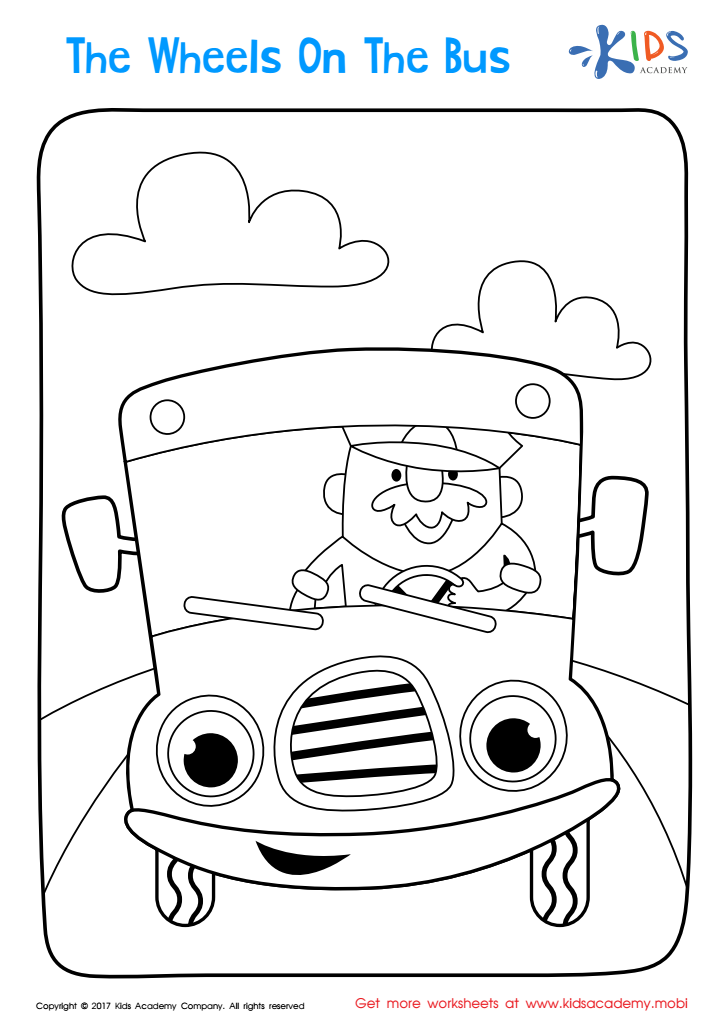
The Wheels on the Bus Coloring Page
Assign to My Students
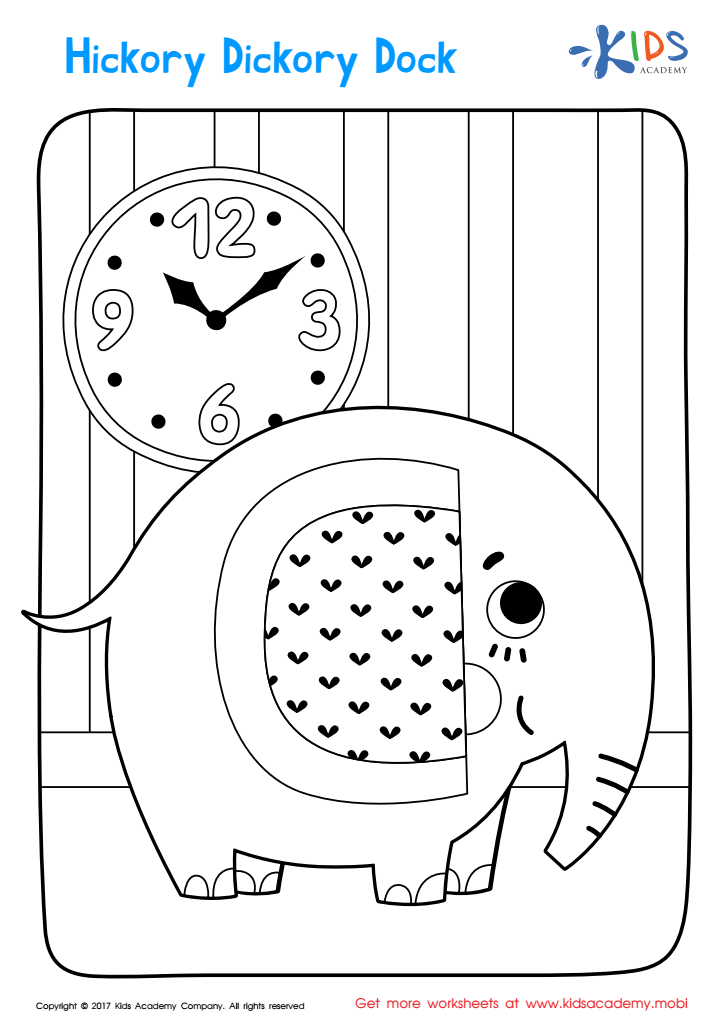
Hickory Dickory Dock Coloring Page
Assign to My Students
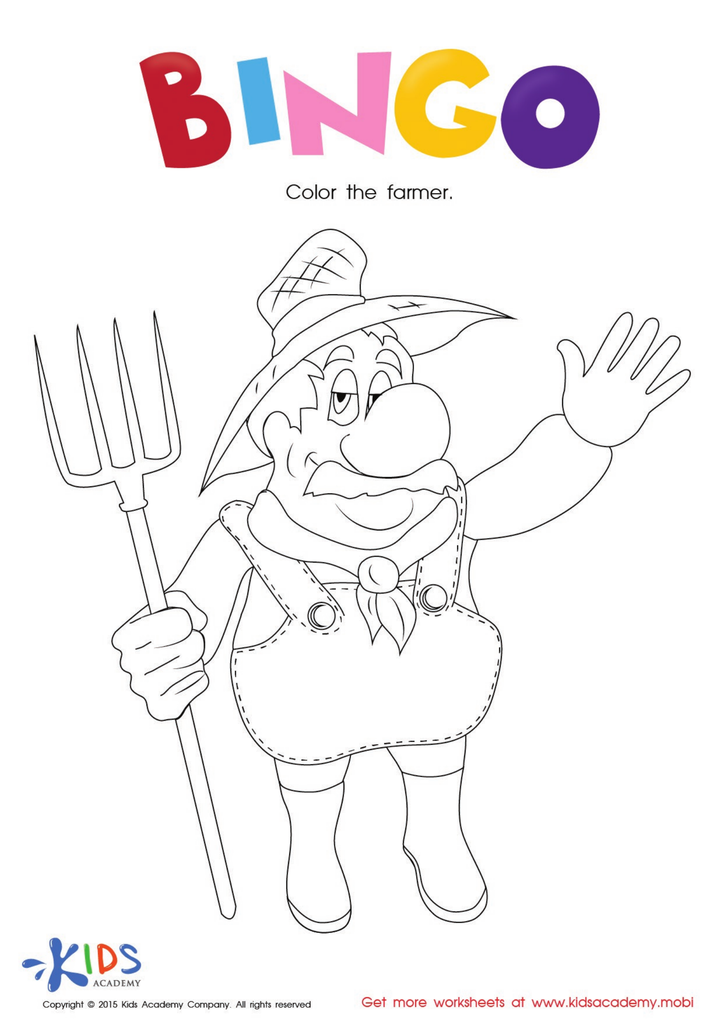
The Bingo Song: Coloring The Farmer Worksheet
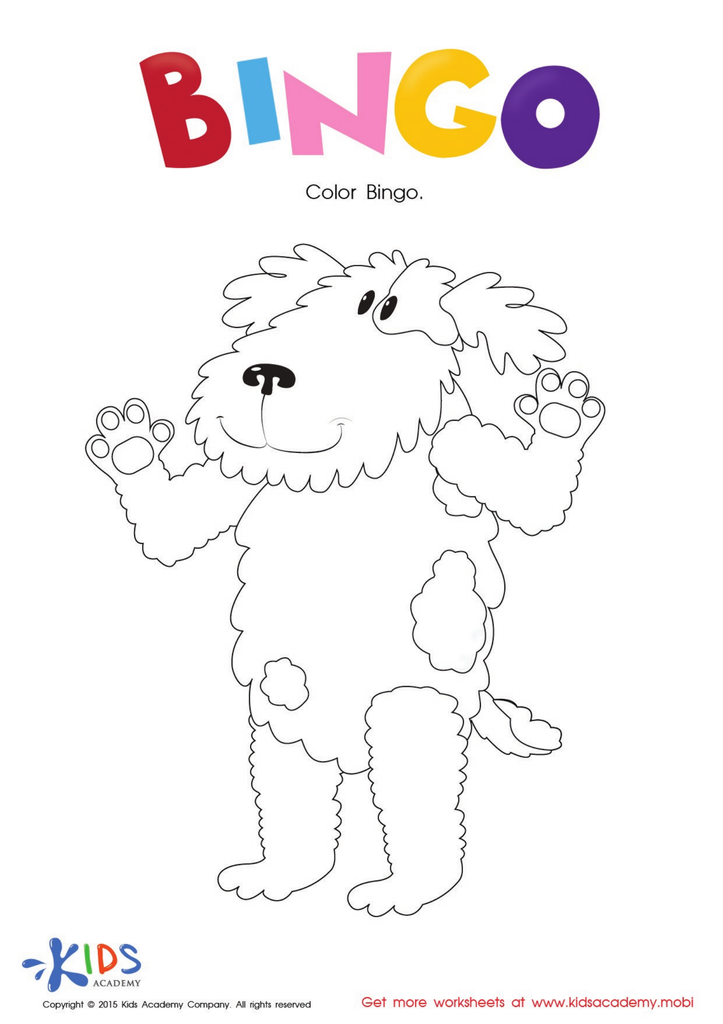
The Bingo Song: Coloring The Dog Worksheet





.jpg)

Color recognition nursery rhymes serve as a fundamental tool in early childhood education, particularly for children aged 7-9. At this developmental stage, children are refining their cognitive skills and expanding their language abilities, making singing and engaging with nursery rhymes an effective way to support learning.
Firstly, nursery rhymes that focus on colors help in vocabulary building. They introduce children to color-related words and concepts, enhancing their descriptive language. Additionally, these rhymes often incorporate repetitive patterns that aid memorization while reinforcing the recognition of colors through fun and engaging context. This musical approach makes learning enjoyable, promoting a positive attitude toward education.
Moreover, students at this age are developing their social and emotional skills. Engaging in group singing and discussions about colors can foster collaboration, as children share ideas and experiences related to color in their world. Teachers and parents should encourage the use of these rhymes because they not only build foundational learning but also strengthen relationships through interactive learning experiences.
In summary, color recognition nursery rhymes are invaluable tools for enhancing language skills, cognitive development, and emotional intelligence in children, making them essential resources for both parents and teachers in their educational journey.