Color Identification Building Vocabulary Worksheets for Ages 7-9
4 filtered results
-
From - To
Enhance your child's vocabulary with our engaging Color Identification Building Vocabulary Worksheets designed specifically for ages 7-9! These interactive activities encourage young learners to explore and recognize colors while developing essential language skills. Each worksheet features vibrant illustrations and fun exercises that promote color recognition and descriptive language. Kids will enjoy connecting colors to various objects and concepts, which not only solidifies their understanding but also sparks creativity and imagination. Perfect for reinforcing classroom learning at home, our worksheets support literacy development in a playful and effective way. Explore the world of colors with us and watch your child thrive!
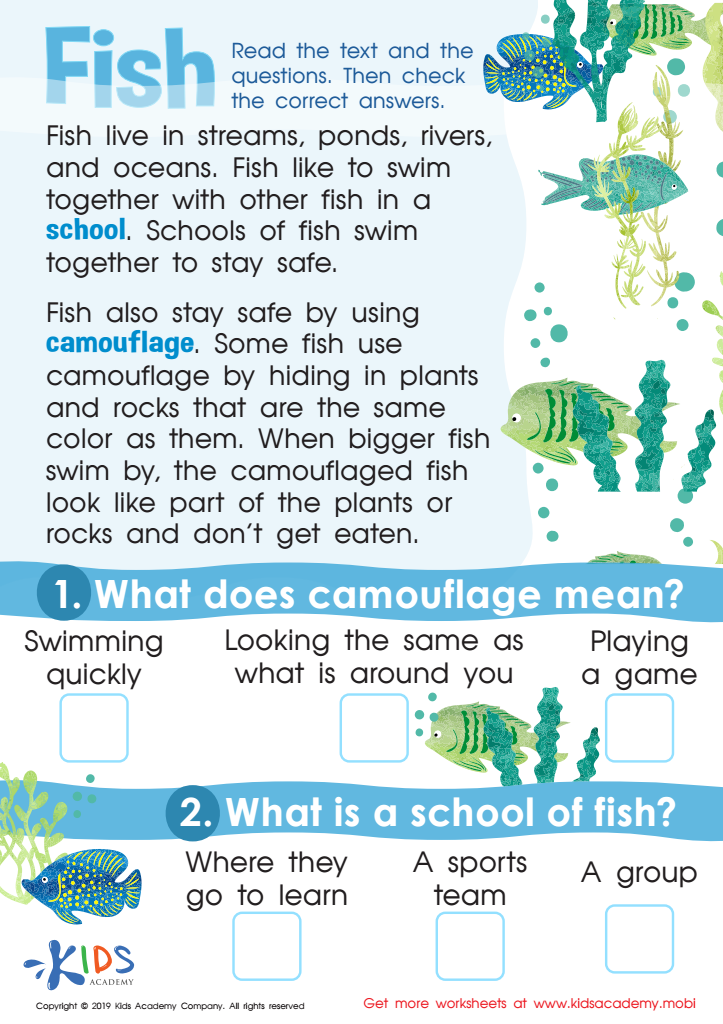
Fish Worksheet
 Assign to My Students











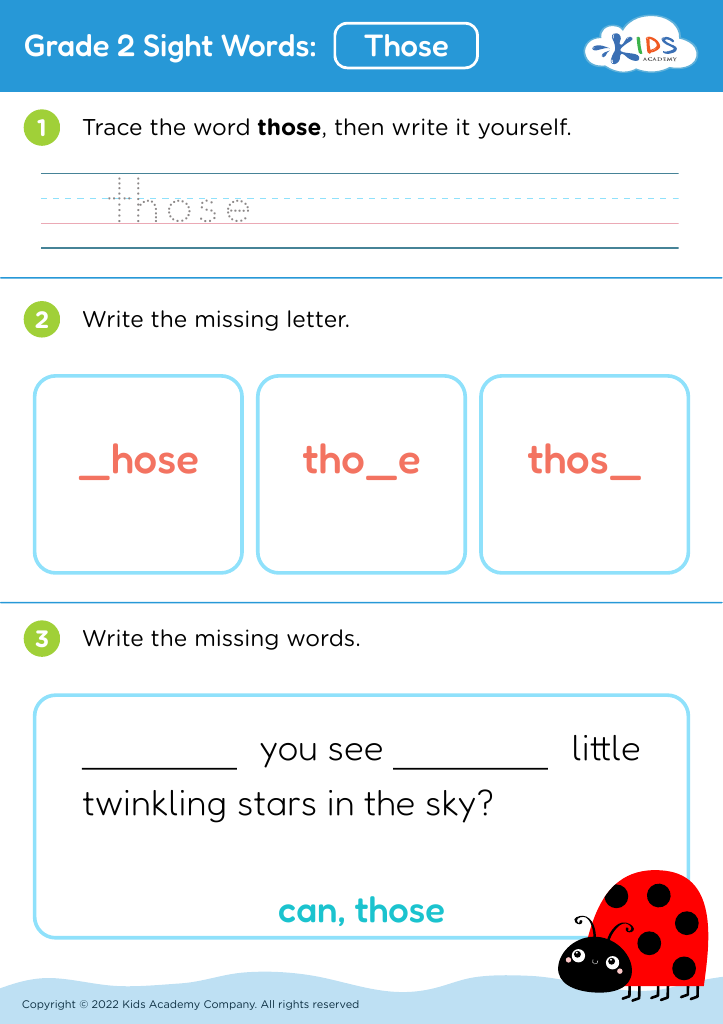
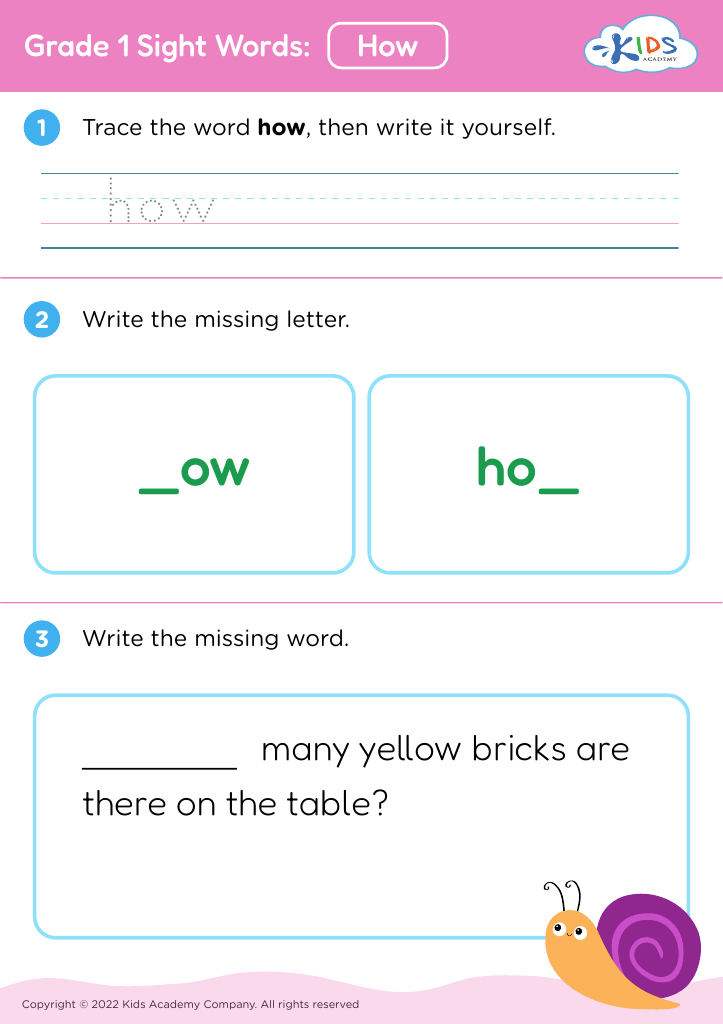
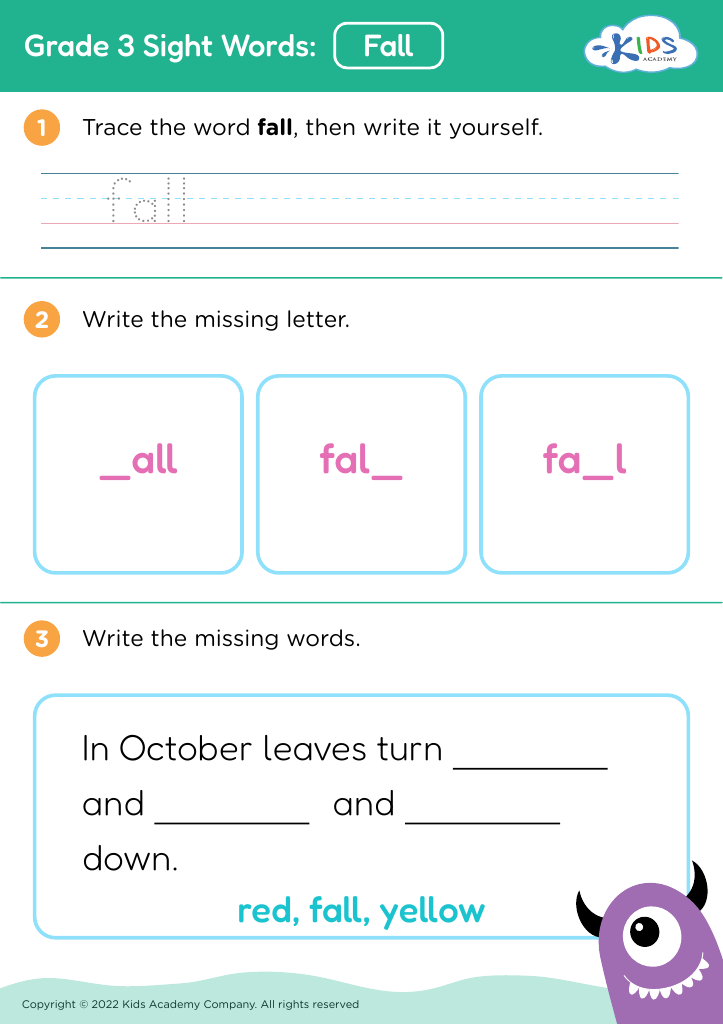








Color identification and building vocabulary are essential developmental components for children aged 7 to 9, making it crucial for parents and teachers to prioritize these skills. At this age, children are refining their cognitive abilities and expanding their language skills, which act as foundational tools for learning across subjects.
Understanding colors allows children to express themselves, describe their surroundings, and engage with art and nature, fostering creativity. When children learn to identify and name colors, they develop observation skills and attention to detail, aiding them in other areas, such as science, where categorization and identification are vital.
Building vocabulary related to colors enhances communication skills. An expansive vocabulary enables children to articulate thoughts and feelings more clearly. When they learn terms like "cerulean" or "crimson," they also begin to understand nuanced descriptions, aiding in reading comprehension and writing proficiency. Enhanced vocabulary fosters confidence in academic settings, making them feel more competent in their interactions.
Furthermore, effective color identification and vocabulary skills pave the way for better collaboration and social interactions, as children learn to share their ideas and express opinions. Both parents and teachers play a pivotal role in nurturing these skills, ensuring children grow into articulate and perceptive individuals.








