Handwriting practice Building Vocabulary Worksheets for Ages 7-9
4 filtered results
-
From - To
Unlock your child's writing potential with our Handwriting Practice Building Vocabulary Worksheets, specially designed for ages 7-9! These engaging worksheets help young learners improve their handwriting skills while simultaneously enhancing their vocabulary. Each activity is tailored to reinforce word recognition and spelling through fun exercises, ensuring a comprehensive learning experience. Perfect for classroom use or at-home practice, these worksheets encourage creativity and confidence in writing. Explore a variety of activities that make handwriting practice enjoyable while empowering your child to become a better communicator. Start fostering essential literacy skills today and watch your child's vocabulary flourish!
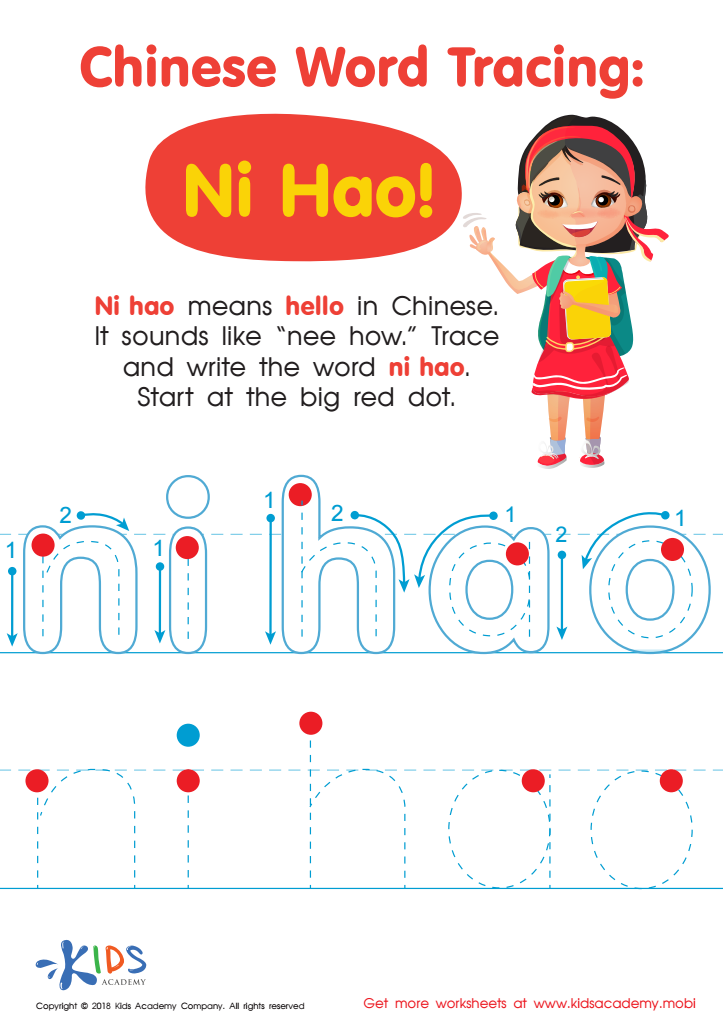
Chinese Word Tracing: Ni Hao Worksheet
 Assign to My Students











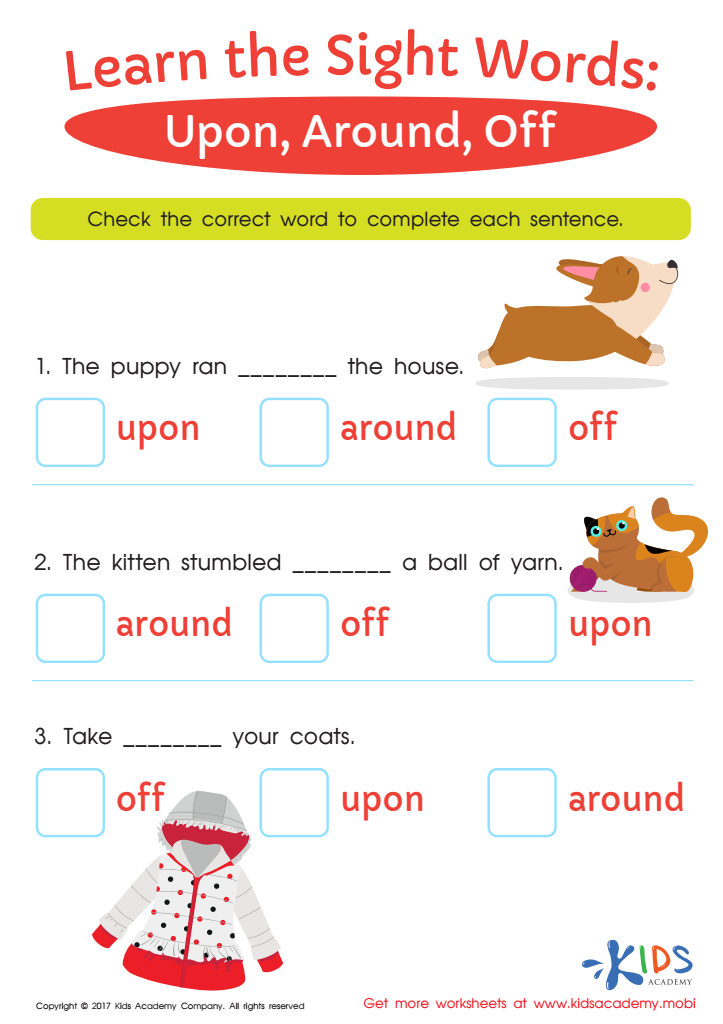
Upon, Around, Off Sight Words Worksheet
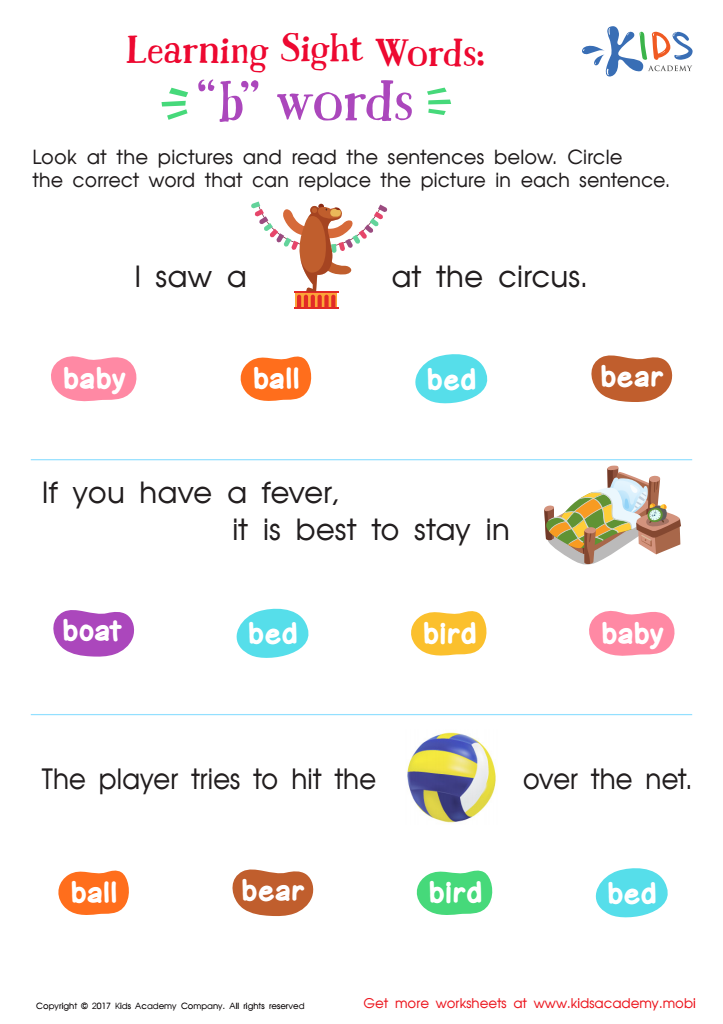
"B" Words Printable Sight Words Worksheet
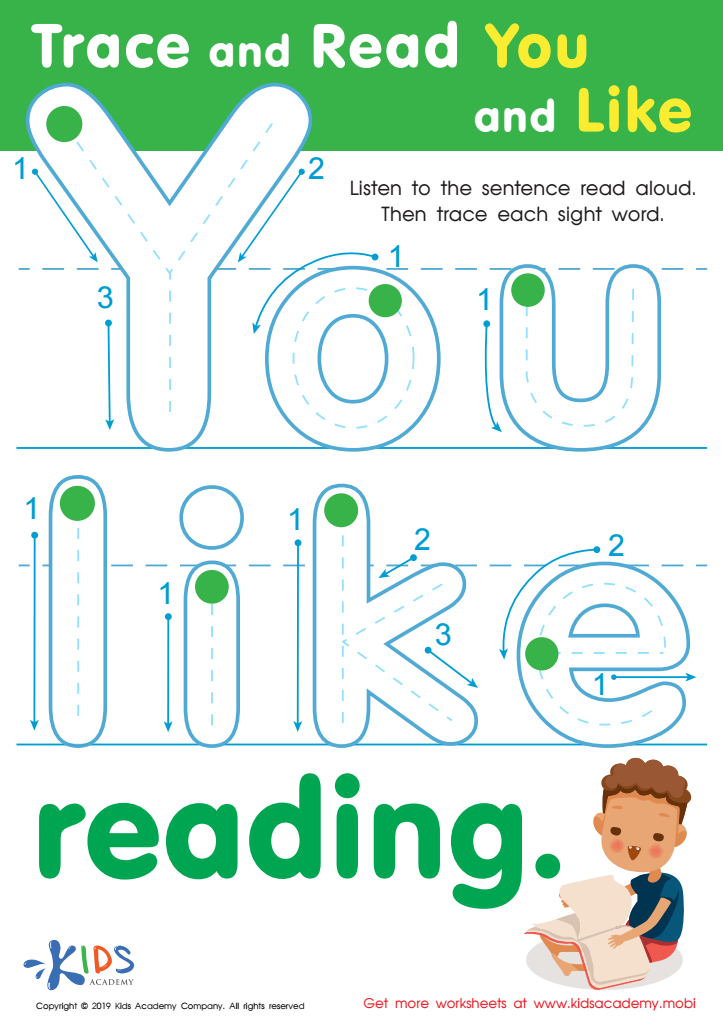
Trace Read You Like Worksheet








Handwriting practice and vocabulary building are crucial skills for children aged 7-9, as they play a significant role in their overall literacy development. At this stage, children are transitioning from learning to read to reading to learn, making these skills essential for their academic success.
First, handwriting practice enhances fine motor skills, which are vital for effective writing. Improved handwriting not only boosts a child's confidence but also ensures that their ideas are communicated clearly and efficiently. Legible handwriting can positively influence how peers and educators perceive their work, fostering a love for writing.
Building vocabulary, on the other hand, enriches a child’s language skills and comprehension abilities. A robust vocabulary allows children to express their thoughts more precisely, improving their reading and writing capabilities. This stage lays the groundwork for advanced language skills, as children can better grasp complex texts in higher grades when they have a rich vocabulary.
Moreover, integrating handwriting practice with vocabulary exercises can reinforce learning through multisensory engagement. Thus, both handwriting practice and vocabulary building are vital for fostering strong communication skills, promoting academic achievement, and preparing children for future educational endeavors. Their importance should not be underestimated by parents and educators alike.








