Phonics recognition Building Vocabulary Worksheets for Ages 7-9
5 filtered results
-
From - To
Welcome to our Phonics Recognition Building Vocabulary Worksheets for ages 7-9! These engaging worksheets are designed to enhance your child's reading skills by focusing on phonics recognition and vocabulary development. Each activity encourages students to decode words, recognize sounds, and build a rich vocabulary through fun, interactive exercises. Perfect for homeschool or classroom use, these printables are aligned with educational standards to support young learners' literacy journey. Help your child gain confidence in reading while enjoying the process! Explore our vibrant and stimulating worksheets today, and watch your child thrive in their reading abilities. Unlock the world of words with us!
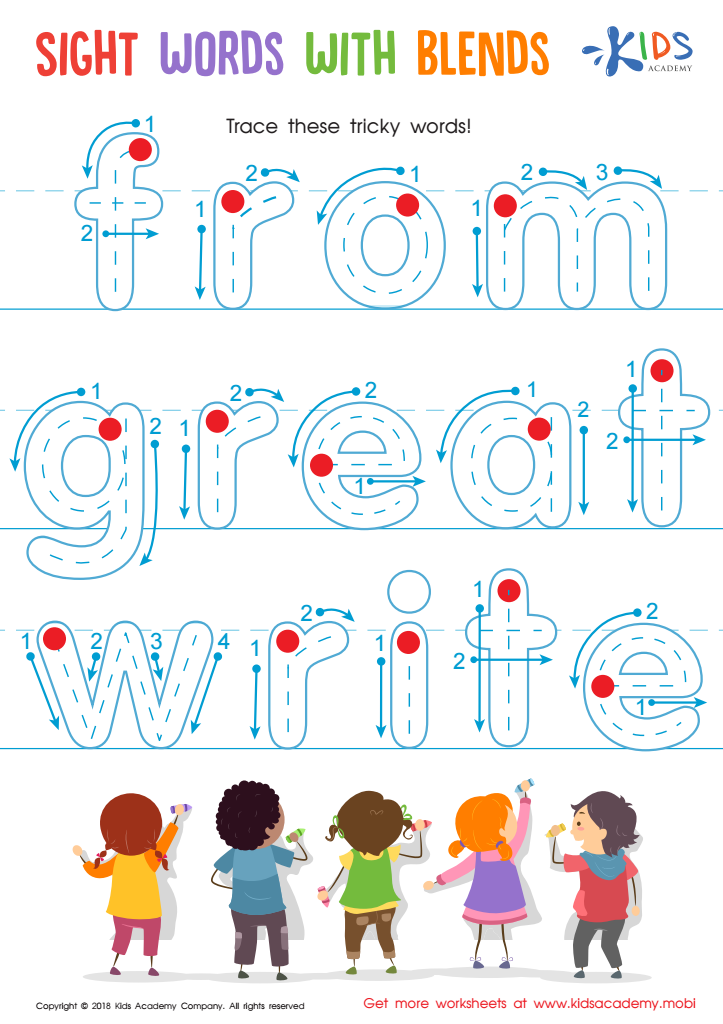
Sight Words with Blends Worksheet
 Assign to My Students











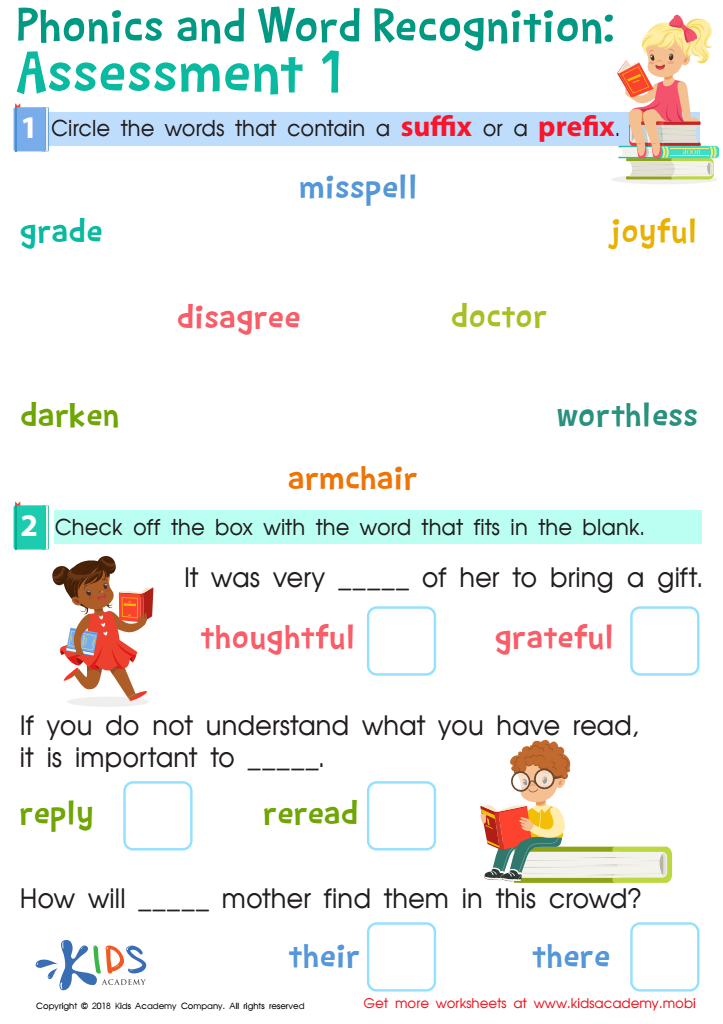
Phonics and Word Recognition: Assessment 1 Worksheet
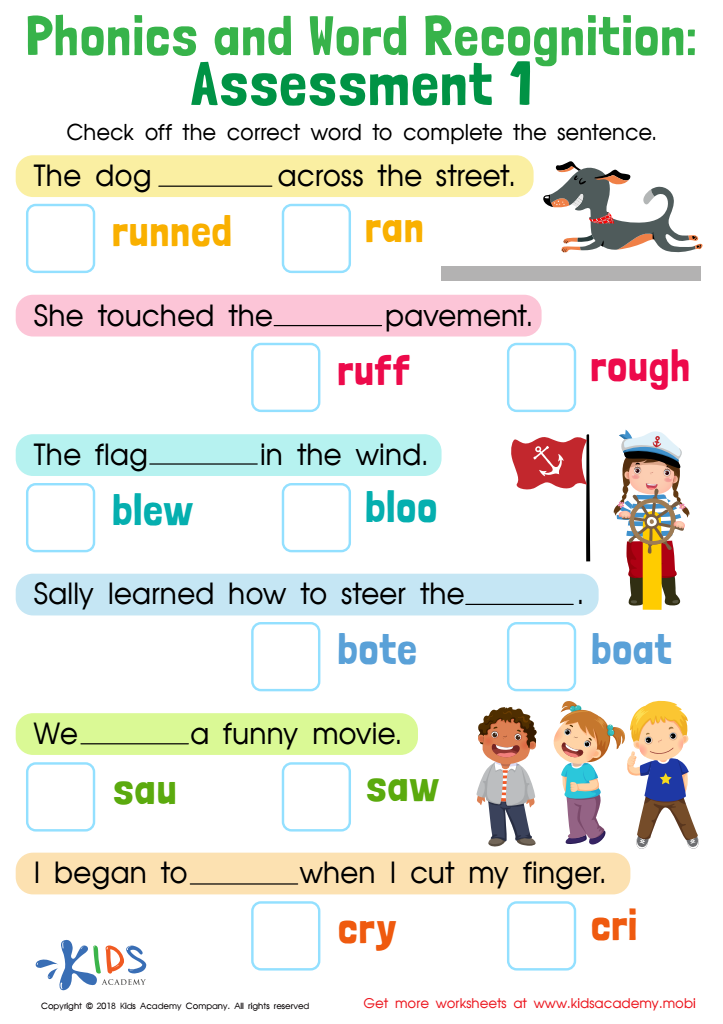
Phonics and Word Recognition: Assessment 1 Worksheet
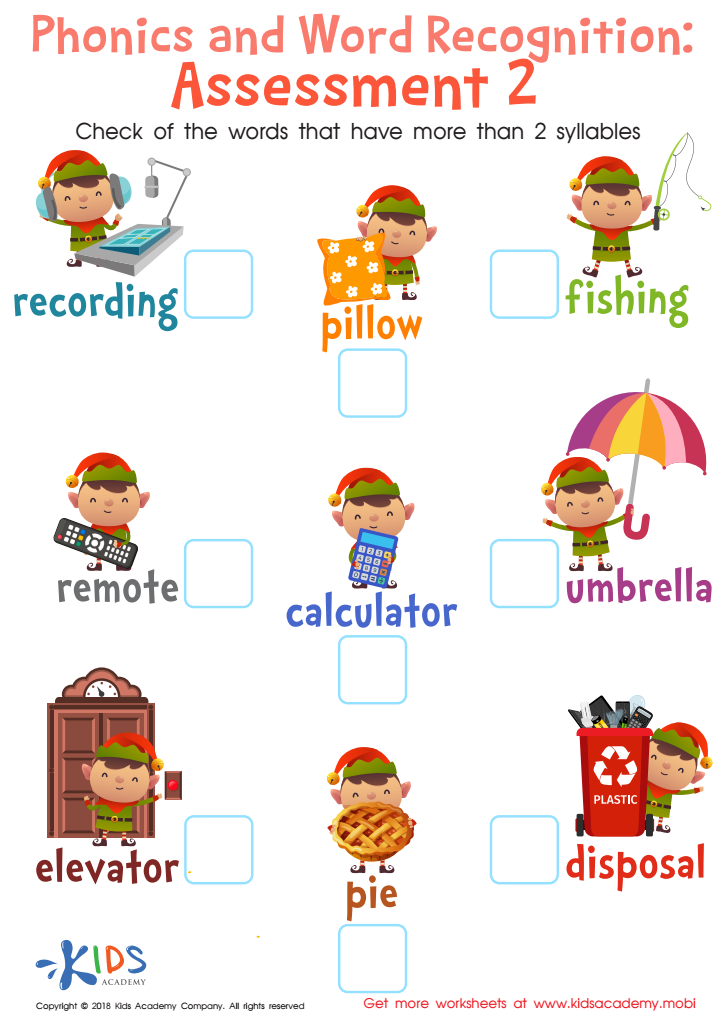
Phonics and Word Recognition: Assessment 2 Worksheet
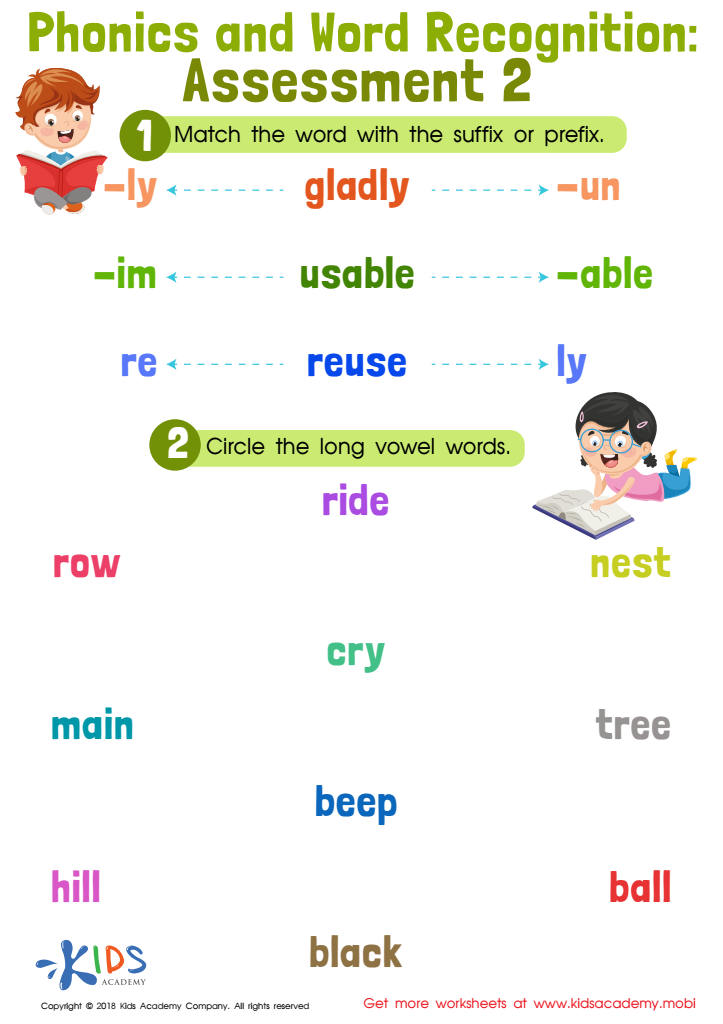
Phonics and Word Recognition: Assessment 2



.jpg)




Phonics recognition and vocabulary building are crucial for children ages 7-9 as they lay the groundwork for literacy development and overall academic success. At this stage, children are transitioning from learning to read to reading to learn, making robust phonics skills imperative. Phonics helps them decode new words, enhancing their reading fluency. When children can recognize sounds and blends associated with letters, they gain confidence, leading to a more positive attitude towards reading.
Vocabulary development is equally significant, as a rich vocabulary is directly linked to comprehension. Children in this age group encounter more complex texts, and possessing a well-developed vocabulary allows them to grasp deeper meanings and engage with various subjects more effectively. Parents and teachers play a pivotal role in fostering this growth by providing supportive reading environments, introducing new words through stimulating conversations, and encouraging exploration of different literature.
Furthermore, strong phonics and vocabulary skills contribute to future academic performance. A well-rounded literacy foundation equips children with critical thinking and problem-solving abilities, essential for their success in school and beyond. Investing time and resources into phonics and vocabulary education during these formative years ultimately nurtures lifelong readers and learners.








