Basic Math Skills Reading Worksheets for Ages 7-9
11 filtered results
-
From - To
Enhance your child's mathematical journey with our Basic Math Skills Reading Worksheets designed for ages 7-9. These engaging and educational worksheets provide a solid foundation in essential math concepts, promoting both numerical proficiency and reading comprehension. Each worksheet is carefully crafted to keep young learners entertained while they strengthen key skills such as addition, subtraction, multiplication, and division. Tailored to bolster confidence and academic growth, our printables make math enjoyable and accessible. Empower your young mathematicians today with materials that encourage exploration, understanding, and a love for numbers. Start now with Kids Academy to inspire lifelong learning.
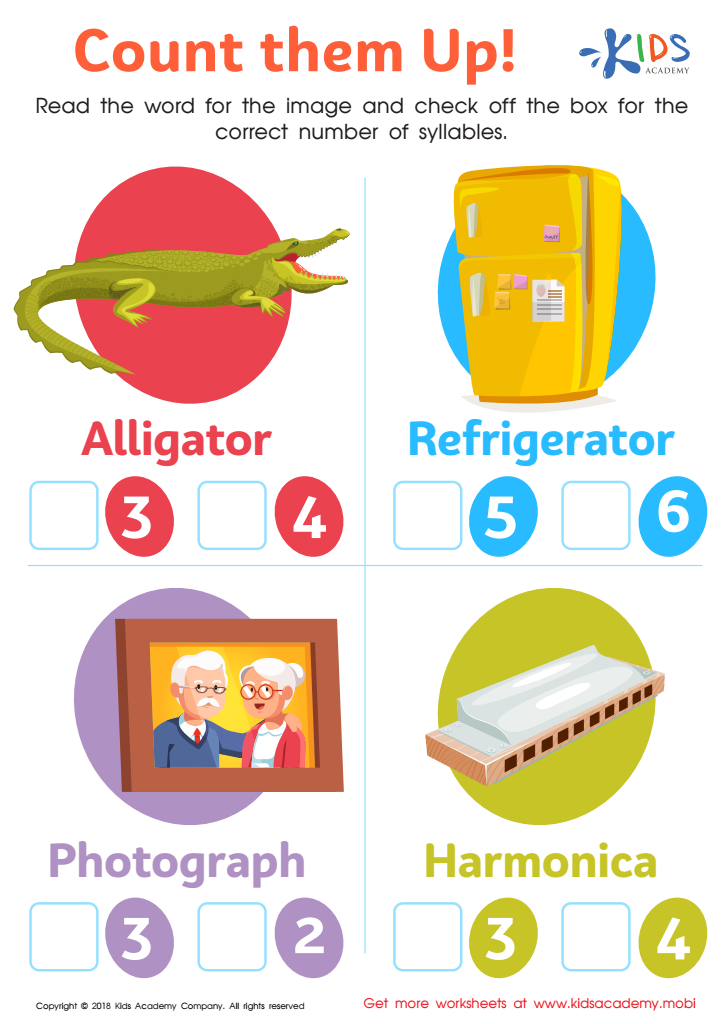
Count Them Up Worksheet
 Assign to My Students
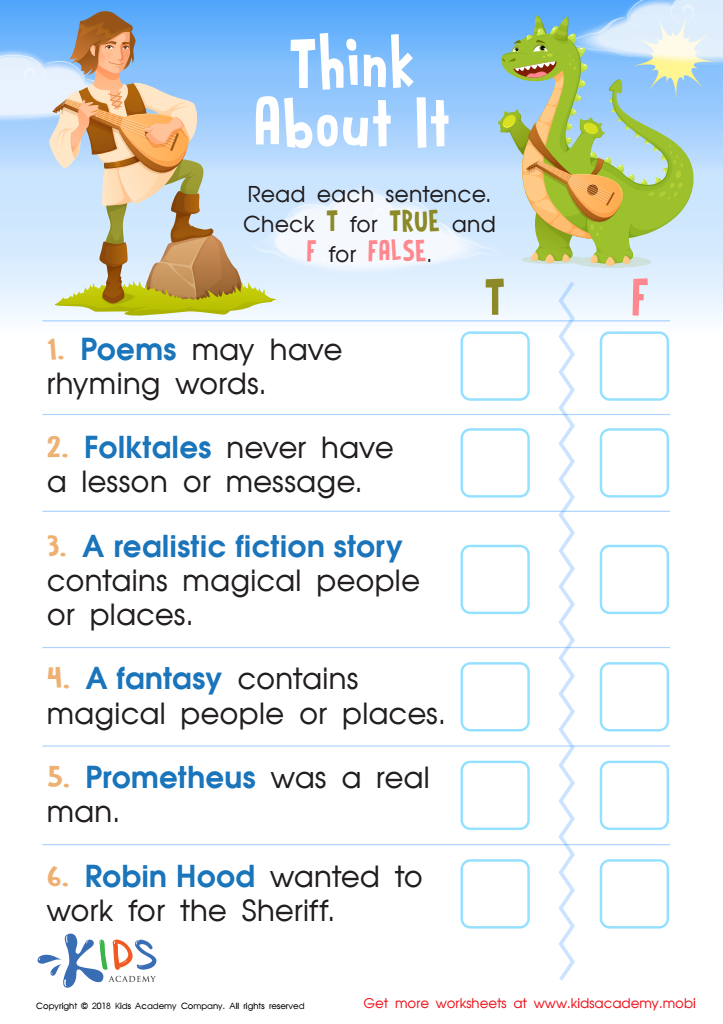
Think About It: Assessment Worksheet
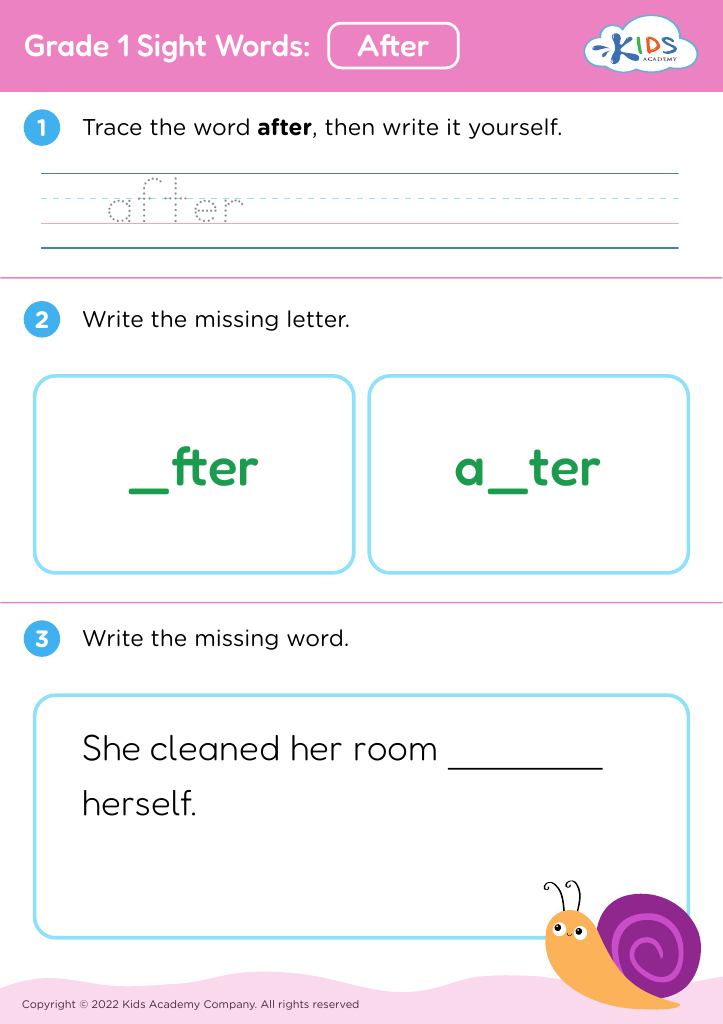
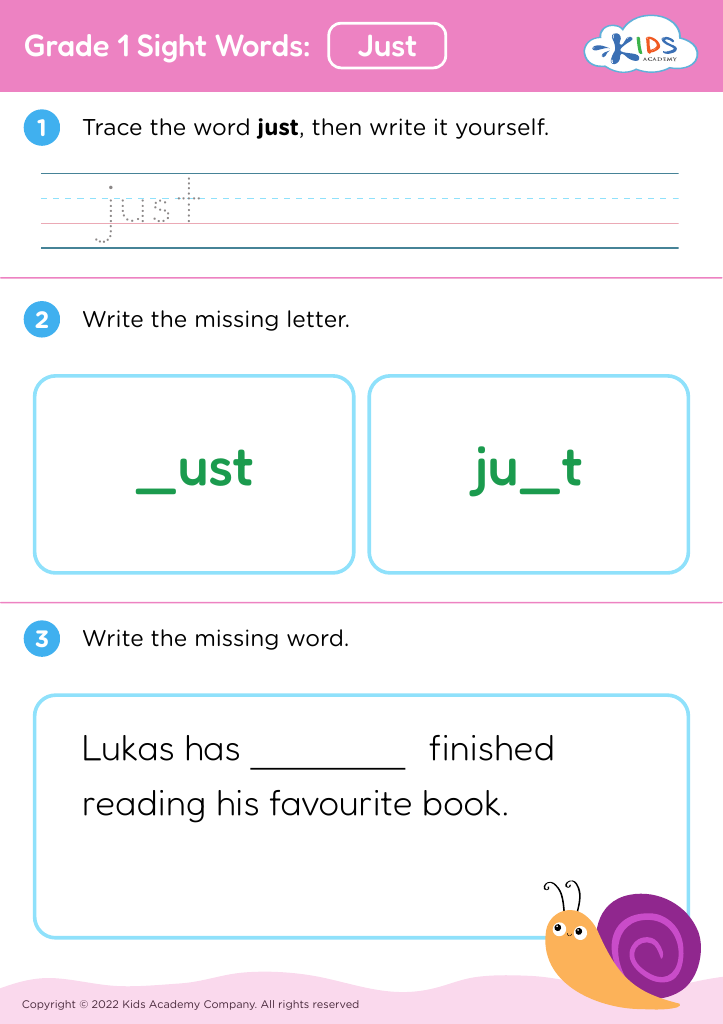







Ensuring basic math skills for children aged 7-9 is crucial to their overall academic development and future success. At this formative stage, children are poised to build foundational skills that will support more complex learning in the future. Mastering basic math not only boosts their confidence in handling numbers but also establishes critical problem-solving and logical thinking abilities that are transferable to other subjects, such as science and technology.
Reading fluency and comprehension also intertwine with math learning. When children understand the language in math problems, they are more apt to grasp the concepts being taught. Effective numerical education helps pupils read and interpret word problems accurately, and apply mathematical operations correctly. This dual proficiency makes it easier for children to cope with increasingly sophisticated math problems and concepts later on.
Moreover, early competence in math opens up more educational and career opportunities in a world where STEM (Science, Technology, Engineering, and Mathematics) fields are increasingly vital. It reduces the math anxiety that children often carry into higher grades, fostering a positive attitude towards learning.
Thus, parents and teachers must prioritize basic math skills at this critical stage. It equips children not only with essential arithmetic abilities but also with life skills pivotal for their long-term intellectual growth and success.








