Analytical thinking Reading Comprehension Worksheets for Ages 7-9
7 filtered results
-
From - To
Unlock your child's potential with our Analytical Thinking Reading Comprehension Worksheets designed for ages 7-9. These engaging and interactive worksheets focus on enhancing critical thinking skills while promoting deeper understanding of texts. Each worksheet presents age-appropriate stories followed by thought-provoking questions that encourage young learners to analyze, interpret, and evaluate information. Students will develop essential analytical skills, fostering a love for reading and comprehension. Perfect for classroom use or at-home learning, these resources help prepare kids for future academic challenges. Download our worksheets today and watch your child's reading and analytical skills flourish! Ideal for educators and parents alike.
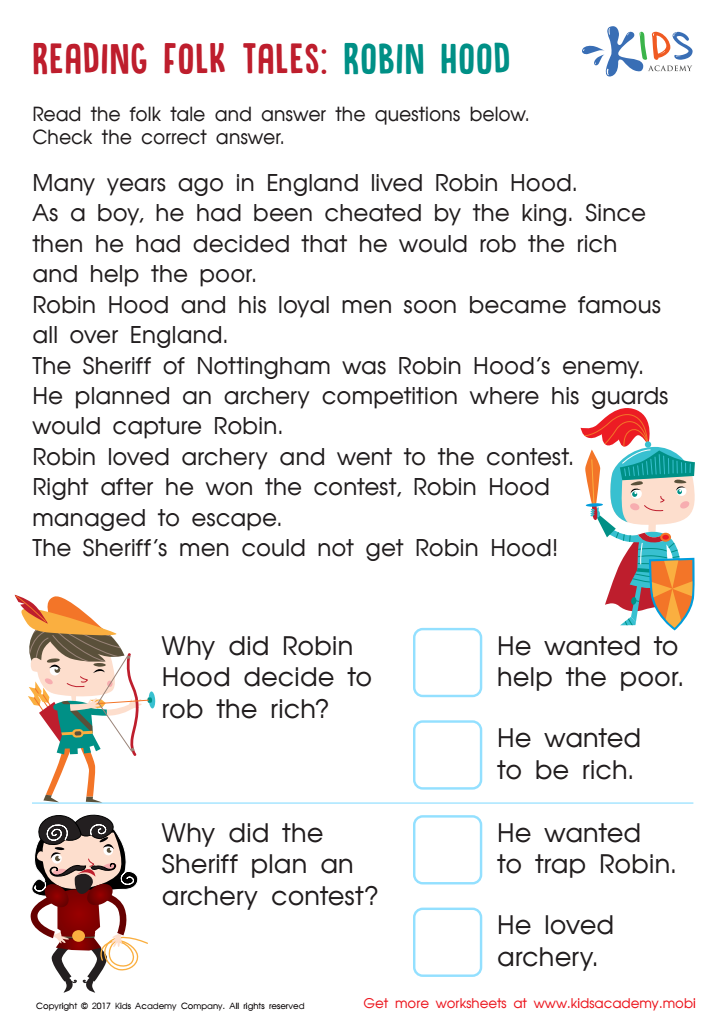
Robin Hood Folktale Worksheet
 Assign to My Students
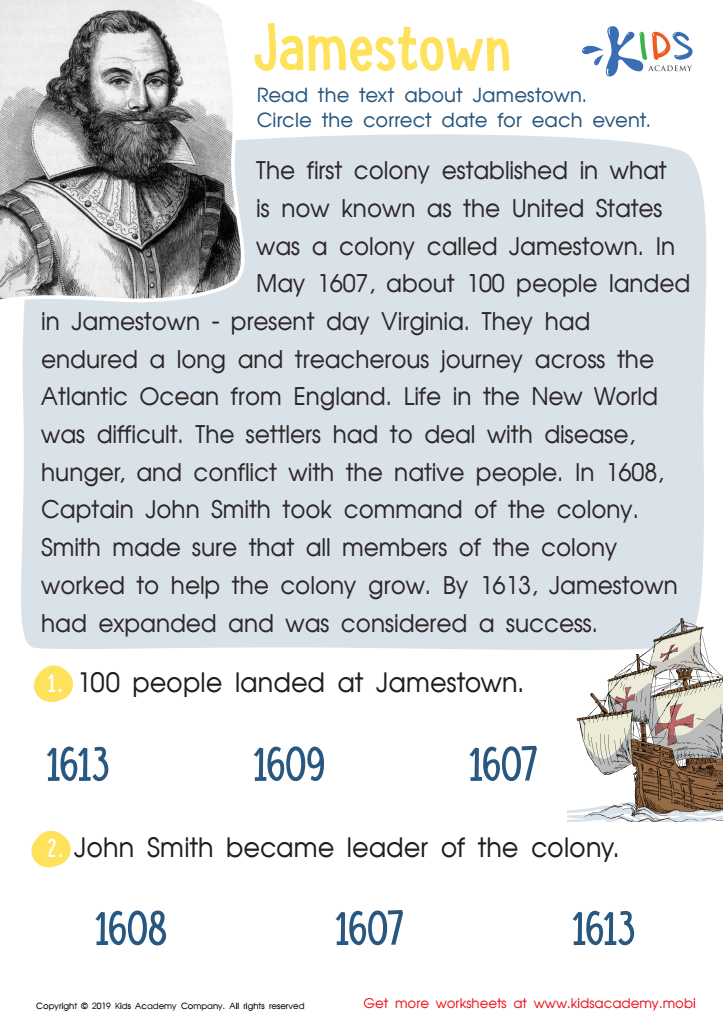
Jamestown Worksheet
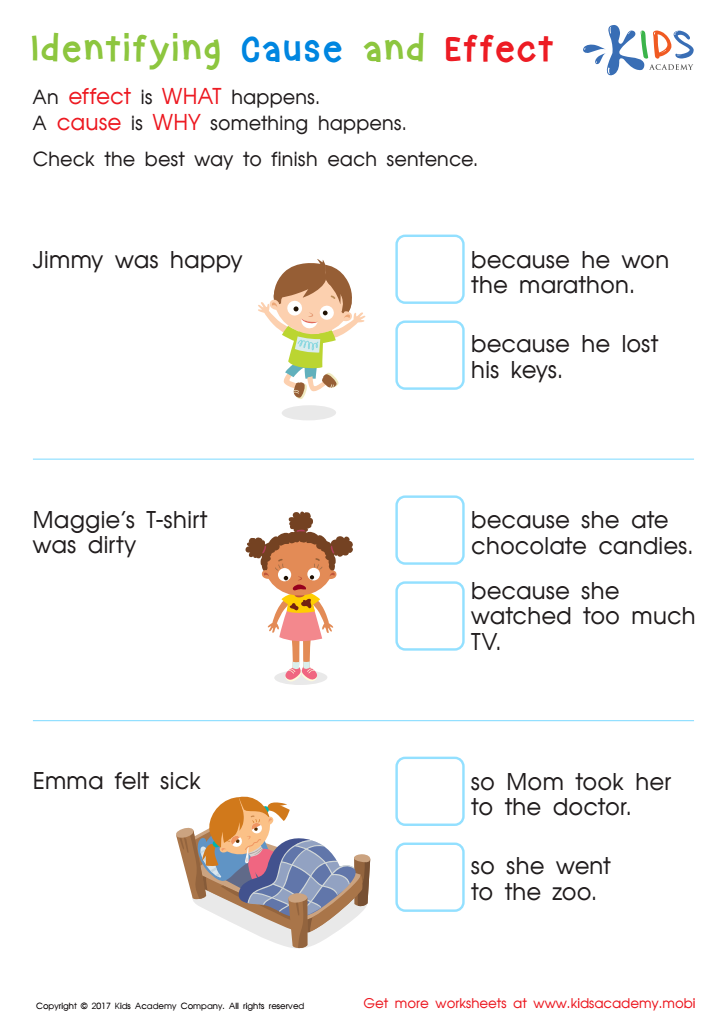
Indentifying Cause and Effect Worksheet
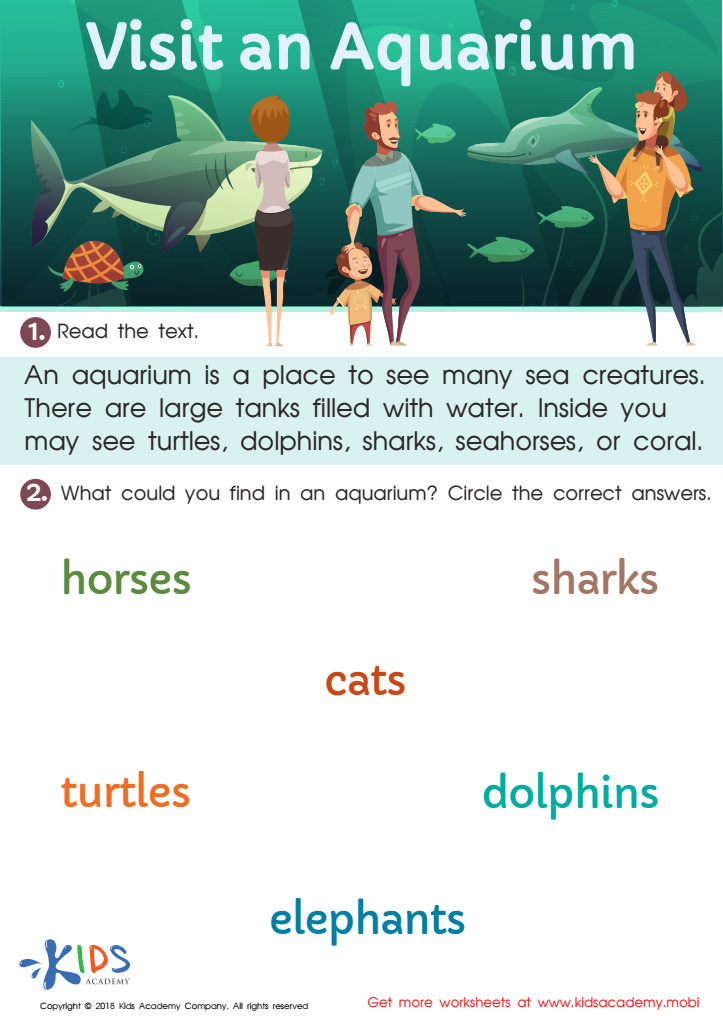
Visit an Aquarium Worksheet
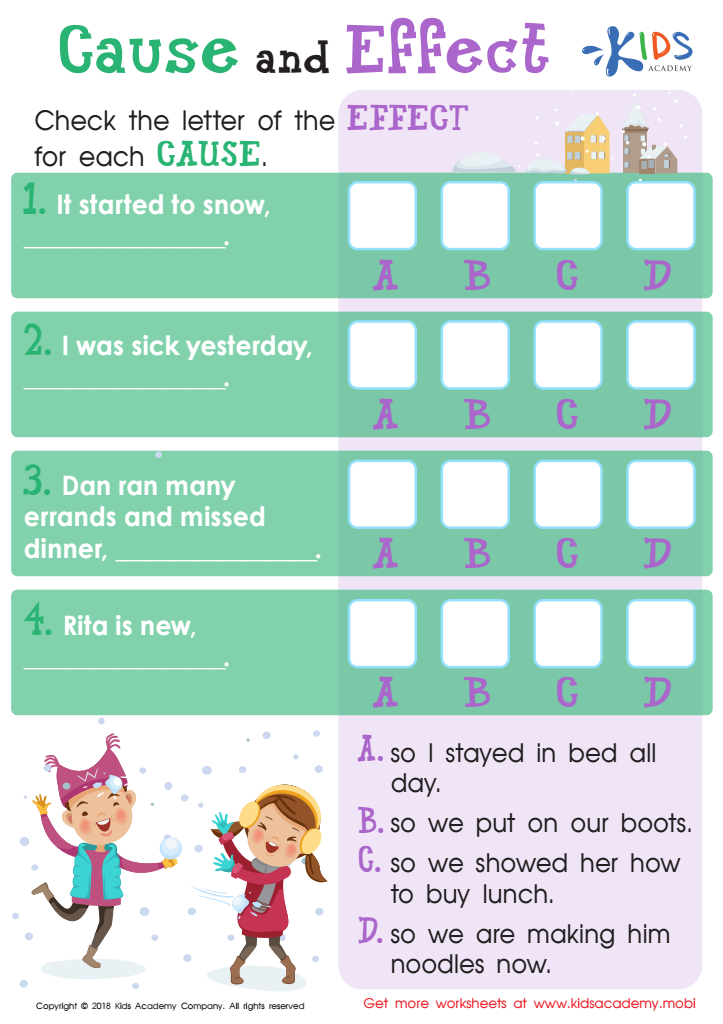
Cause and Effect Worksheet
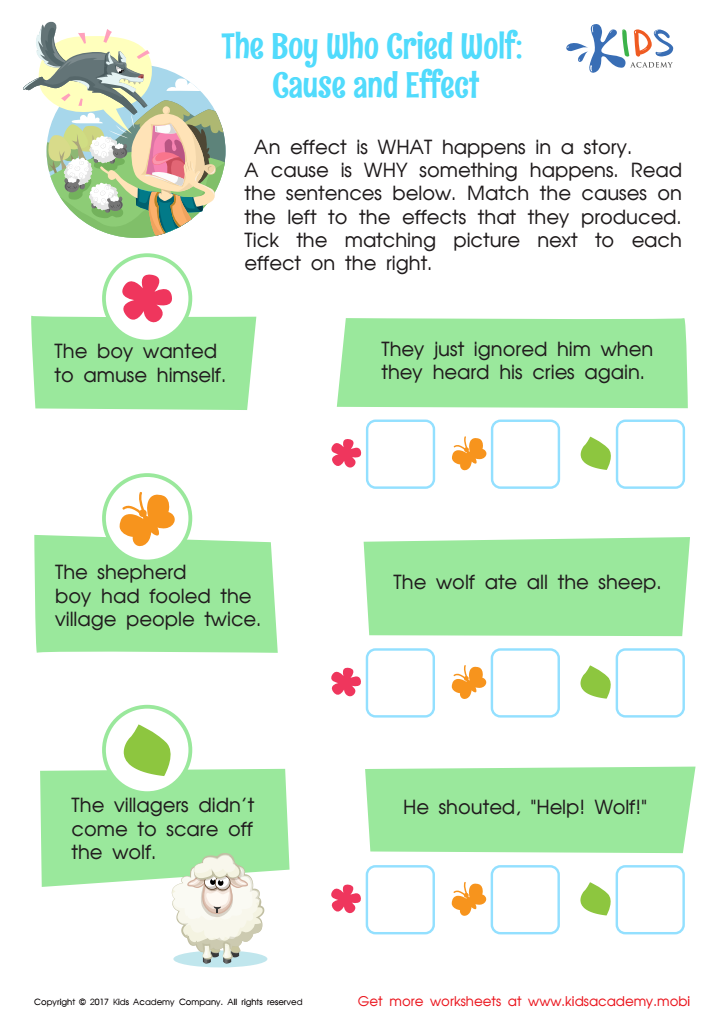
The Boy Who Cried Wolf: Cause and Effect Worksheet
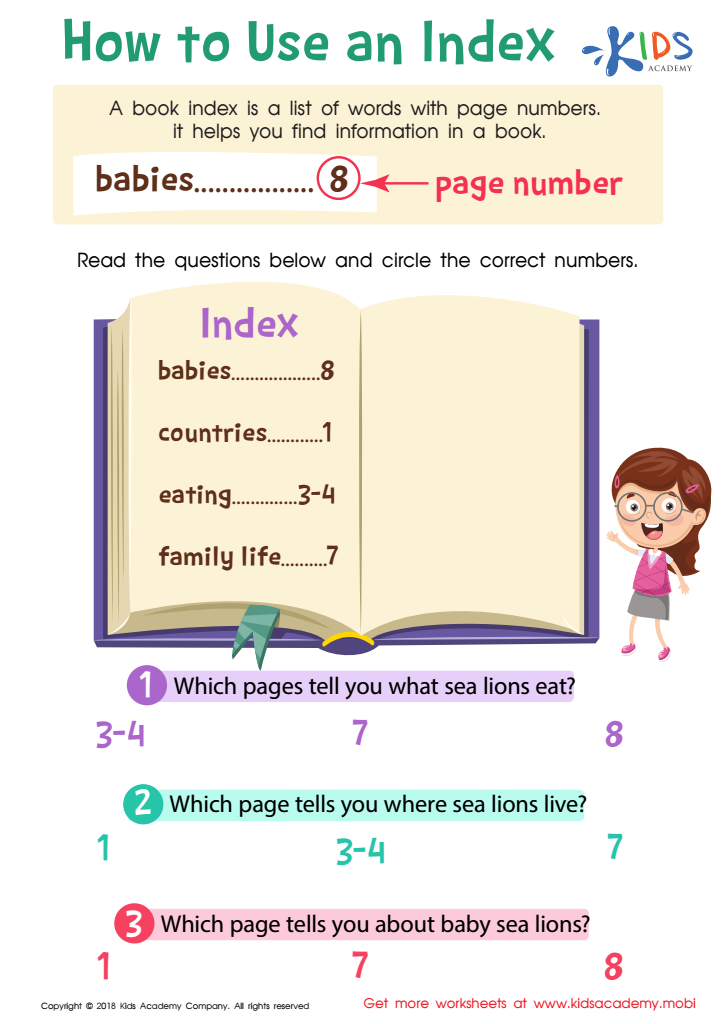
How Use Index Worksheet





.jpg)


Parents and teachers should prioritize analytical thinking and reading comprehension for ages 7-9, as these skills are foundational for children's academic and personal growth. During this developmental stage, children are transitioning from learning to read into reading to learn. Analytical thinking fosters critical reasoning abilities, enabling children to evaluate information, draw conclusions, and solve problems effectively. This helps them become active learners rather than passive recipients of knowledge.
Reading comprehension, on the other hand, is crucial for understanding and interpreting texts across subjects. It equips children with the ability to grasp main ideas, make inferences, and connect concepts, which is essential for success in school and later life. Together, these skills enhance their vocabulary, build confidence, and encourage a love of reading, laying the groundwork for lifelong learning.
Furthermore, strong analytical skills promote creativity and innovation by encouraging children to think outside the box and approach challenges from different angles. In today's fast-paced, information-rich world, equipping young learners with these abilities ensures they can navigate complexities and communicate effectively. By fostering analytical thinking and reading comprehension in early education, parents and teachers set children on a path toward academic achievement and informed citizenship.








