Sequencing Skills Reading Comprehension Worksheets for Ages 7-9
5 filtered results
-
From - To
Enhance your child's reading comprehension with our Sequencing Skills Worksheets designed for ages 7-9! These engaging printable activities help young learners grasp the vital skill of sequencing events, a crucial aspect of understanding narratives. With a variety of exercises, children will practice identifying the order of events in stories, enhancing their analytical thinking and recall abilities. Our worksheets also promote critical thinking as they encourage kids to retell stories in the correct sequence. Ideal for parents and educators, these resources make reading fun and educational. Foster a love for reading while developing essential comprehension skills today!
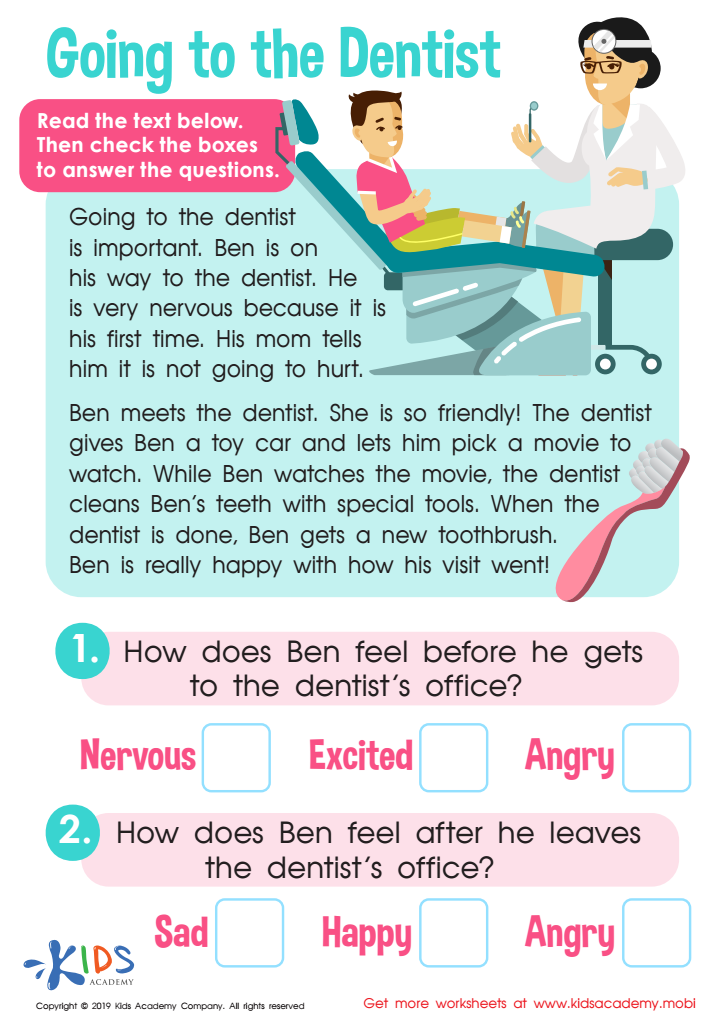
Going to the Dentist Worksheet
 Assign to My Students
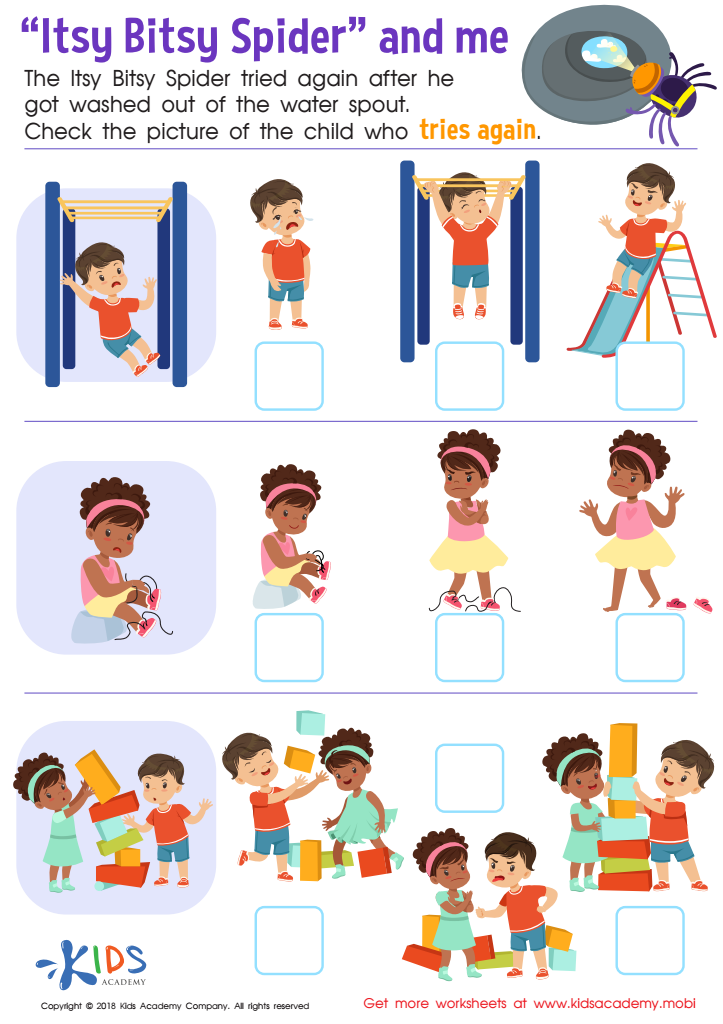
Itsy Bitsy Spider and Me Worksheet
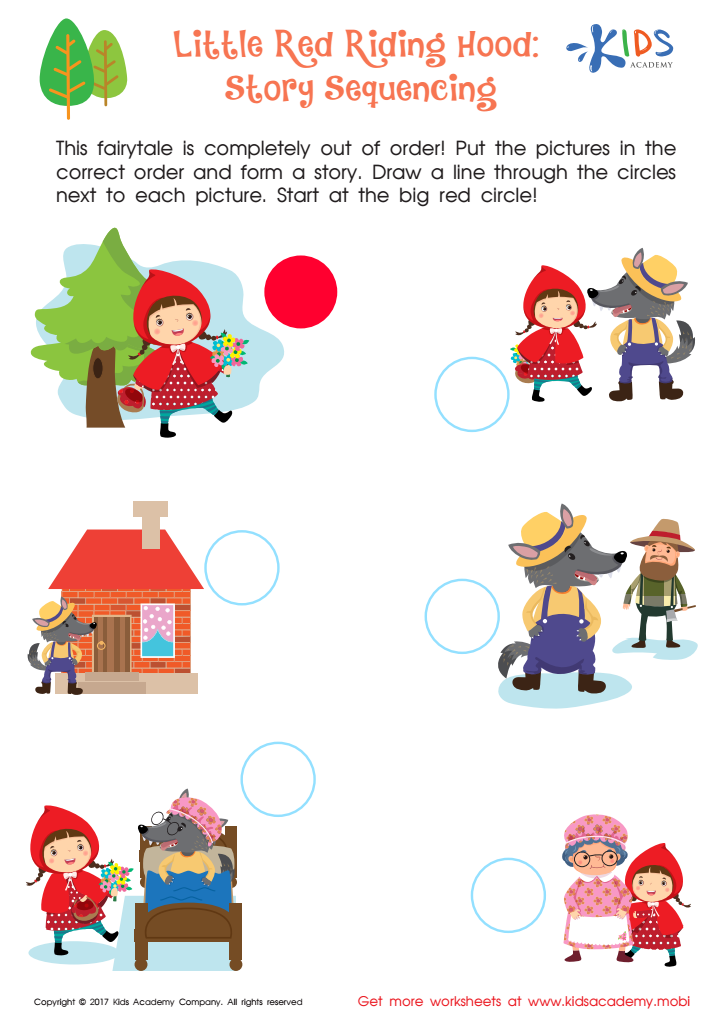
Story Sequencing Printable
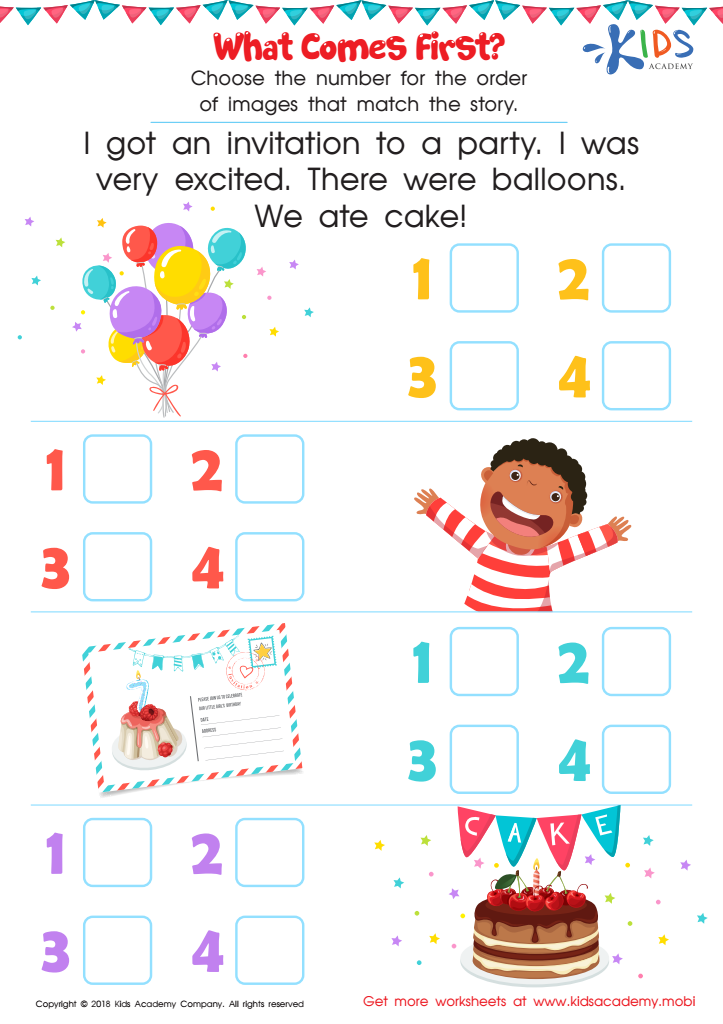
What Comes First Worksheet
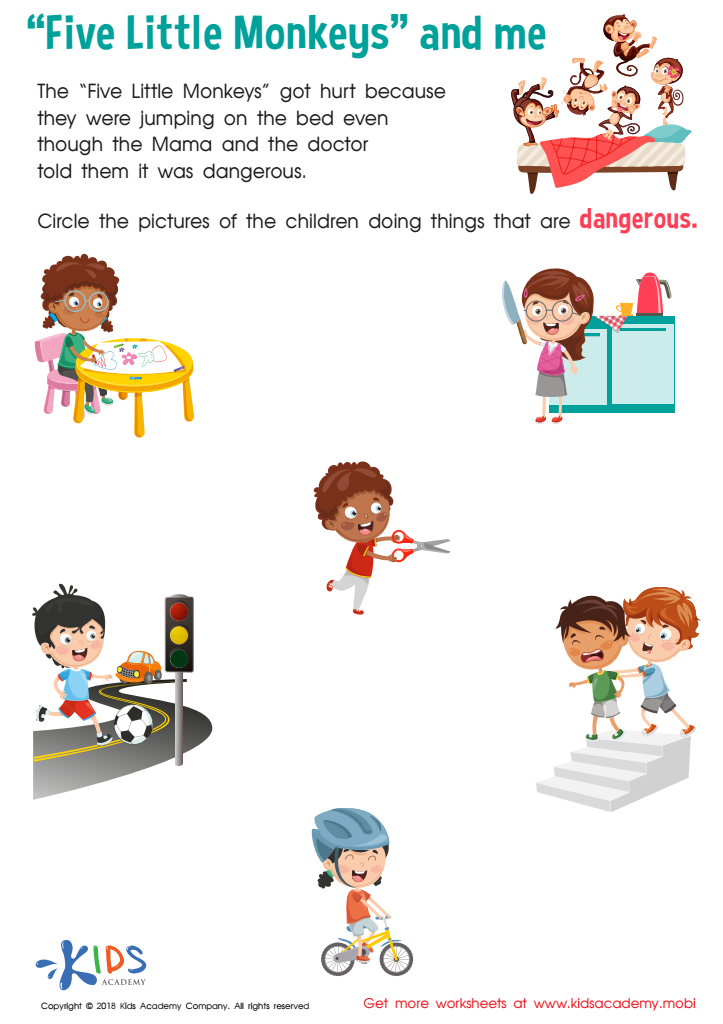
Five Little Monkeys and Me Worksheet








Sequencing skills are crucial for reading comprehension, especially for children aged 7-9. At this age, children are developing the ability to understand and connect ideas within a text. Sequencing helps young readers grasp the order of events, which is essential for making sense of the narrative and anticipating outcomes. This cognitive skill aids in organizing thoughts and fostering critical thinking, paving the way for deeper comprehension.
Parents and teachers should focus on sequencing skills as they enhance fluency and recall. When children can identify the beginning, middle, and end of a story, they are better able to retell it accurately and discuss key elements with others. This not only improves literacy skills but also boosts confidence. Furthermore, strong sequencing abilities benefit overall academic performance, as these skills transfer to subjects like math and science, where the order of operations is likewise important.
By nurturing sequencing skills in reading comprehension, parents and teachers empower children to become independent learners, equipping them with tools necessary for academic success. Encouraging interactive activities such as storytelling, use of graphic organizers, and sequencing games can make learning enjoyable and effectively solidify these skills. In essence, fostering sequencing skills is a foundational step toward lifelong literacy.








