Logical Reasoning Reading Fiction Worksheets for Ages 7-9
5 filtered results
-
From - To
Boost your child's reading comprehension and logical reasoning skills with our engaging fiction worksheets designed specifically for ages 7-9. These carefully crafted resources blend storytelling with critical thinking exercises that enhance understanding and analysis of texts. By exploring characters, plot developments, and themes, young learners will cultivate essential skills such as inference-making and problem-solving. Each worksheet encourages creativity and independent thinking, providing a fun approach to learning. Perfect for classroom use or at-home practice, our Logical Reasoning Reading Fiction Worksheets will empower children to connect ideas and think critically, laying a strong foundation for future academic success. Start the adventure today!
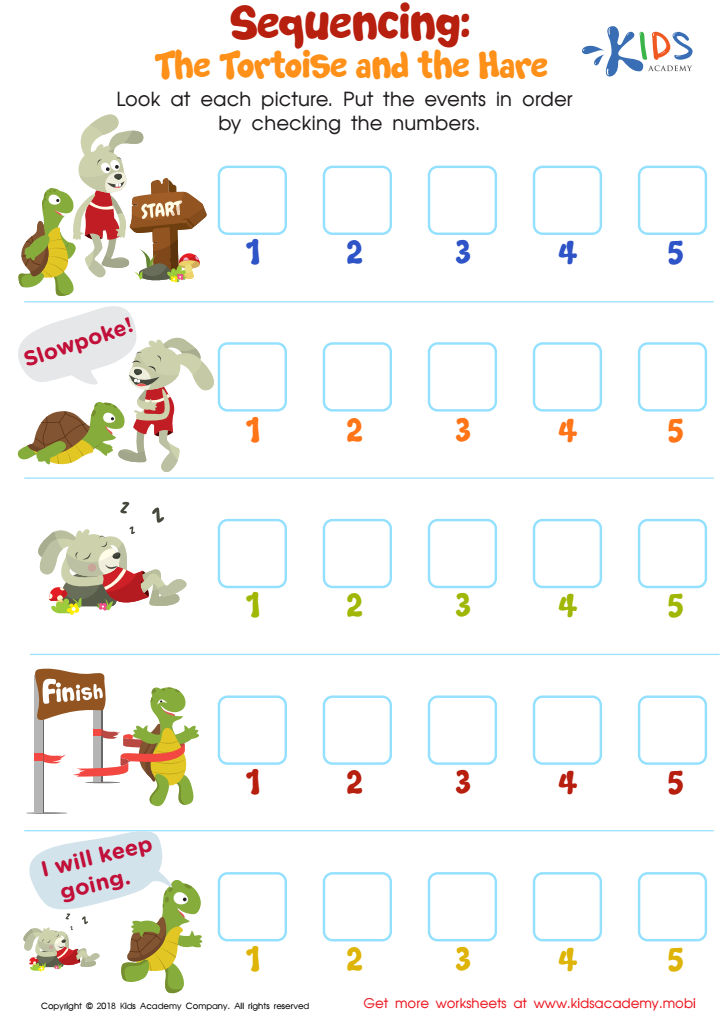
Sequencing: The Tortoise and the Hare Worksheet
 Assign to My Students
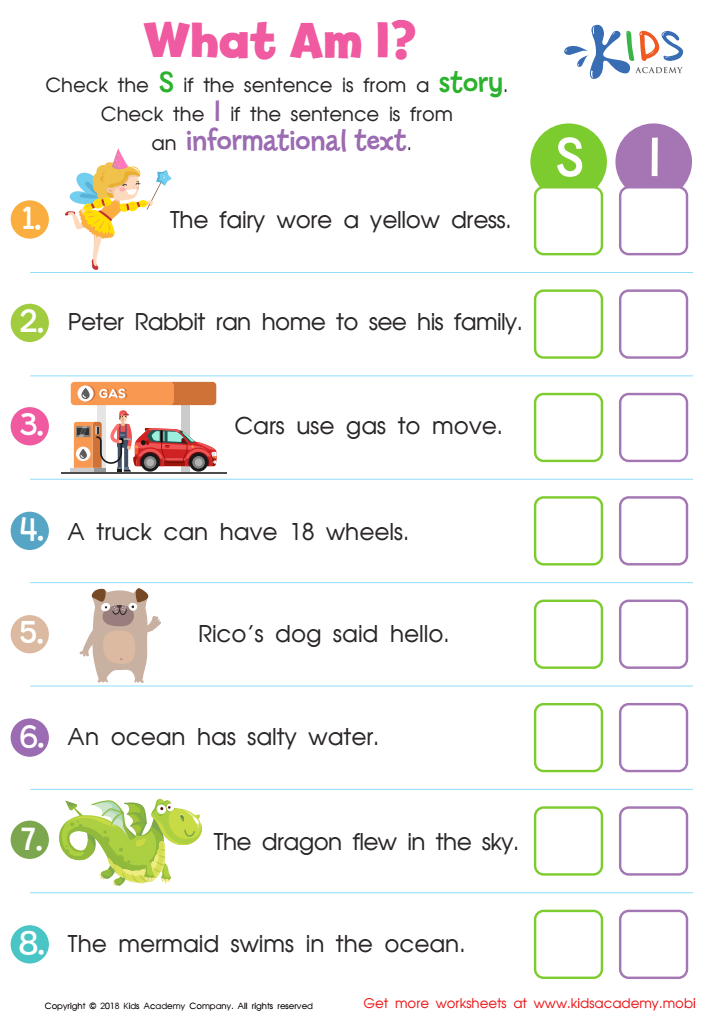
What Am I? Worksheet
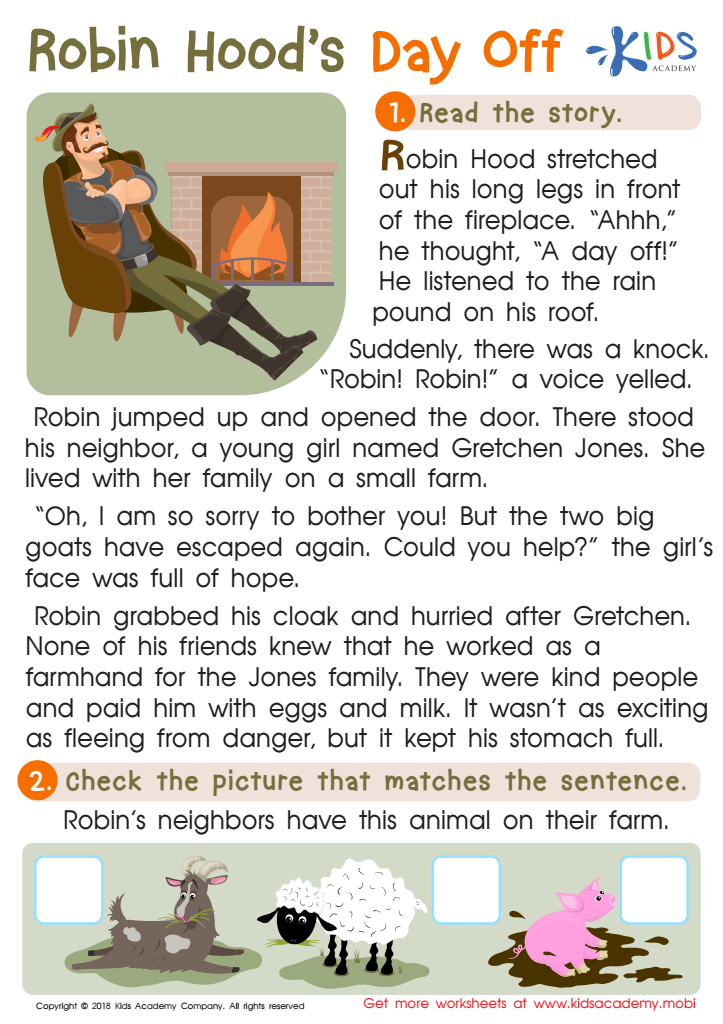
Robin Hood's Day Off Worksheet
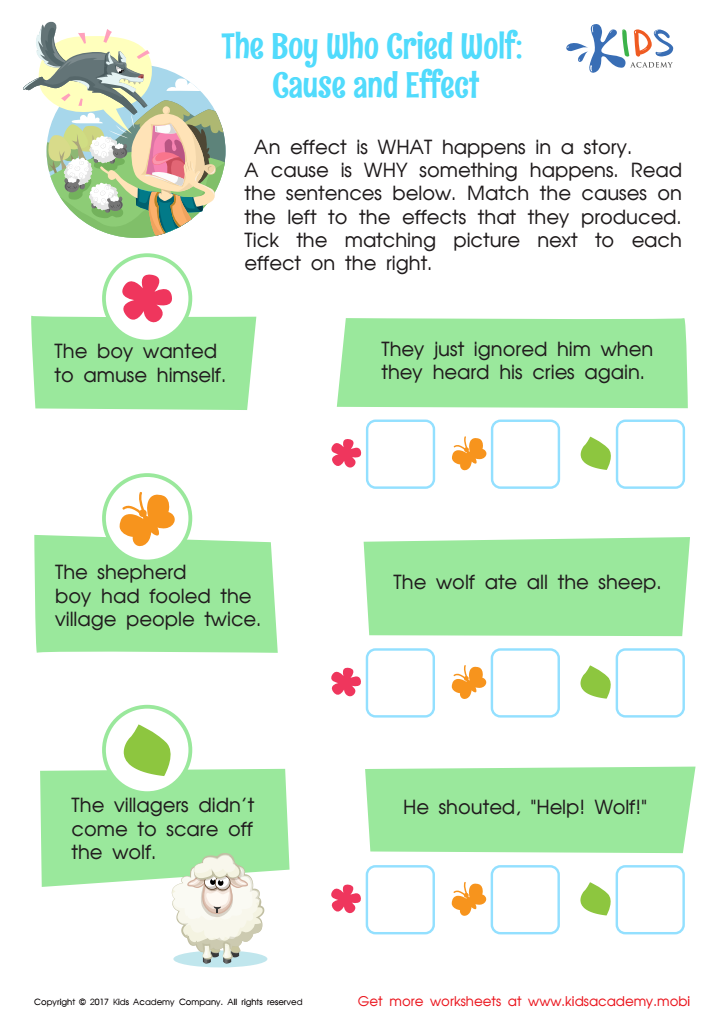
The Boy Who Cried Wolf: Cause and Effect Worksheet
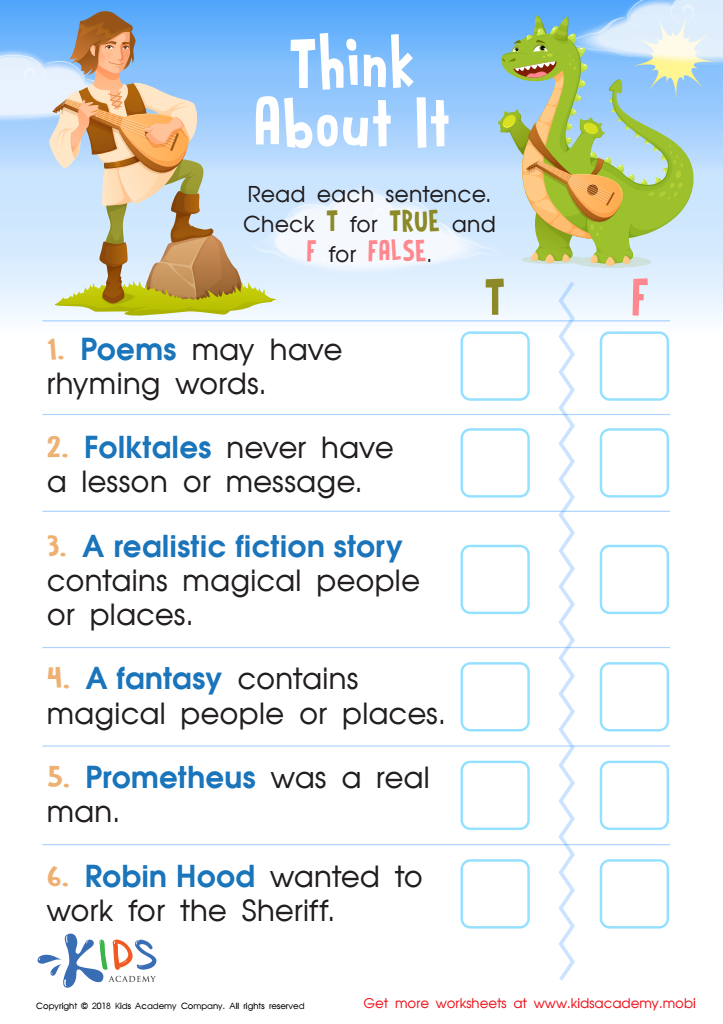
Think About It: Assessment Worksheet


.jpg)


.jpg)


Parents and teachers should care about introducing logical reasoning through reading fiction to children aged 7-9 for several vital reasons. First, engaging with fictional narratives enhances critical thinking skills. As children explore storylines and character motivations, they learn to analyze situations, predict outcomes, and draw inferences, which are essential components of logical reasoning.
Furthermore, fiction allows children to explore diverse perspectives and scenarios, promoting empathy and understanding. When they encounter characters facing dilemmas, youngsters can practice evaluating choices and consequences, fostering sound decision-making skills. This imaginative process not only enriches their creativity but also strengthens their problem-solving abilities.
Additionally, reading fiction cultivates comprehension skills. Kids who analyze text structures and themes develop the ability to extract meaningful information, essential for academic success in various subjects. It also helps improve vocabulary and language proficiency, thereby enhancing overall communication skills.
Finally, engaging parents, teachers, and caregivers in discussions about the books can further solidify these skills, creating a collaborative learning environment. By valuing logical reasoning within the context of fiction, adults empower children to become thoughtful, skilled thinkers, better preparing them for both academic challenges and real-life situations.








