Geography skills Geography Worksheets for Ages 7-9
3 filtered results
-
From - To
Explore essential geography skills with our engaging worksheets designed specifically for children aged 7-9! Our collection offers a variety of activities that help young learners understand concepts like maps, continents, countries, and essential geographic terminology. Each worksheet is crafted to promote critical thinking through interactive tasks, enhancing students' ability to identify physical and political features of the world. These resources not only make learning fun but also support literacy and social studies skills. Perfect for teachers, parents, and educators, our geography worksheets are a fantastic way to encourage curiosity about the world, ensuring an enriching educational experience for young explorers!
 Assign to My Students
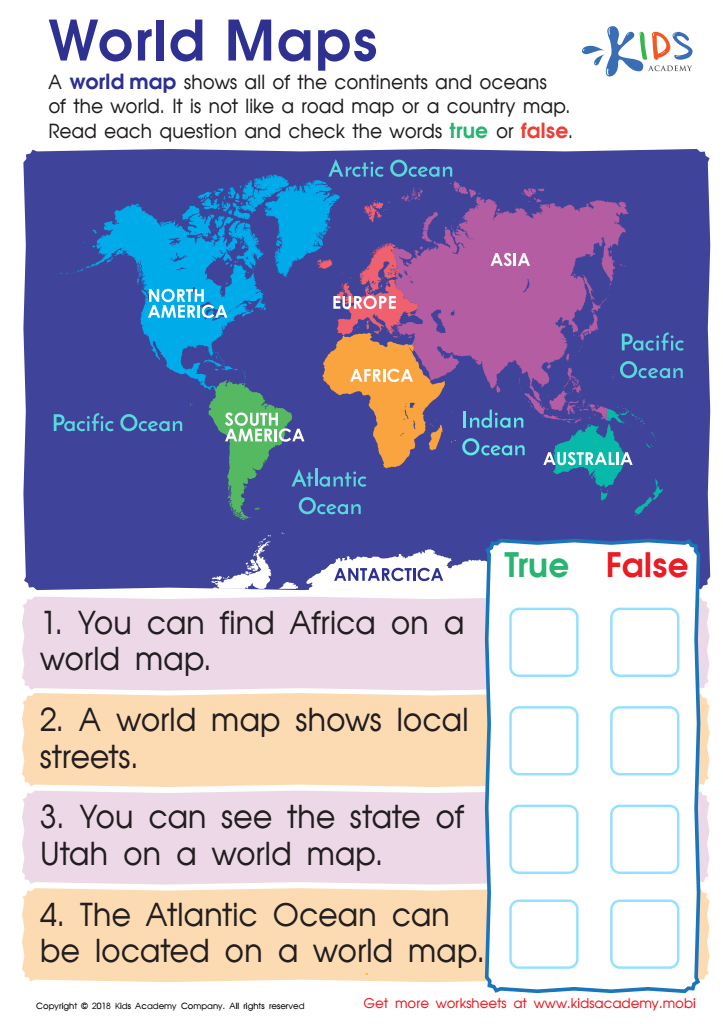
World Maps Worksheet
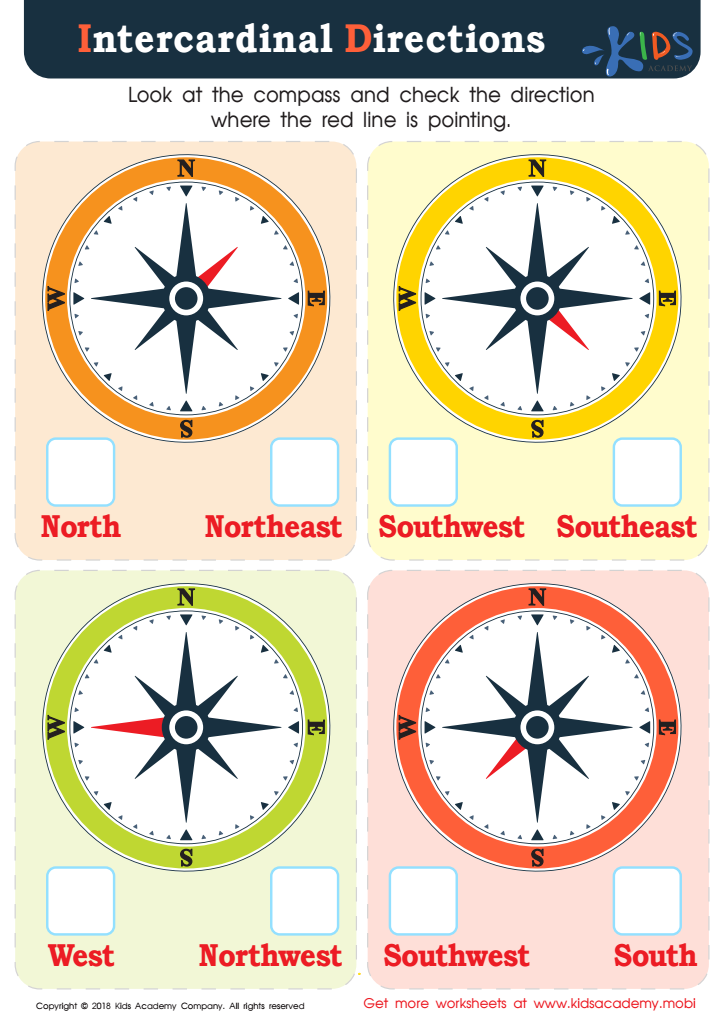
Intercardinal Directions Worksheet




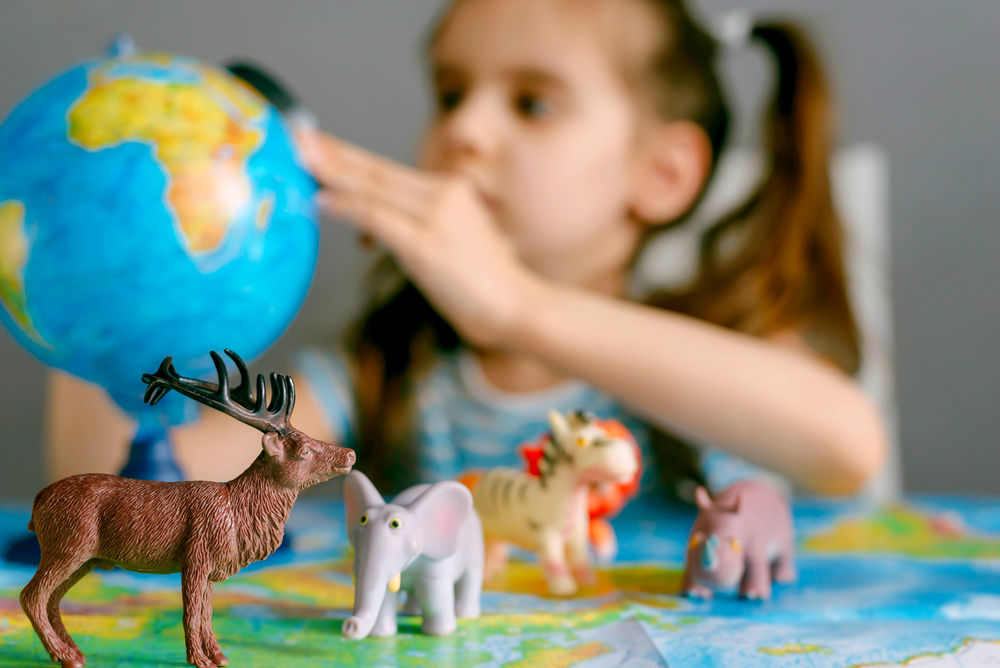
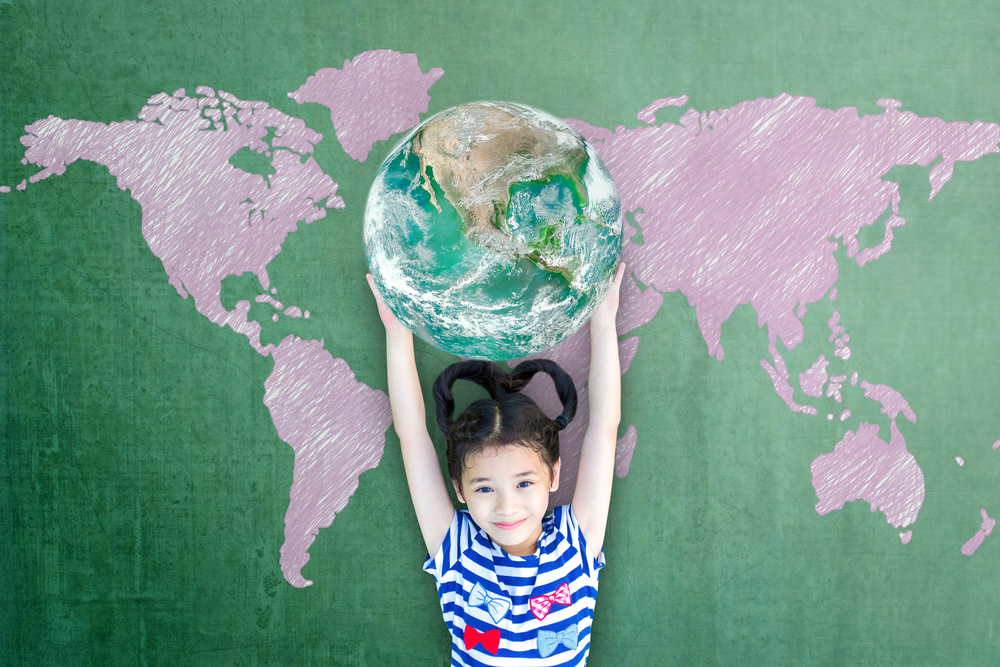

Geography skills are crucial for children aged 7-9 as they lay the foundation for understanding the world around them. At this age, children's curiosity about their environment is heightened, making it the perfect time to cultivate their geographical awareness.
When parents and teachers prioritize geography, they enhance children's critical thinking, spatial awareness, and cultural appreciation. Understanding maps, continents, and countries enables kids to make connections between different places and their own lives, fostering a sense of global citizenship. Awareness of various cultures and landscapes encourages empathy and a deeper appreciation for diversity.
Geography skills are also essential in developing problem-solving abilities. By examining how physical landscapes influence societies, children learn to think critically about issues such as resource management, climate change, and urban development. These discussions create informed future citizens capable of making sustainable choices.
Moreover, geography knowledge aligns with various cross-curricular subjects, enhancing overall academic performance. This critical skill set helps children relate classroom knowledge to real-world situations, promoting engagement and interest in learning. Thus, promoting geography not only prepares children for academic excellence but also equips them with the tools to become conscientious, proactive members of a global community.