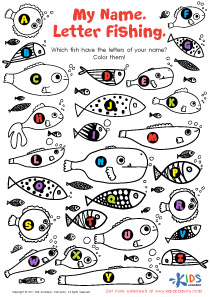
Letter recognition ABC Order Worksheets for 7-Year-Olds
15 filtered results
-
From - To
Our "Letter Recognition ABC Order Worksheets for 7-Year-Olds" are designed to make learning fun and engaging. These printable worksheets help children develop vital literacy skills by putting letters in alphabetical order, promoting both accuracy and confidence. Tailored for second graders, the exercises combine bright imagery and simple-to-follow instructions, supporting young learners in mastering letter recognition and sequencing. Ideal for classroom activities or homeschooling, our resources facilitate independent learning, enhancing children's reading readiness and foundational communication skills. Explore a variety of engaging tasks that transform letter learning into an exciting adventure for your child.
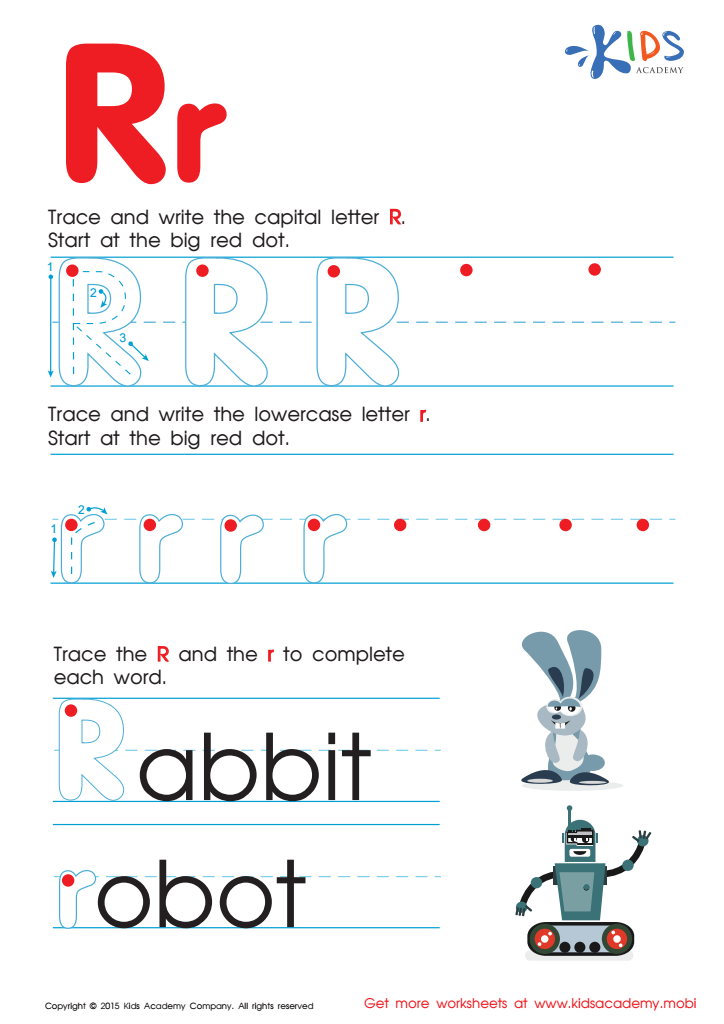
Letter R Tracing Page
 Assign to My Students


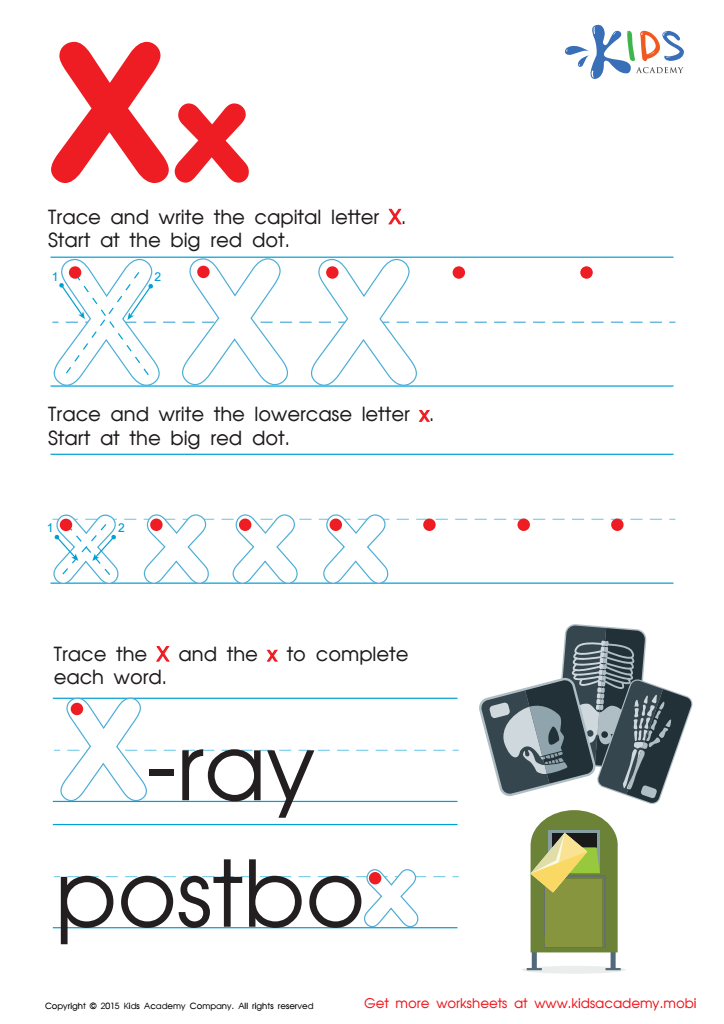
Letter X Tracing Page

Letter P Tracing Page
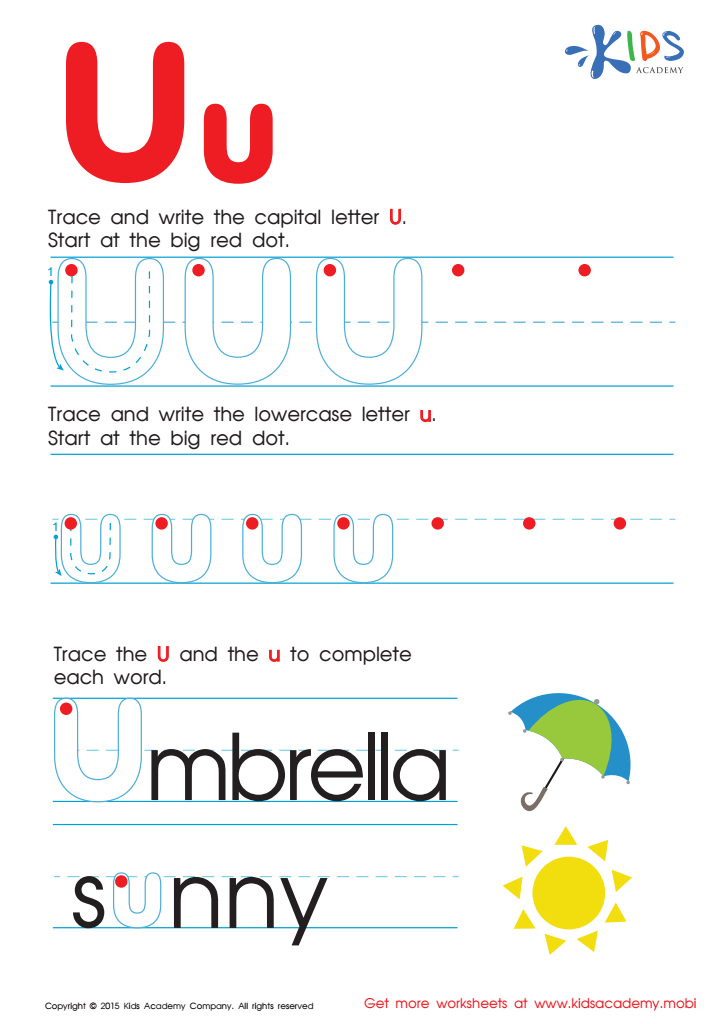
Letter U Tracing Page
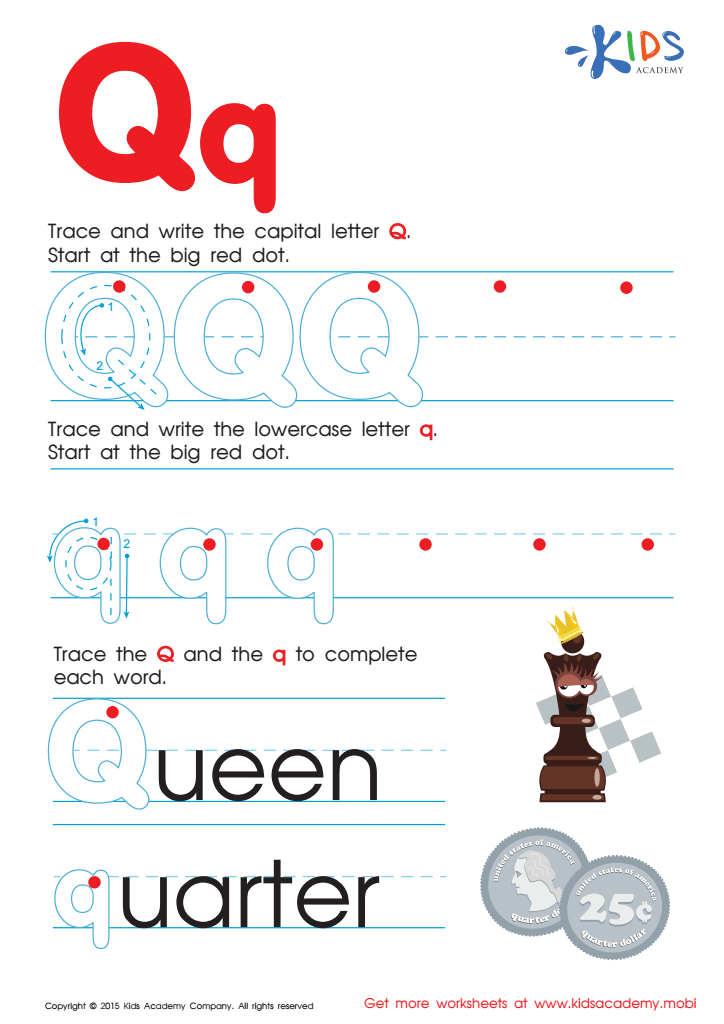
Letter Q Tracing Page
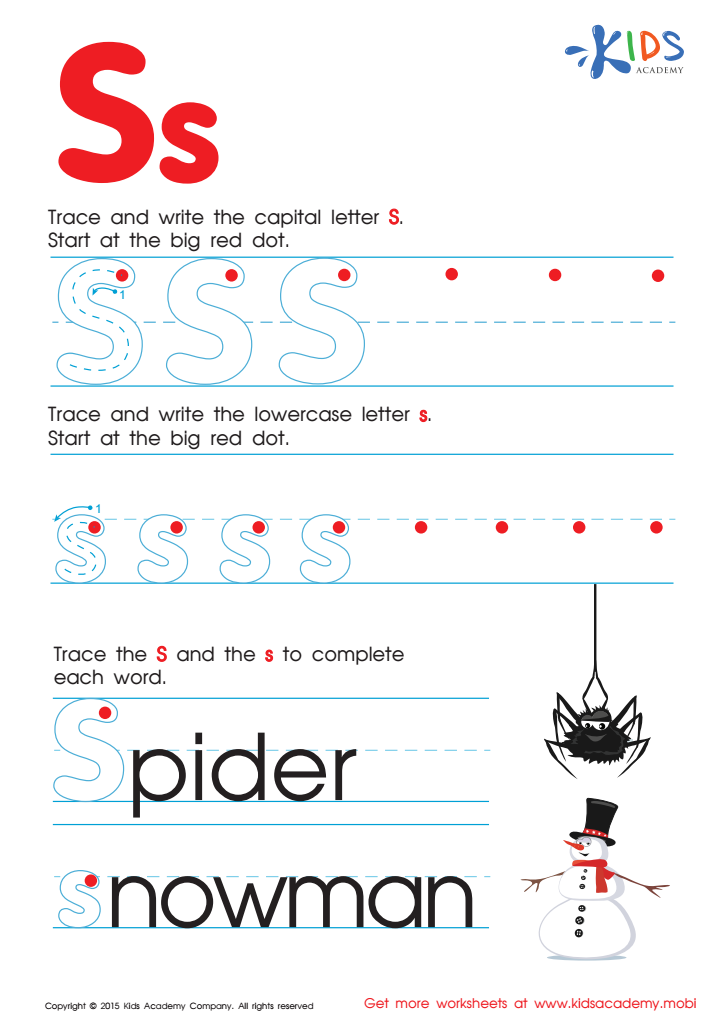
Letter S Tracing Page
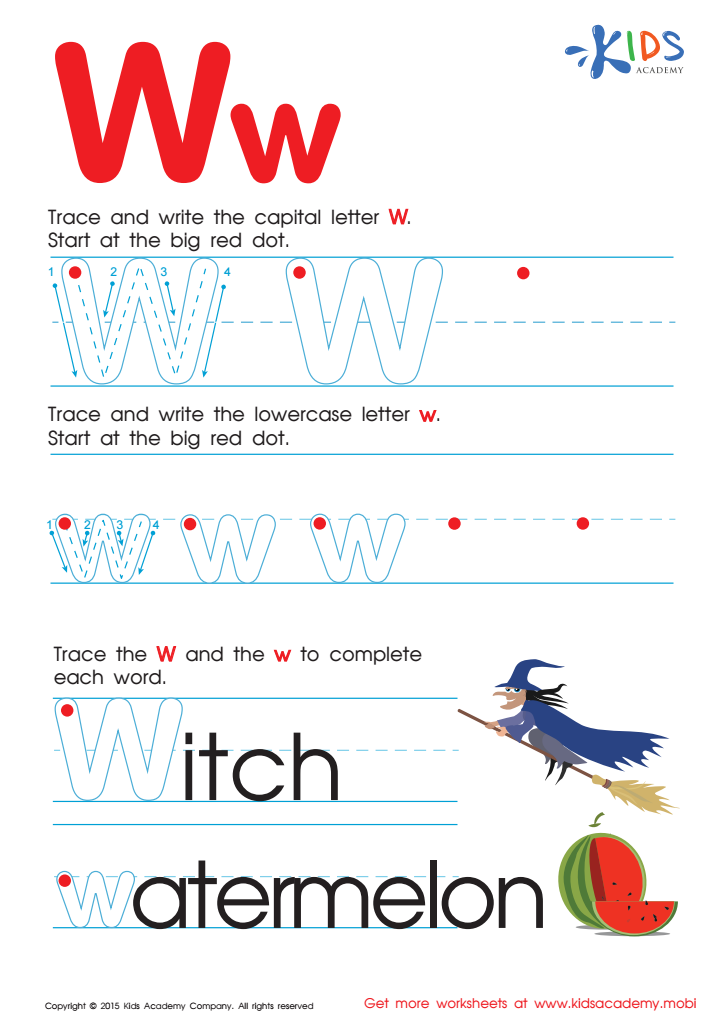
Letter W Tracing Page

Letter H Tracing Page

Letter G Tracing Page
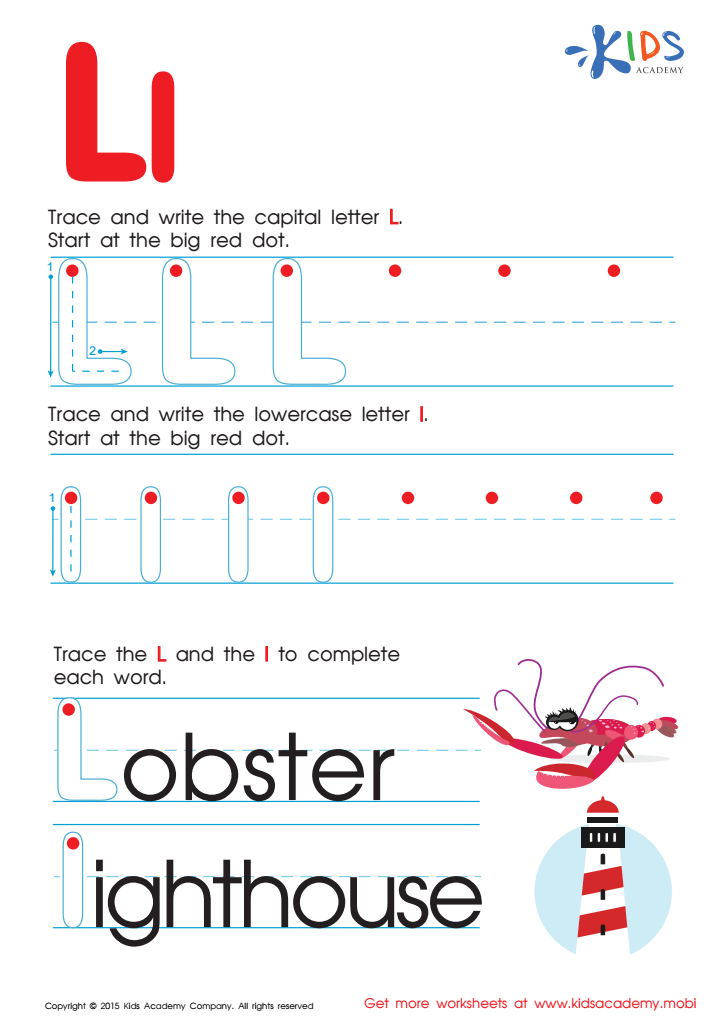
Letter L Tracing Page
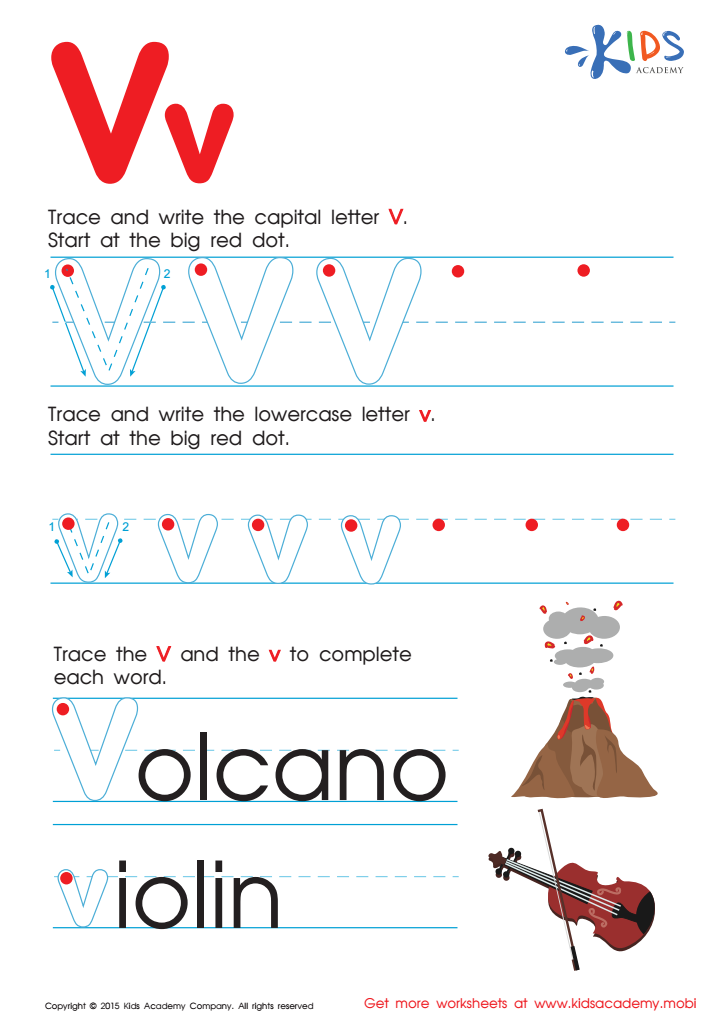
Letter V Tracing Page
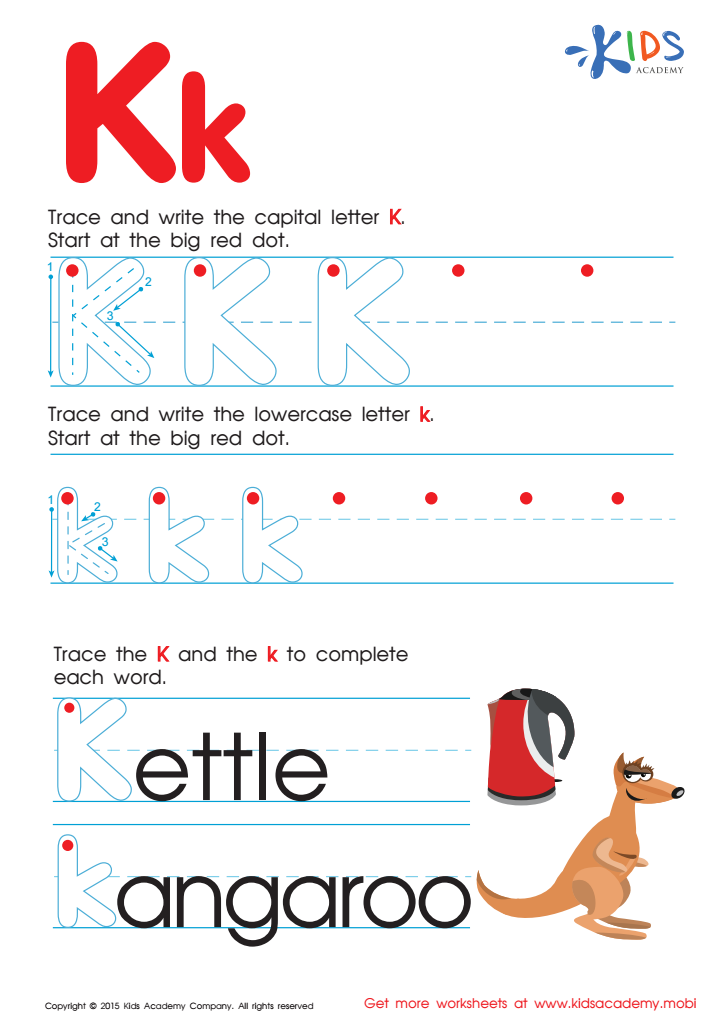
Letter K Tracing Page
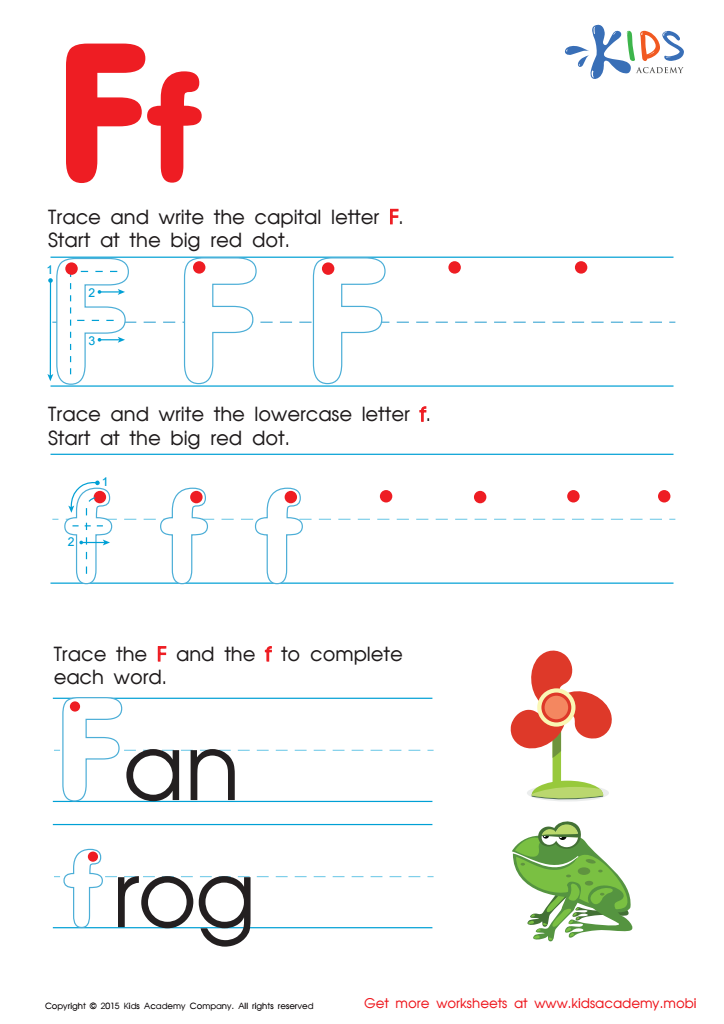
Letter F Tracing Page
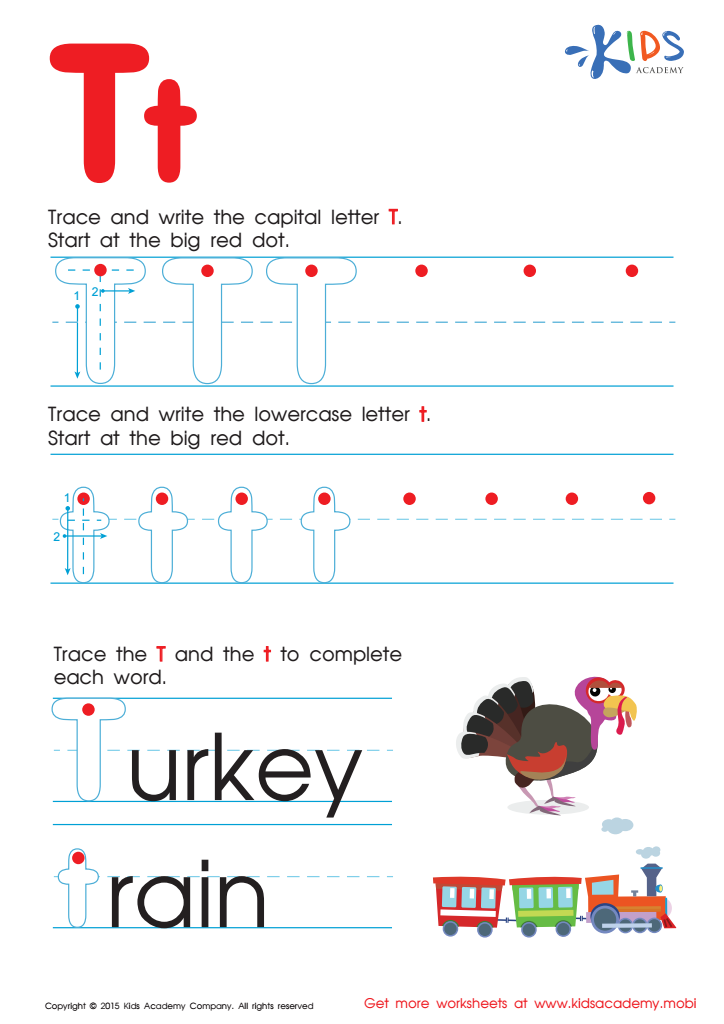
Letter T Tracing Page

Letter D Tracing Page








Letter recognition and understanding ABC order are foundational skills that carry immense importance for 7-year-olds. These early language skills serve as the building blocks of literacy, directly impacting a child's ability to read, write, and spell effectively.
First and foremost, letter recognition is crucial for developing reading fluency and comprehension. When children can quickly and easily identify letters, they spend less cognitive energy on basic decoding and more on understanding the text's meaning. This leads to more successful and enjoyable reading experiences. Furthermore, strong letter recognition supports phonemic awareness—the understanding that sounds make up words—which is a critical skill for both reading and writing.
ABC order introduces young children to the concept of sequencing and organization. Sequencing abilities are not only vital for literacy but also for mathematical thinking, problem-solving, and following instructions. Mastery of the alphabet in order reinforces memorization and recall efficiency, helping with dictionary skills and making future tasks involving lists, like directories or indexes, more intuitive.
Together, letter recognition and ABC order lay a concrete foundation for learning. Ignoring these essential skills can lead to gaps in a child’s individual learning path, making it harder for them to achieve literacy milestones. Therefore, both parents and teachers should prioritize and encourage these fundamental practices to ensure children are well-equipped for more advanced literacy challenges as they progress in their education.