Fine Motor Skills ABC Letters Worksheets for 7-Year-Olds - Page 2
36 filtered results
-
From - To

Letter V Tracing Page










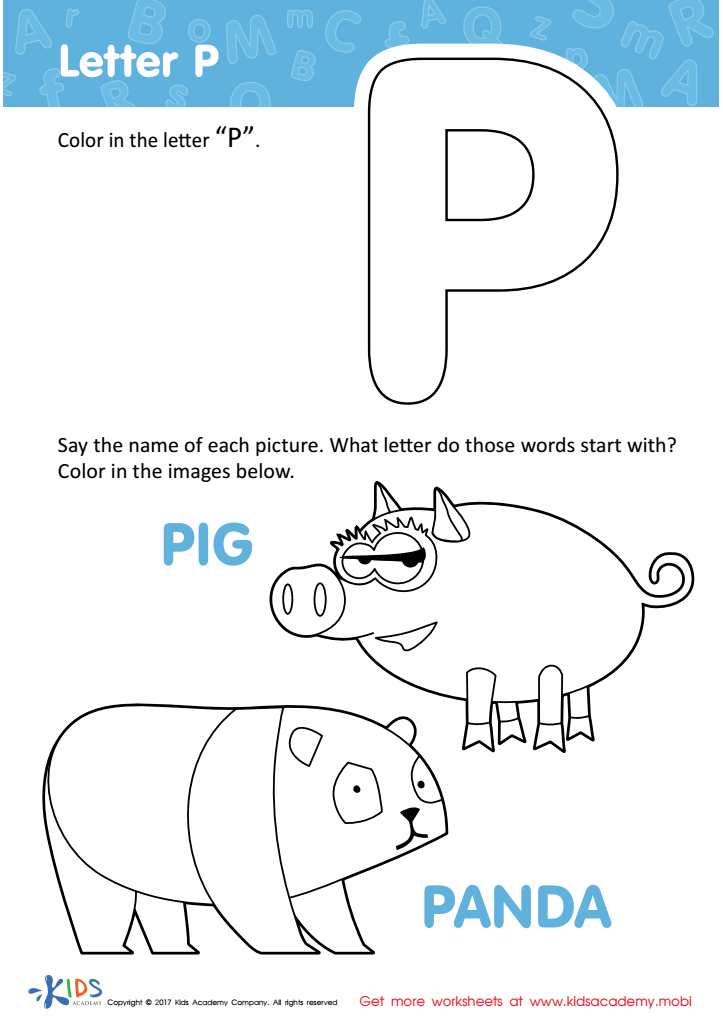
Letter P Coloring Sheet
 Assign to My Students
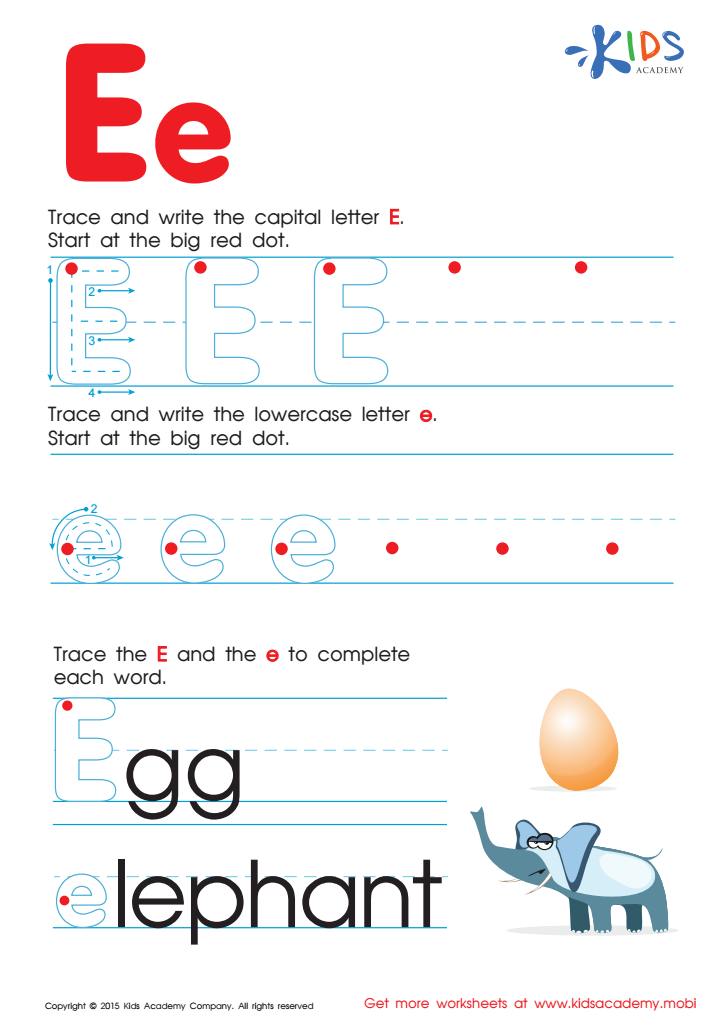
Letter E Tracing Page
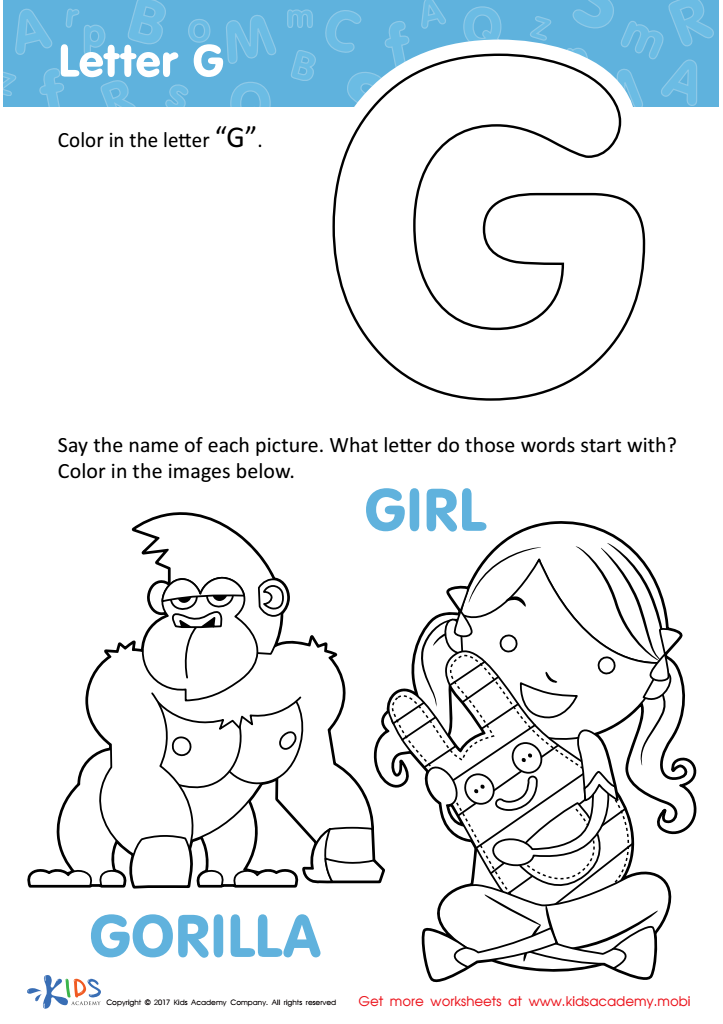
Letter G Coloring Sheet
Assign to My Students
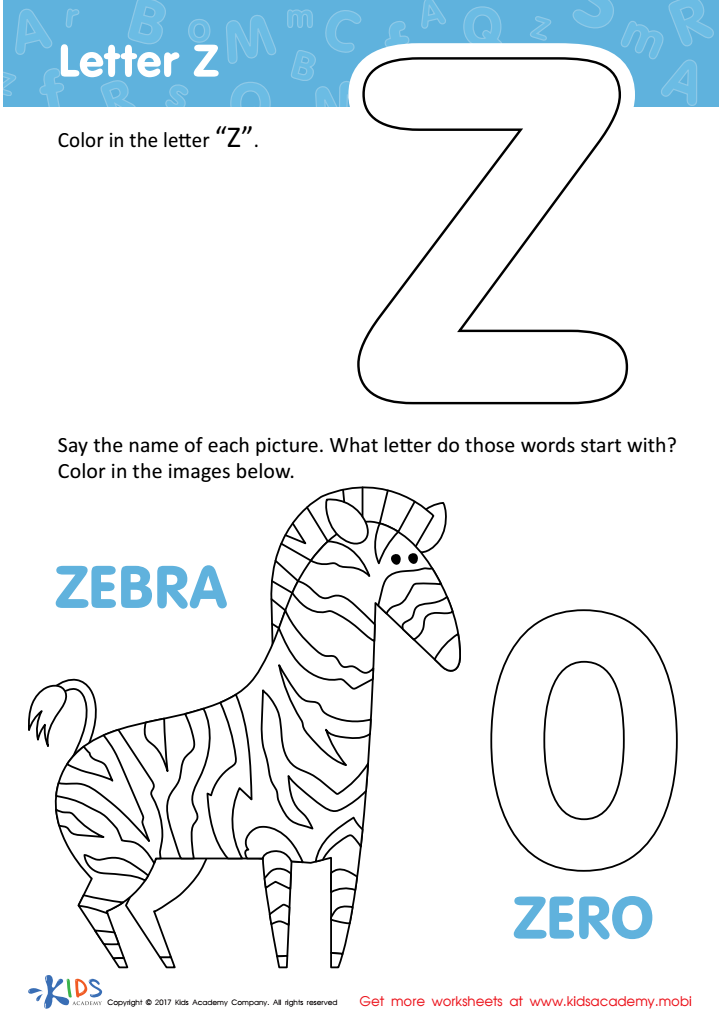
Letter Z Coloring Sheet
Assign to My Students
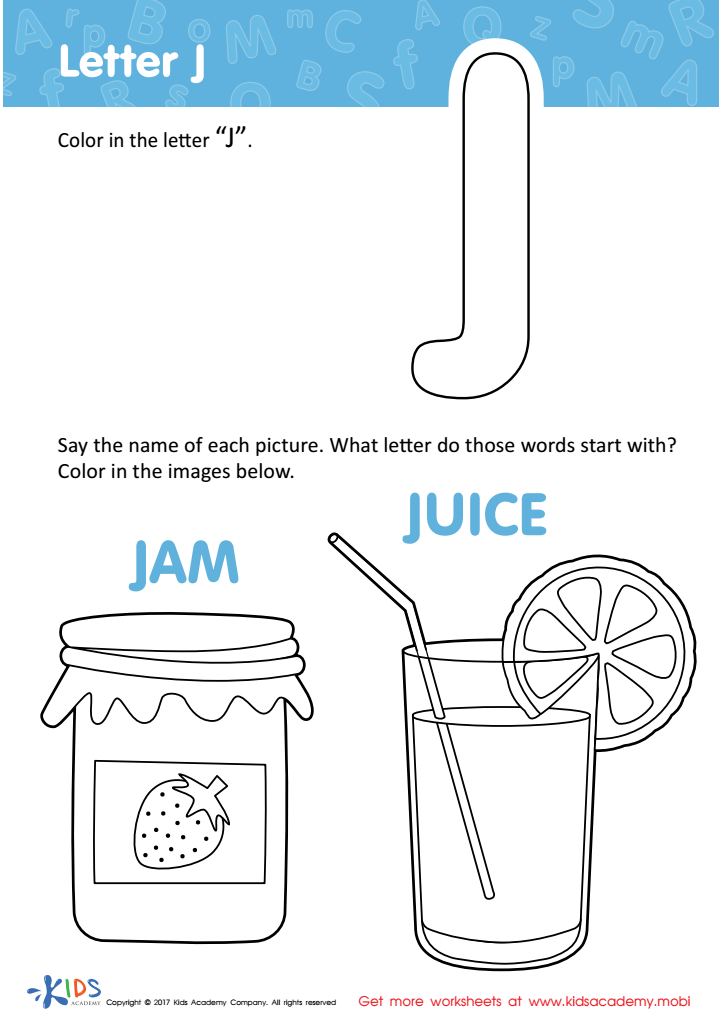
Letter J Coloring Sheet
Assign to My Students
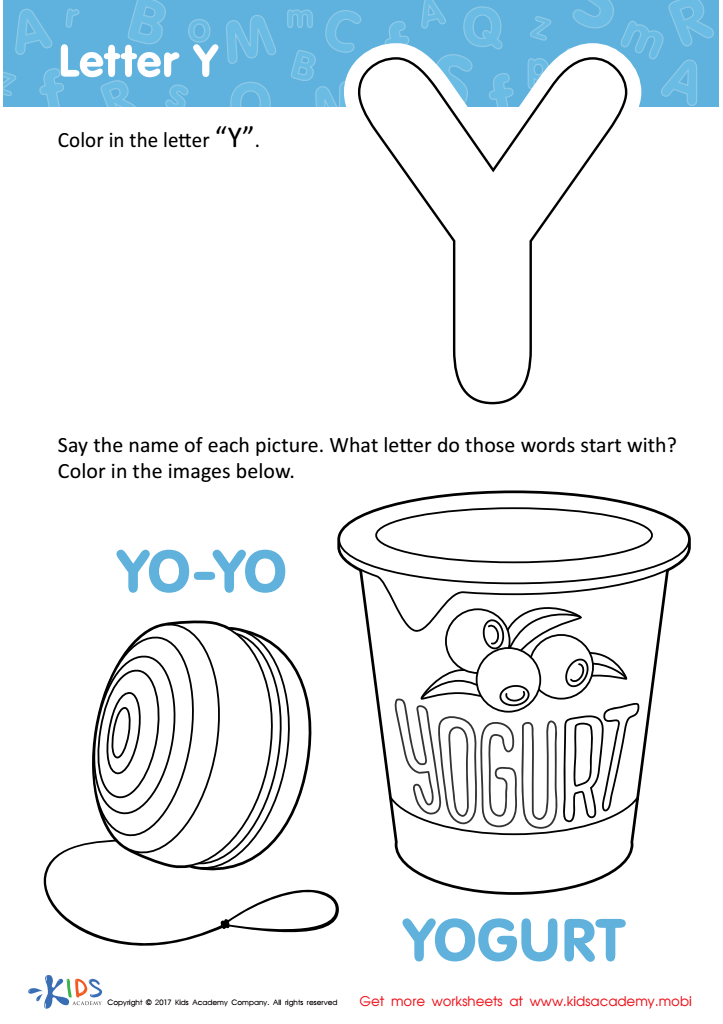
Letter Y Coloring Sheet
Assign to My Students
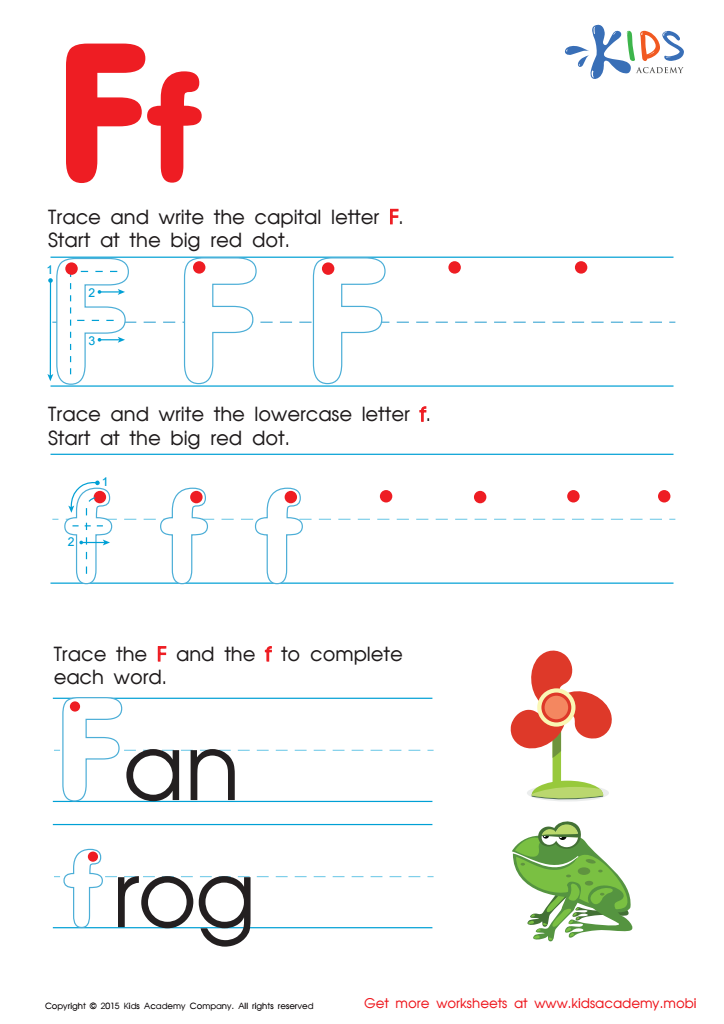
Letter F Tracing Page
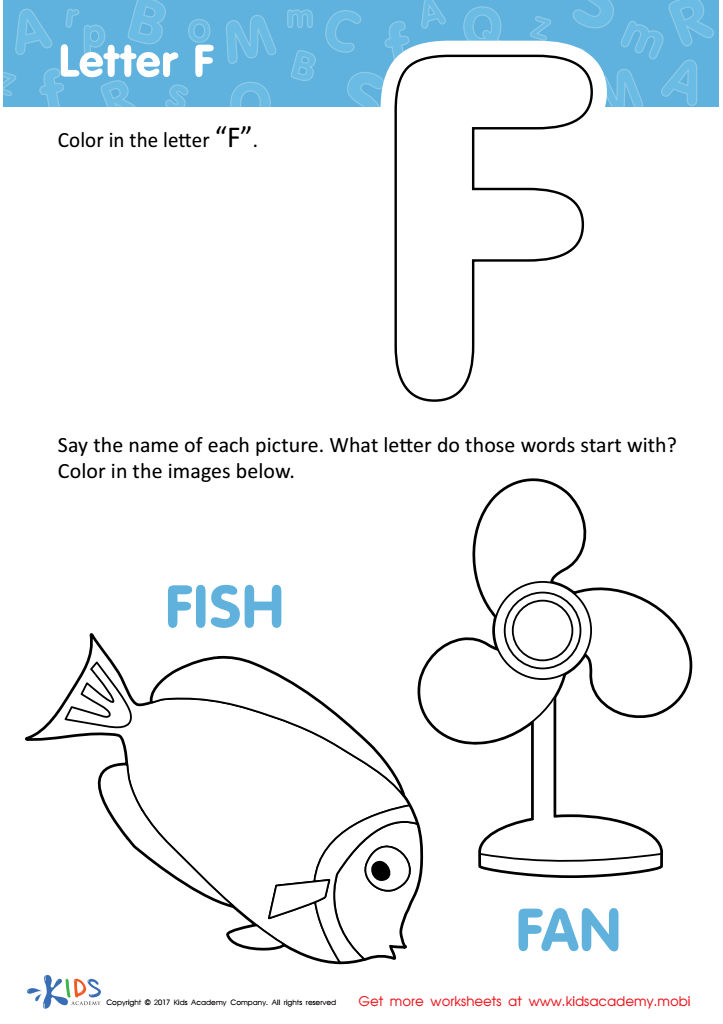
Letter F Coloring Sheet
Assign to My Students
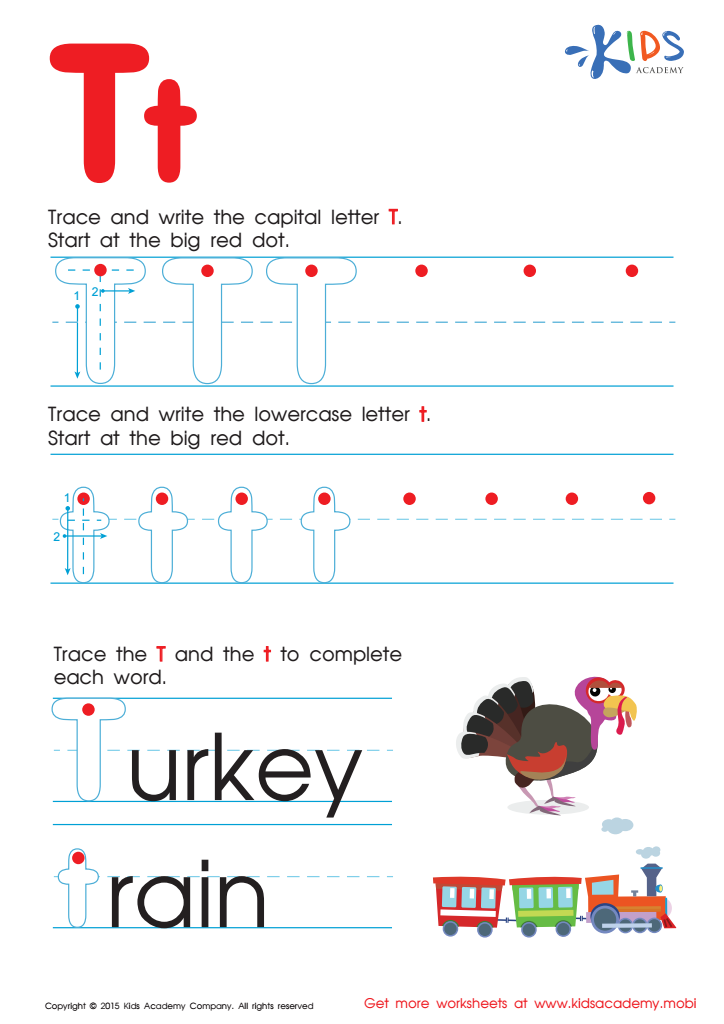
Letter T Tracing Page
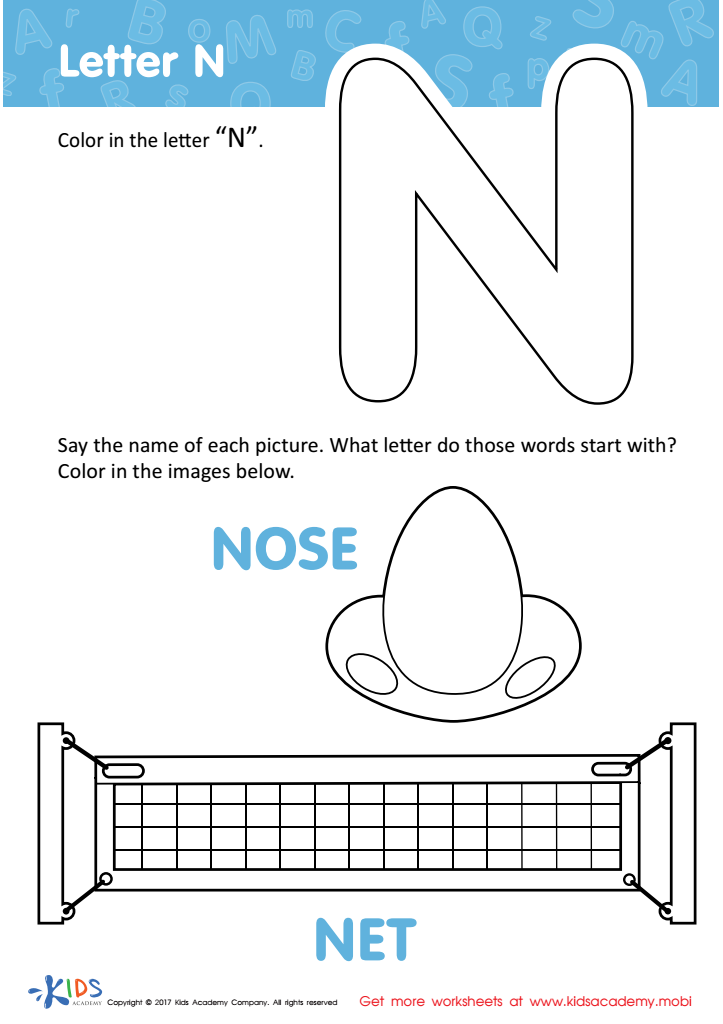
Letter N Coloring Sheet
Assign to My Students

Letter D Tracing Page








Fine motor skills are crucial for the overall development of 7-year-olds, and focusing on these abilities while learning ABC Letters is particularly important. These skills involve the coordination of small muscles, particularly in the hands and fingers, which are essential for tasks such as writing, typing, buttoning clothes, and using utensils.
At the age of 7, children are typically in the second or first grade, a vital period when they transition from recognizing letters to actually writing and forming words. Practicing fine motor skills in the context of learning the ABCs enhances their handwriting, making it more legible and fluid. This not only supports academic performance but also boosts self-confidence, as children achieve tasks independently. Additionally, improved fine motor control helps children express themselves creatively through drawing and crafts, enhancing their visual-spatial and cognitive skills.
For educators and parents, providing activities such as tracing letters, cutting shapes, and manipulating small objects like beads can make learning engaging and enjoyable. As children gain proficiency, they also develop better hand-eye coordination and focus, which are beneficial beyond academics, contributing to their overall physical and mental development. Thus, integrating fine motor skill activities with ABC learning is an investment in a child's foundational abilities, laying the groundwork for future academic and personal success.







