Word Recognition Consonants Worksheets for 7-Year-Olds
5 filtered results
-
From - To
Our Word Recognition Consonants Worksheets for 7-Year-Olds are expertly designed to enhance your child’s reading skills. These engaging, educational worksheets focus on helping young learners identify and recognize consonant sounds within words. Through various fun and interactive exercises, your child will boost their confidence in reading and improve phonemic awareness. Ideal for home or classroom use, our worksheets offer an excellent foundation for reading proficiency and spelling accuracy. Brighten your child’s learning journey today with our high-quality, effective word recognition consonants activities. Get started and watch them excel!
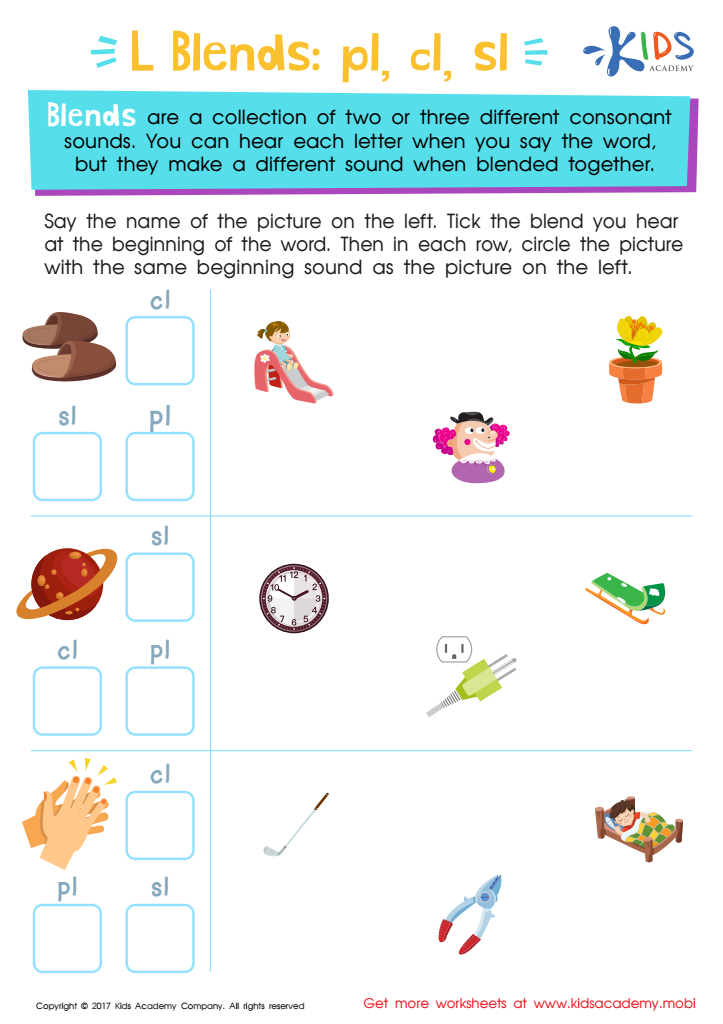
L Blends: "Pl", "Cl" and "Sl" Printable
 Assign to My Students
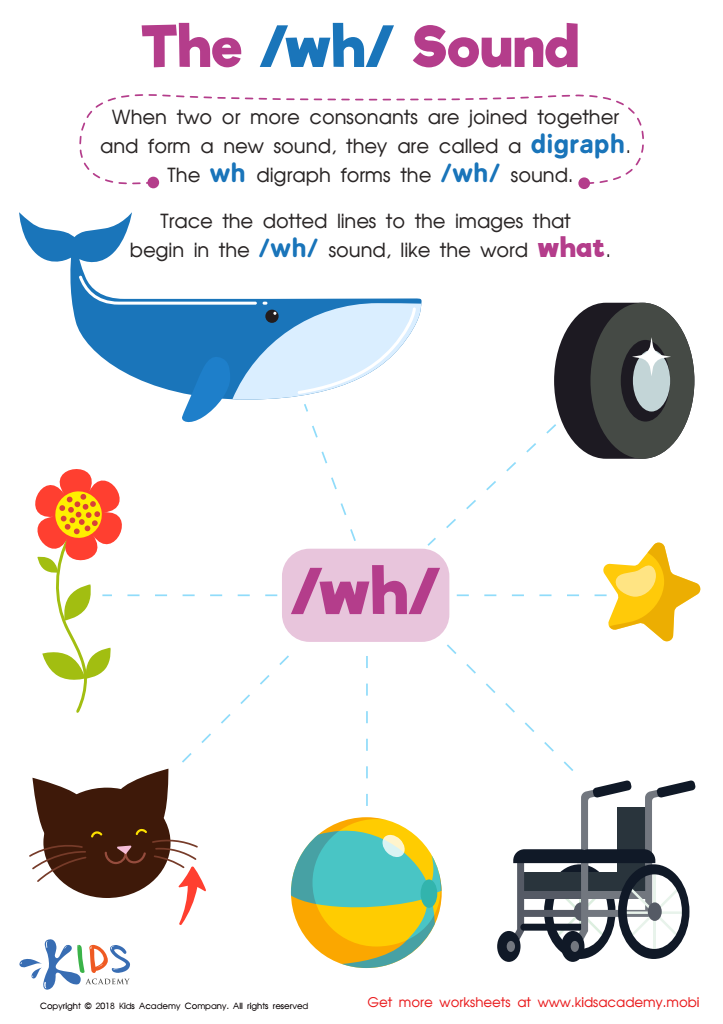
The /wh/ Sound Worksheet
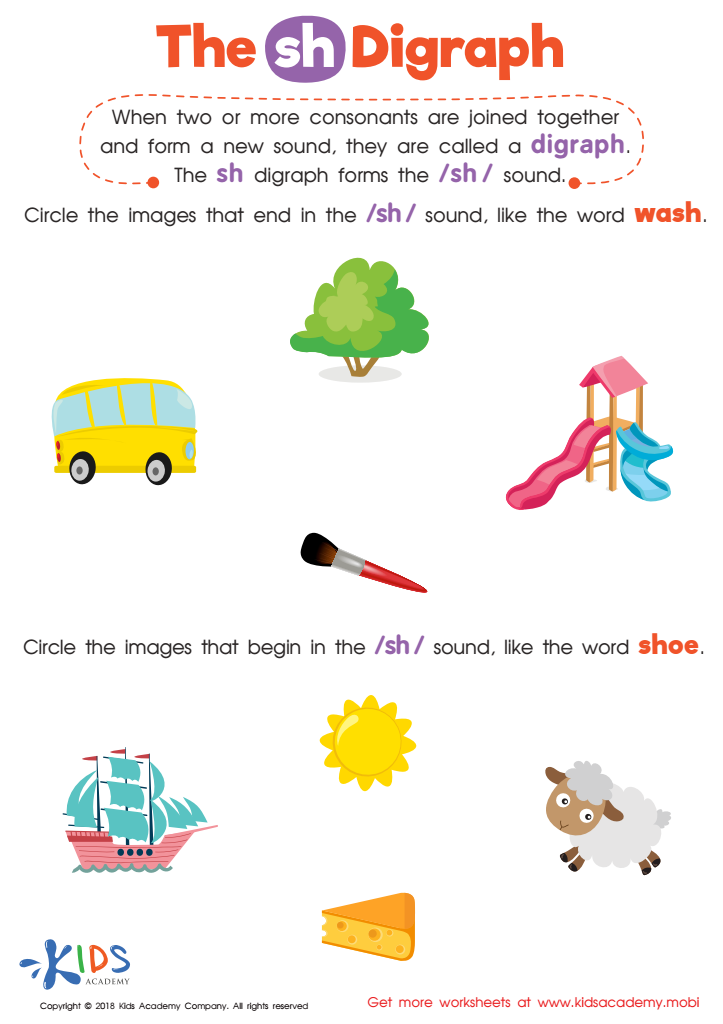
The SH Digraph Worksheet
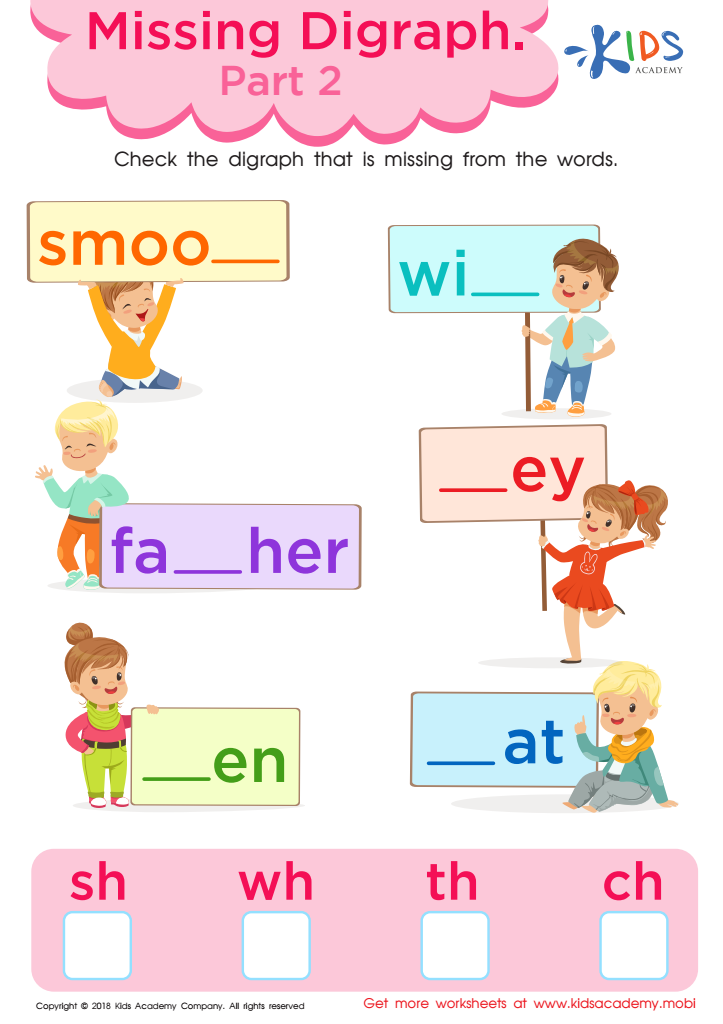
Missing Digraph: Part 2 Worksheet
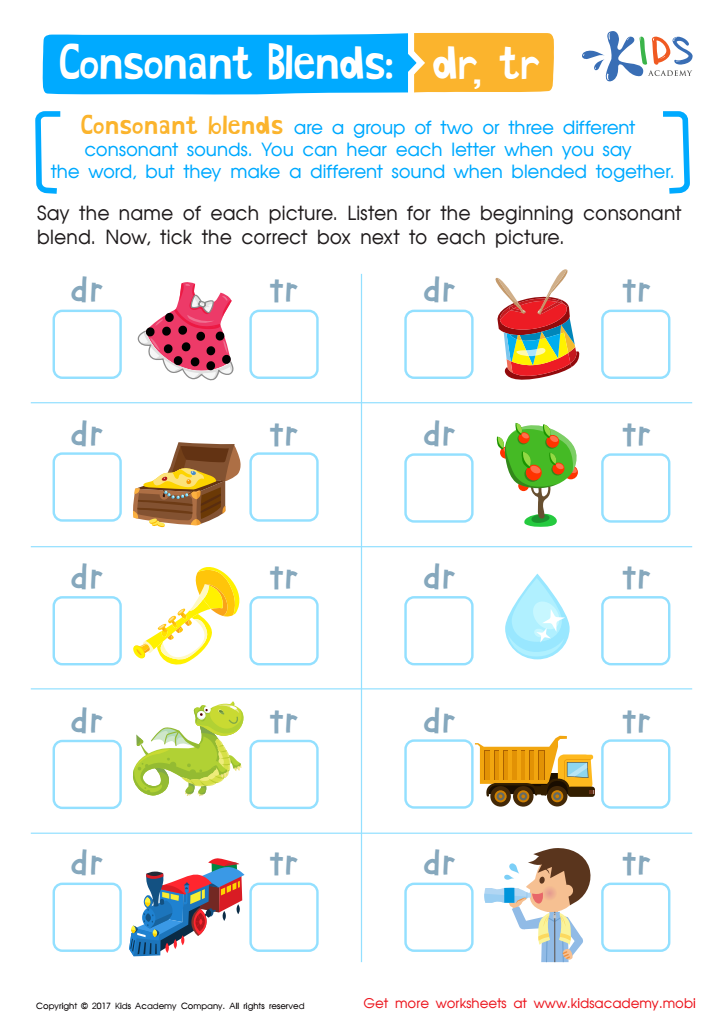
Consonant Blends: "Dr" and "Tr" Printable



Caring about word recognition consonants for 7-year-olds is essential because it forms the basis for reading proficiency, essential for academic success. At this age, children transition from learning to read to reading to learn. Recognizing consonants helps decode words accurately, contributing to understanding and fluency. For instance, grasping consonant sounds aids in distinguishing between similar-looking words like "bat" and "cat."
When parents and teachers focus on consonant recognition, they foster strong phonological awareness—a critical skill for lifelong reading and pronunciation. This awareness directly impacts spelling, writing, and overall language acquisition. Through engaging activities such as reading aloud, playing phonics games, or practicing with flashcards, young readers develop confidence and motivation. Encouraging environments at home and in school support this development seamlessly.
Moreover, early literacy skills influence other subjects like math, science, and social studies. Children comfortable with word recognition find it easier to comprehend word problems, follow written instructions, and participate actively in class discussions. As literacy is tied to cognitive development, building a solid foundation at an early age sets the stage for future learning and academic achievements, making it imperative for parents and educators to give word recognition consonants the attention they deserve.







