Handwriting practice Letter Recognition Worksheets for 7-Year-Olds
32 filtered results
-
From - To
Enhance your child's handwriting and letter recognition skills with our engaging Handwriting Practice Letter Recognition Worksheets for 7-Year-Olds. Designed to be fun and educational, these worksheets help young learners identify, trace, and write letters with confidence. Each sheet offers diverse activities to reinforce letter shapes and improve fine motor skills, making writing an enjoyable experience. Perfect for use at home or in the classroom, these resources provide the repetitive practice necessary for skill mastery. Watch your child flourish as they build strong foundational literacy skills with these interactive and effective handwriting practice tools.
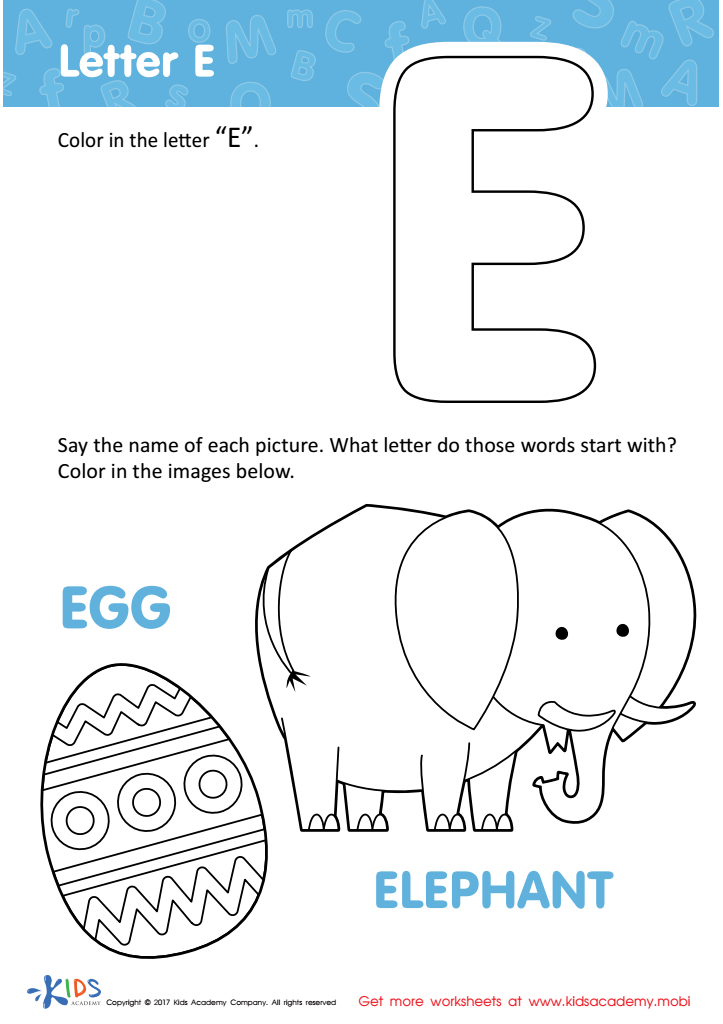
Letter E Coloring Sheet
 Assign to My Students
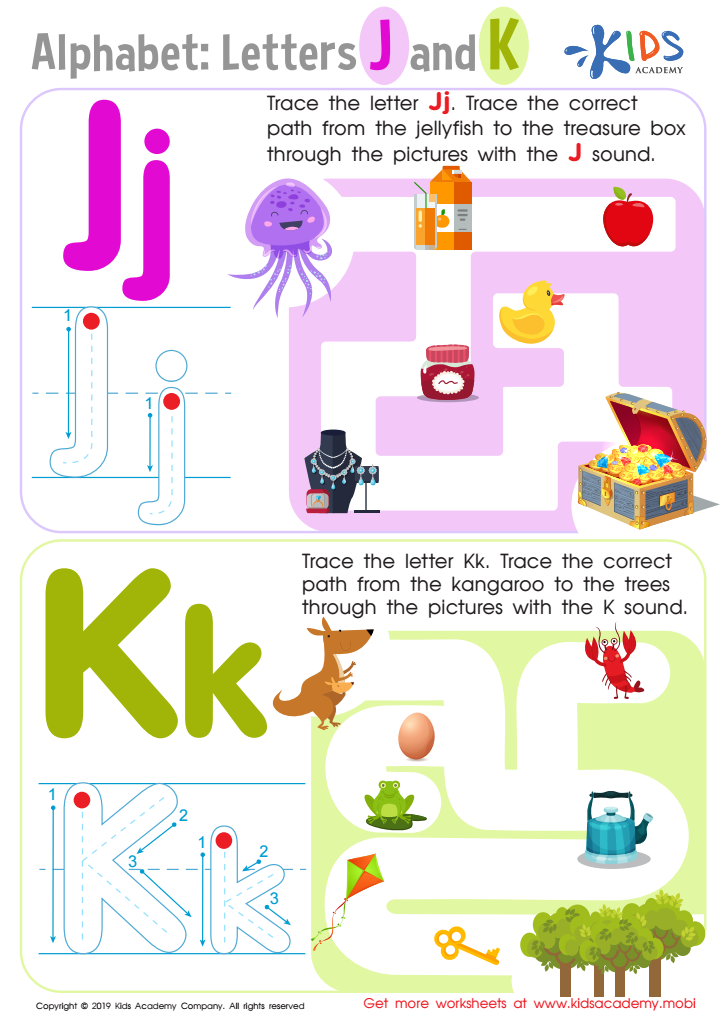
Letters J and K Tracing Worksheet
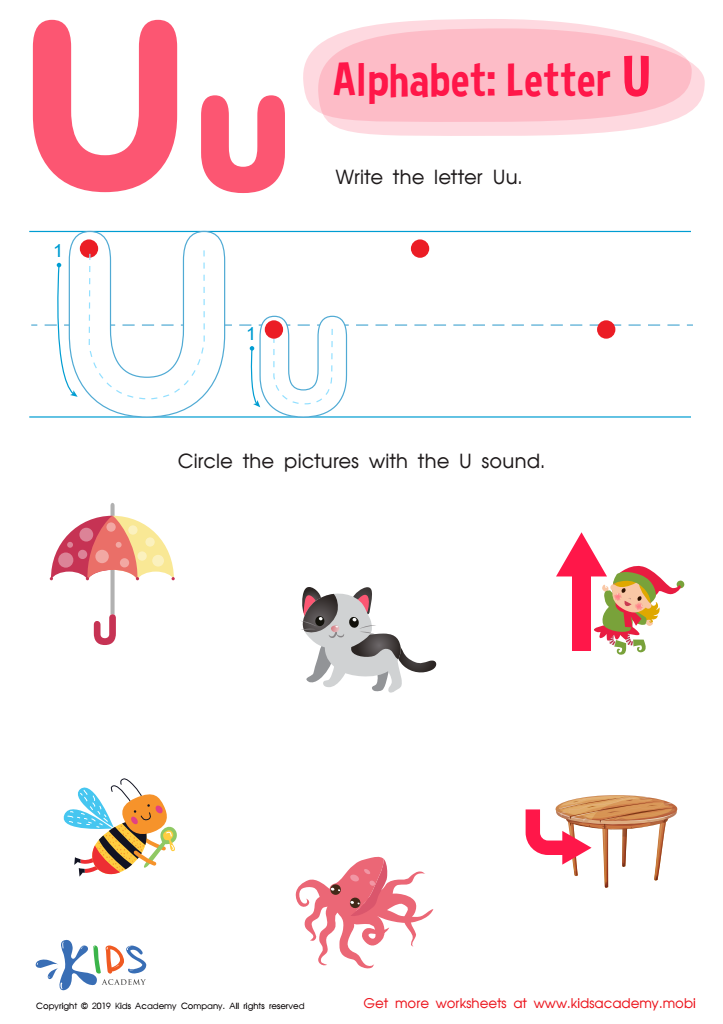
Letter U Tracing Worksheet
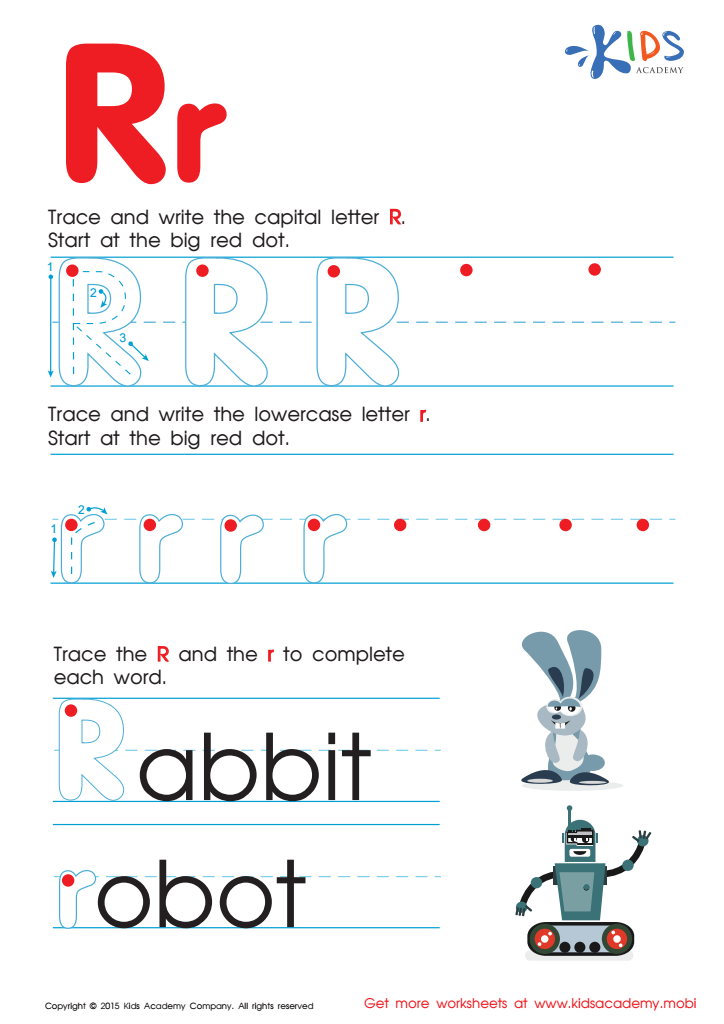
Letter R Tracing Page
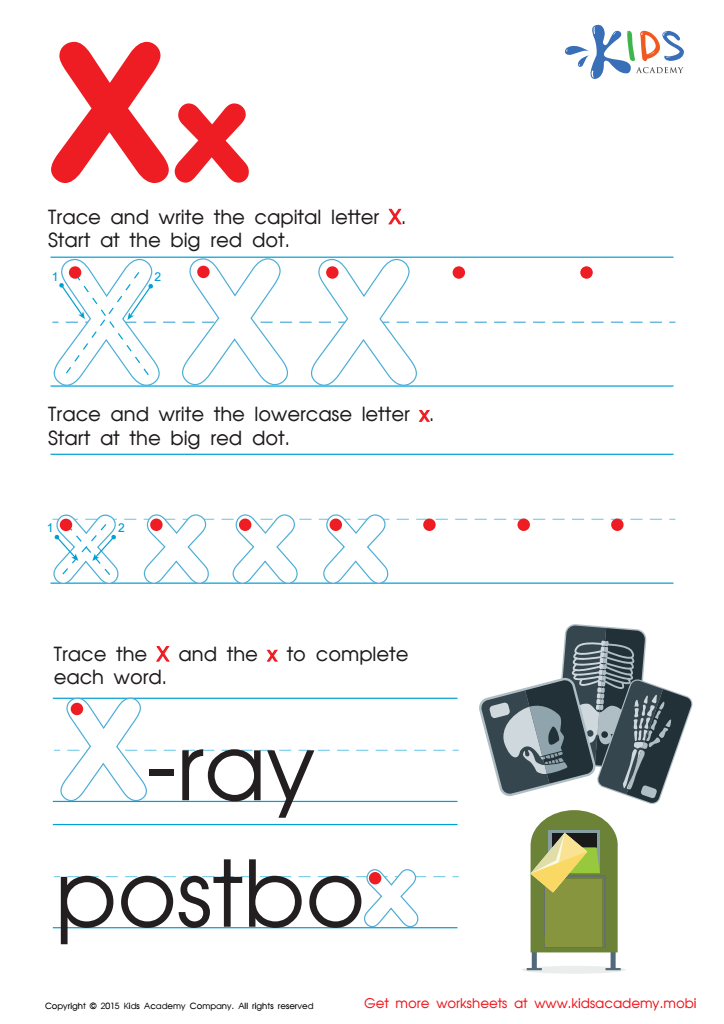
Letter X Tracing Page
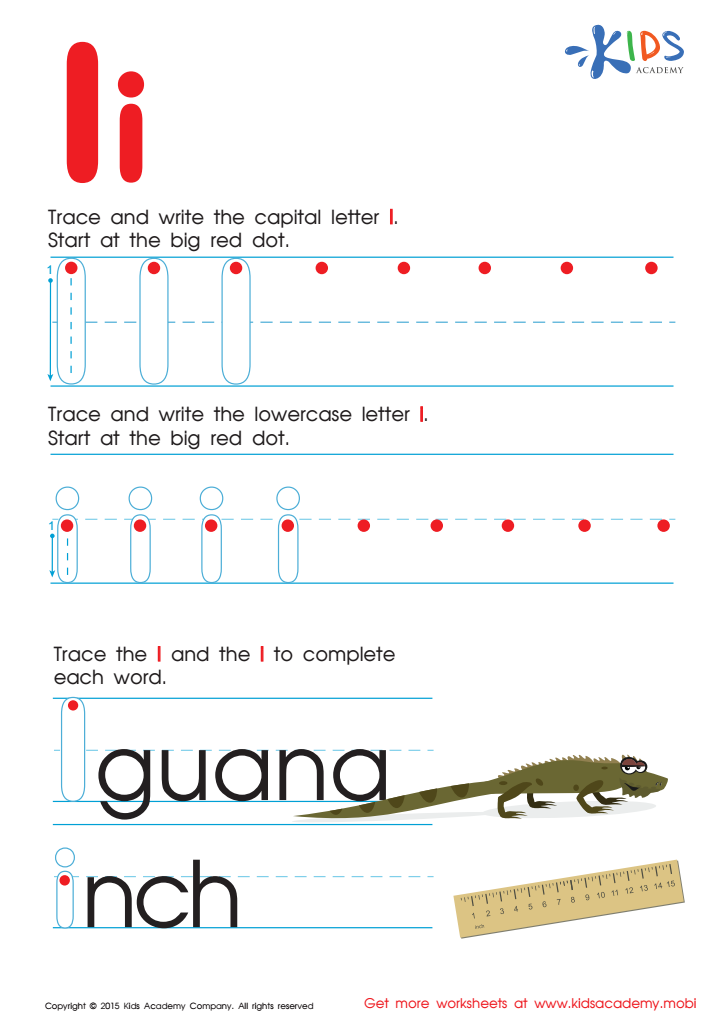
Letter I Tracing Page
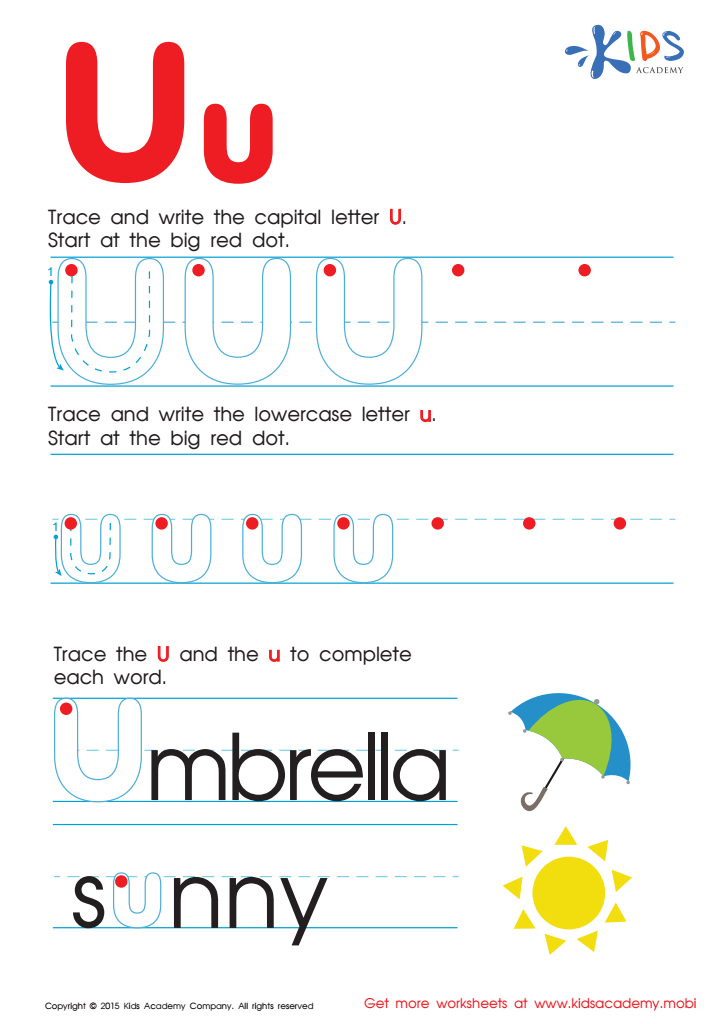
Letter U Tracing Page
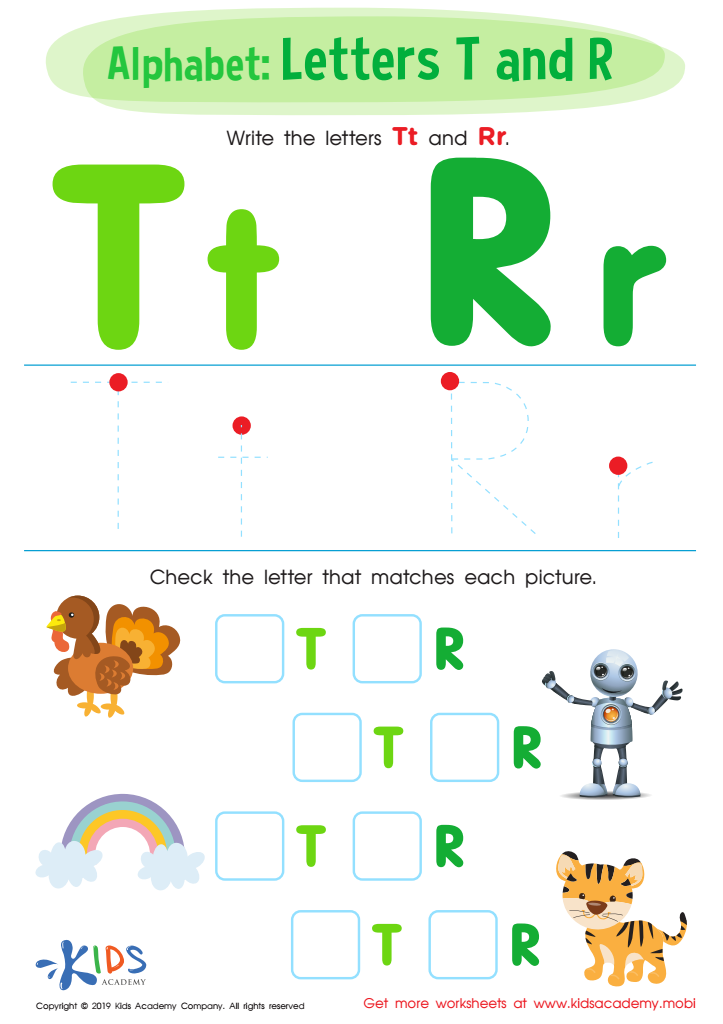
Letters T and R Worksheet
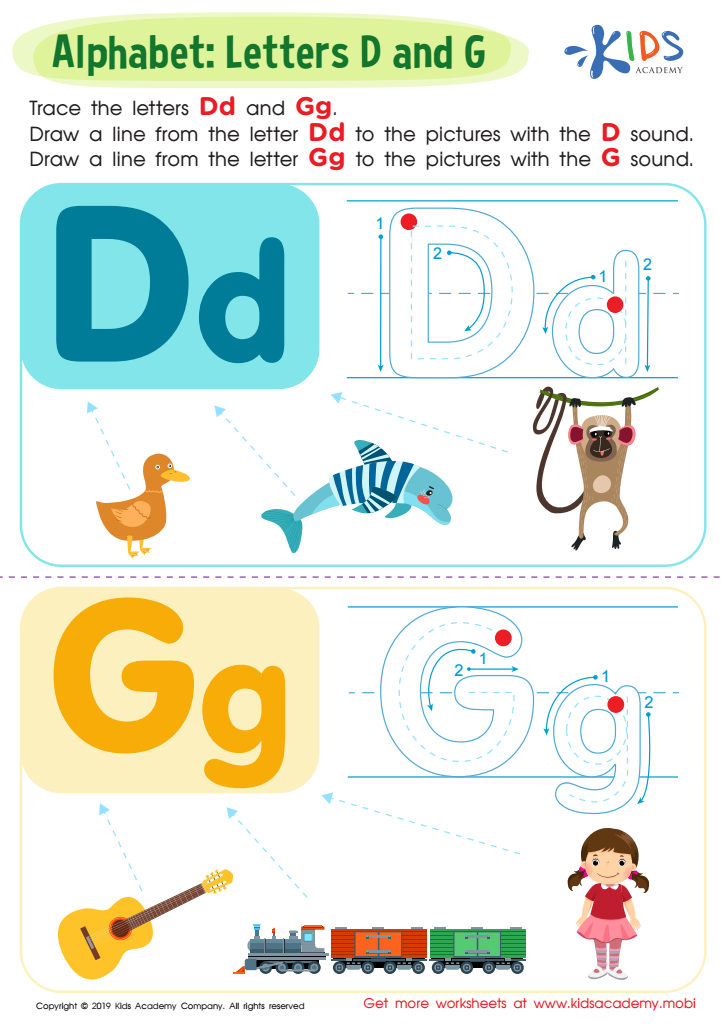
Letter D and G Tracing Worksheet
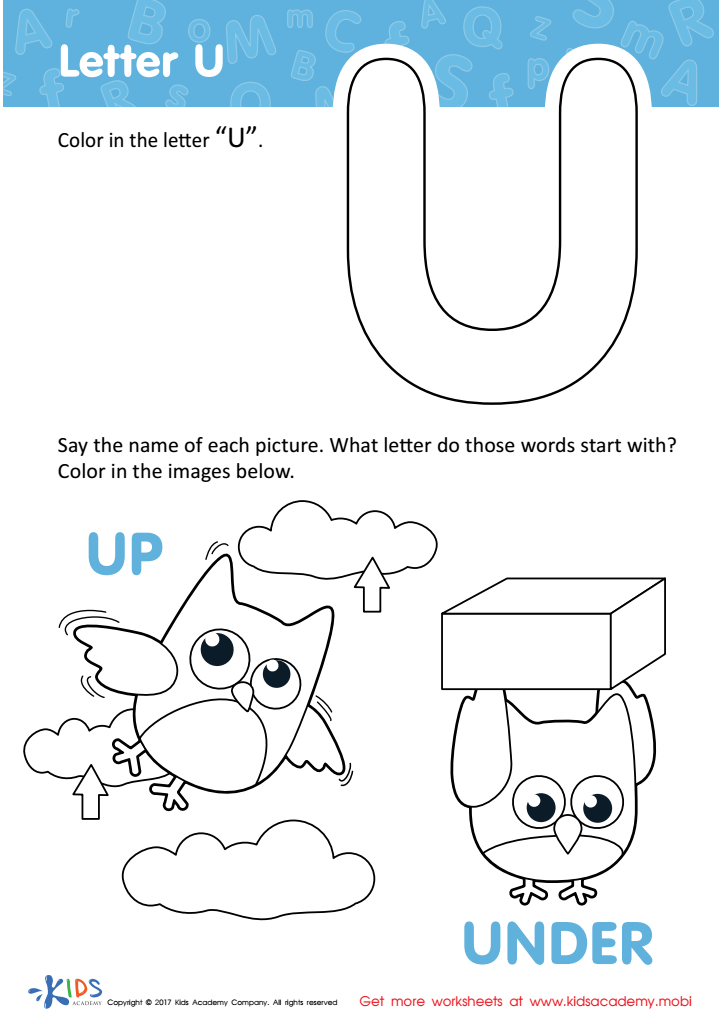
Letter U Coloring Sheet
Assign to My Students
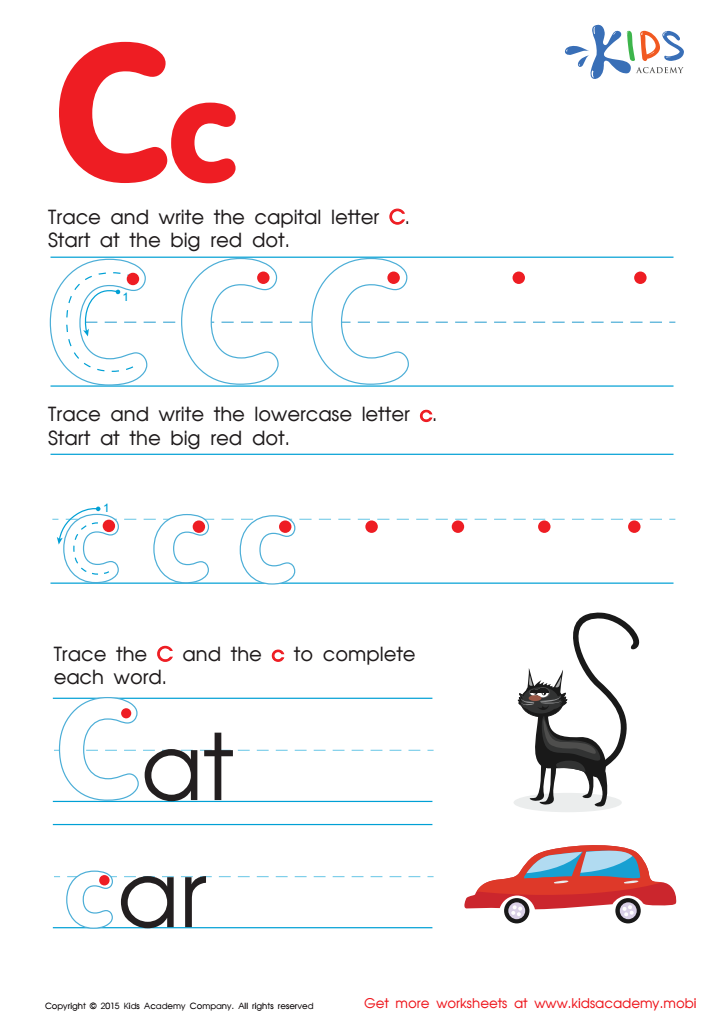
Letter C Tracing Page
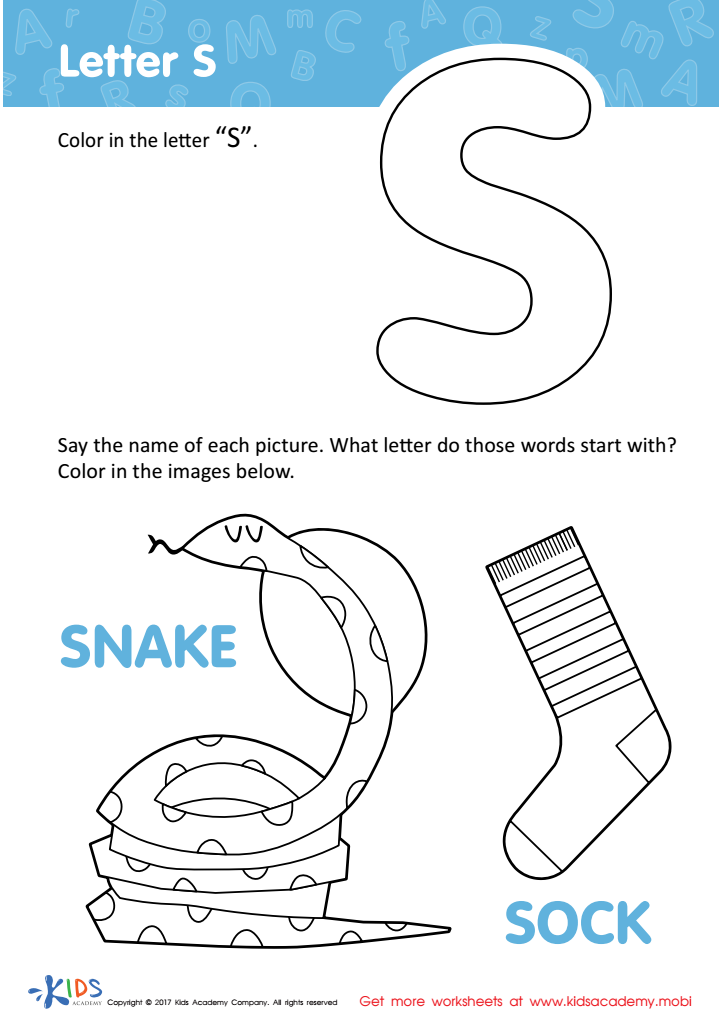
Letter S Coloring Sheet
Assign to My Students

Letter G Tracing Page
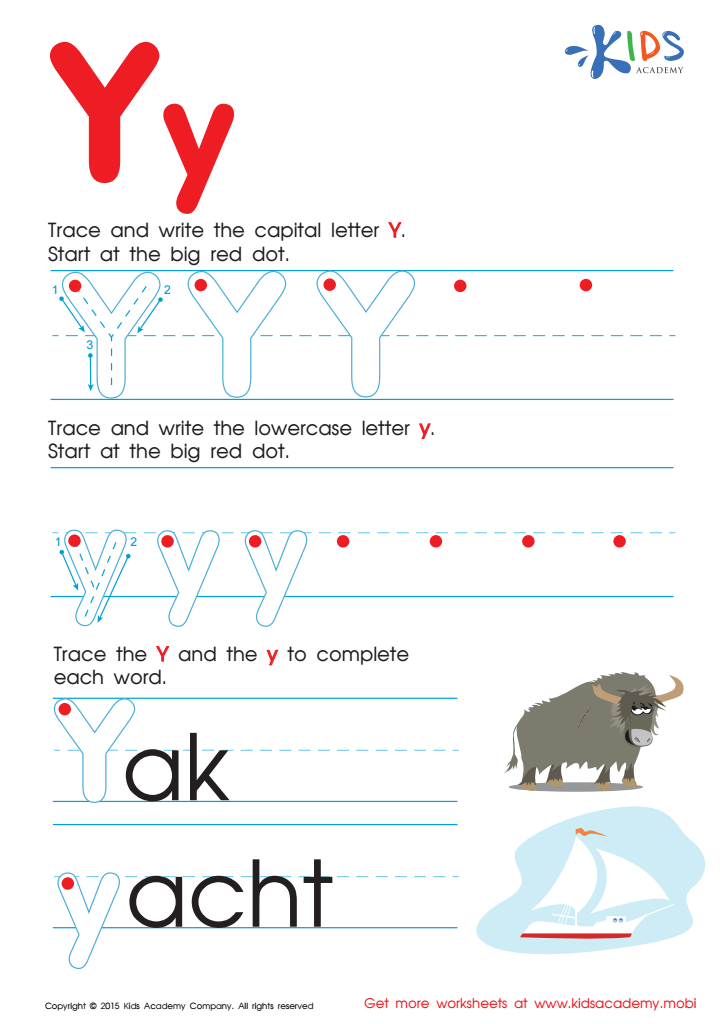
Letter Y Tracing Page
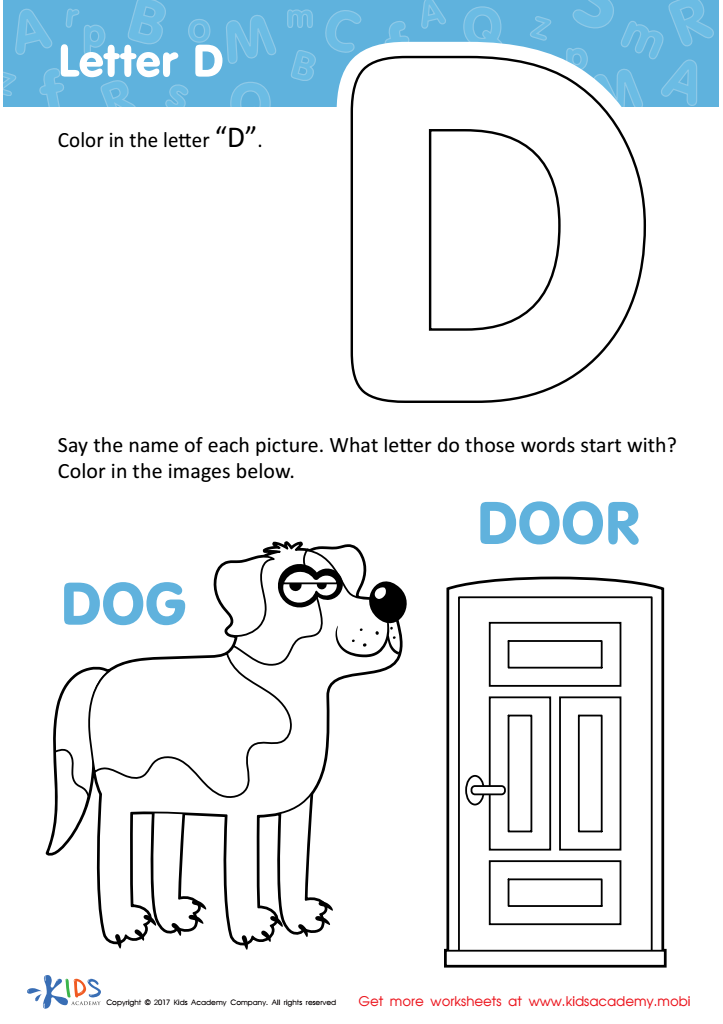
Letter D Coloring Sheet
Assign to My Students
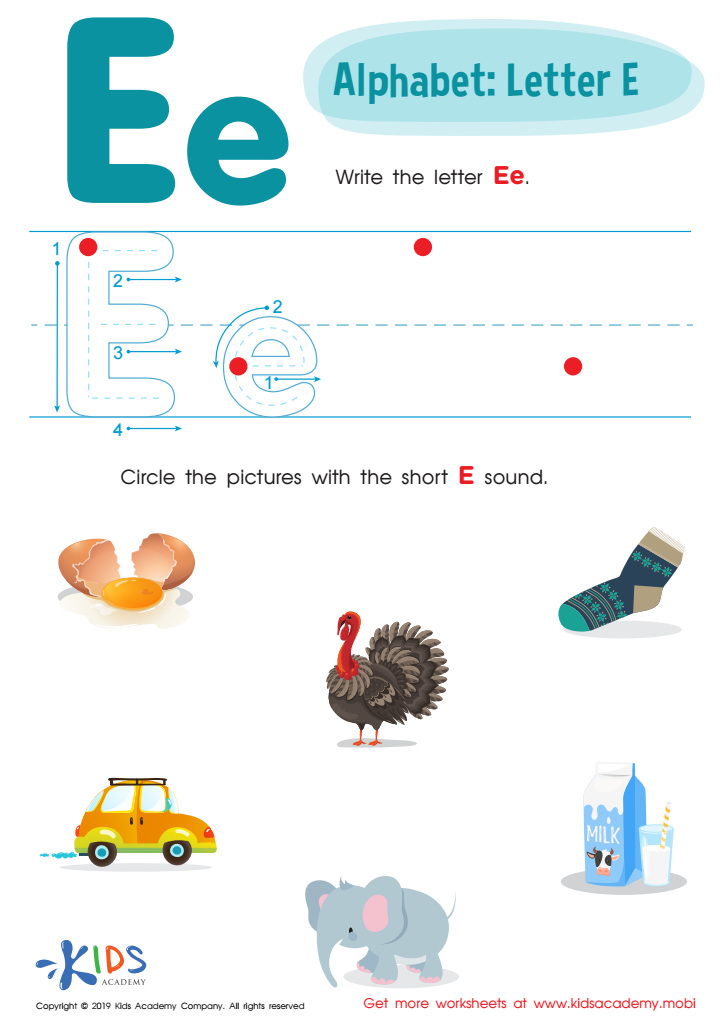
Letter E Tracing Worksheet
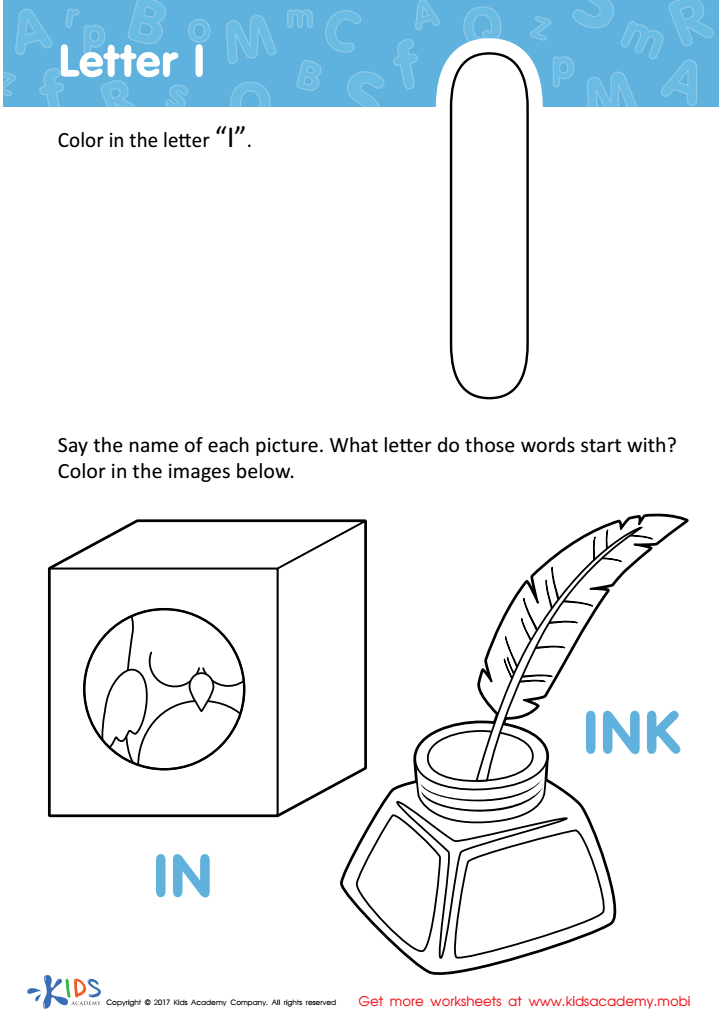
Letter I Coloring Sheet
Assign to My Students
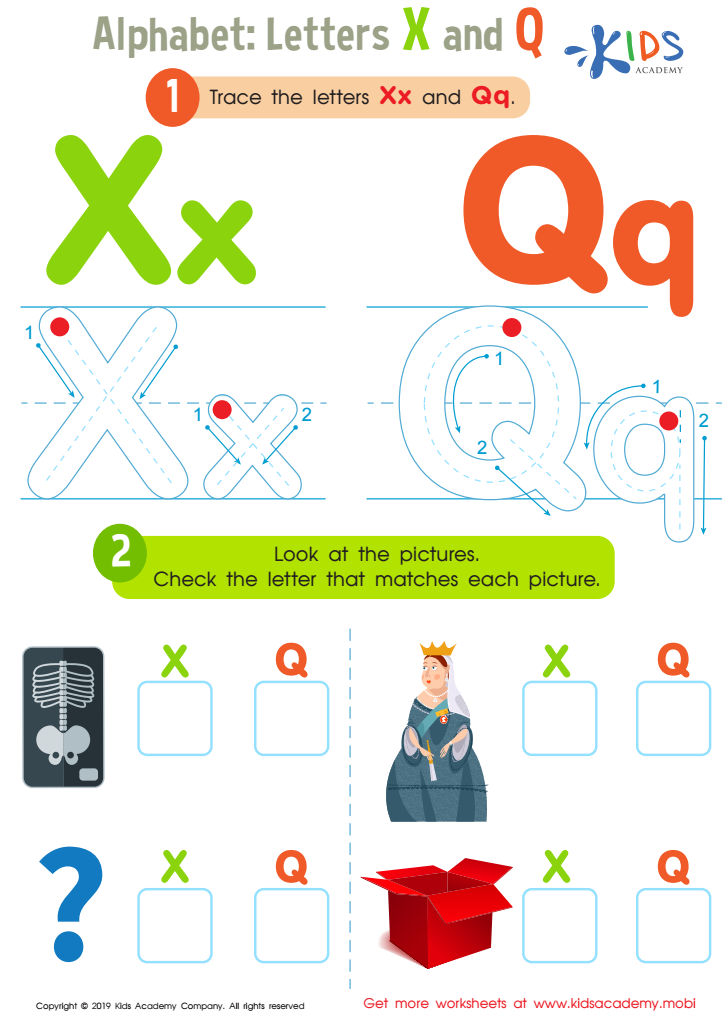
Letters X and Q Tracing Worksheet
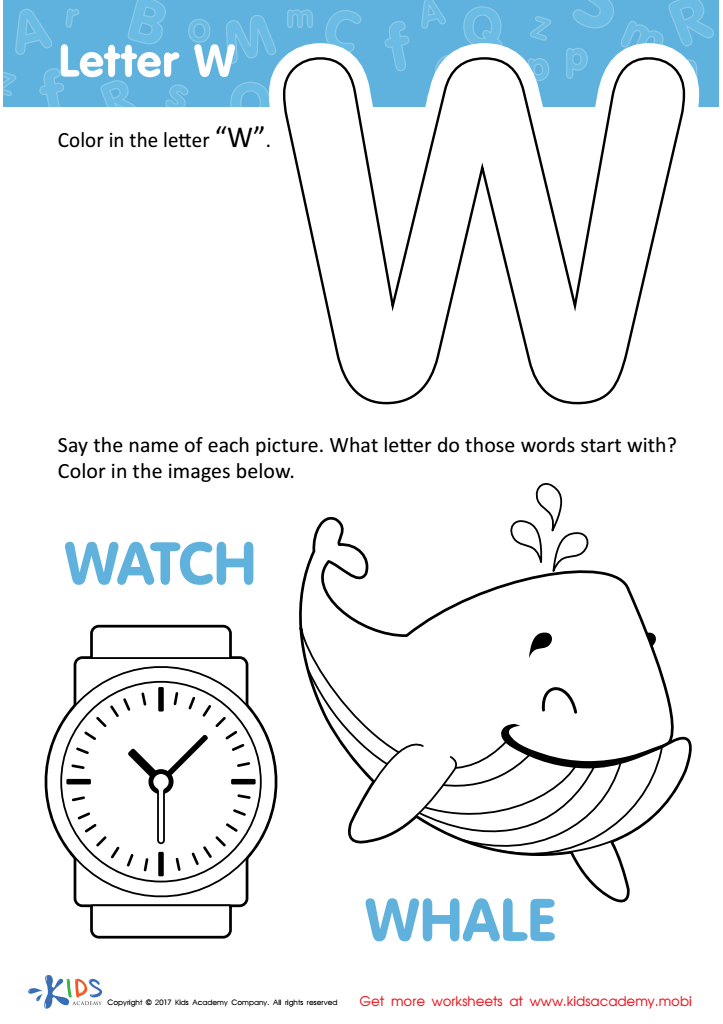
Letter W Coloring Sheet
Assign to My Students
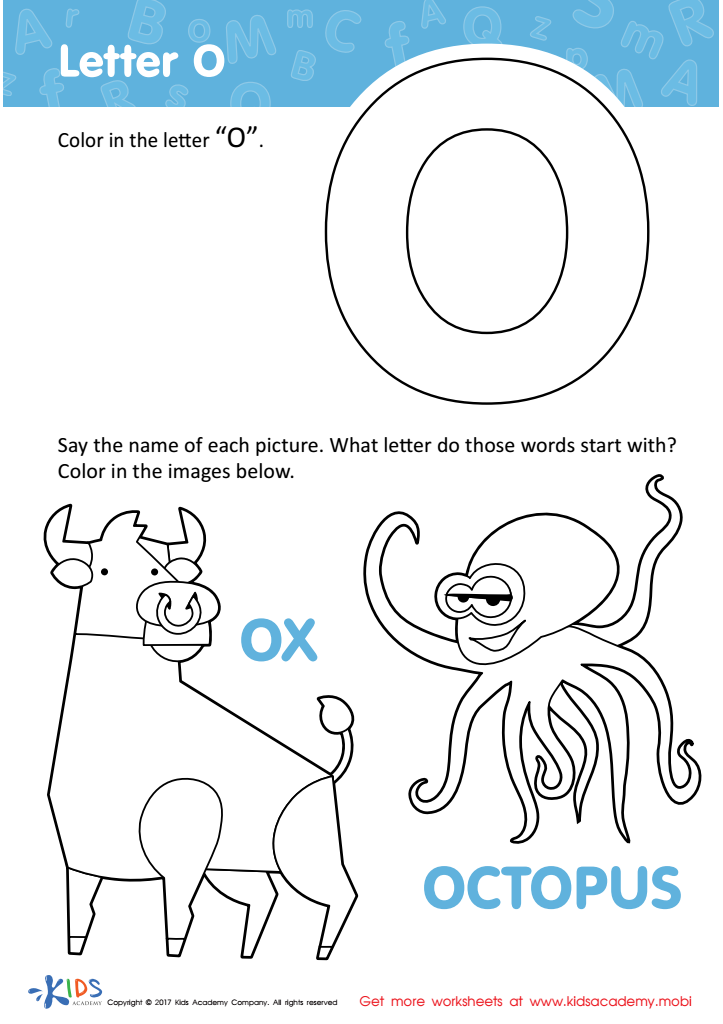
Letter O Coloring Sheet
Assign to My Students
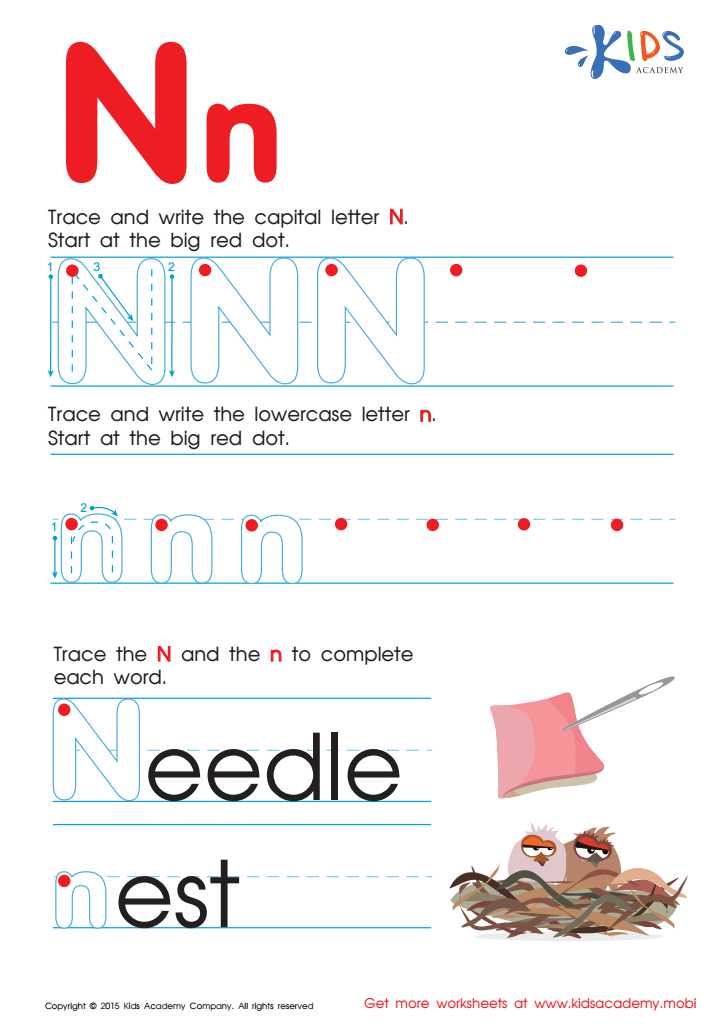
Letter N Tracing Page

Letter V Tracing Page
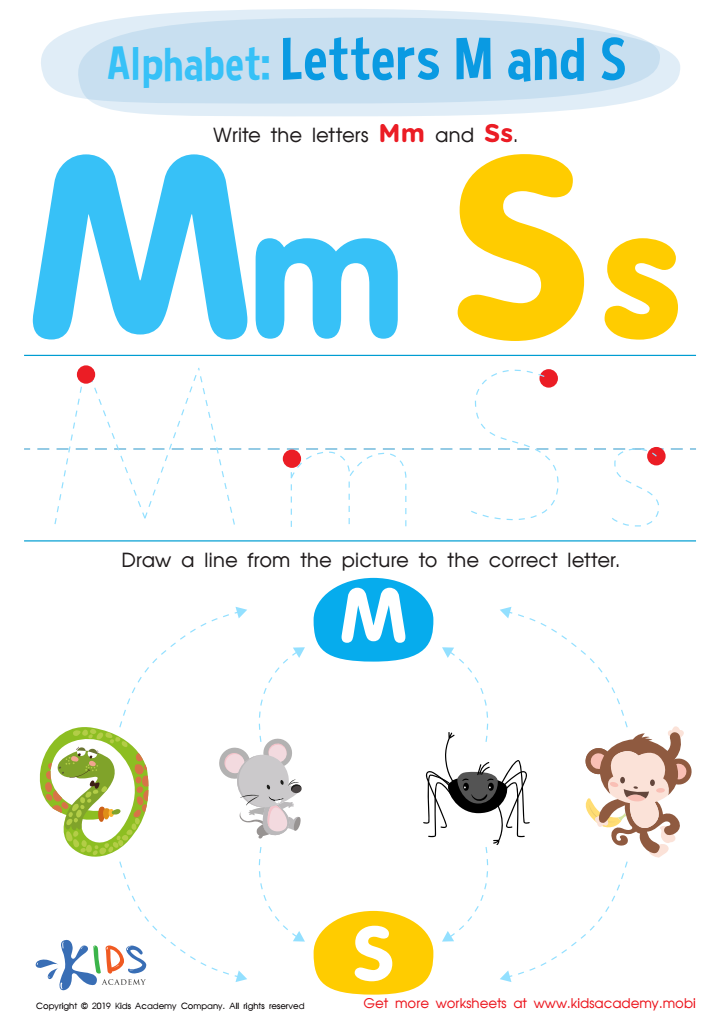
Letters M and S Tracing Worksheet
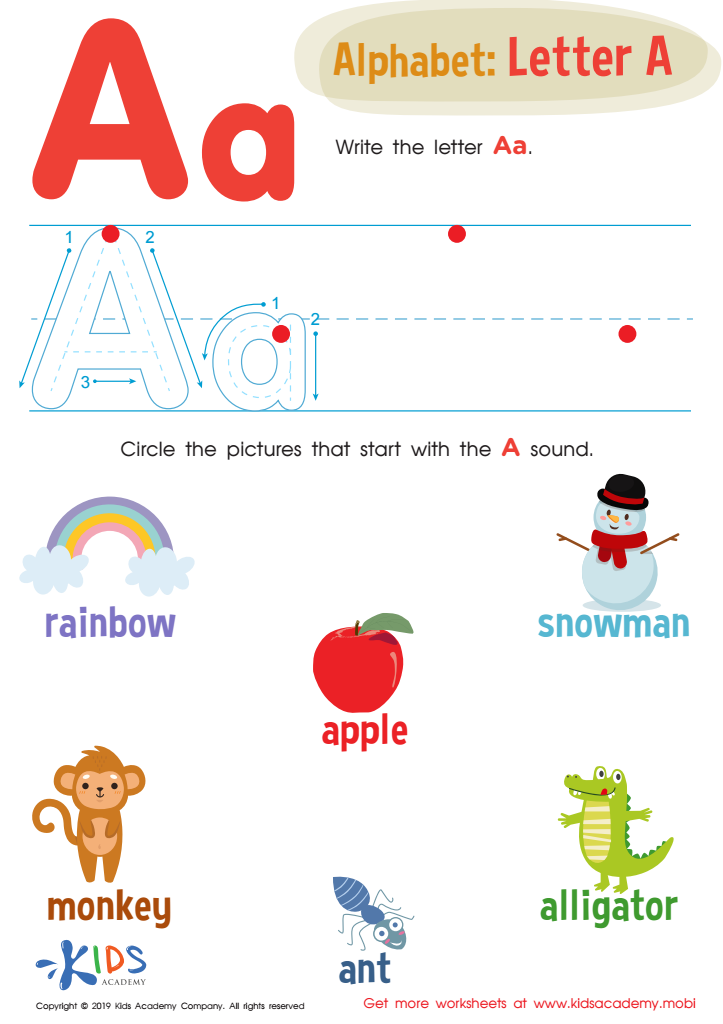
Letter A Tracing Worksheet








Handwriting practice and letter recognition are foundational skills crucial for 7-year-olds as they profoundly impact a child's overall educational development and future learning capabilities. For parents and teachers, emphasizing these skills is essential for several reasons.
First, handwriting practice enhances fine motor skills and hand-eye coordination, which are critical for a child's ability to perform various tasks, both academic and practical. These skills lay the groundwork for more complex activities requiring precision and control, such as drawing or playing a musical instrument.
Second, meticulous handwriting aids cognitive development. When children write letters, they reinforce neural pathways that connect the physical act of writing with mental processes. This reinforcement deepens their understanding of letter shapes and sounds, facilitating smoother reading and writing skills as they progress in school.
Third, letter recognition directly influences literacy development. When children recognize letters effortlessly, they can focus their cognitive resources on higher-level reading skills, such as comprehension and critical thinking. Recognized letters are also building blocks for spelling and vocabulary, ensuring reading fluency and competence, fundamental to academic success across all subjects.
Finally, building confidence in these skills early sets a positive mindset toward learning. As children master handwriting and letter recognition, they gain confidence, encouraging a love for learning and mitigating frustrations related to school work.
In sum, investing time and effort in these areas sets the stage for educational success and lifelong skills.







