Comparing shapes Worksheets for 7-Year-Olds
5 filtered results
-
From - To
Explore our "Comparing Shapes Worksheets for 7-Year-Olds," designed to make learning fun and engaging! These worksheets help children develop essential skills in recognizing and comparing different shapes, ensuring a solid grasp of geometry fundamentals. Featuring a variety of activities, such as matching, identifying, and categorizing shapes, these resources are perfect for enhancing spatial awareness and critical thinking. Each worksheet aligns with educational standards, providing teachers and parents with effective tools to support their child's learning journey. Download our printable worksheets today and empower your 7-year-old to confidently explore the world of shapes!
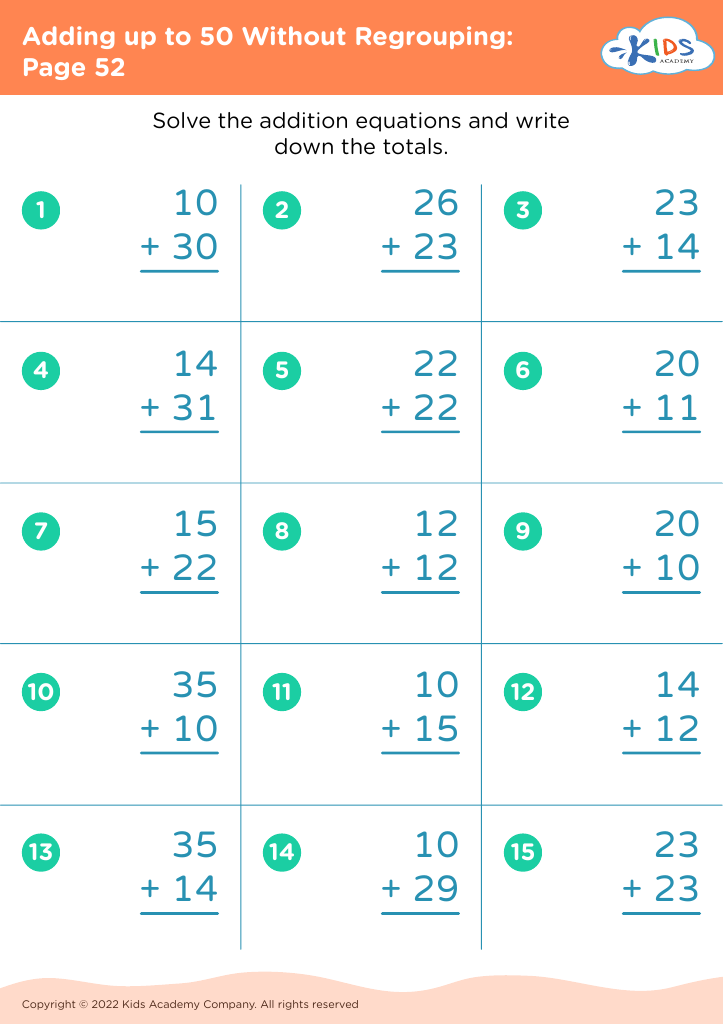
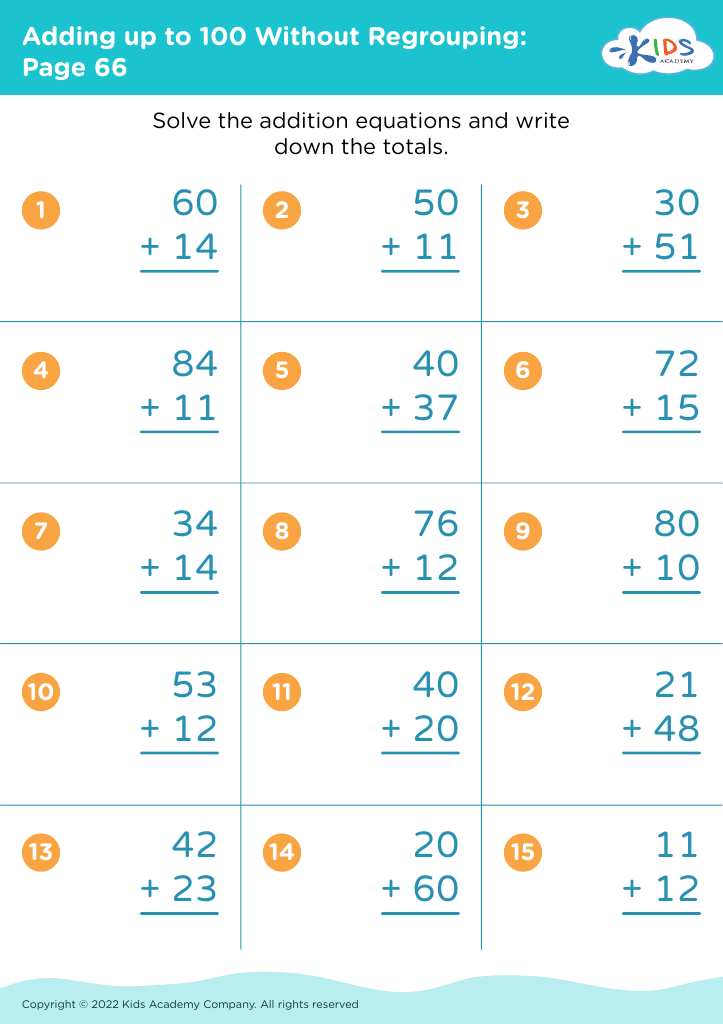
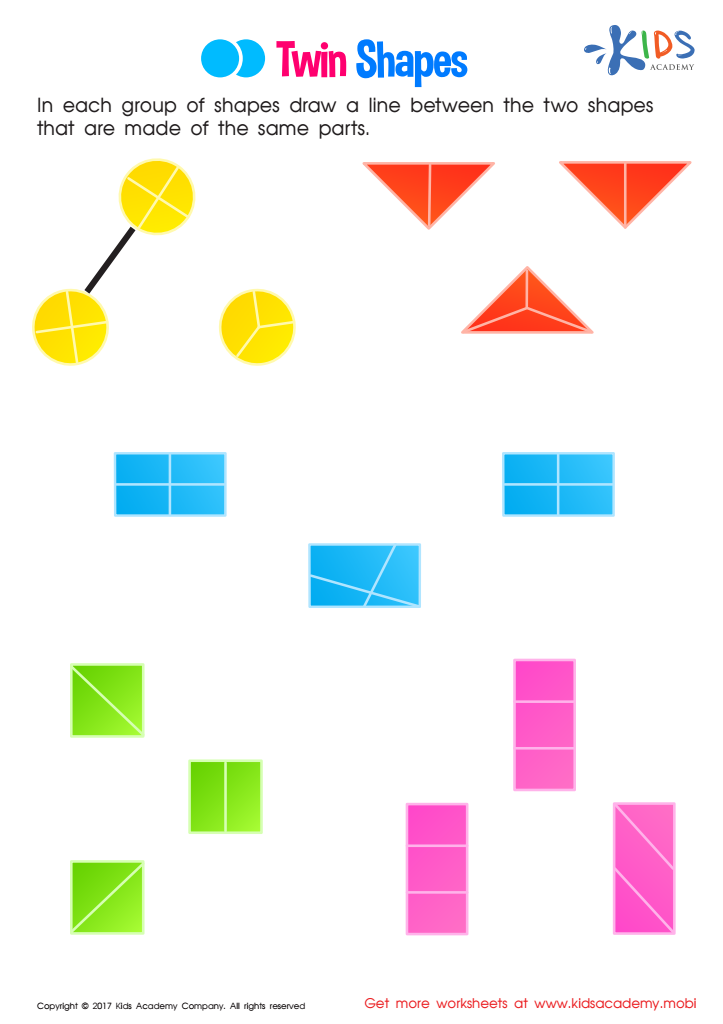
Twin Shapes Worksheet
 Assign to My Students
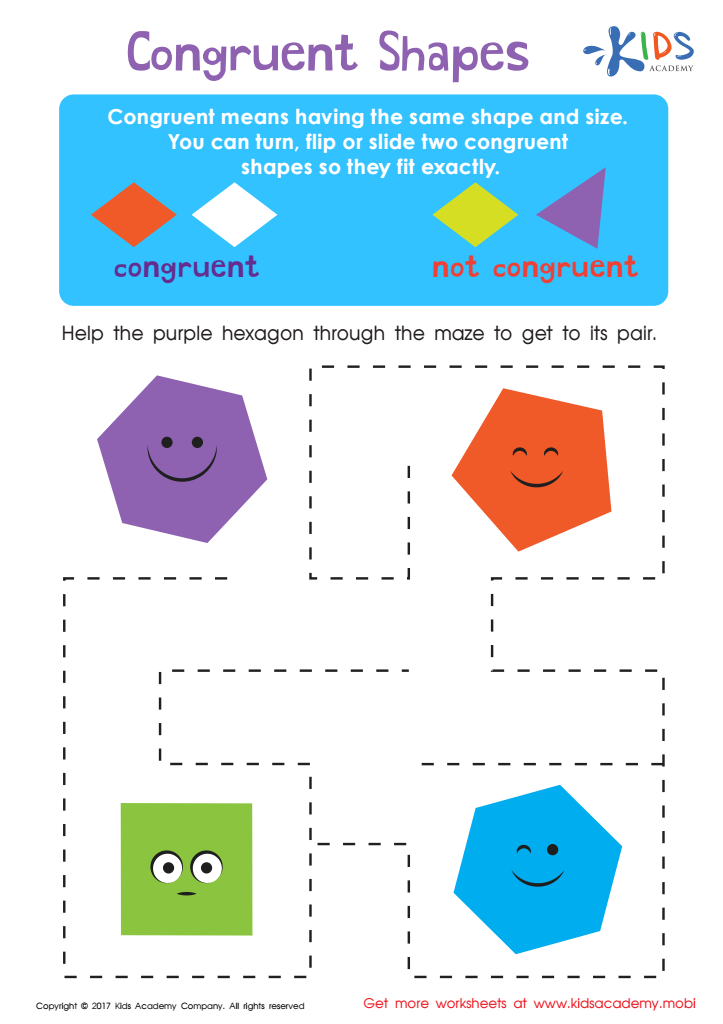
Congruent Shapes Worksheet
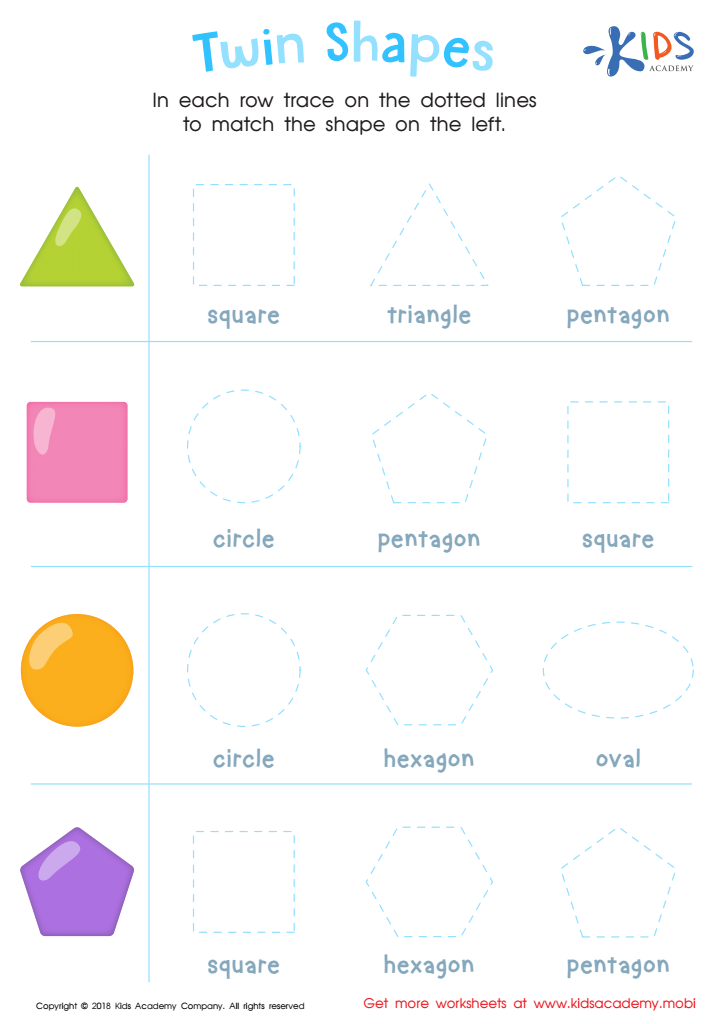
Twin Shapes Dot-to-Dot Worksheet


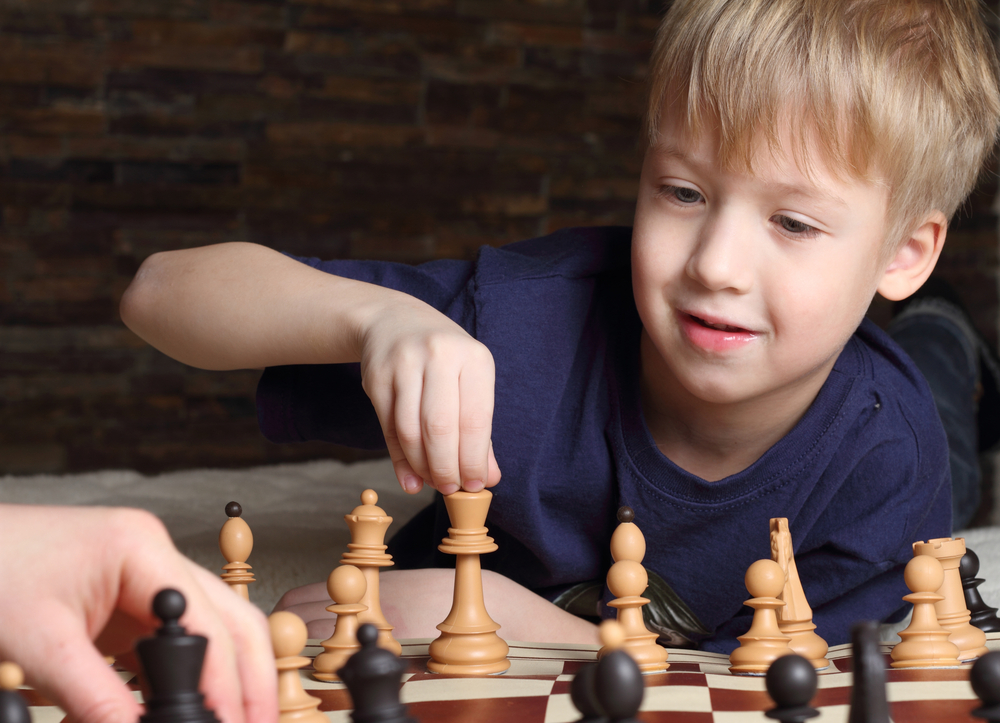


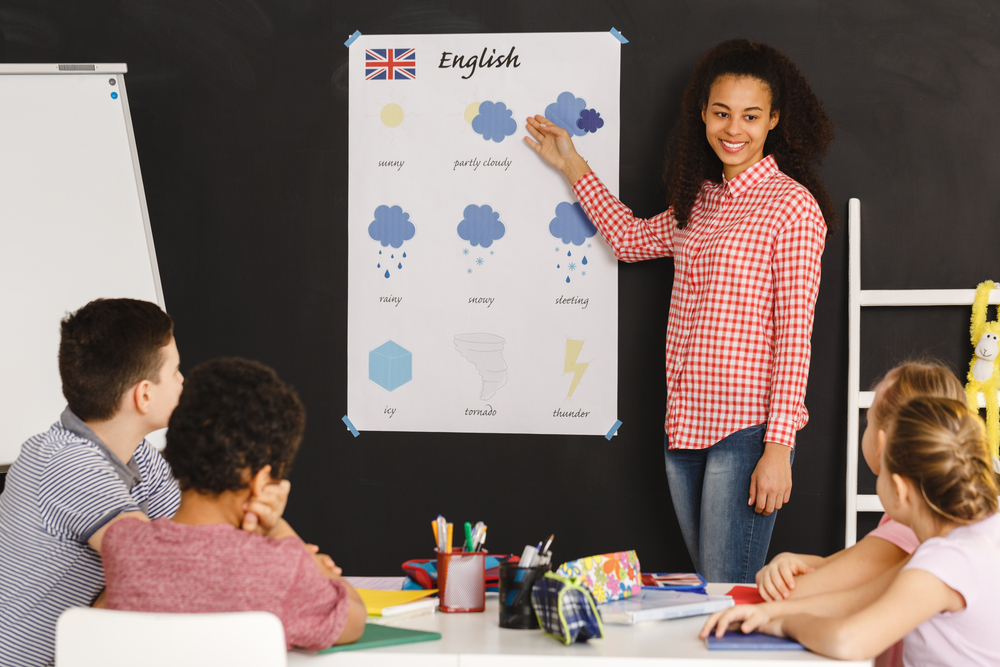


Understanding and comparing shapes is fundamental for 7-year-olds as it lays the groundwork for essential mathematical skills. At this age, children are developing critical thinking and problem-solving abilities. Engaging with shapes sharpens their spatial awareness, allowing them to visualize and interact with their environment more effectively.
Learning to compare shapes fosters observational skills and encourages attention to detail. When children identify similarities and differences—such as size, angles, and symmetry—they enhance their analytical thinking. This skill is not just vital in mathematics; it extends to everyday situations, promoting logical reasoning in real-life contexts.
Moreover, understanding geometry promotes creativity by allowing children to design and manipulate their own shapes, contributing to cognitive development. It serves as a bridge to more complex mathematical concepts like measurement and volume, which they will encounter in later grades.
Teachers and parents play a crucial role in this learning process by incorporating hands-on activities, games, and discussions that make learning fun and engaging. By nurturing shape comparison skills, they are helping children build confidence in their mathematical abilities while also preparing them for future academic challenges. Ultimately, fostering shape recognition helps children become more versatile thinkers.








