Critical Thinking Worksheets for 7-Year-Olds - Page 2
86 filtered results
-
From - To
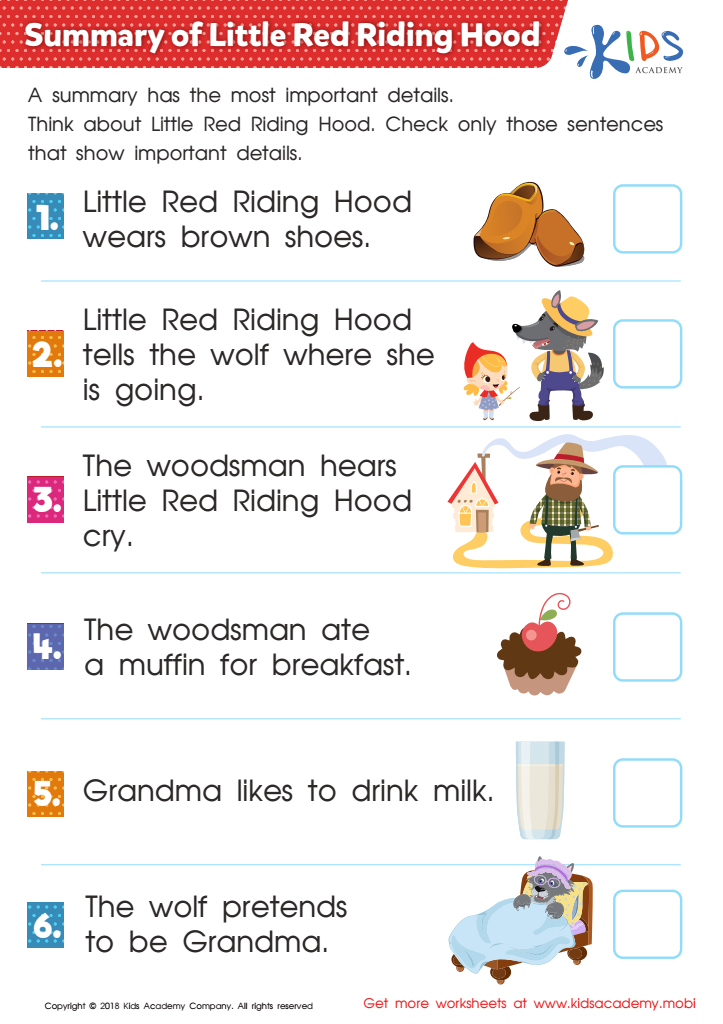
Summary of Little Red Riding Hood Worksheet
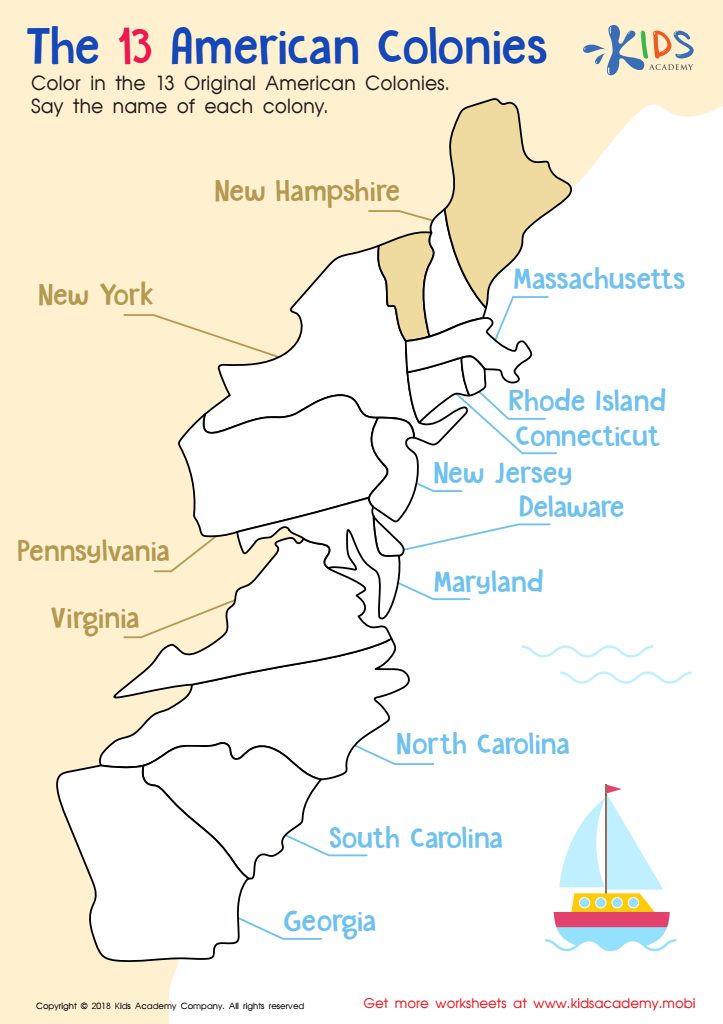
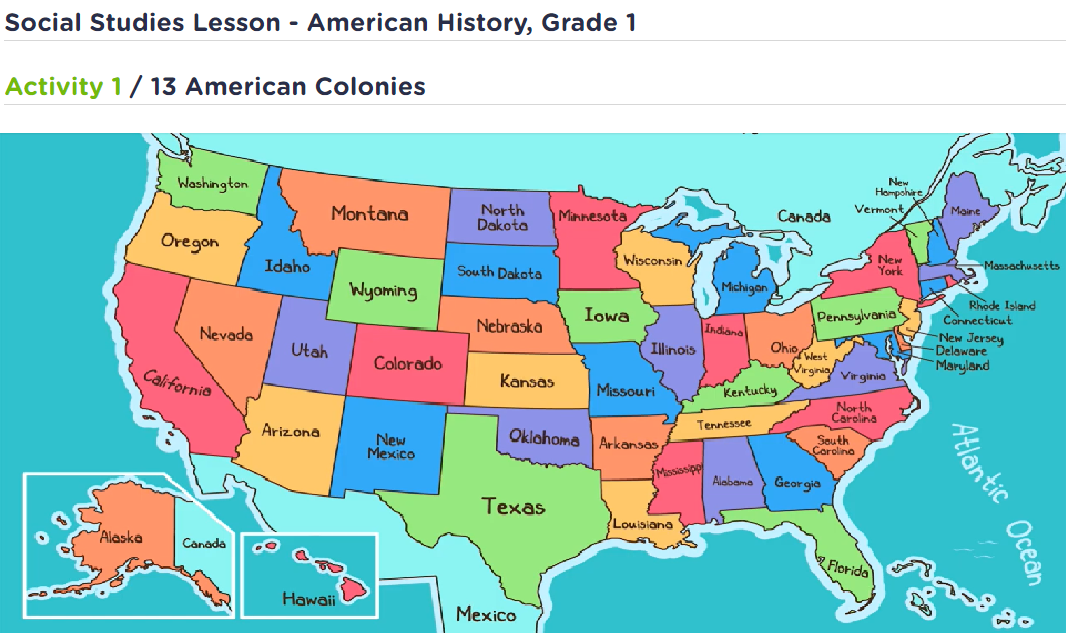
The 13 American Colonies Worksheet
 Assign to My Students
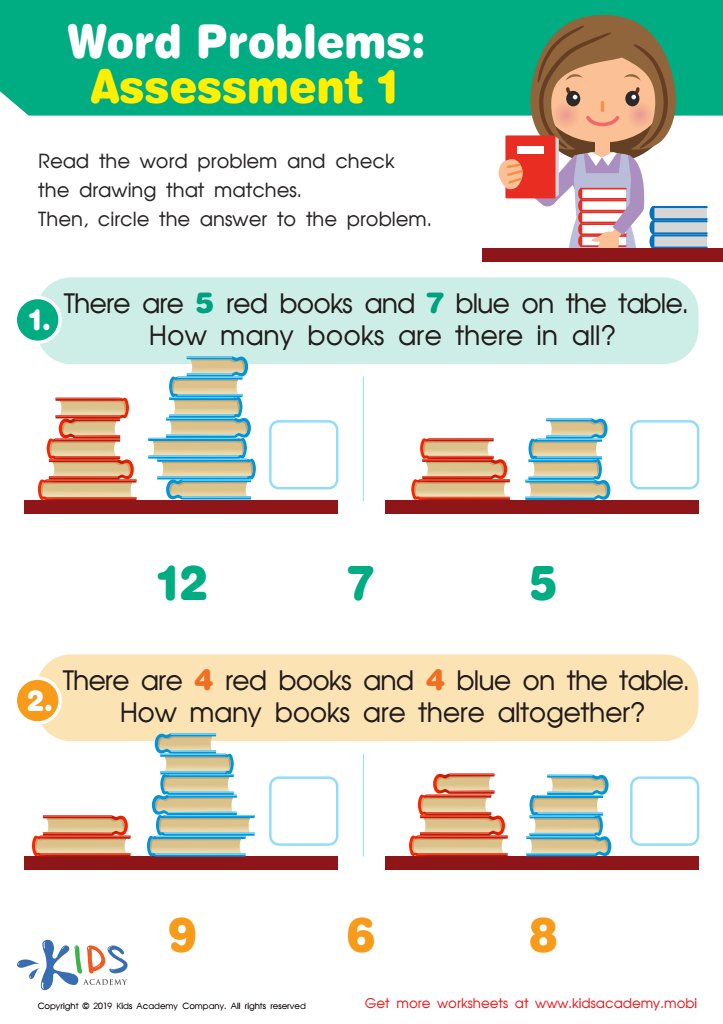
Word Problems: Assessment 1 Worksheet
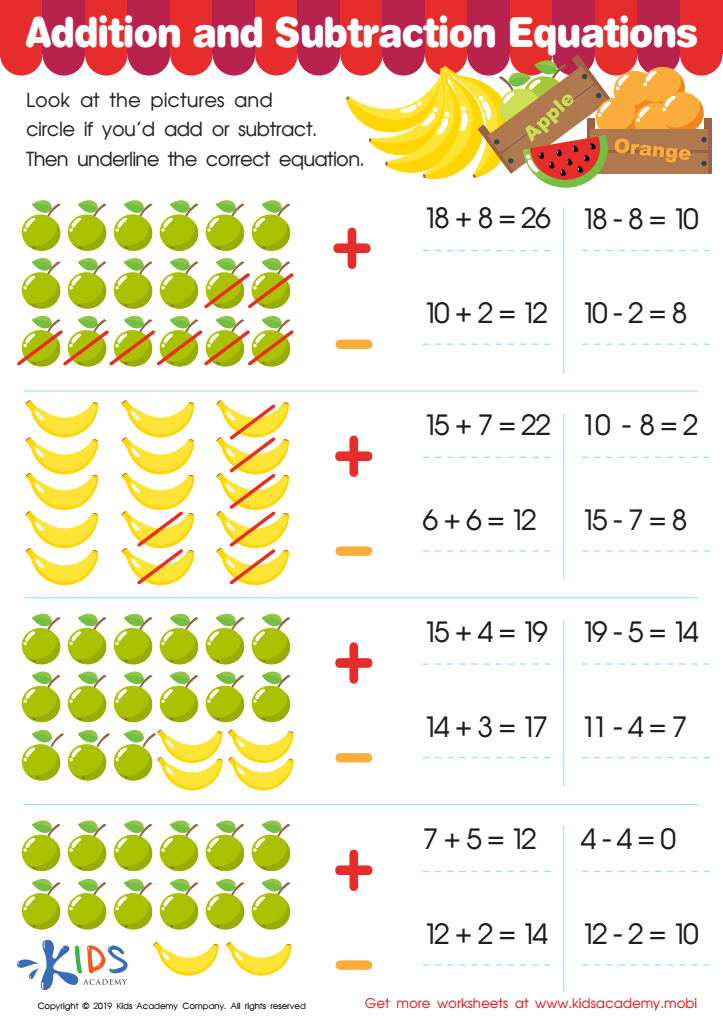
Addition and Subtraction: Equations Worksheet
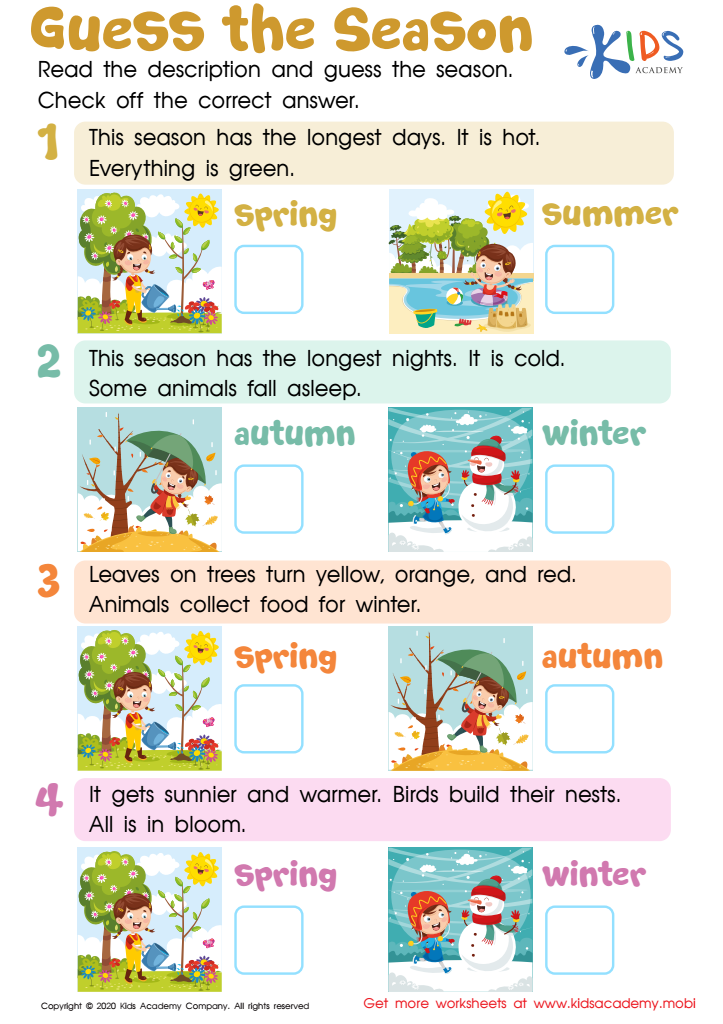
Guess the Season Worksheet
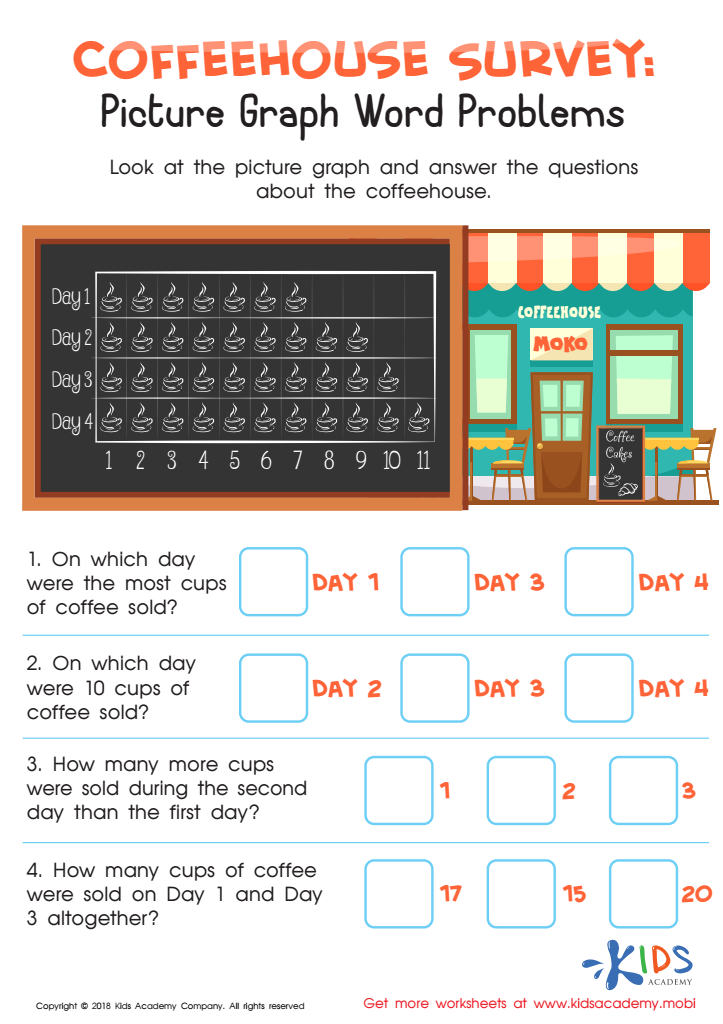
Coffeehouse Survey: Picture Graph Word Problems Worksheet
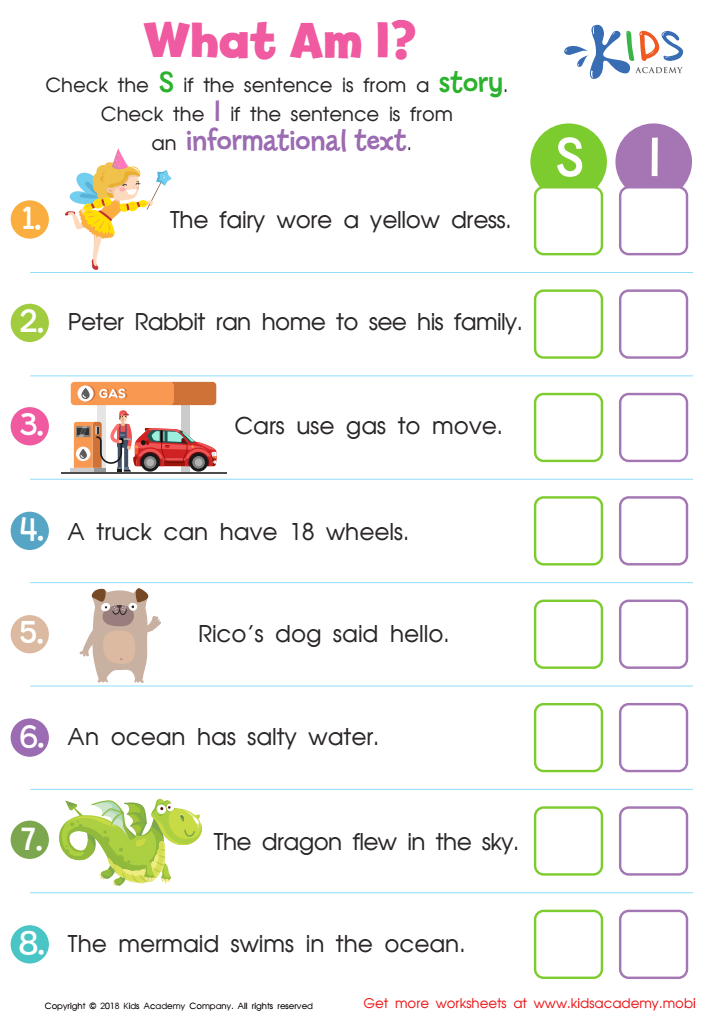
What Am I? Worksheet
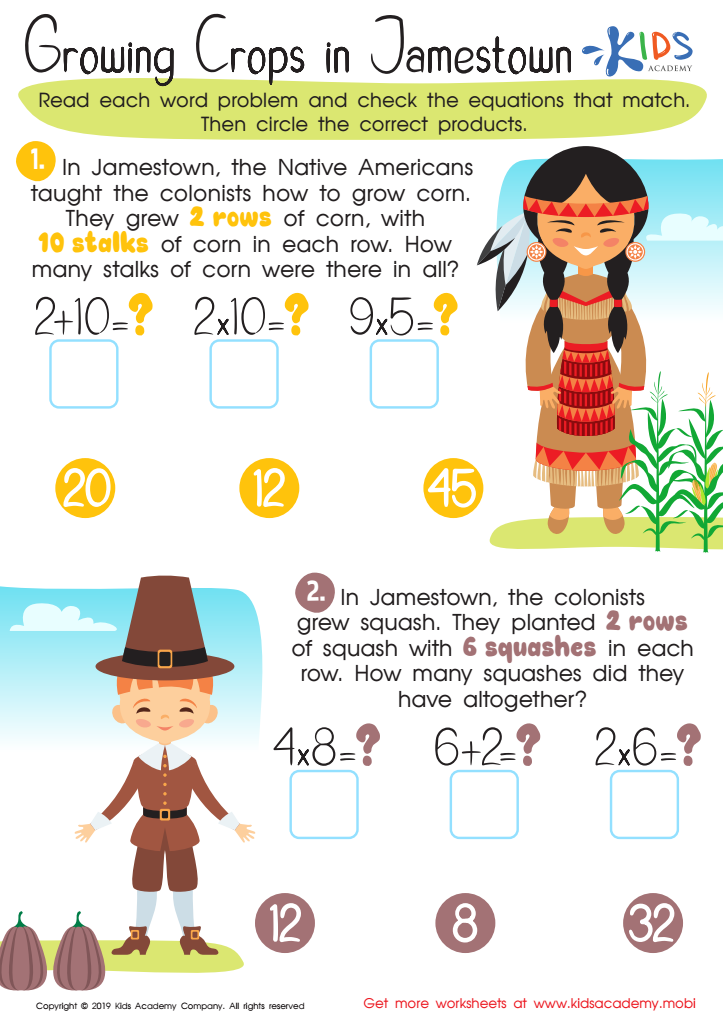
Growing Jamestown Worksheet
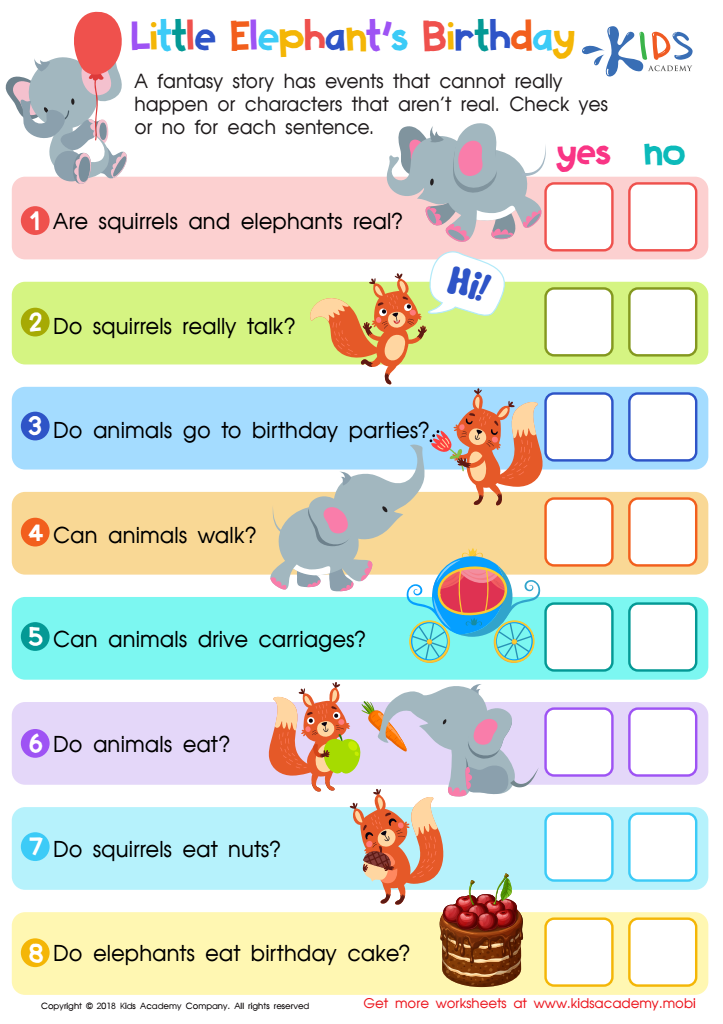
Little Elephant's Birthday Worksheet
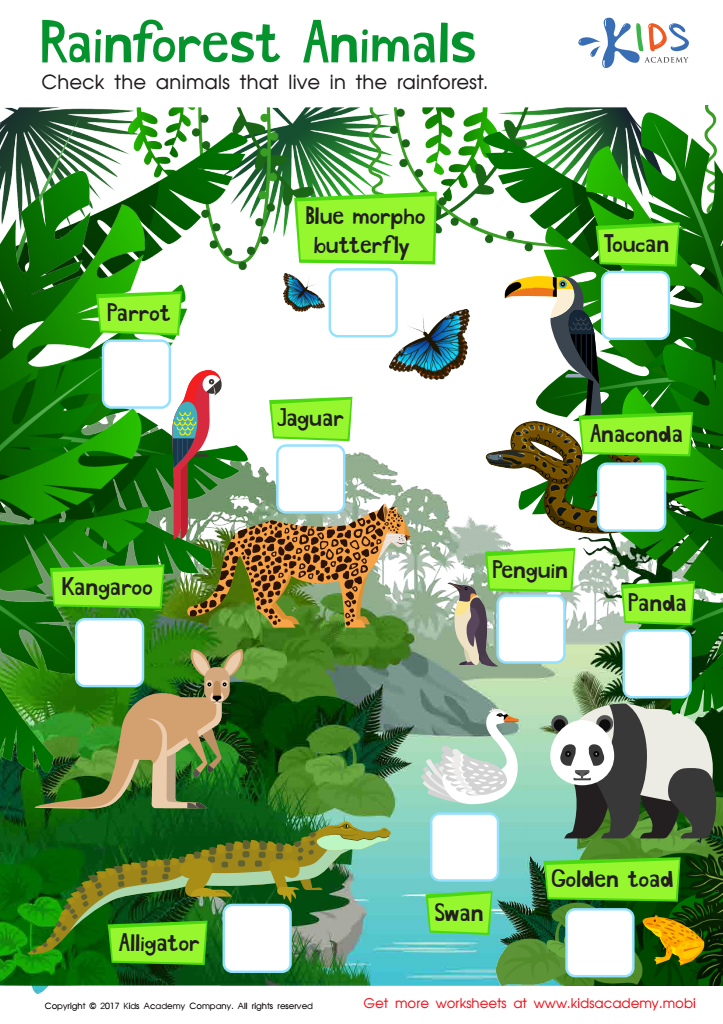
Rainforest Animals Worksheet
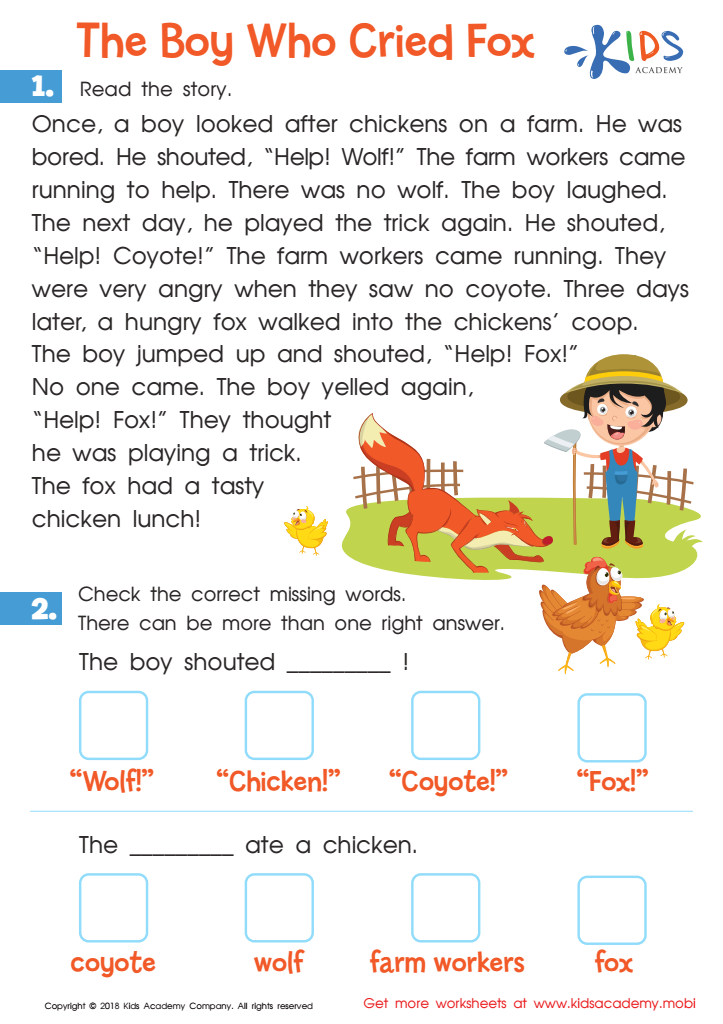
The Boy Who Cried Fox Worksheet
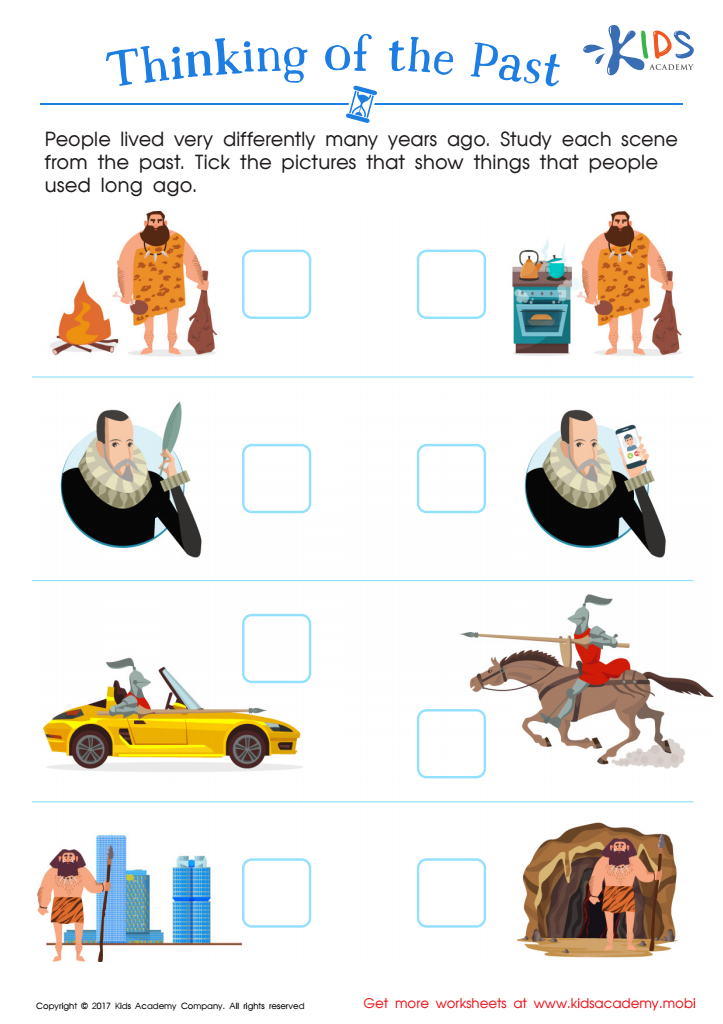
Thinking Past Printable
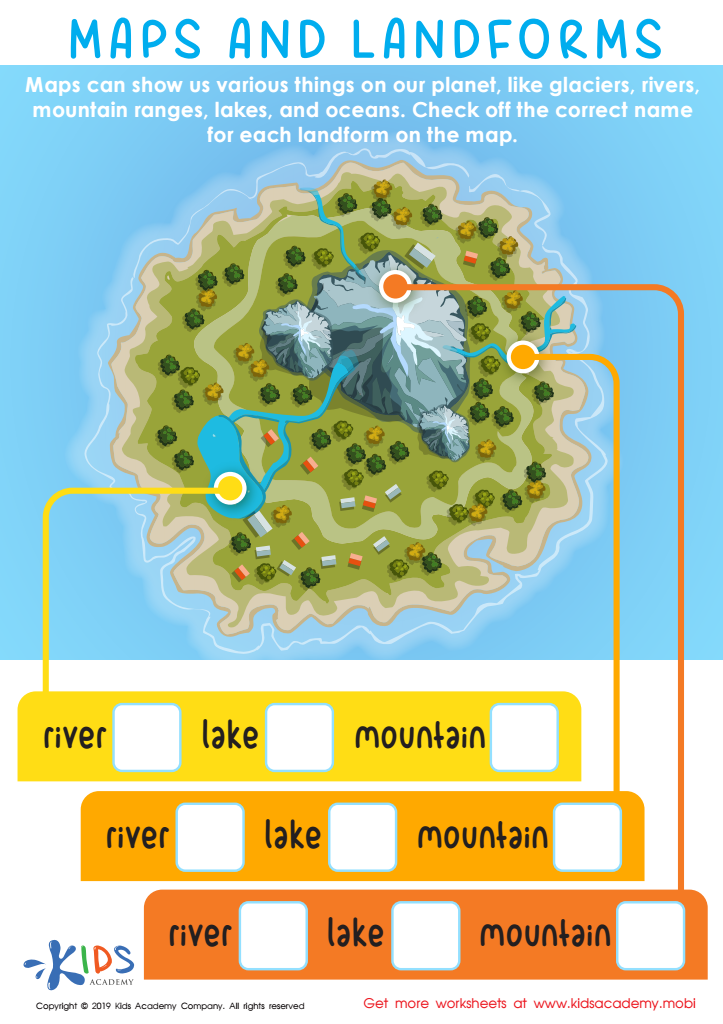
Maps and Landforms Worksheet
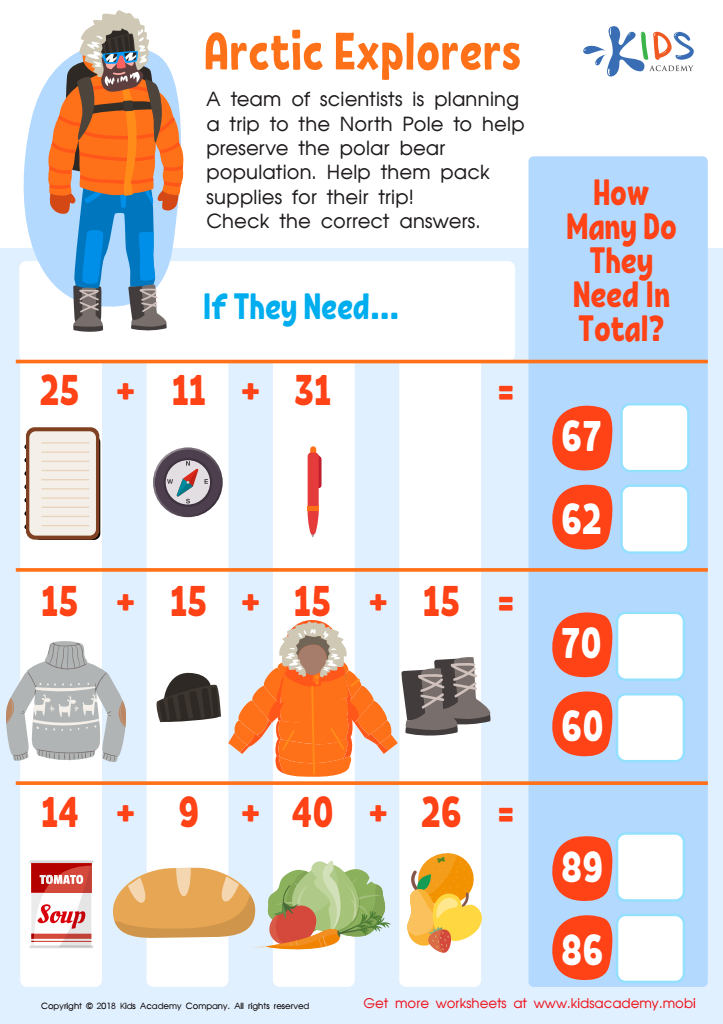
Arctic Explorers Worksheet






Critical thinking is essential for 7-year-olds as it lays the groundwork for their cognitive development, problem-solving abilities, and decision-making skills. At this age, children are naturally curious and eager to understand the world around them. Encouraging critical thinking helps children learn how to ask questions, analyze information, and become independent thinkers.
Parents and teachers should prioritize fostering these skills because they empower children to navigate complex situations, both academically and socially. By nurturing critical thinking, educators promote resilience—helping children learn to face challenges rather than avoid them. This skill set enhances creativity and innovation, helping children approach problems with a fresh perspective.
Moreover, critical thinking cultivates empathy and social understanding. As children learn to consider different viewpoints, they become better communicators and collaborators, essential traits in a diverse world. Leading a classroom discussion, engaging in debates, or tackling real-life problems can all be effective exercises in critical thinking.
Involving parents in this process—through discussions about everyday decisions or encouraging exploration—reinforces these skills at home. Ultimately, nurturing critical thinking prepares 7-year-olds not just for academic success, but for lifelong learning, adaptability, and active, thoughtful participation in society.








