Improve number recognition Worksheets for 7-Year-Olds
16 filtered results
-
From - To
Enhance your 7-year-old's number recognition skills with our engaging worksheets! Designed to make learning fun, these printable activities help children identify and understand numbers through various interactive exercises. From matching numbers to fun counting games, our worksheets cater to different learning styles, reinforcing their grasp of essential math concepts. Children will boost their confidence while developing an essential foundational skill crucial for future math success. Perfect for classroom use or at-home learning, our resources are both educational and enjoyable. Download now to give your child the tools they need to excel in number recognition and set them up for academic success!
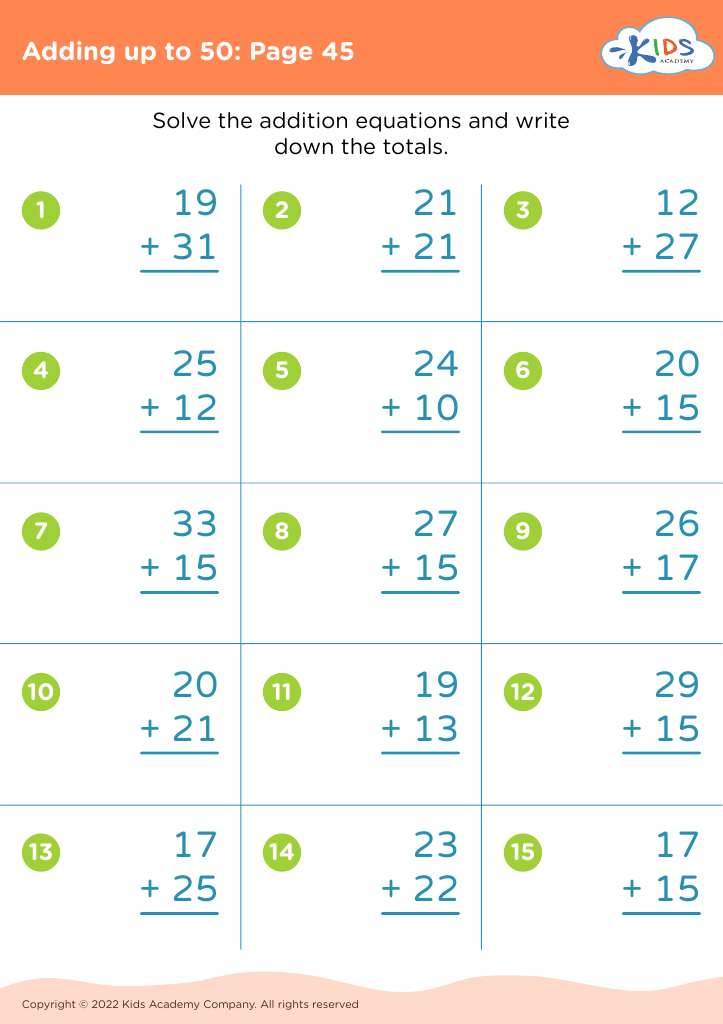
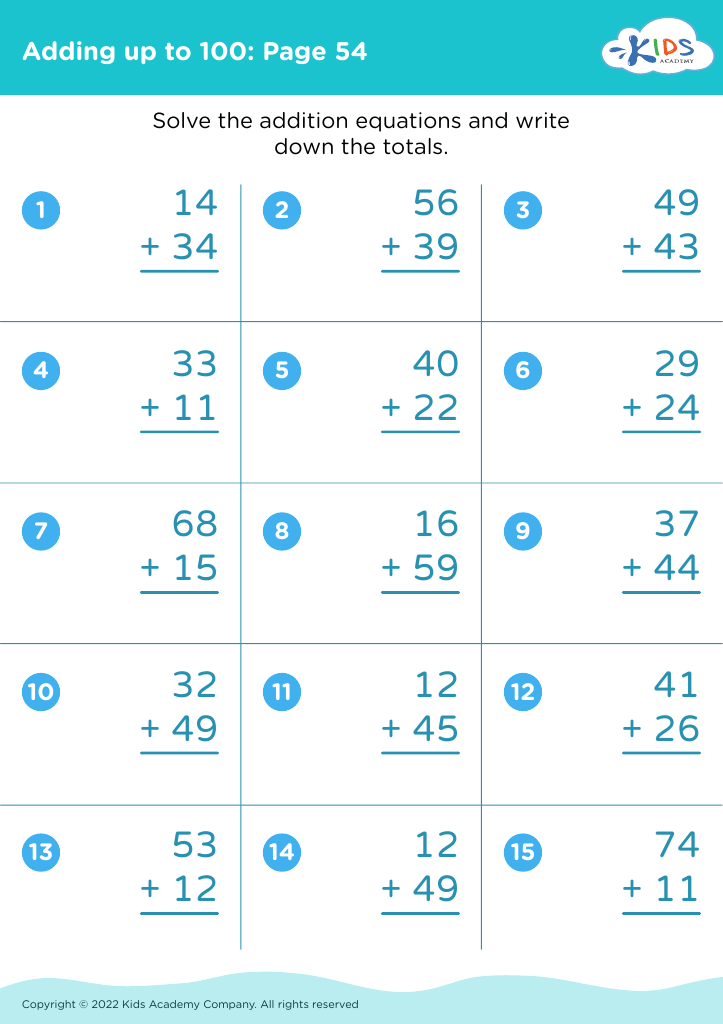
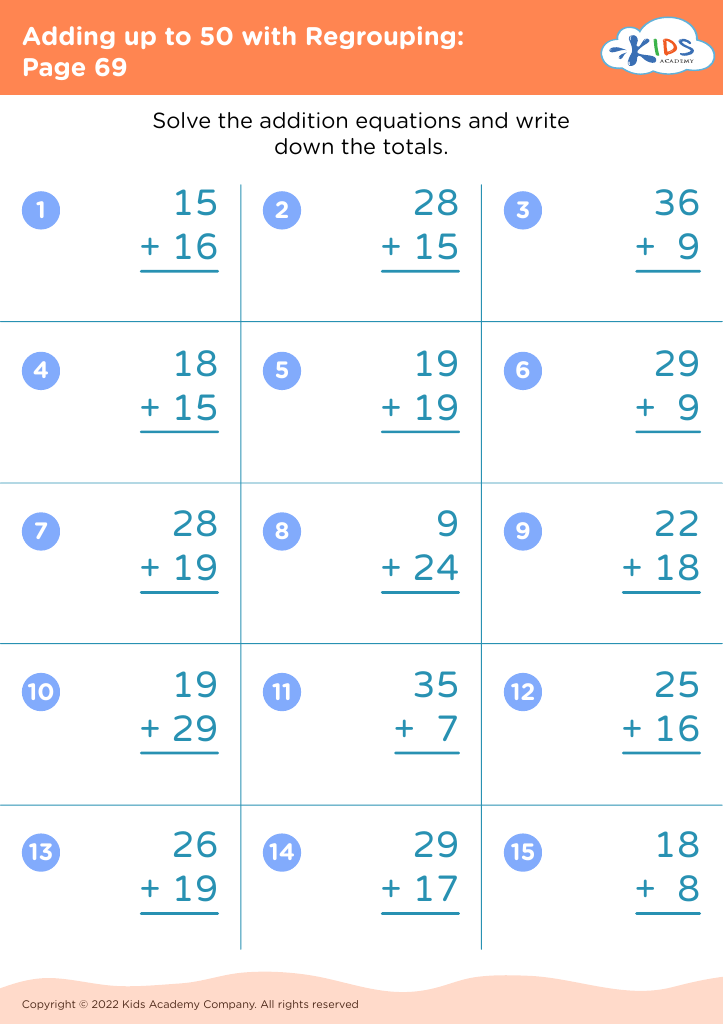
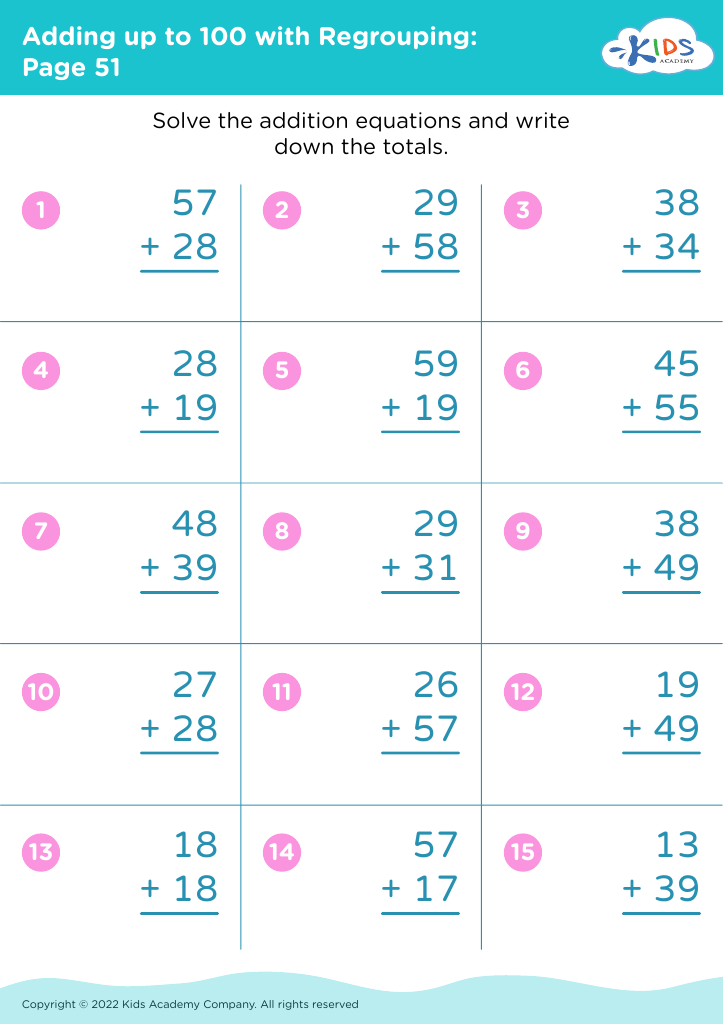
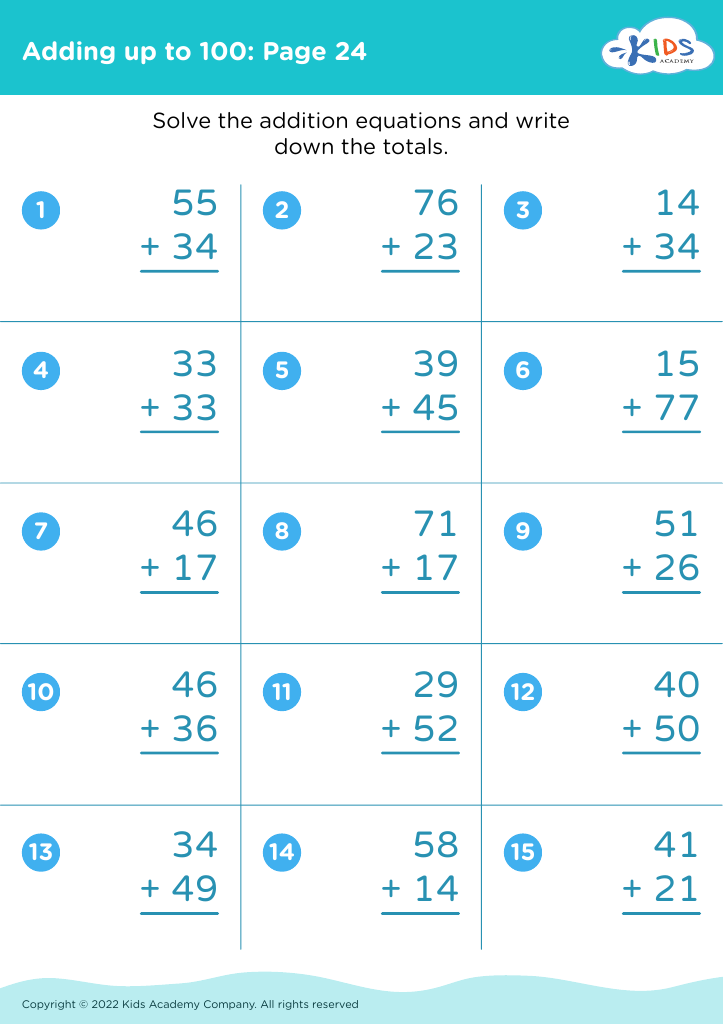
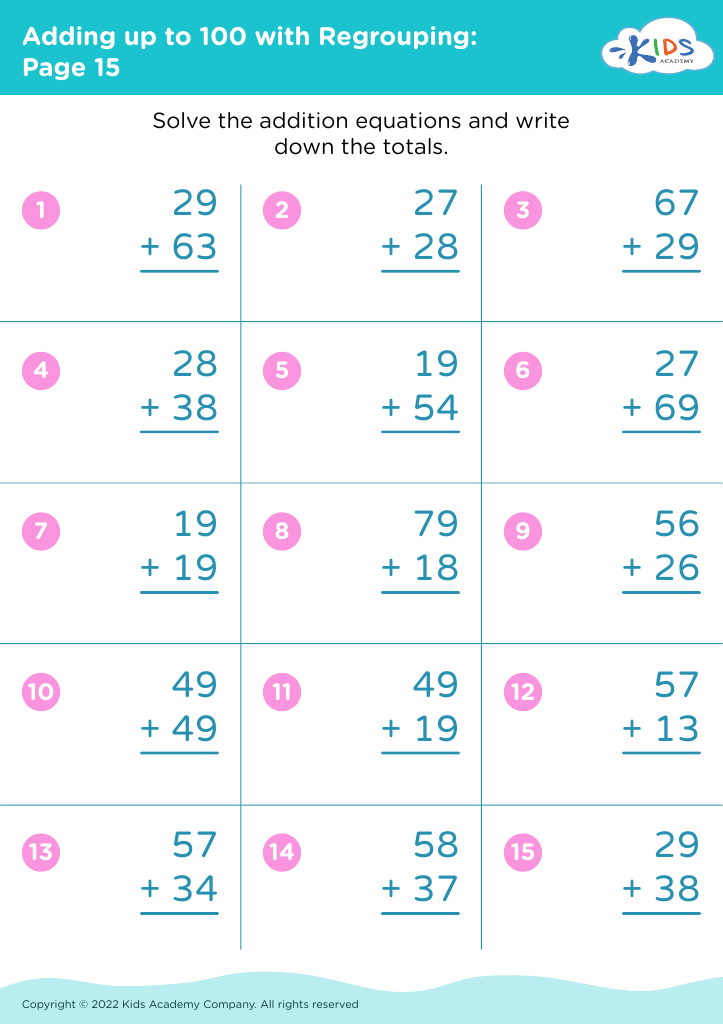
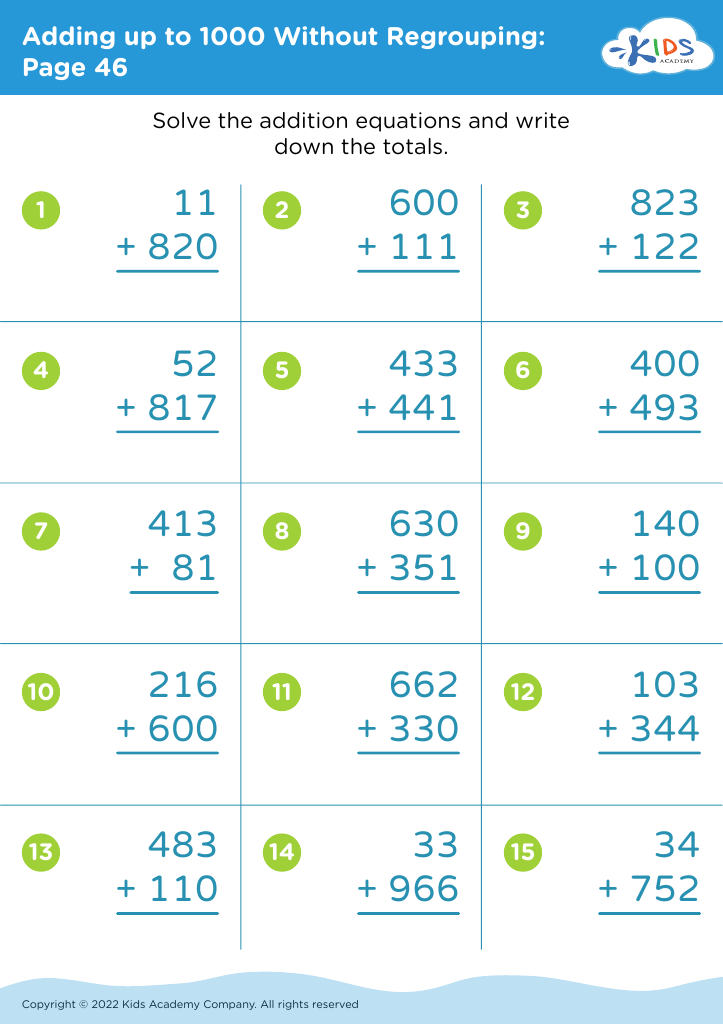
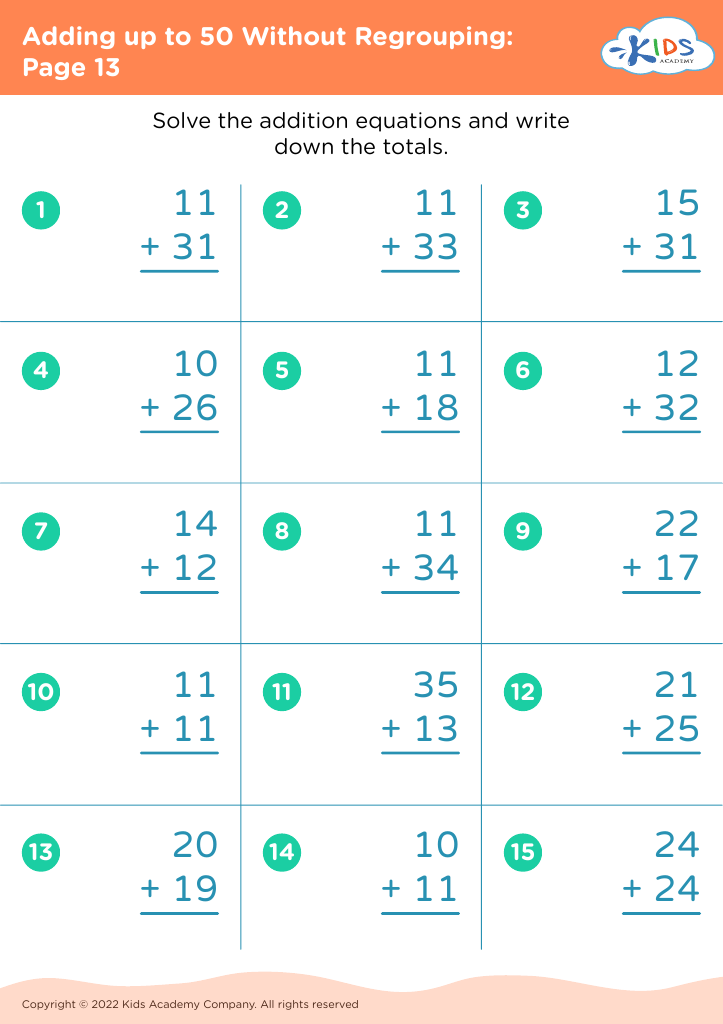
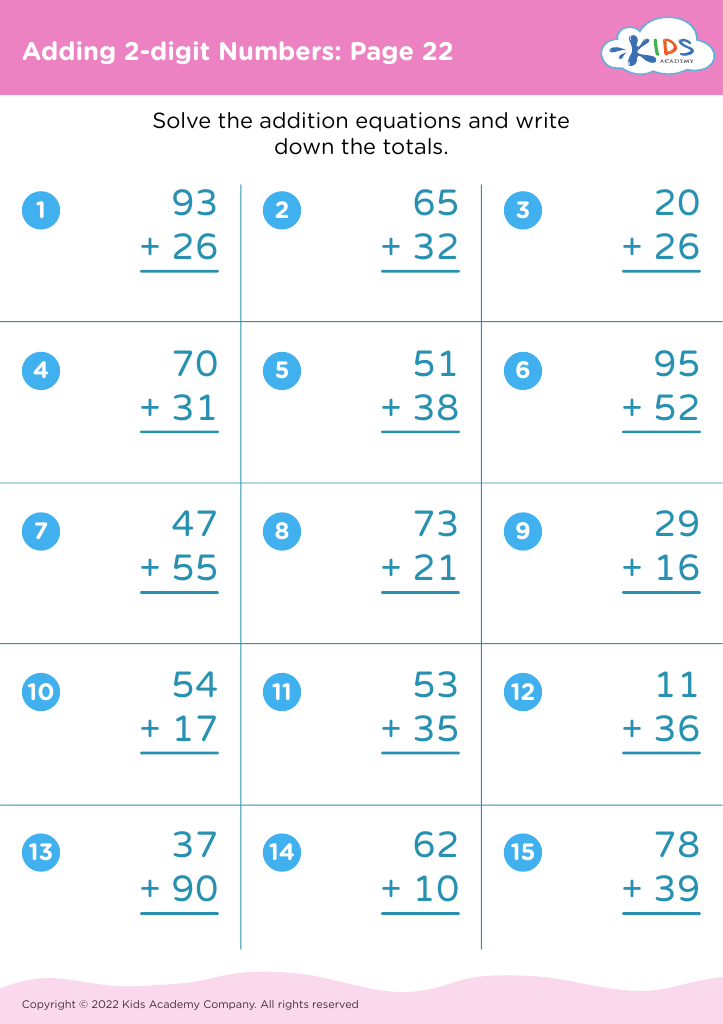
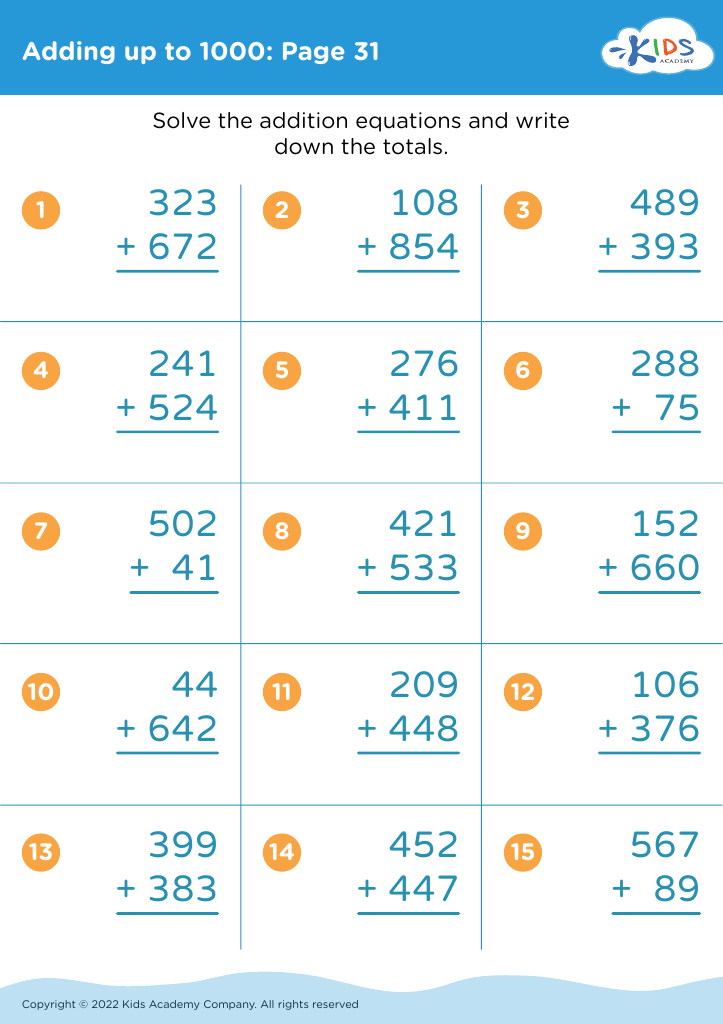
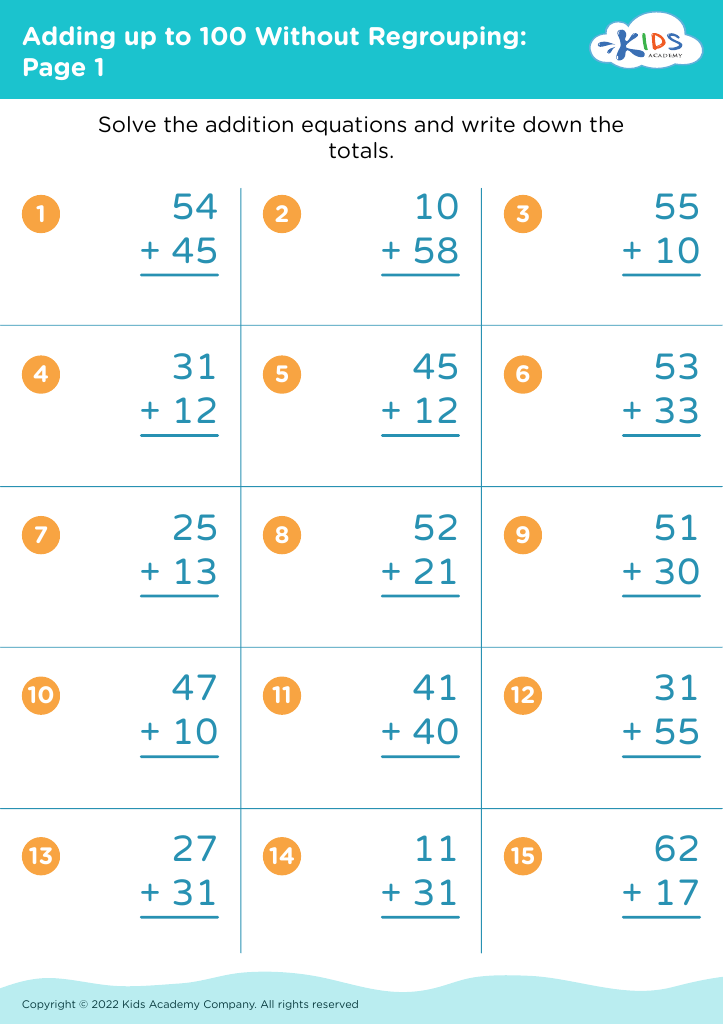
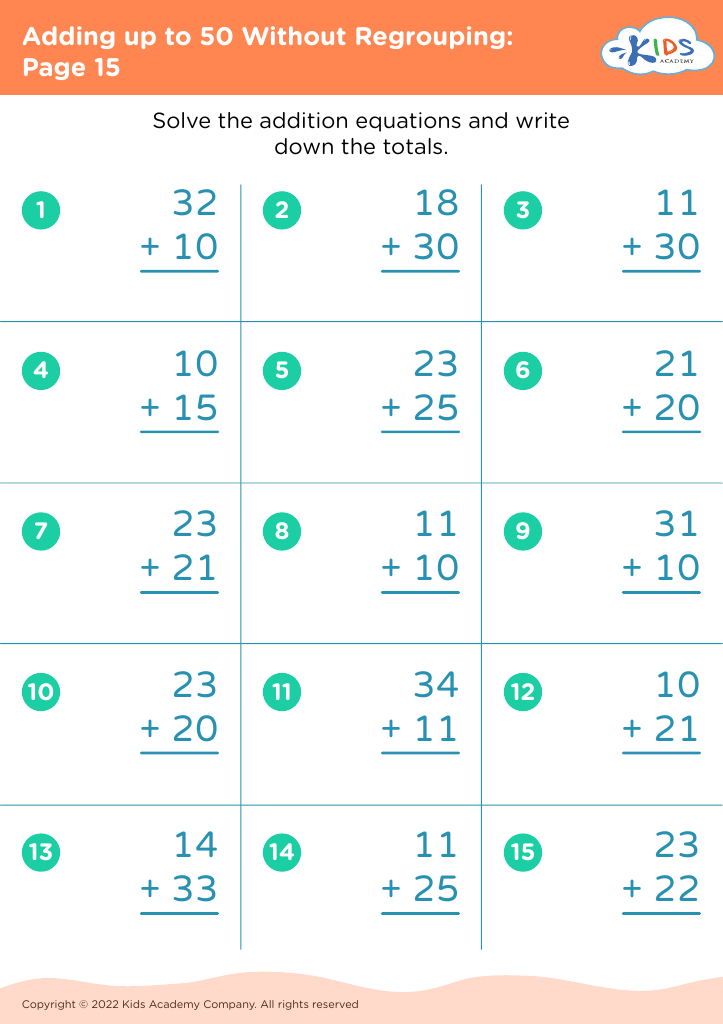
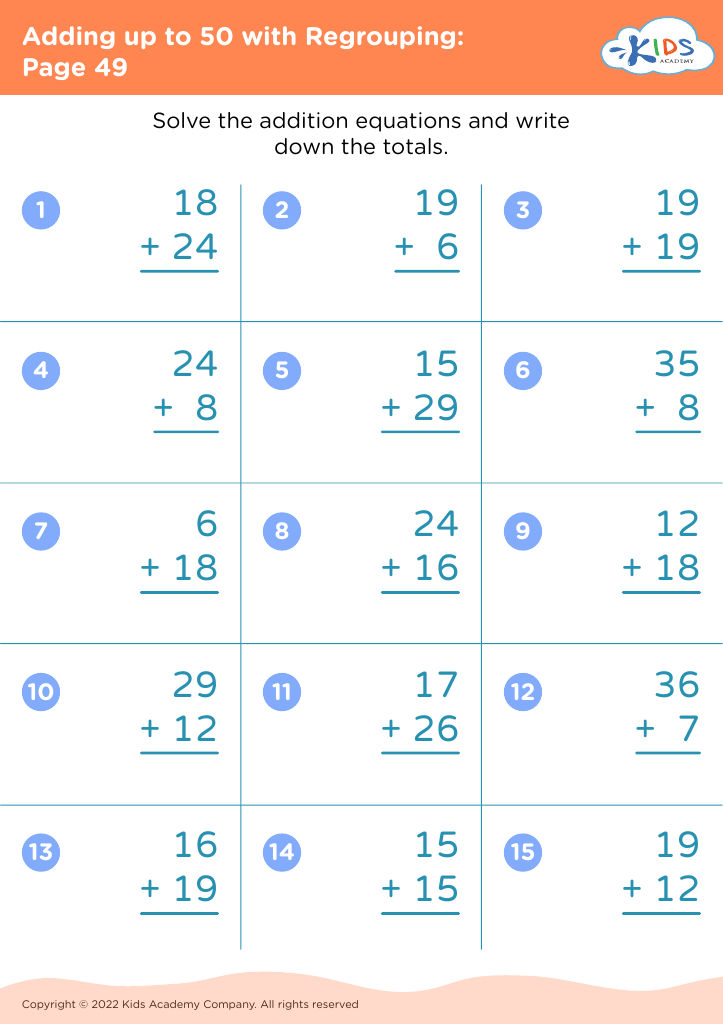
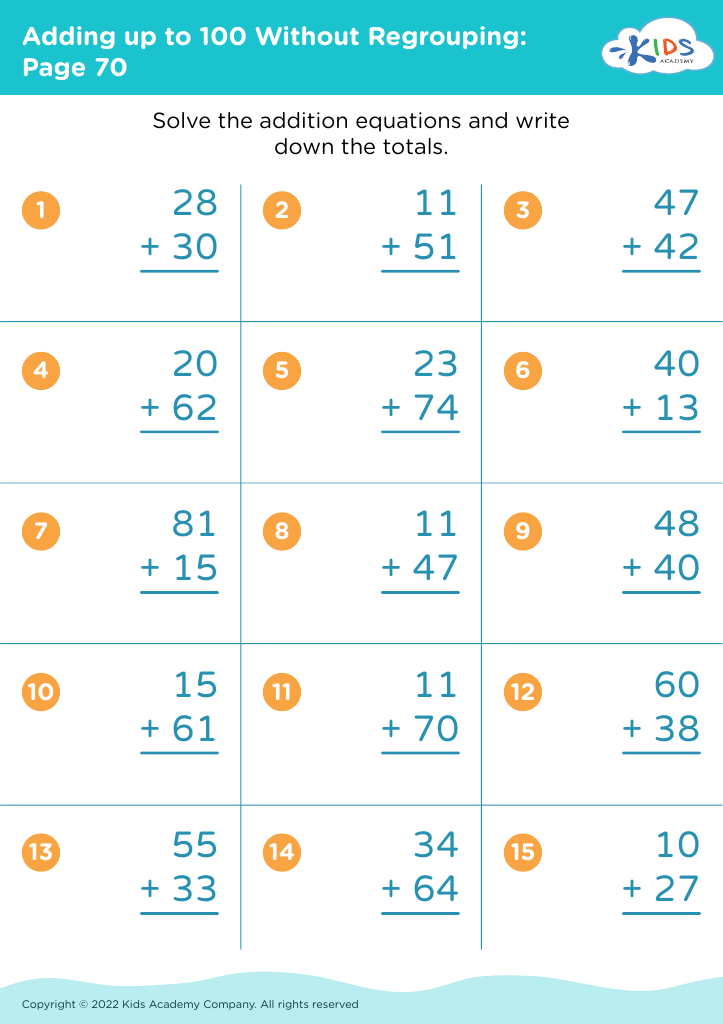
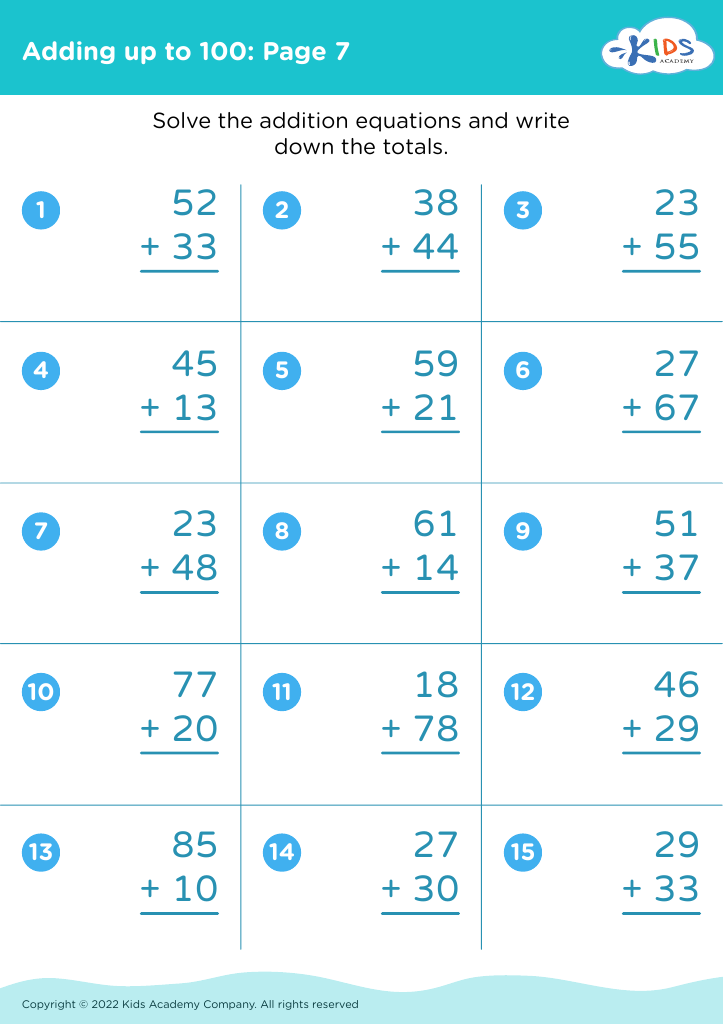








Improving number recognition in 7-year-olds is crucial for building a strong mathematical foundation. At this age, children are transitioning from basic numeral knowledge to more complex mathematical concepts, such as addition, subtraction, and basic problem-solving. Recognizing numbers effortlessly allows them to engage more confidently in these activities.
Moreover, number recognition is essential for practical life skills, including time-telling, managing money, and understanding measurements. If children struggle with recognizing numbers, they may experience frustration and a lack of interest in math, which can lead to long-term issues in their academic performance.
Teachers and parents play a pivotal role in this developmental stage. By prioritizing number recognition, they can create a supportive environment with dynamic activities such as number games, flashcards, and even everyday tasks that involve counting or identifying numbers around them. Such engagement not only fosters cognitive skills but also builds a sense of accomplishment and boosts self-esteem.
Investing time and effort into improving number recognition will set children on a path to success in mathematics and other subjects, helping them develop critical thinking skills that are valuable throughout their education and everyday life. Therefore, supporting this skill is an integral part of holistic child development.








