Recognize numbers Worksheets for 7-Year-Olds
3 filtered results
-
From - To
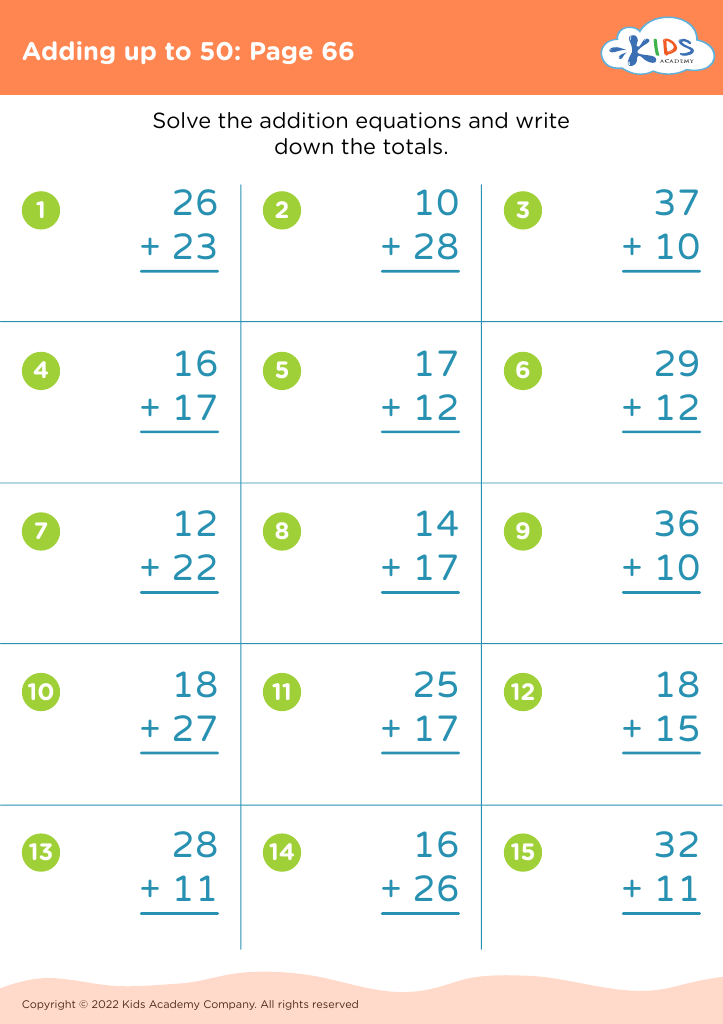
Discover our engaging "Recognize Numbers Worksheets" specially designed for 7-year-olds! Perfect for enhancing number recognition skills, these worksheets feature fun activities that stimulate learning through play. Kids will explore numbers through colorful visuals, interactive exercises, and exciting challenges tailored to their age level. Our worksheets help reinforce counting, number identification, and number matching, making them a valuable tool for both classroom and home education. Start building a solid foundation in mathematics for your child today with these printable resources. Encourage their confidence and competence in numbers while providing a fun and educational experience!
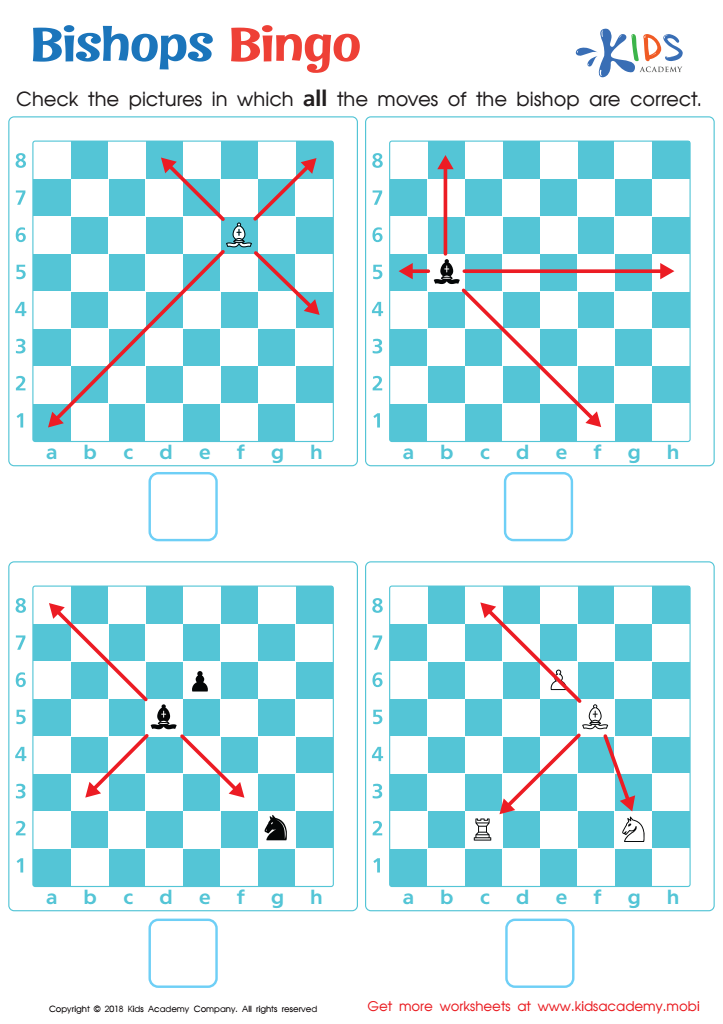
Bishops Bingo Worksheet






Recognizing numbers is a fundamental skill for 7-year-olds, bridging the gap between early number sense and more advanced mathematical concepts. At this age, children are developing crucial skills, such as addition and subtraction, that require a solid understanding of numbers. When parents and teachers prioritize number recognition, they lay the groundwork for more complex operations while fostering confidence in a child's mathematical abilities.
Moreover, recognizing numbers enhances cognitive skills, such as memory and problem-solving. Children learn to identify quantity, understand numerical order, and make associations between numbers and real-world objects. These abilities are essential not only for academic success in math but also for everyday life tasks, such as telling time, budgeting, and measuring.
Additionally, recognizing numbers helps promote critical thinking and analytical skills. As children progress through their education, these foundational skills will influence their performance in science, technology, engineering, and mathematics (STEM) fields, which are vital in our increasingly technology-driven world.
By engaging with number recognition through fun activities and practical experiences, parents and teachers can create a supportive learning environment, boosting a child's enthusiasm for mathematics and setting them on a path to lifelong learning and success.








