Understanding Quantities Worksheets for 7-Year-Olds
7 filtered results
-
From - To
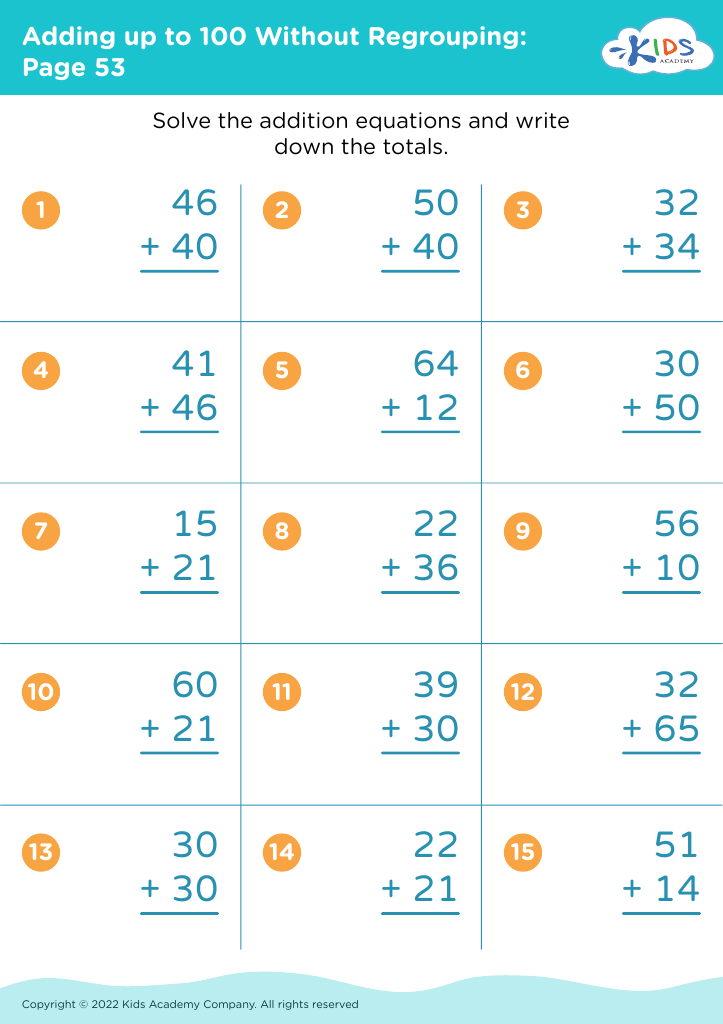
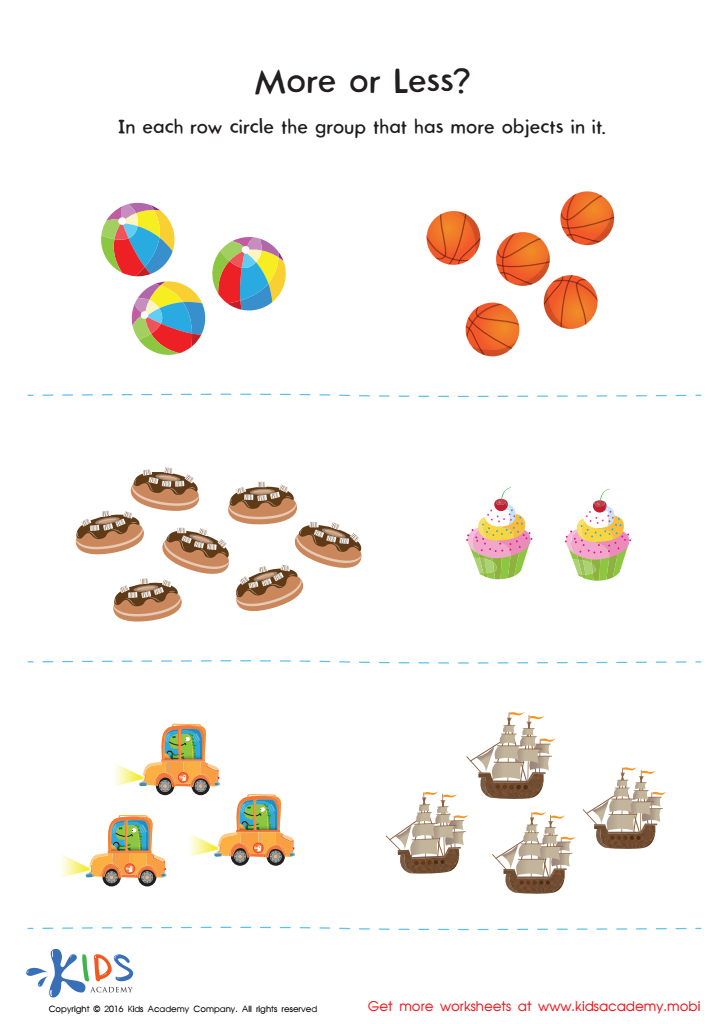
Discover our engaging "Understanding Quantities Worksheets" tailored for 7-year-olds! These interactive resources aim to foster numeracy skills by helping young learners grasp the concept of quantities through fun exercises and hands-on activities. Each worksheet encourages counting, comparing, and recognizing different quantities, ensuring children build a strong foundation in math. Perfect for both homeschooling and classroom use, our worksheets incorporate vibrant illustrations and relatable scenarios that keep kids motivated and excited about learning. Dive into a world of numbers and quantities, while enhancing critical thinking skills and boosting confidence in math. Explore our diverse selection today and watch your child's skills soar!
 Assign to My Students
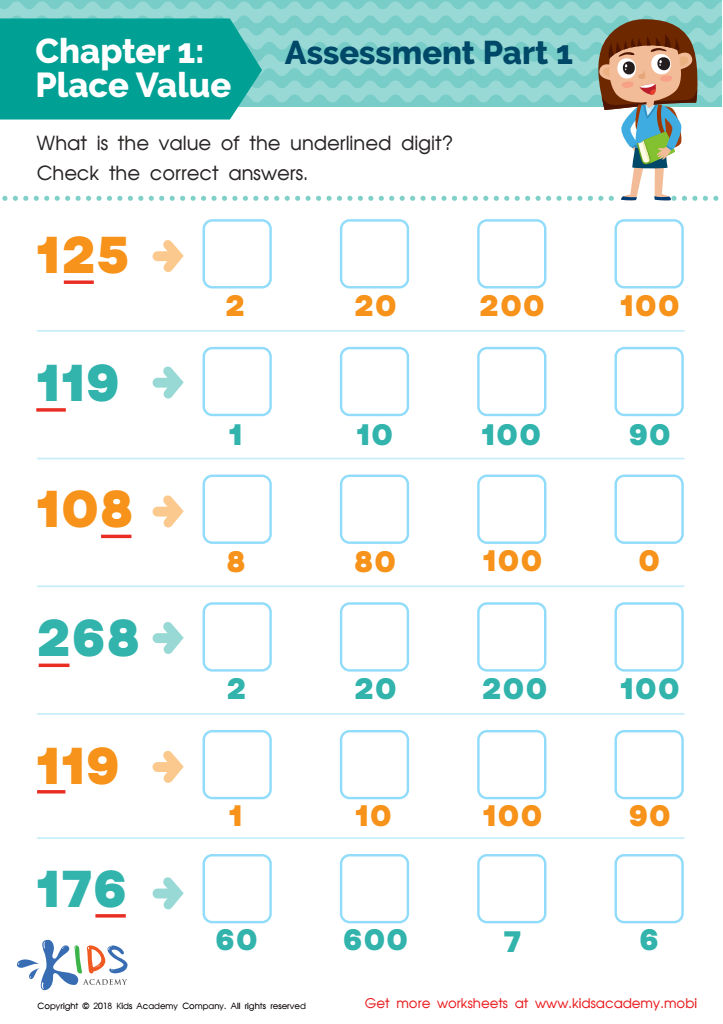
Place Value: Chapter 1 Worksheet
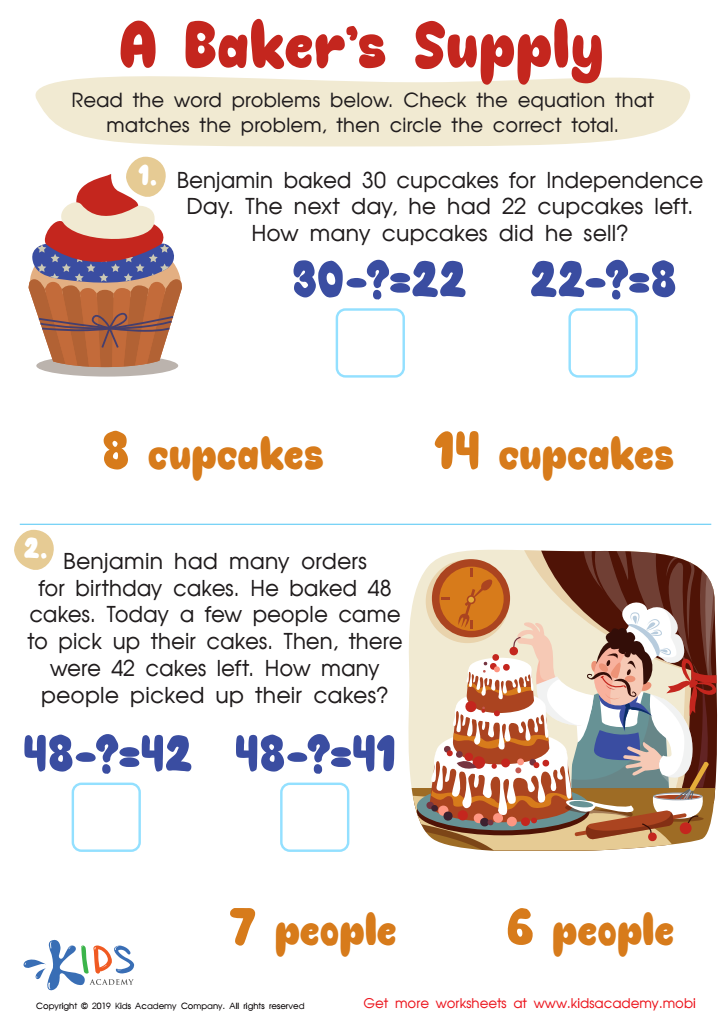
A Baker's Supply Worksheet
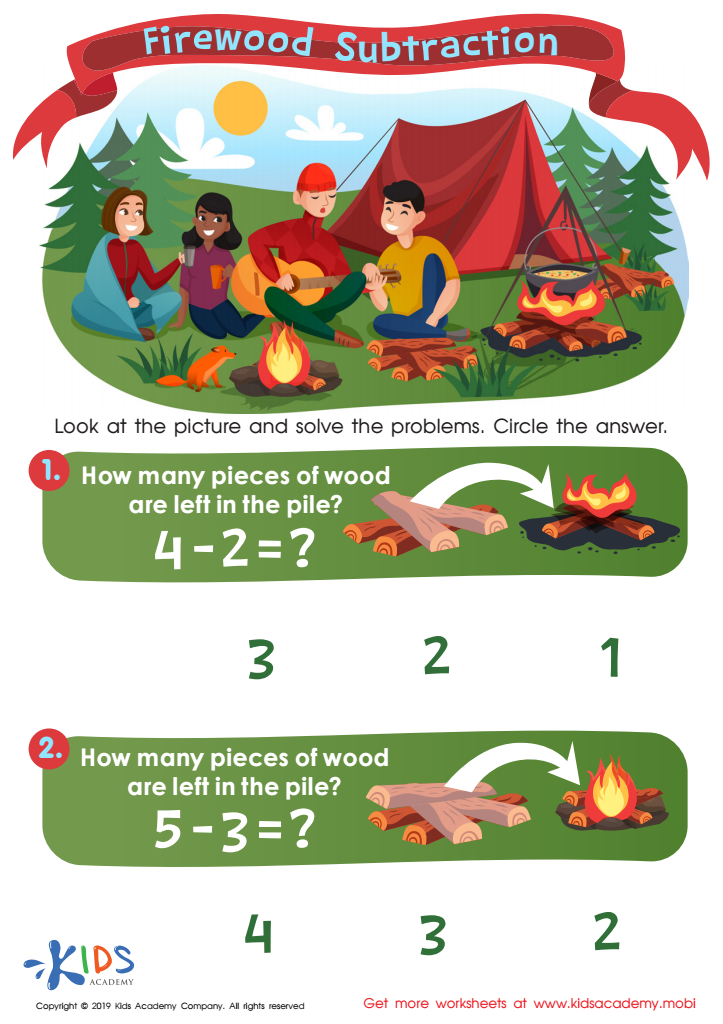
Firewood Subtraction Worksheet







Understanding quantities is crucial for 7-year-olds as it lays the foundation for all future mathematical concepts and critical thinking skills. At this age, children are transitioning from basic counting to more complex understanding of numbers, measurement, and operations. This comprehension is not just about math; it encourages logical reasoning and problem-solving abilities that are essential across all subjects.
When parents and teachers emphasize the importance of understanding quantities, they help children grasp concepts like addition, subtraction, and multiplication in a meaningful way. This understanding fosters confidence in young learners, allowing them to approach math without anxiety. It also supports their ability to make connections between math and real-world situations, enhancing their communication and collaboration skills as they share ideas with peers.
Furthermore, engaging with quantities promotes curiosity and exploration. By introducing practical activities such as cooking measurements or playing games involving counting, children can develop a deeper appreciation for numbers. Ultimately, supporting children in understanding quantities not only benefits their academic performance but also equips them with essential life skills necessary for navigating social and economic aspects as they grow. Thus, both parents and teachers play a vital role in nurturing this key component of early education.








