Recognizing shapes Adding up to 100 Worksheets for 7-Year-Olds
8 filtered results
-
From - To
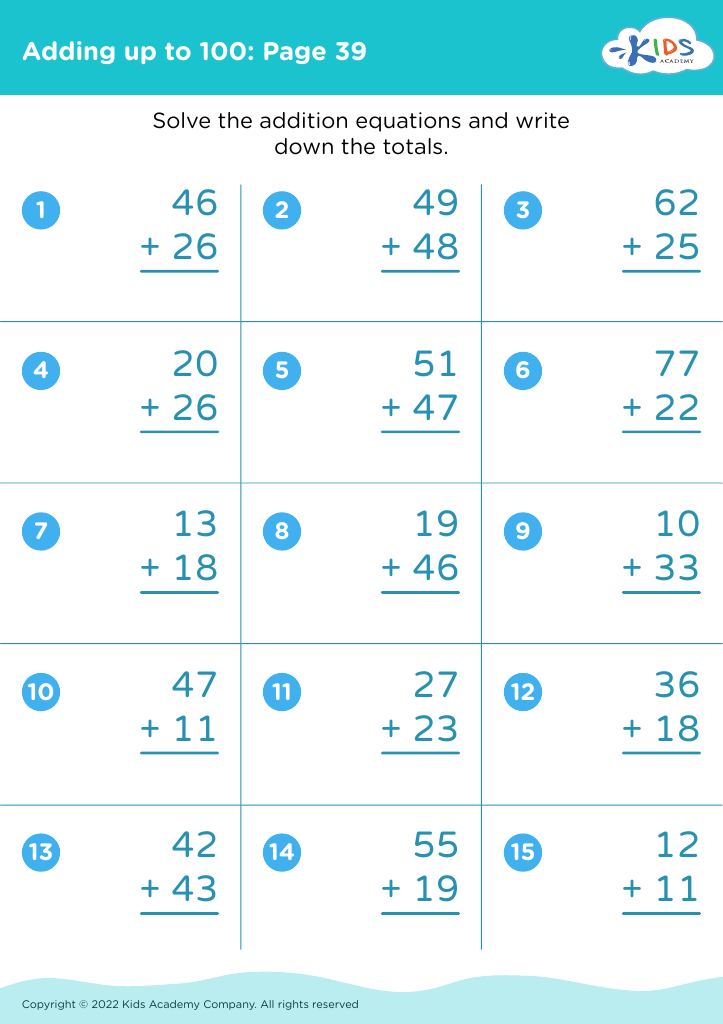
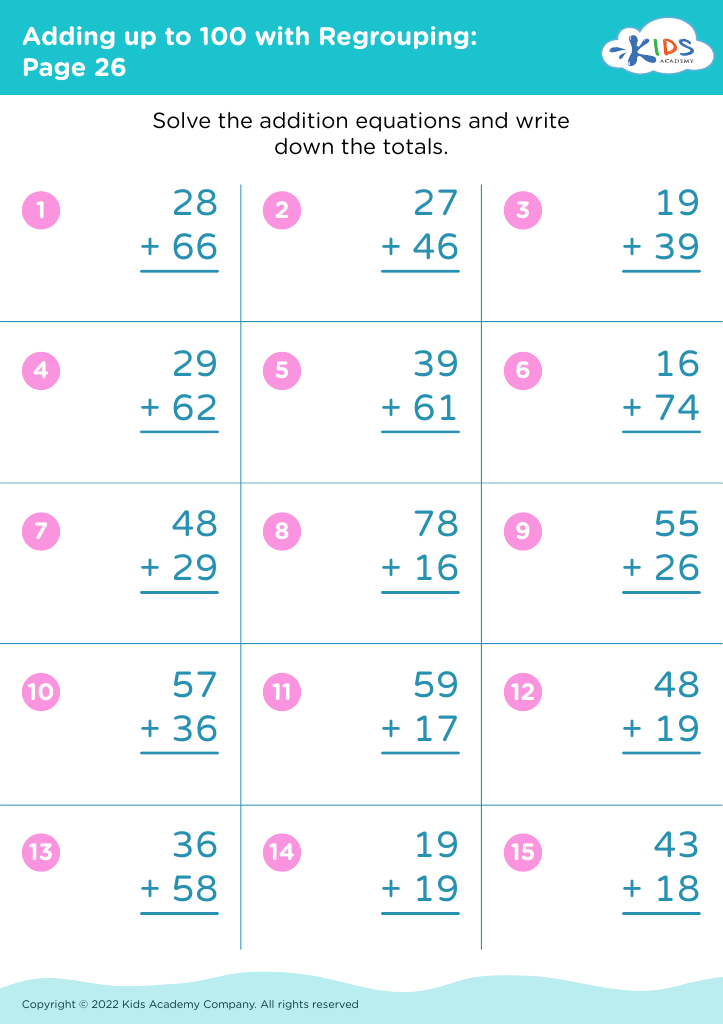
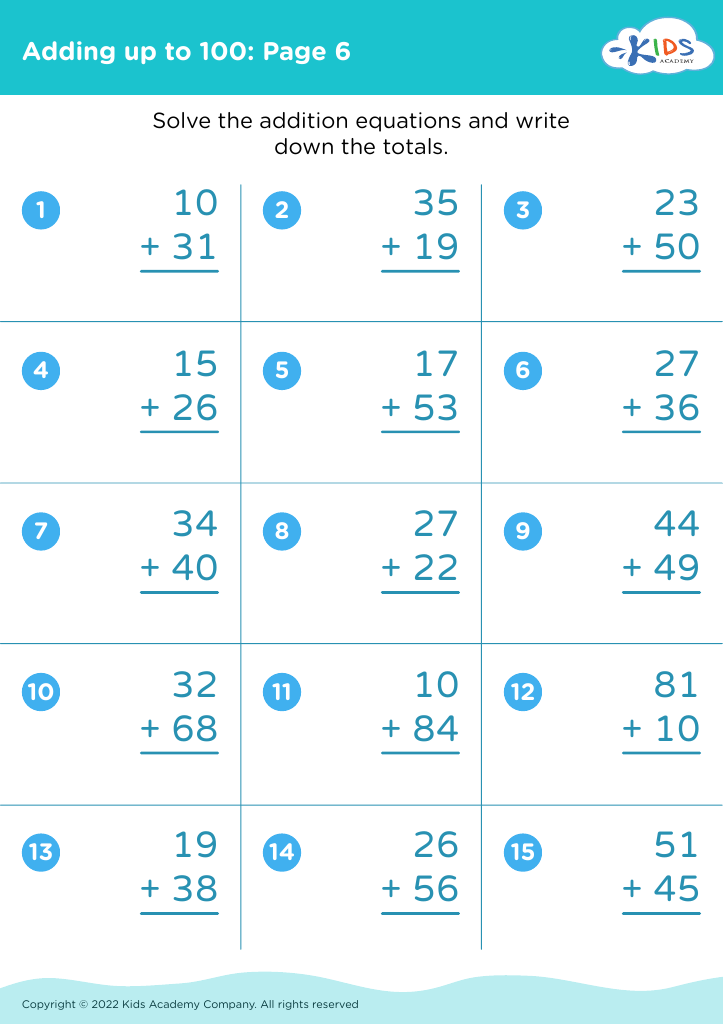
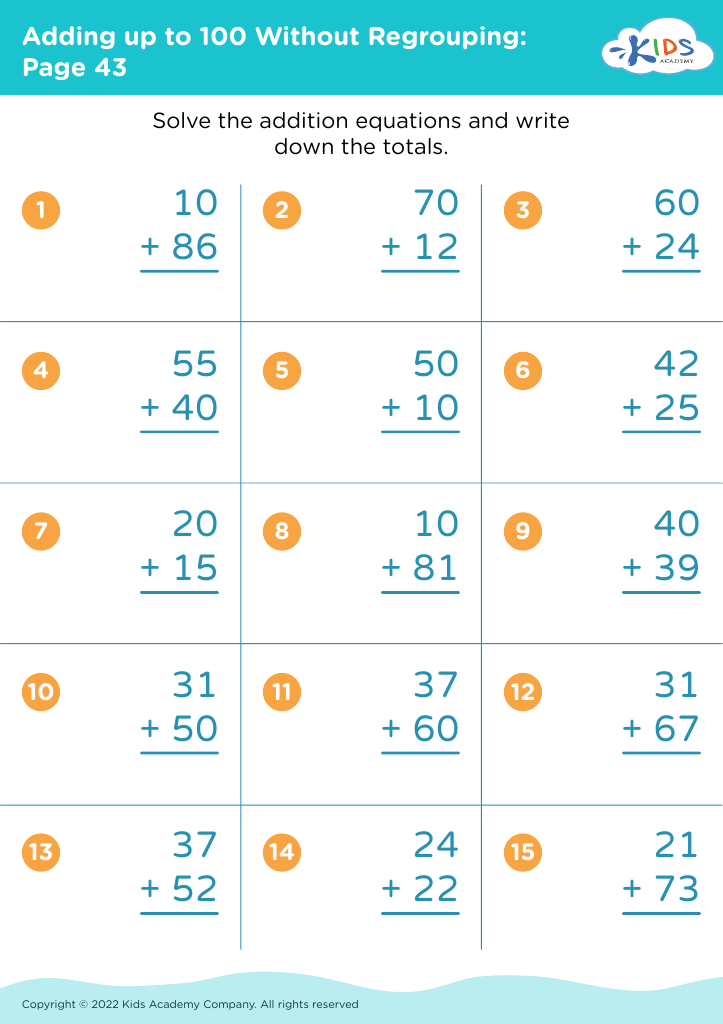
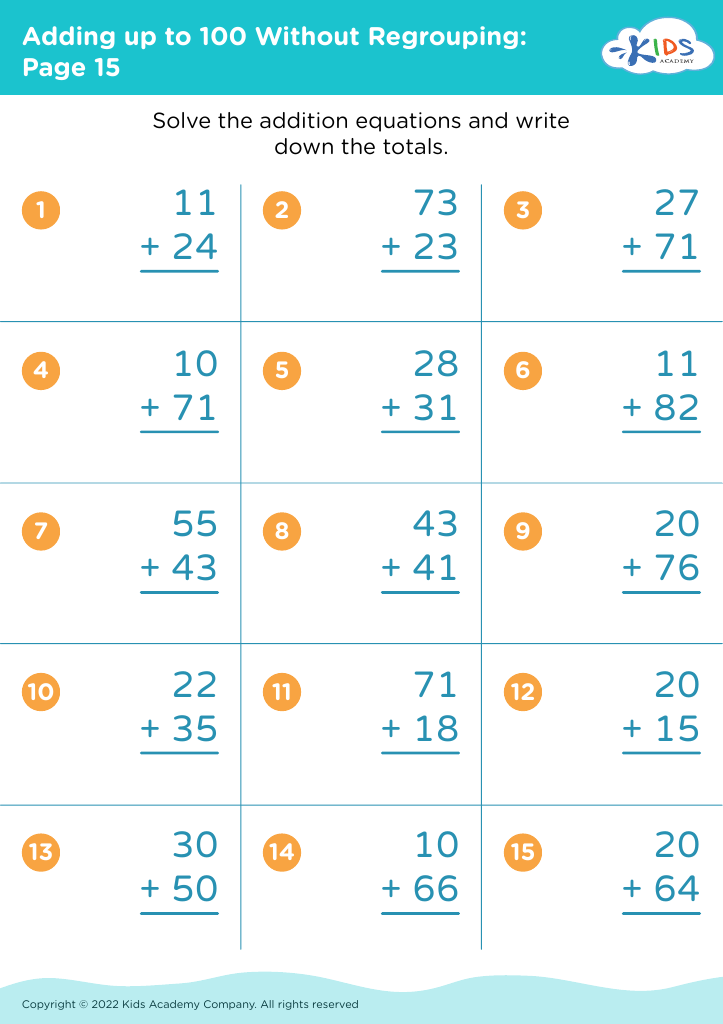
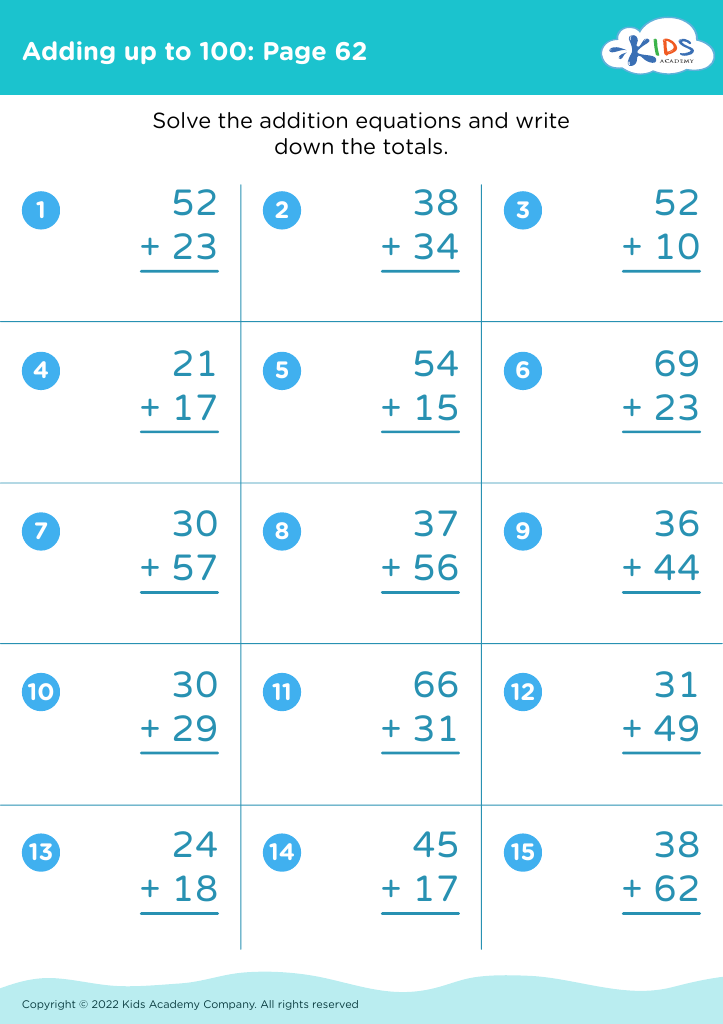
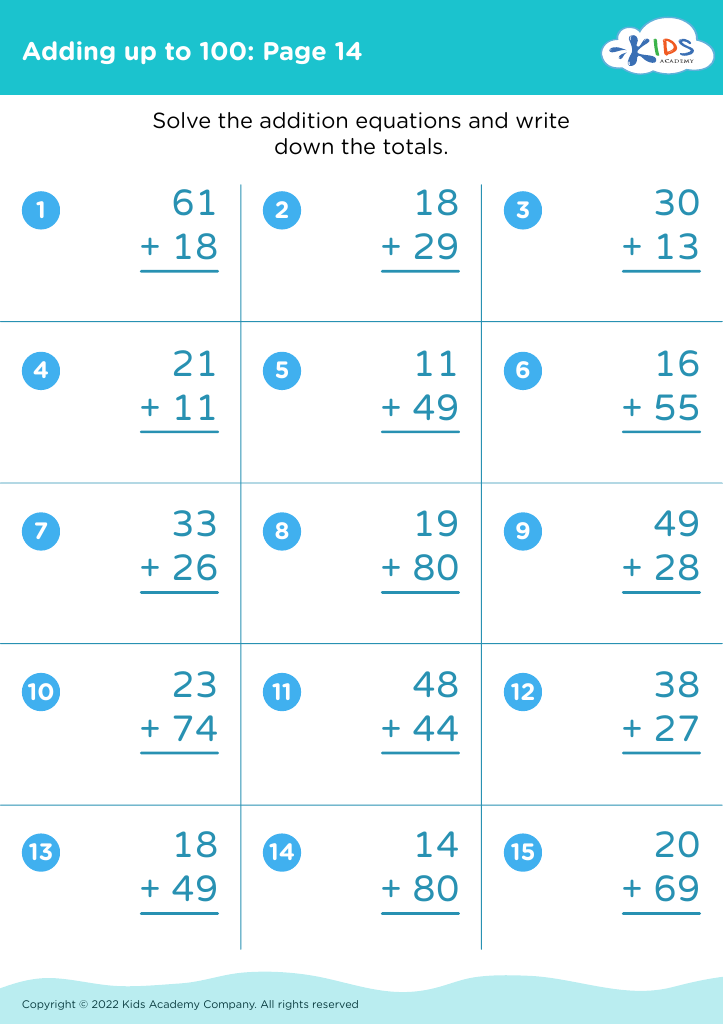
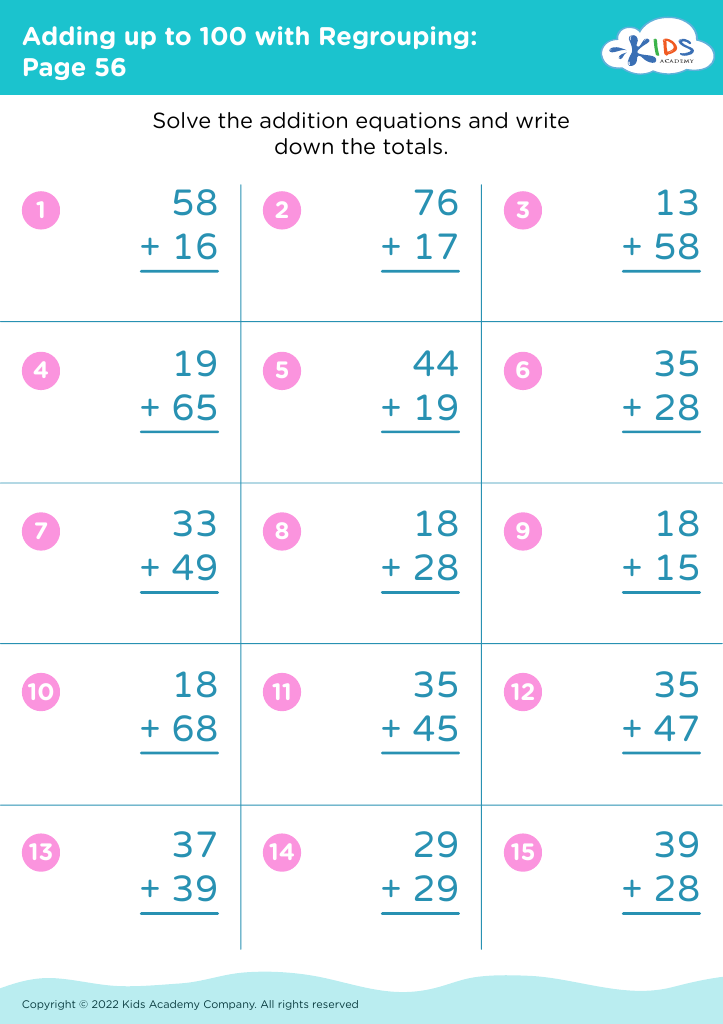
Discover our engaging "Recognizing Shapes Adding Up to 100 Worksheets" designed specifically for 7-year-olds! These interactive worksheets blend essential math skills with shape recognition, making learning fun and effective. Children will engage with various shapes while practicing addition and developing problem-solving skills. Perfect for enhancing visual-spatial awareness, these worksheets help reinforce foundational math concepts in a creative way. Our clear layouts and age-appropriate challenges ensure that kids remain motivated and excited about learning. Download now and watch your child excel in math while mastering the art of recognizing shapes!
Explore our worksheets today and ignite your child’s love for learning!



%20(1).jpg)



Recognizing shapes and understanding how they can lead to adding up to 100 is crucial for 7-year-olds for several reasons. At this stage, children are developing fundamental math skills, and recognizing shapes helps build their spatial awareness and analytical thinking. Shapes are everywhere in daily life, from buildings to nature, and recognizing them boosts observational skills, critical for problem-solving.
Furthermore, introducing the concept of shapes with numbers aids in geometric understanding and provides a foundation for future math concepts. By learning to add up to 100 using different shapes (like counting through geometric patterns or visualizing number bonds), children strengthen their mental math and number sense. This ensures they become comfortable with addition, subtraction, and whole numbers, preparing them for more complex arithmetic and problem-solving.
Involving parents and teachers in this process encourages collaborative learning. Engaging in fun and creative shape-related activities at home or in the classroom can reinforce these skills, providing children with deeper learning experiences. Additionally, this lays the groundwork for integrating math and art, enhancing creativity while fostering a love for both subjects. Ultimately, by nurturing these skills early on, educators and parents set the stage for children's future academic success and confidence in their abilities.








