Explore our engaging "Simplifying Fractions Addition & Subtraction Worksheets" designed specifically for 7-year-olds! These worksheets focus on making learning fun while reinforcing essential math skills. Kids will develop their understanding of fractions by practicing addition and subtraction in a simplified manner. Each worksheet includes colorful illustrations and interactive problems that capture young learners' attention. Parents and educators will appreciate the structured layout that promotes clarity and confidence in tackling fractions. Ideal for classroom use or homeschooling, these resources will empower children to master fraction operations, laying a solid foundation for future math success. Get started today for effective learning!
Check out this FREE Trial Lesson on Addition & Subtraction for age 7!

A

Favorites
With answer key
Interactive
  • 7
  • Simplifying Fractions
  • Addition & Subtraction
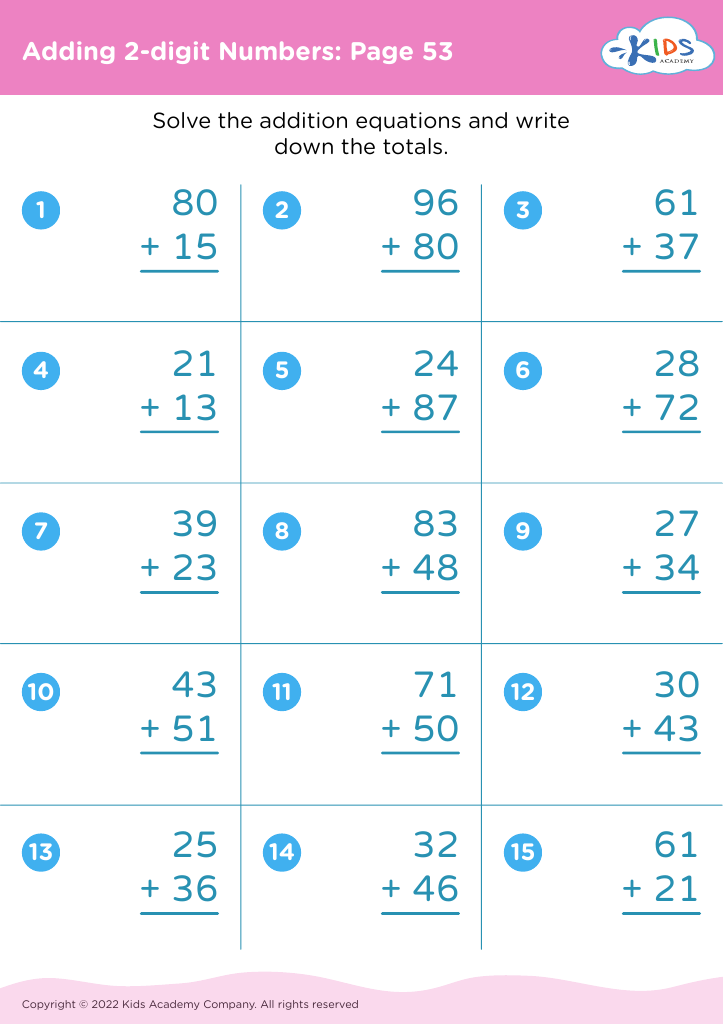
Adding 2-digit Numbers: Page 53

Adding 2-digit Numbers: Page 53

Adding 2-digit Numbers: Page 53
Worksheet
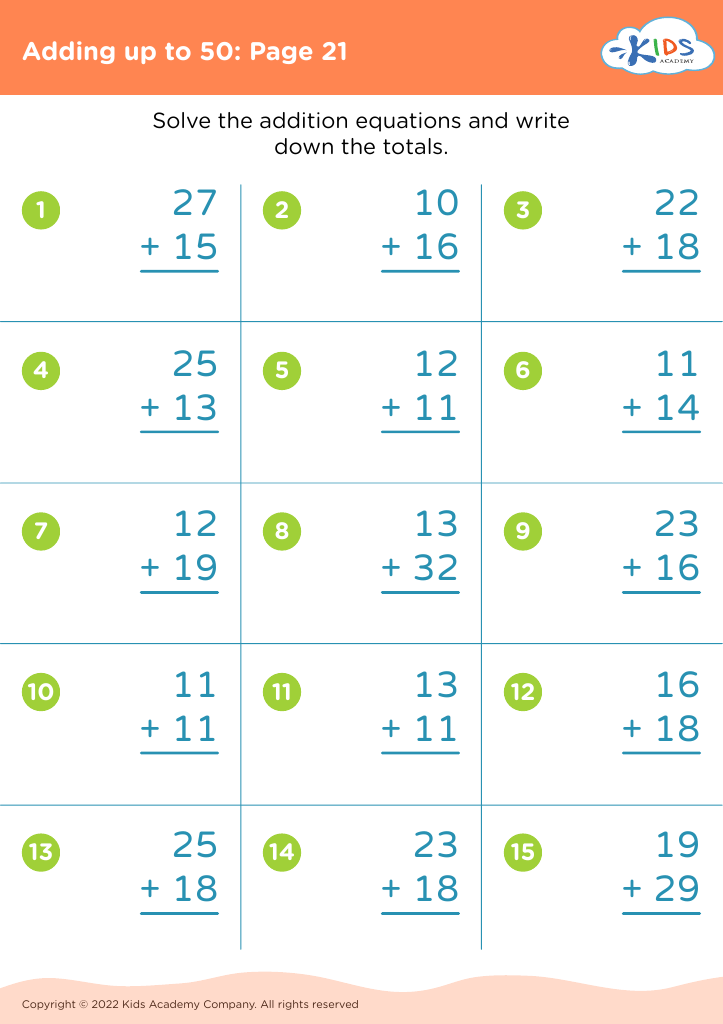
Adding up to 50: Page 21

Adding up to 50: Page 21

Adding up to 50: Page 21
Worksheet
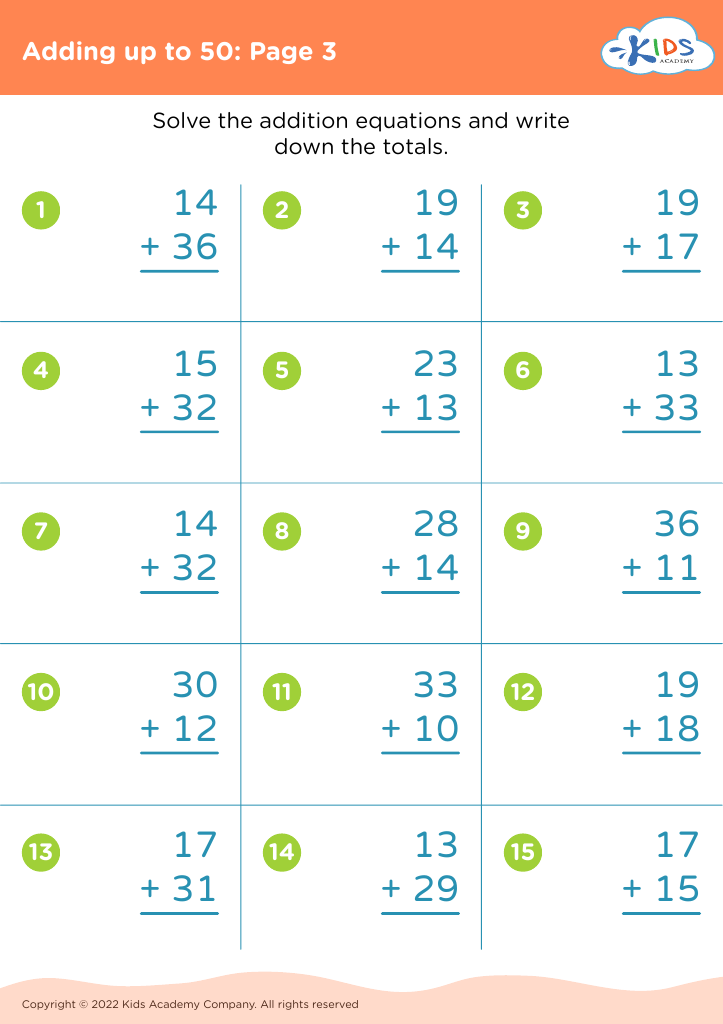
Adding up to 50: Page 3

Adding up to 50: Page 3

Adding up to 50: Page 3
Worksheet
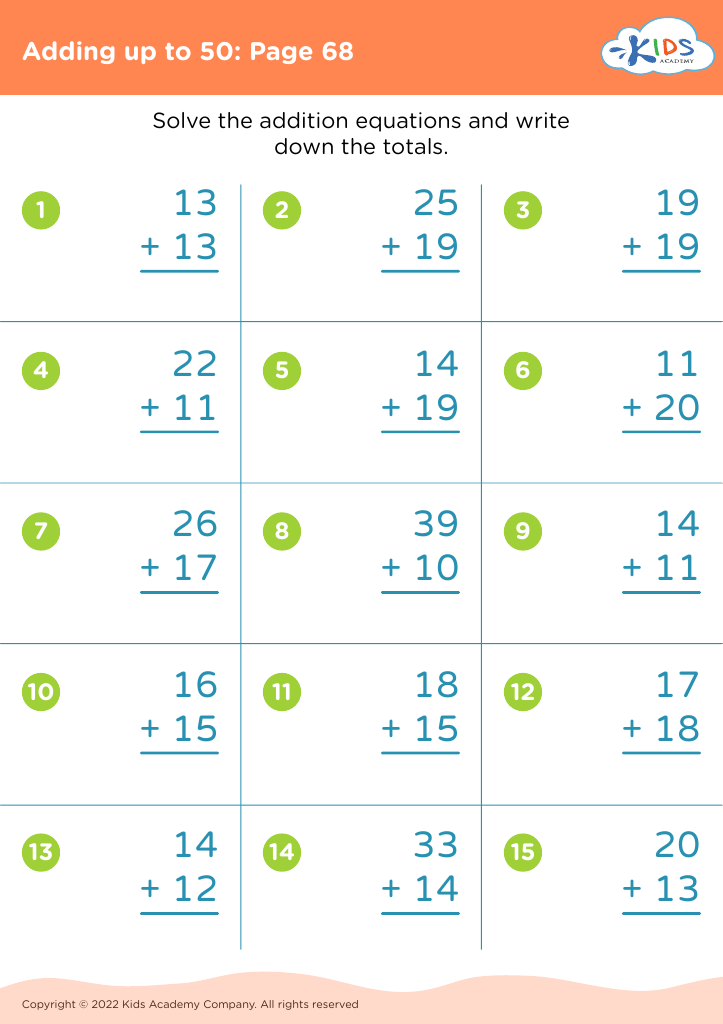
Adding up to 50: Page 68

Adding up to 50: Page 68

Adding up to 50: Page 68
Worksheet
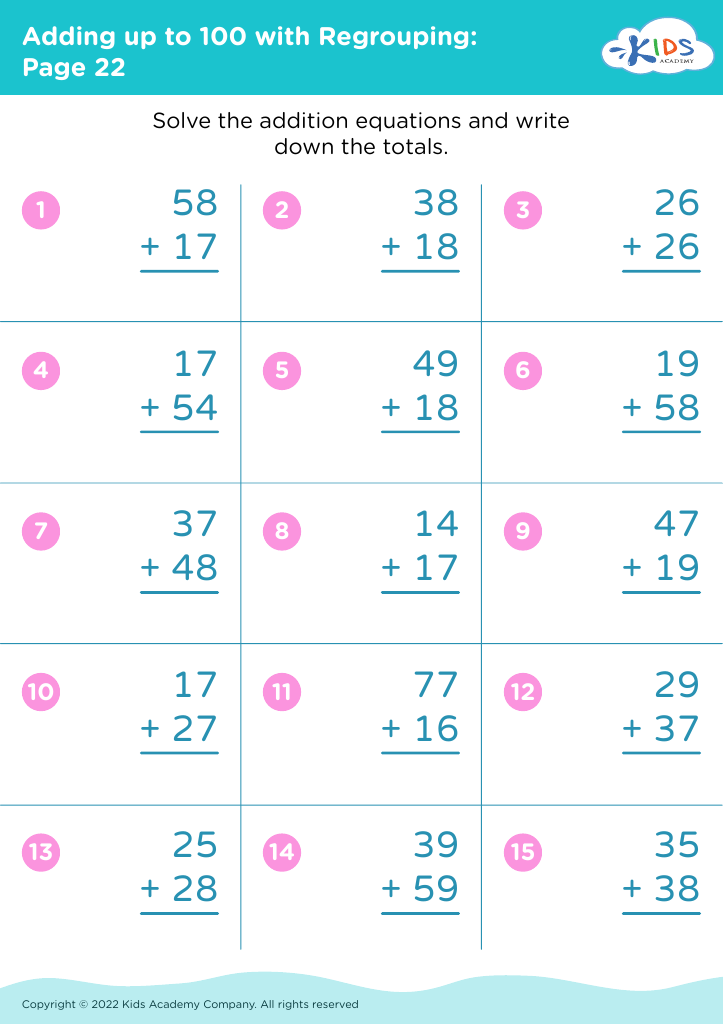
Adding up to 100 with Regrouping: Page 22
Worksheet
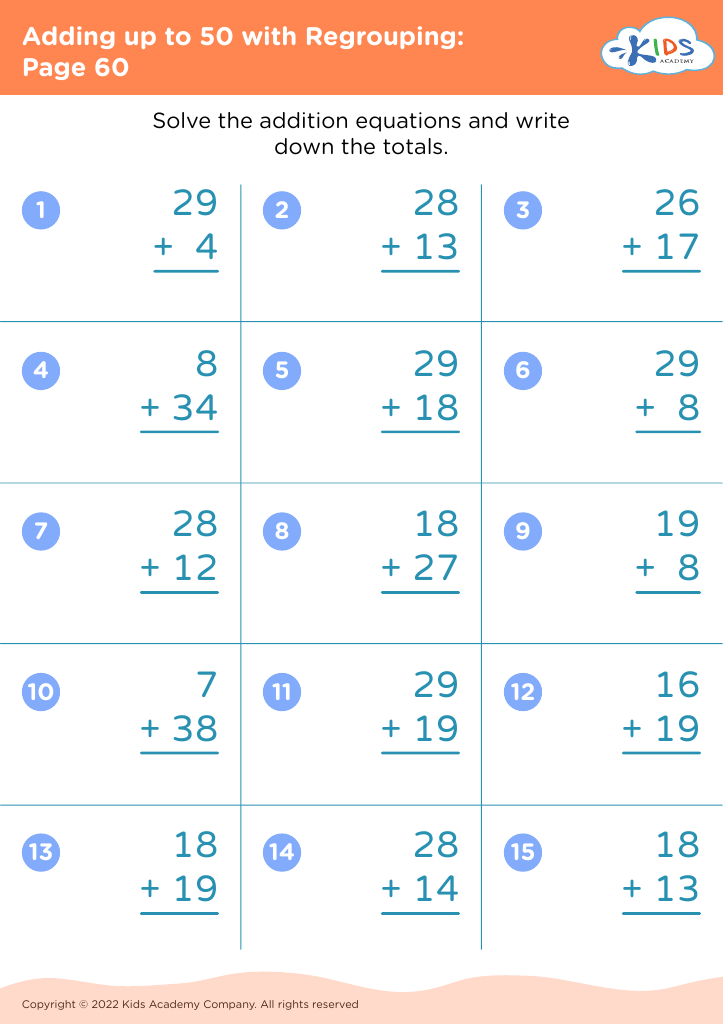
Adding up to 50 with Regrouping: Page 60
Worksheet
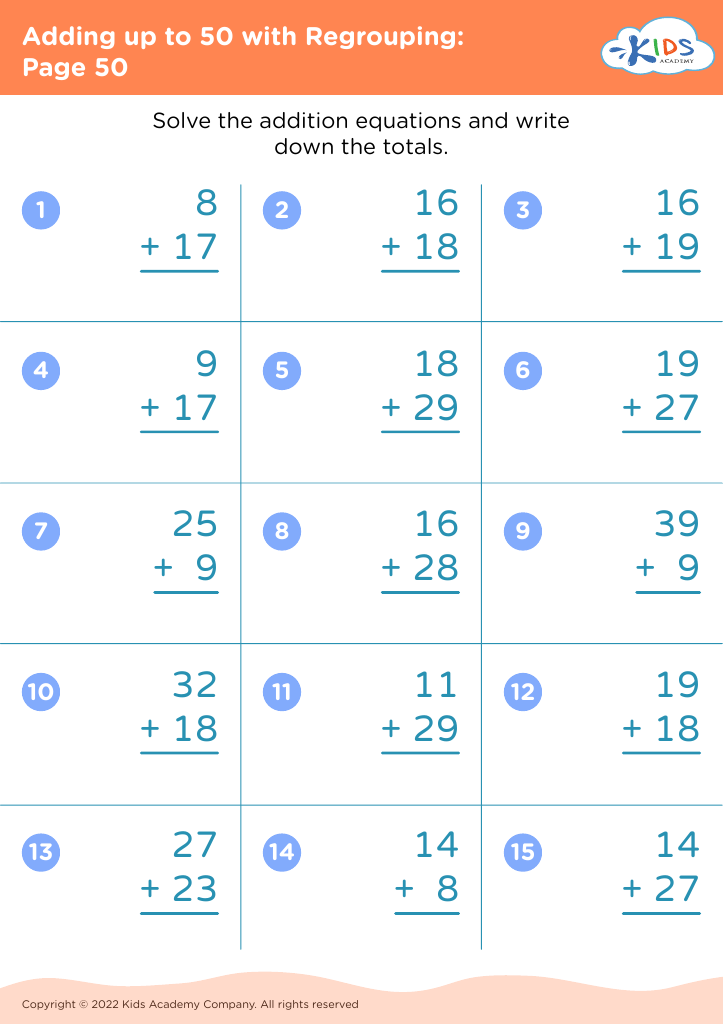
Adding up to 50 with Regrouping: Page 50
Worksheet
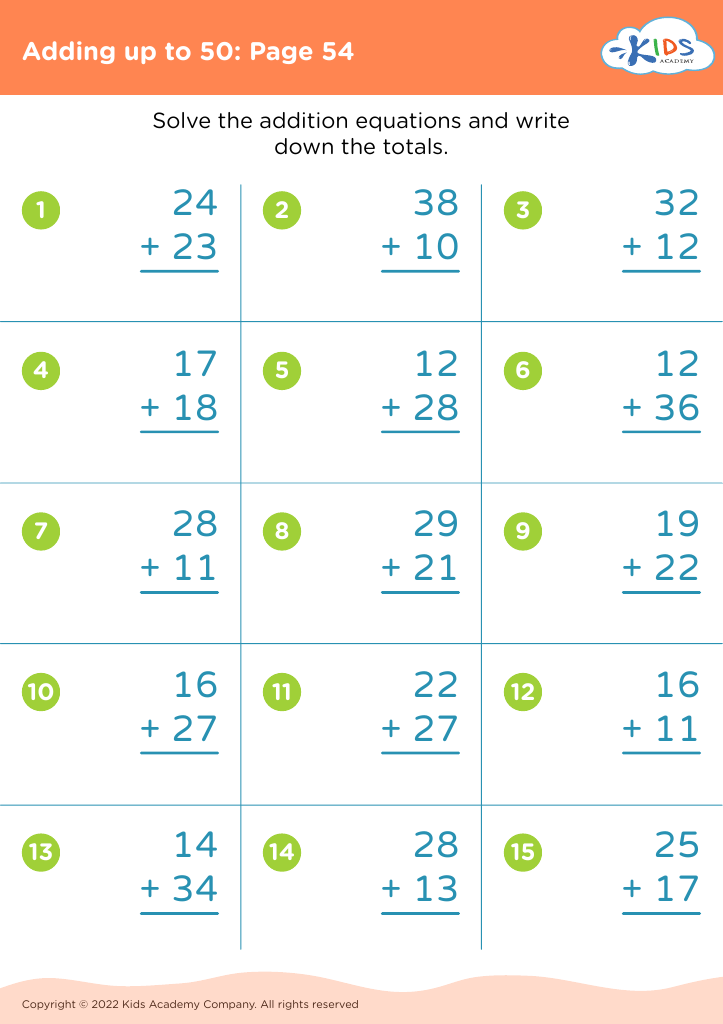
Adding up to 50: Page 54

Adding up to 50: Page 54

Adding up to 50: Page 54
Worksheet
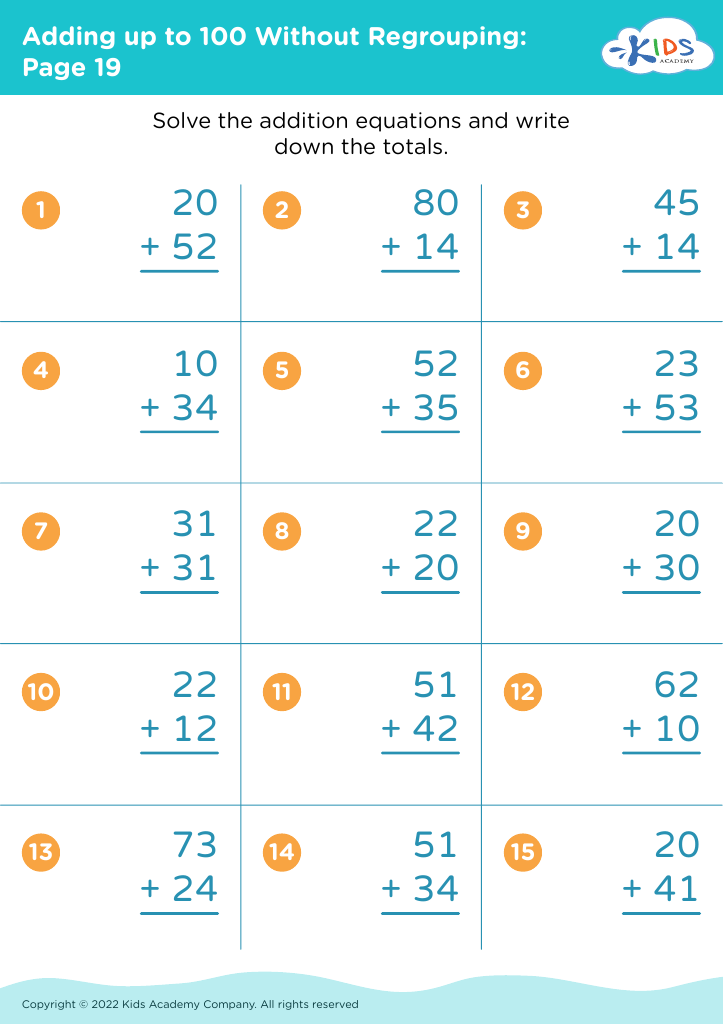
Adding up to 100 Without Regrouping: Page 19
Worksheet
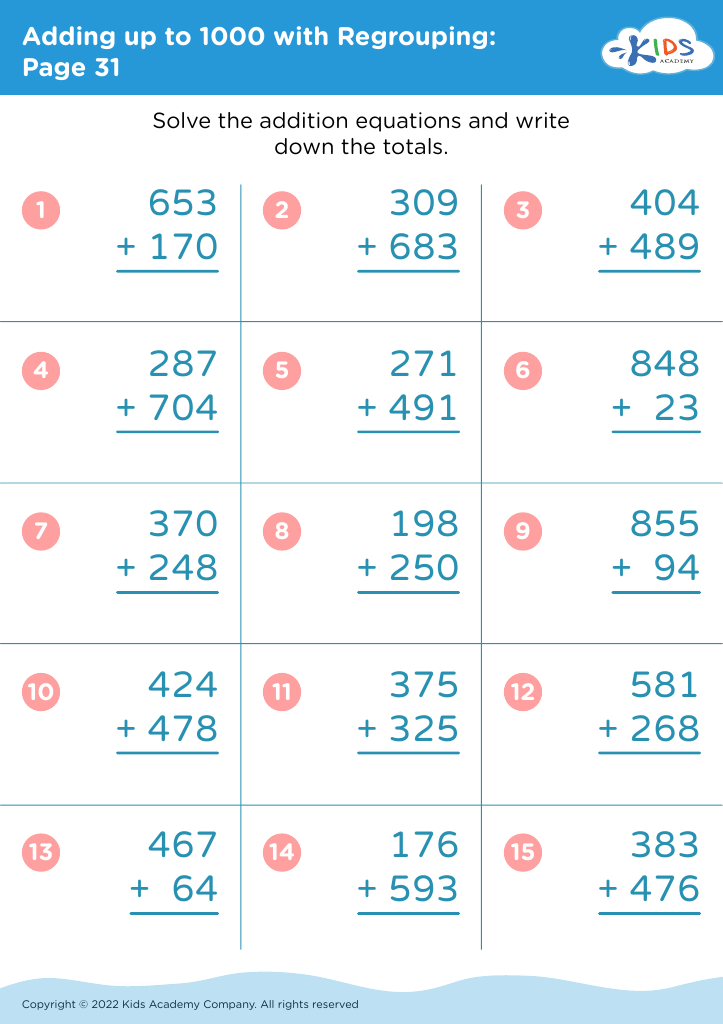
Adding up to 1000 with Regrouping: Page 31
Worksheet
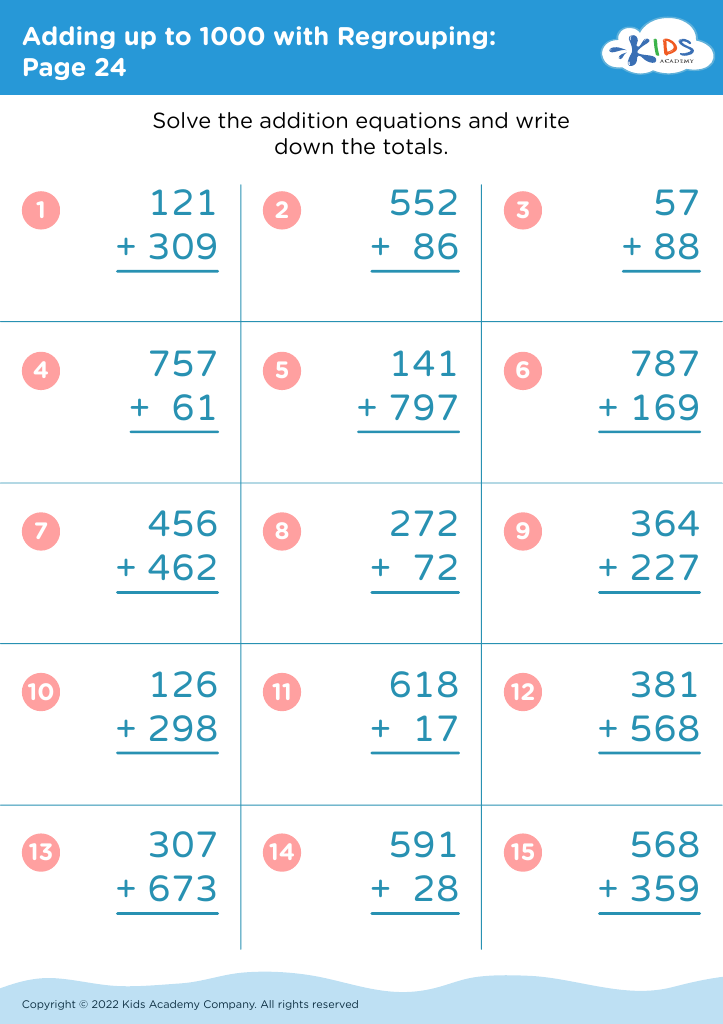
Adding up to 1000 with Regrouping: Page 24
Worksheet
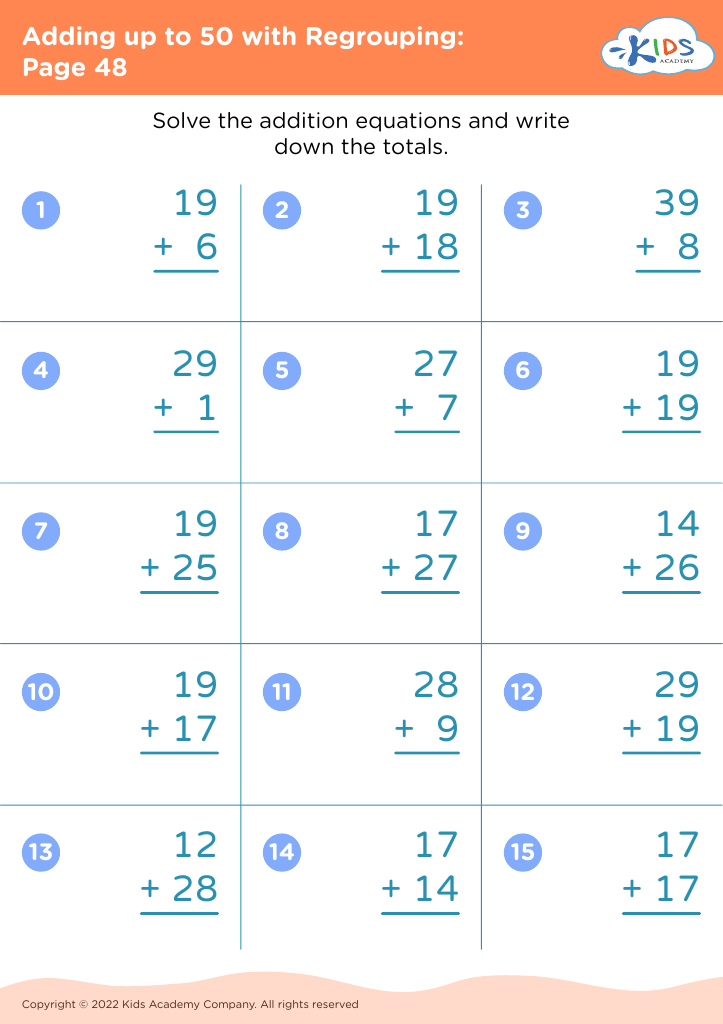
Adding up to 50 with Regrouping: Page 48
Worksheet
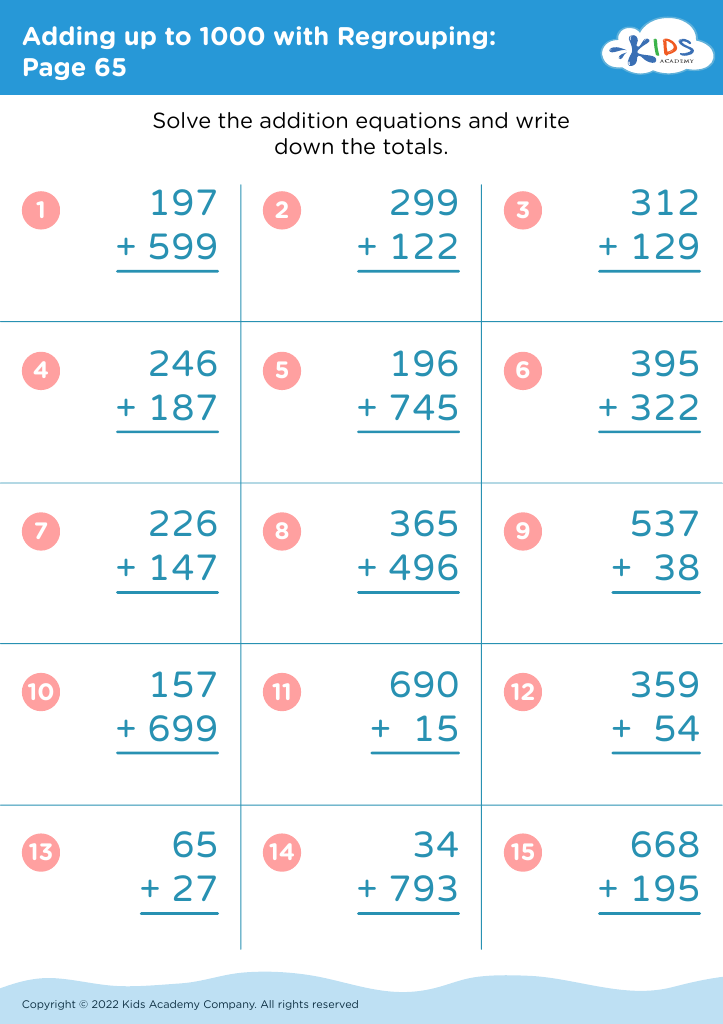
Adding up to 1000 with Regrouping: Page 65
Worksheet
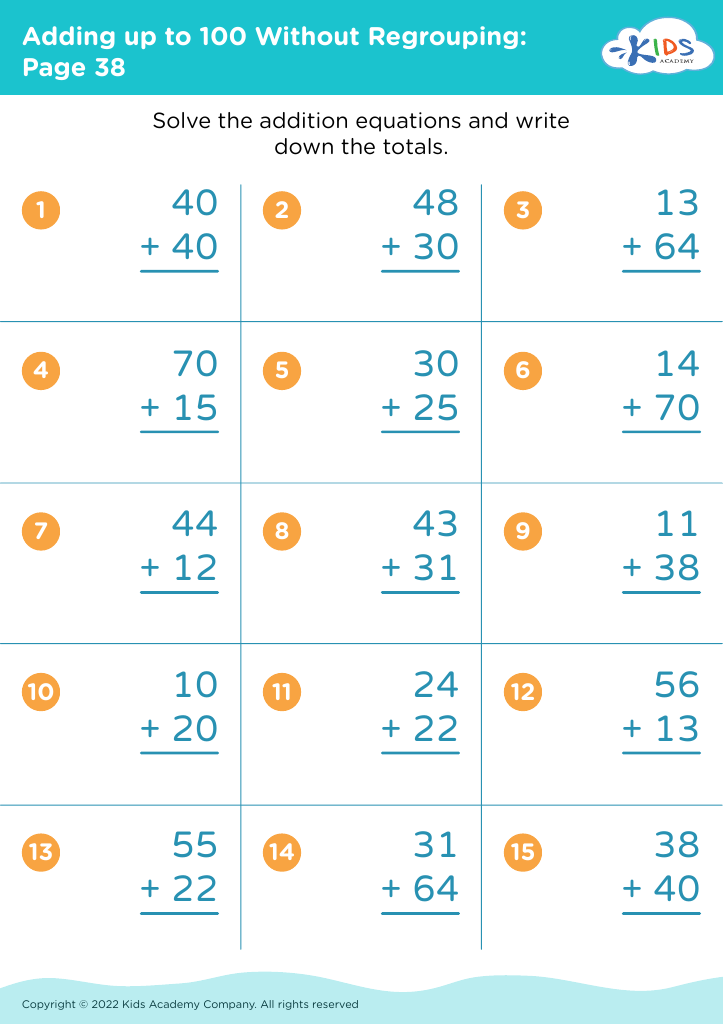
Adding up to 100 Without Regrouping: Page 38
Worksheet
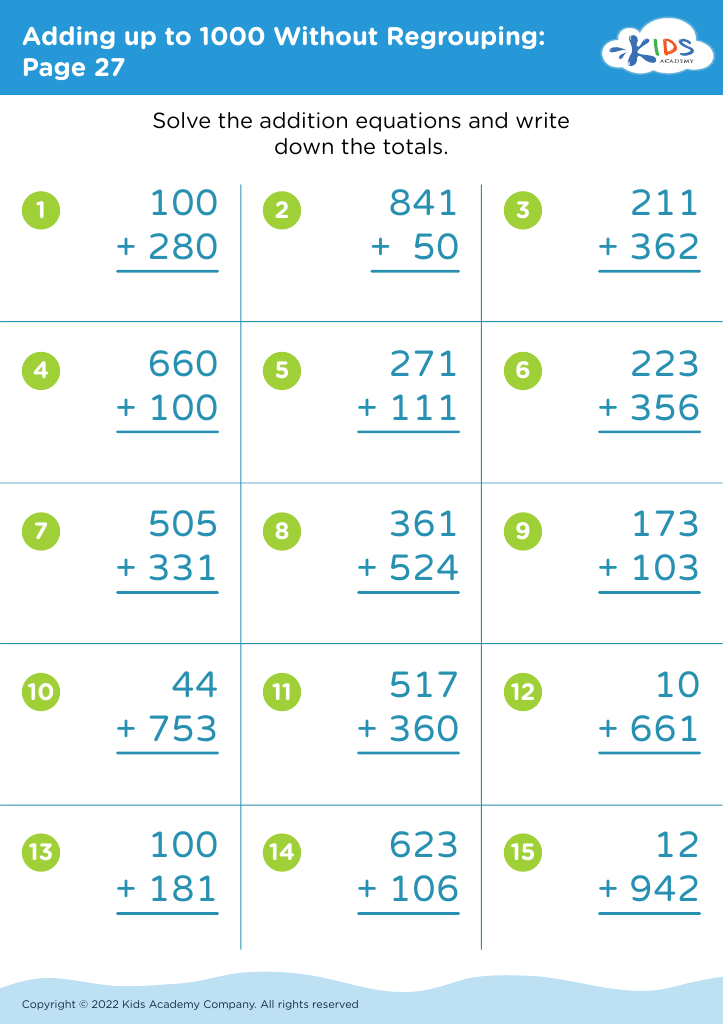
Adding up to 1000 Without Regrouping: Page 27
Worksheet
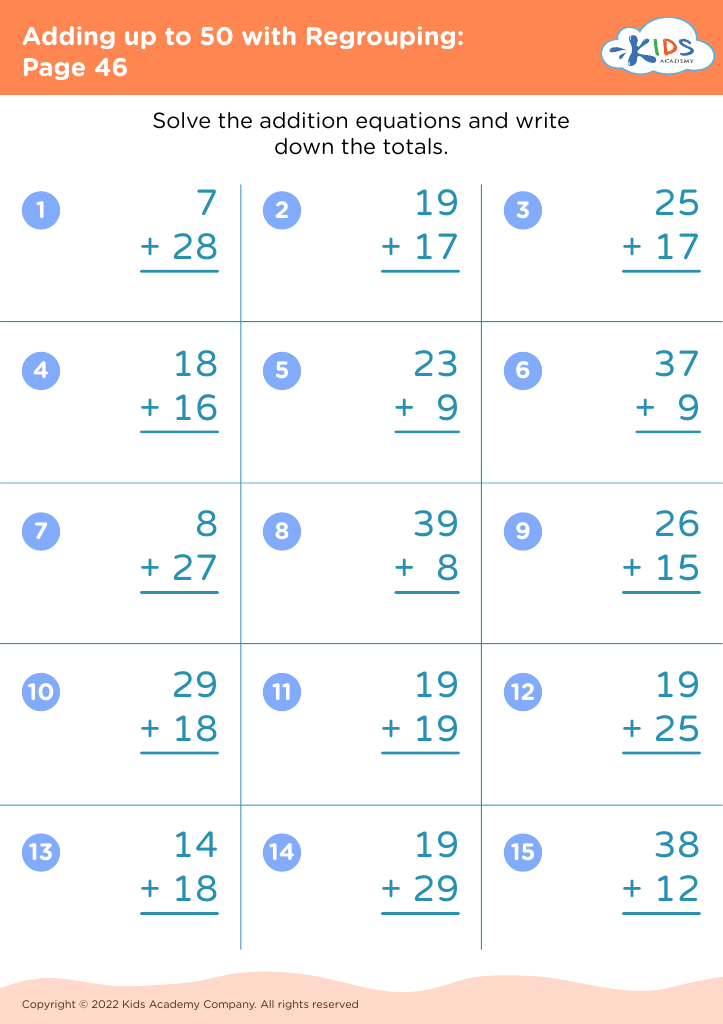
Adding up to 50 with Regrouping: Page 46
Worksheet
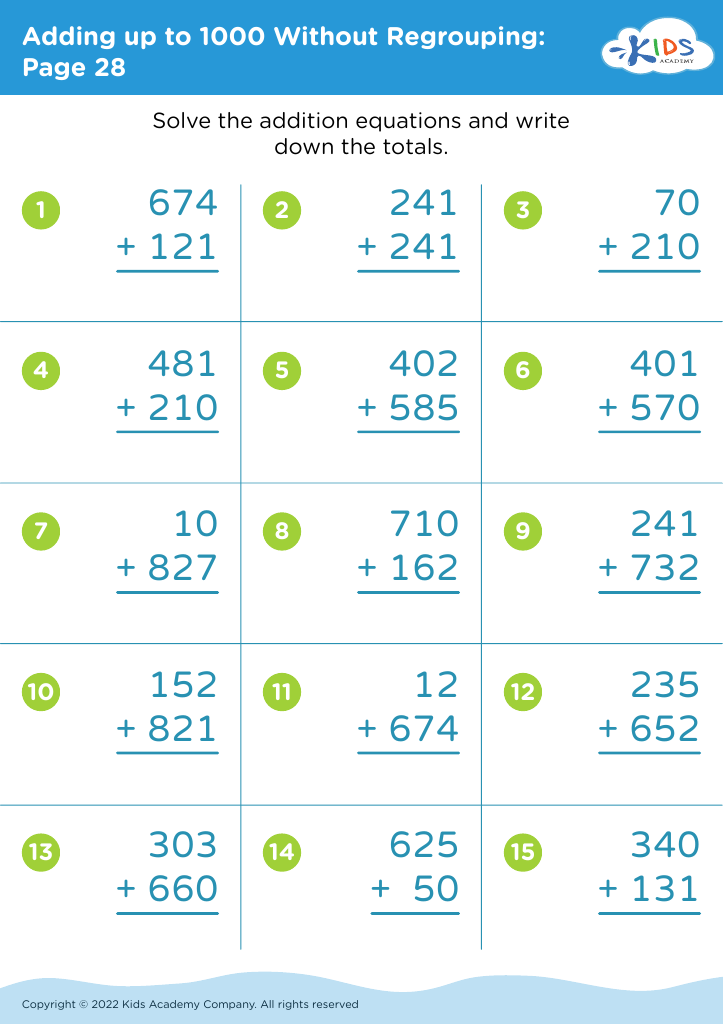
Adding up to 1000 Without Regrouping: Page 28
Worksheet
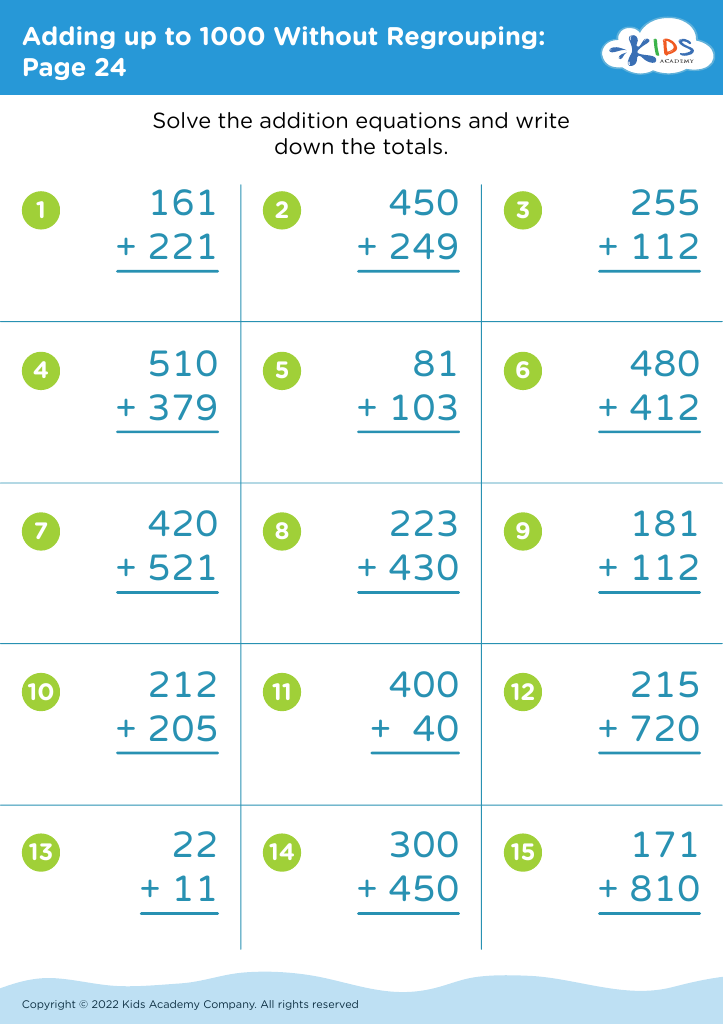
Adding up to 1000 Without Regrouping: Page 24
Worksheet


Simplifying fractions addition and subtraction is crucial for 7-year-olds, as it lays a strong mathematical foundation. At this age, children are developing critical thinking and problem-solving skills that are essential for their future academic success. Understanding fractions is not only about numbers; it also enhances their ability to comprehend proportions, ratios, and percentages in later grades.

When parents and teachers support children in simplifying fractions, they are promoting a clearer understanding of numerical relationships. This skill allows children to engage more confidently in various math operations and reduces frustration when tackling more complex mathematical challenges. Simplifying fractions encourages young learners to recognize patterns and relationships in mathematics, reinforcing their computational fluency.

Furthermore, early mastery of this concept fosters a positive attitude towards mathematics, reducing math anxiety that often emerges in higher grades. Encouraging practice at home and in school makes learning more interactive and enjoyable. It also connects mathematical concepts to real-life scenarios, such as cooking or budgeting, making the learning relevant. Ultimately, supporting children in this area equips them with essential skills that will facilitate their journey through mathematics and beyond.