Problem-Solving Skills Counting Worksheets for 7-Year-Olds
3 filtered results
-
From - To
Our "Problem-Solving Skills Counting Worksheets for 7-Year-Olds" are meticulously designed to strengthen mathematical proficiency and critical thinking in young learners. These engaging worksheets combine fun activities with challenging problems, helping children master counting and develop essential problem-solving skills. Tailored for second graders, the exercises enhance their ability to interpret data, recognize patterns, and make logical connections. With vibrant illustrations and interactive tasks, our worksheets capture children's attention, turning learning into an exciting adventure. Perfect for classroom use or homeschooling, these resources ensure your child builds a strong mathematical foundation while fostering a love for learning.
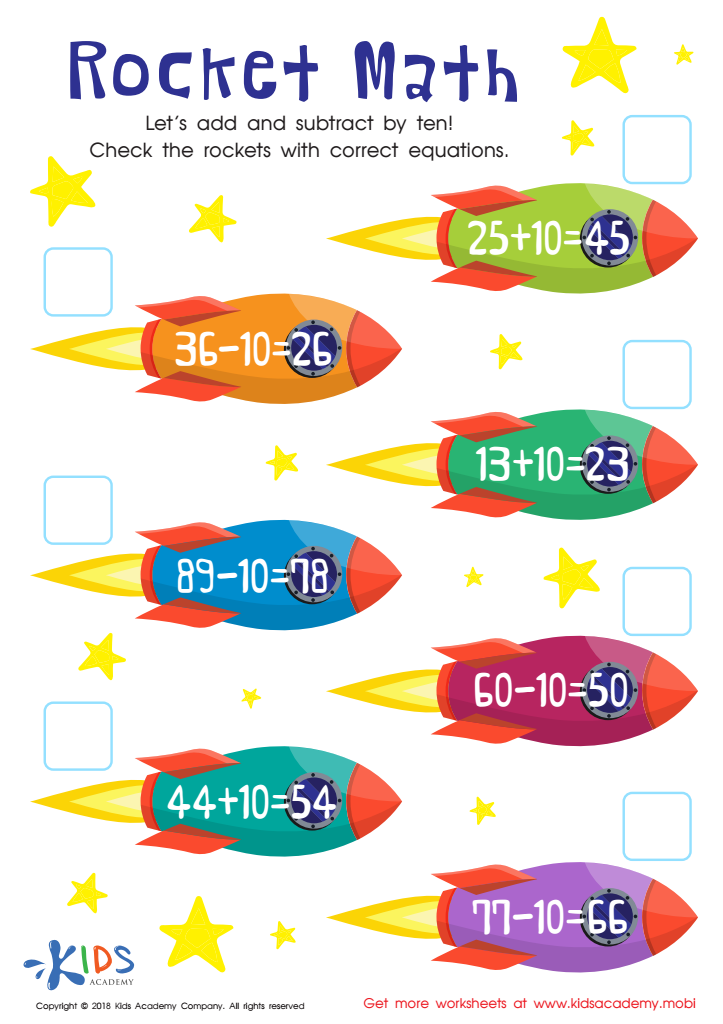
Rocket Math Worksheet
 Assign to My Students


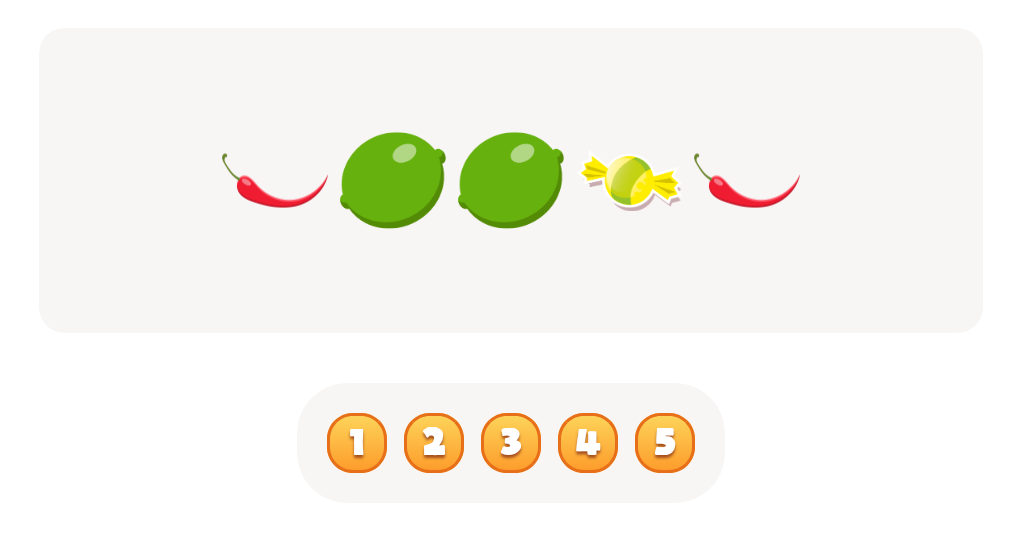

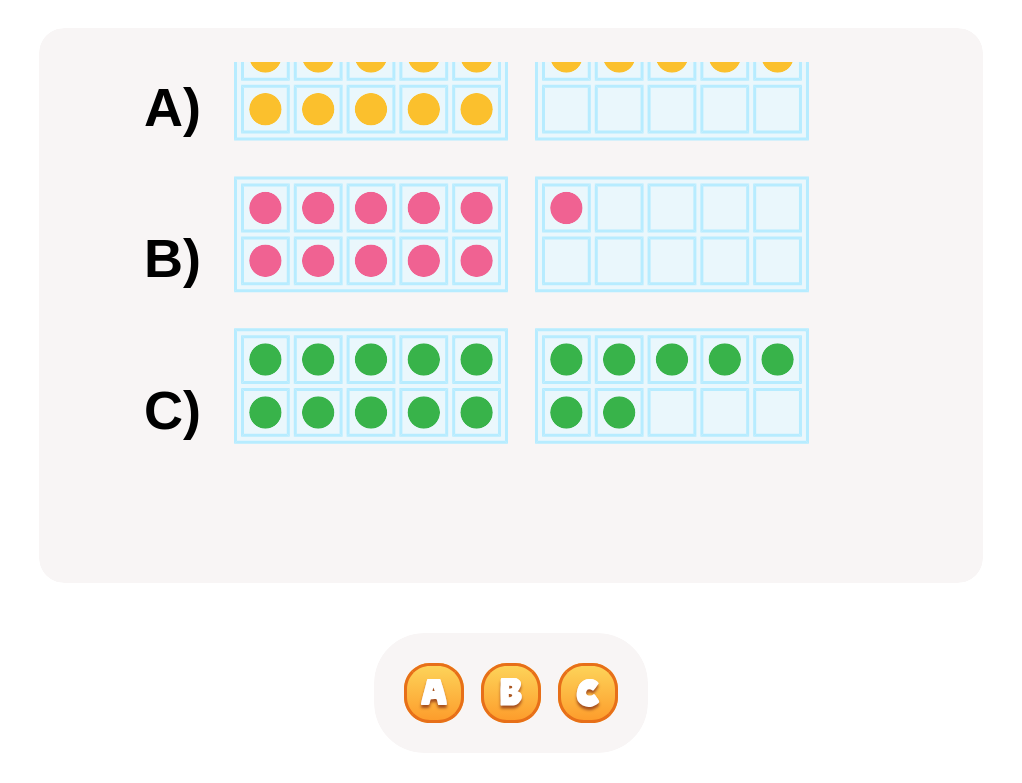
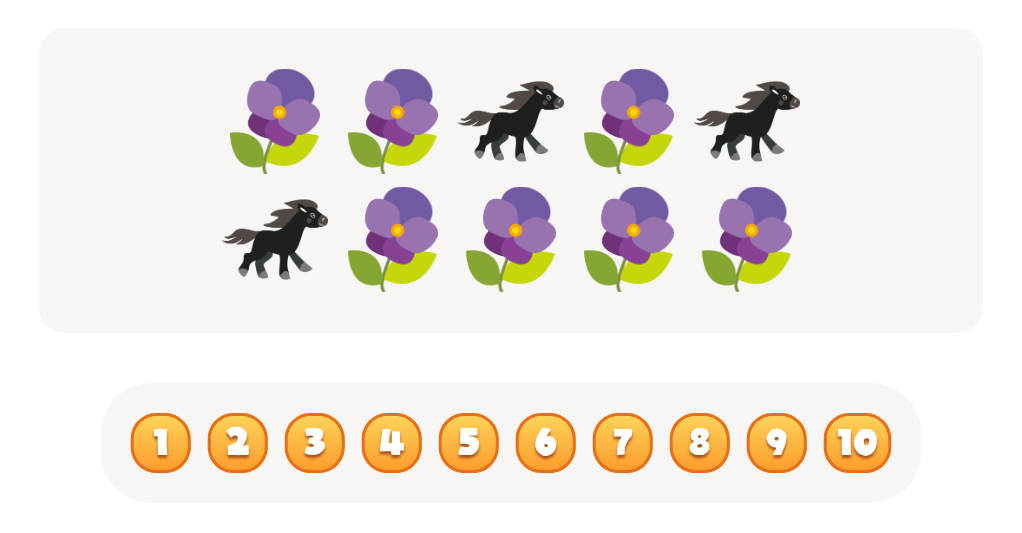

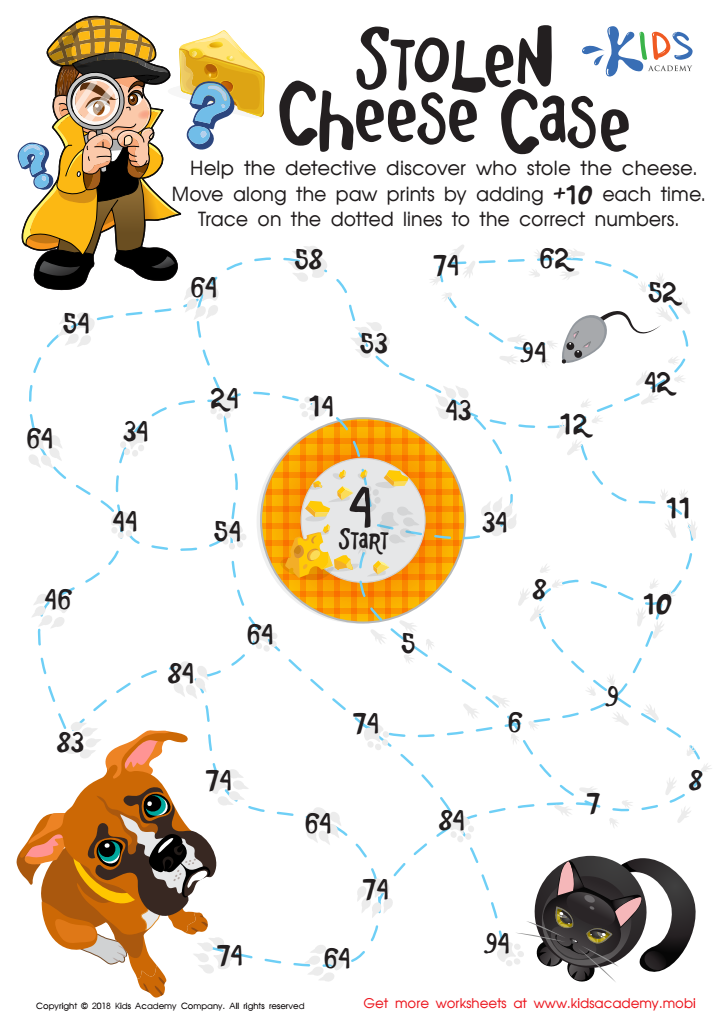
Stolen Cheese Case Maze Worksheet
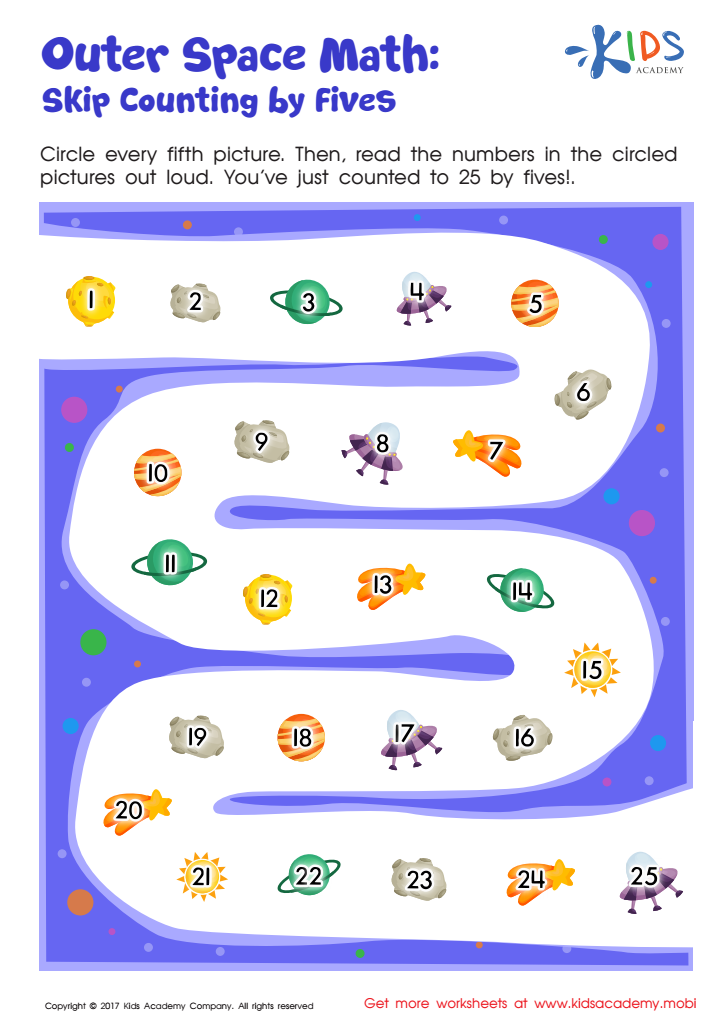
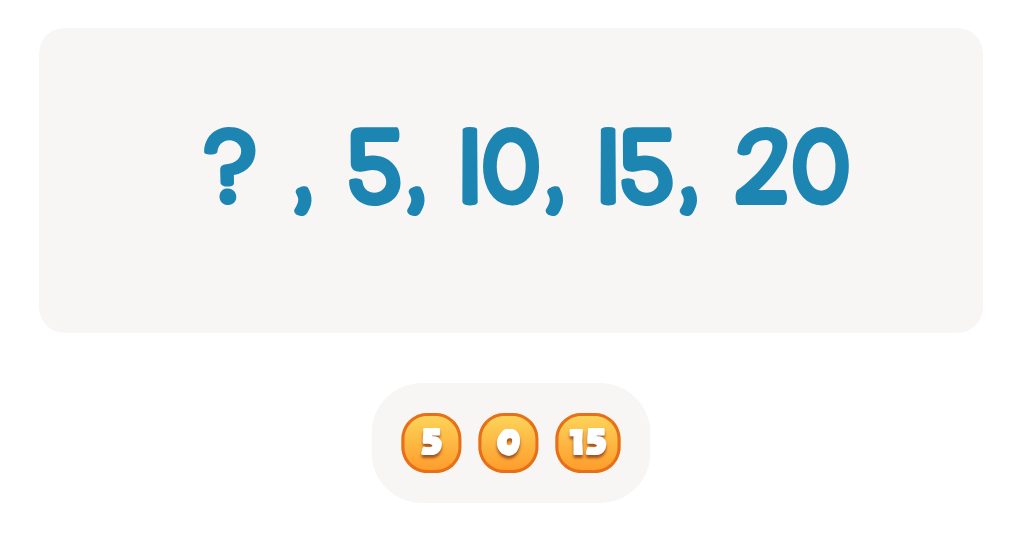
Skip Counting by 5s: Outer Space Math Printable








Problem-solving skills and counting are foundational elements in early childhood education, crucial for a 7-year-old's developmental growth. At this age, children are in a critical stage where they are beginning to grasp more complex concepts beyond simple recognition and memorization. Problem-solving skills encourage logical thinking, analytical skills, and creativity. These skills empower children to approach and overcome challenges independently, fostering a sense of confidence and resilience.
Counting is not just about numbers; it forms the basis for understanding more intricate mathematical concepts like addition, subtraction, and the place value system. It also enhances pattern recognition and sequencing abilities, which are important cognitive skills that apply across various domains.
Together, problem-solving and counting equip children with the tools they need for academic success and real-life situations. For instance, counting helps with everyday activities like telling time and managing simple finances, while problem-solving skills are crucial when children face new scenarios or difficulties. By focusing on these aspects, parents and teachers can provide a strong educational foundation that aids in the child's overall intellectual and emotional development, setting them up for future academic achievements and practical life skills.








