Filters

204 filtered results

Clear all filters
Favorites
With answer key
Interactive

204 filtered results

Difficulty Level

Grade


Check out this FREE Trial Lesson on Math for age 7!

Write 0 & 1

Favorites
With answer key
Interactive
  • 7
  • Counting skills
  • Math
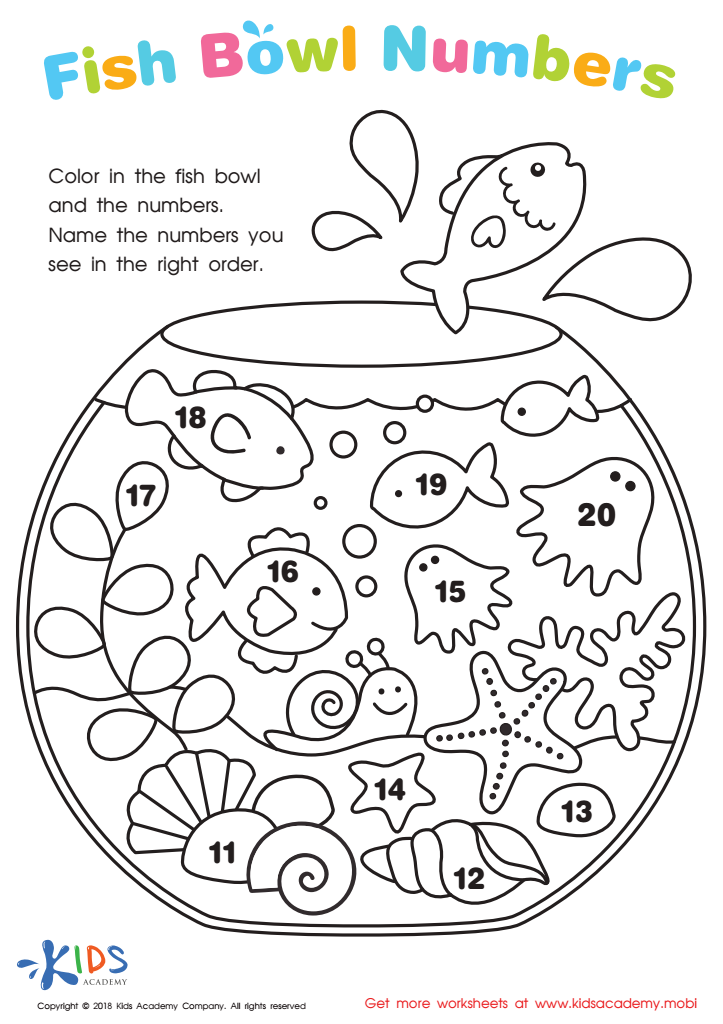
Fish Bowl Numbers Worksheet

Fish Bowl Numbers Worksheet

Let your kids count and color with this fun exercise! Ask them to read out the numbers in the fish bowl in order, then help them pick out colors for the fish bowl and numbers. An easy-peasy activity for kids who can count - they'll have lots of fun!
Download (PDF)
Assign to My Students
Fish Bowl Numbers Worksheet
Worksheet
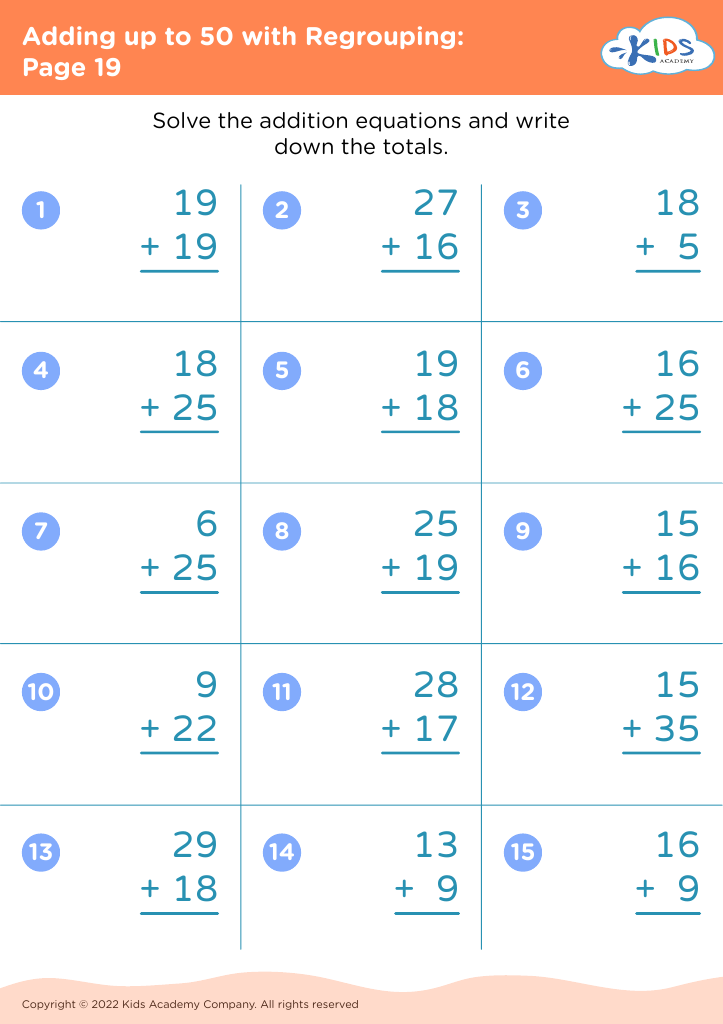
Adding up to 50 with Regrouping: Page 19
Worksheet
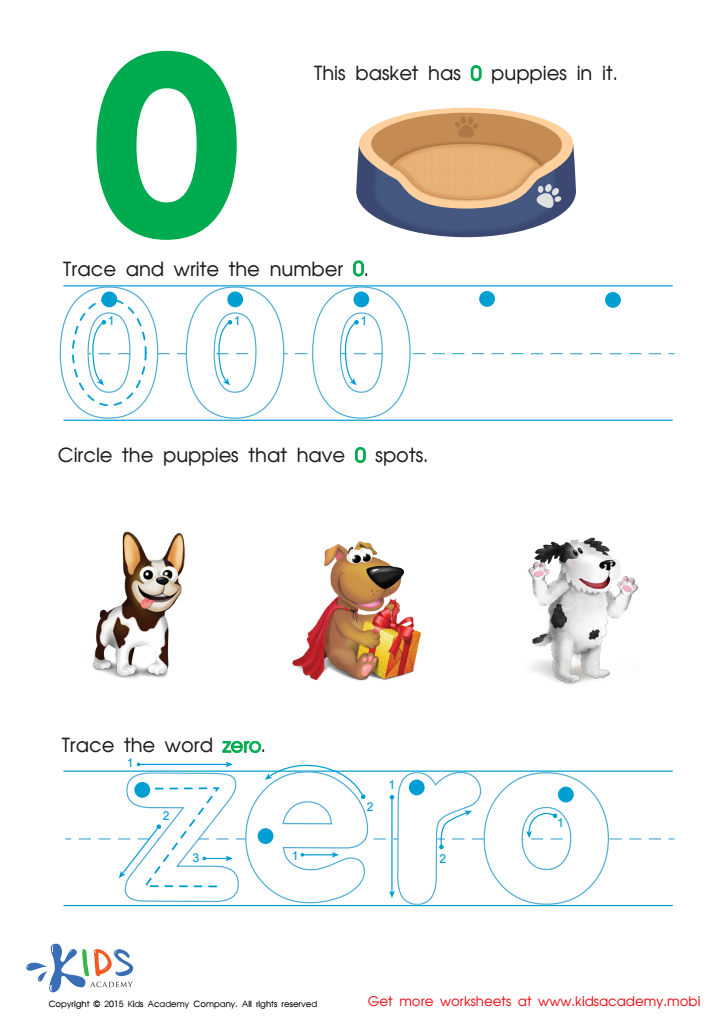
Learning Numbers Worksheets: Trace And Write Number 0 PDF Worksheet

Trace And Write Number 0 Worksheet

Let’s learn numbers together! Start with zero: practice writing, counting, matching spots. Tracing lines will help. Then move on to the collection of number worksheets. Enjoy learning with Kids Academy!
Trace And Write Number 0 Worksheet
Worksheet
Kindergarten Counting by Tens

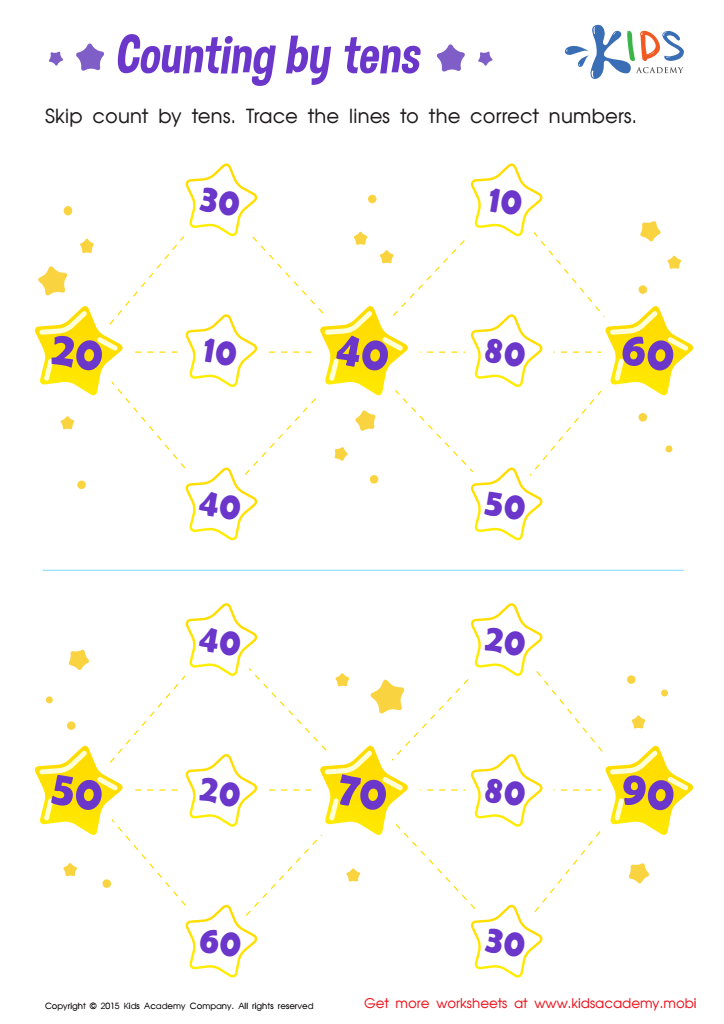
Learn Dozens: Counting by Tens Printable
Kindergartners need to learn skip counting - counting in number groups - to increase number sense and be ready for more advanced math. Our kindergarten worksheet featuring a starry trip to outer space will help your child practice this valuable skill. Your child will choose correct answers to trace the lines to the stars, building fluency in skip counting. They'll also strengthen problem solving and see the pattern it creates. Get your little learner to the next level with this skip counting worksheet!
Learn Dozens: Counting by Tens Printable
Worksheet
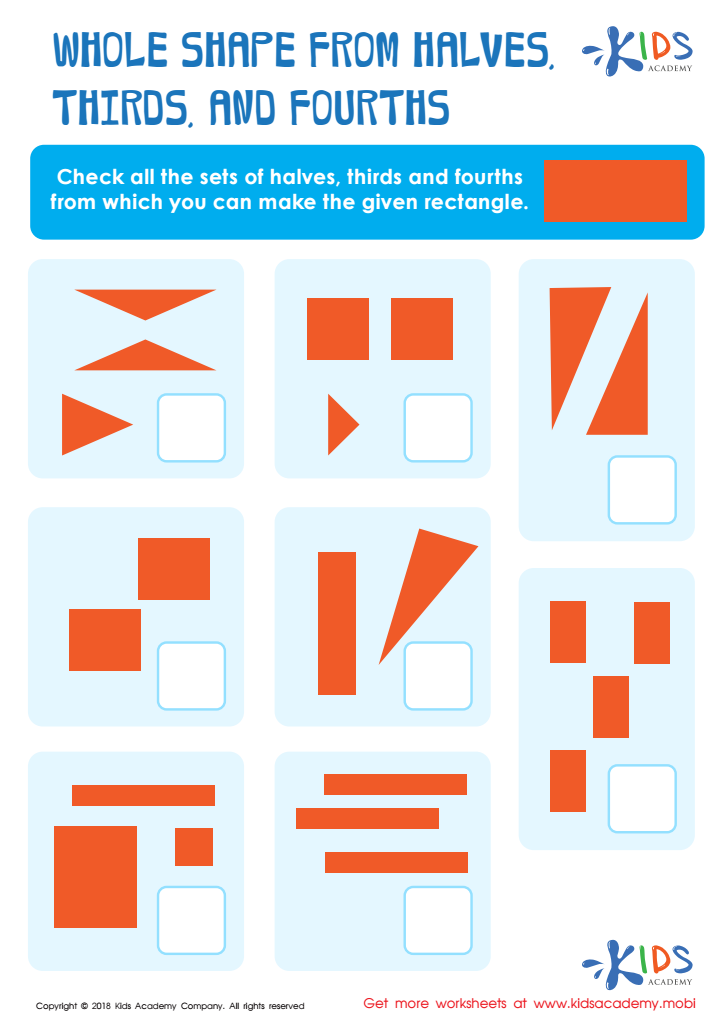
Whole Shape from Halves, Thirds and Fourths Worksheet
Whole Shape from Halves, Thirds and Fourths Worksheet
Explain to your students that they can make a new shape by combining halves, thirds, and fourths of a shape. Show them the worksheet with the rectangle at the top and ask them to find which sets of halves, thirds, and fourths make it. Have them check all the correct sets.
Whole Shape from Halves, Thirds and Fourths Worksheet
Worksheet
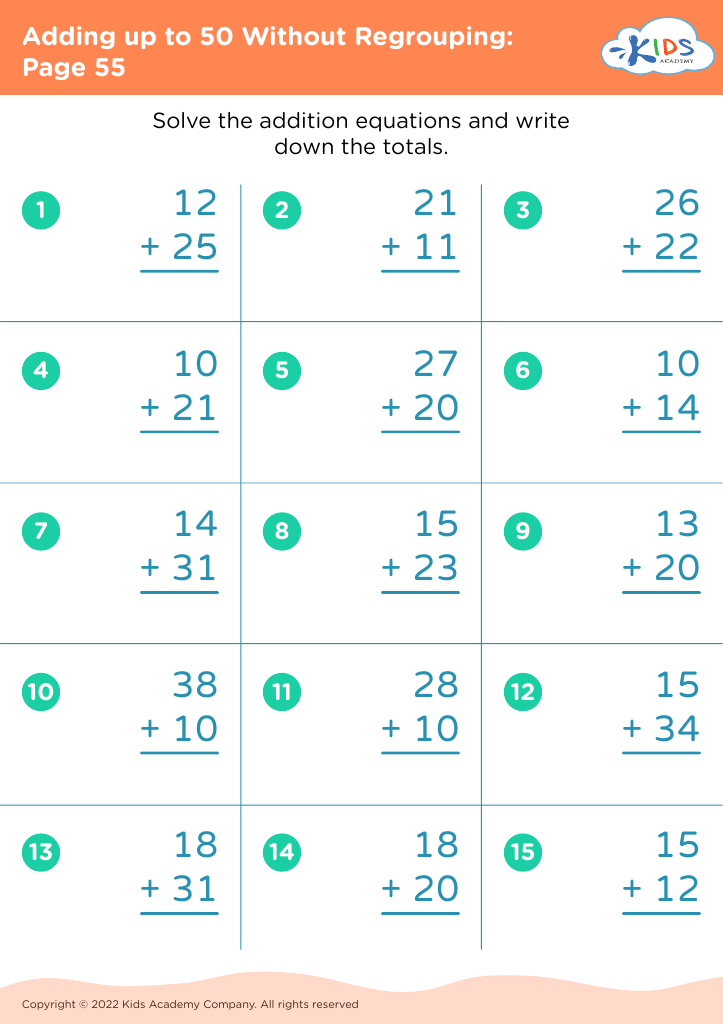
Adding up to 50 Without Regrouping: Page 55
Worksheet
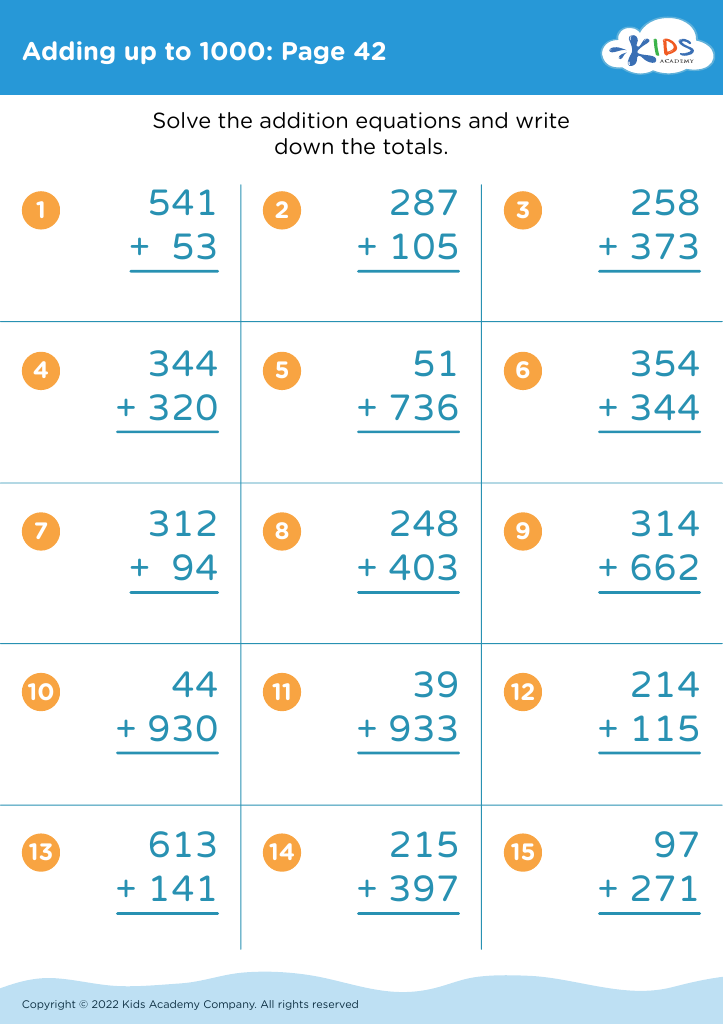
Adding up to 1000: Page 42

Adding up to 1000: Page 42

Adding up to 1000: Page 42
Worksheet
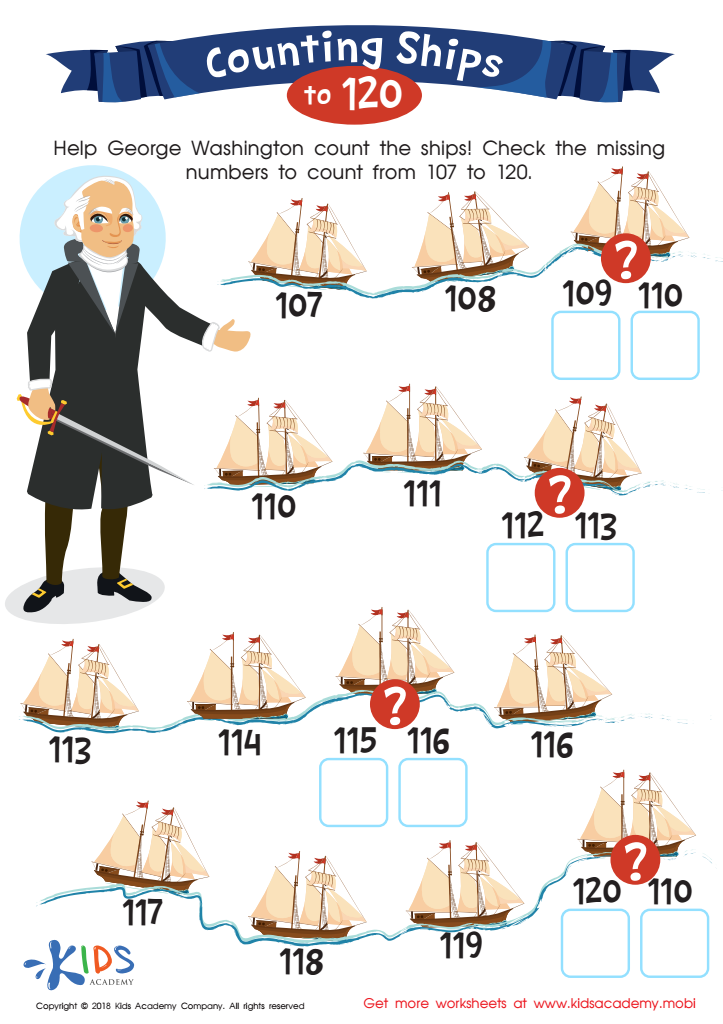
Counting Ships to 120 Worksheet
Counting Ships to 120 Worksheet

Introduce your child to George Washington and his contributions to our country's history. If they already know their numbers, have them help George count the ships! Challenge them to fill in the missing numbers between 107 and 120.
Counting Ships to 120 Worksheet
Worksheet
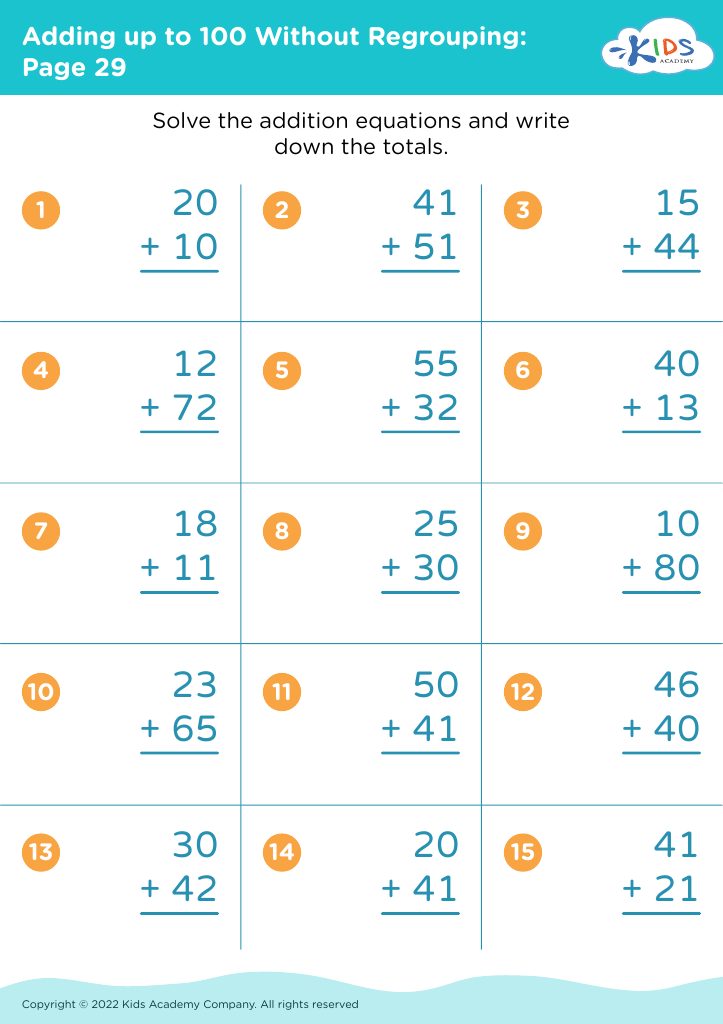
Adding up to 100 Without Regrouping: Page 29
Worksheet
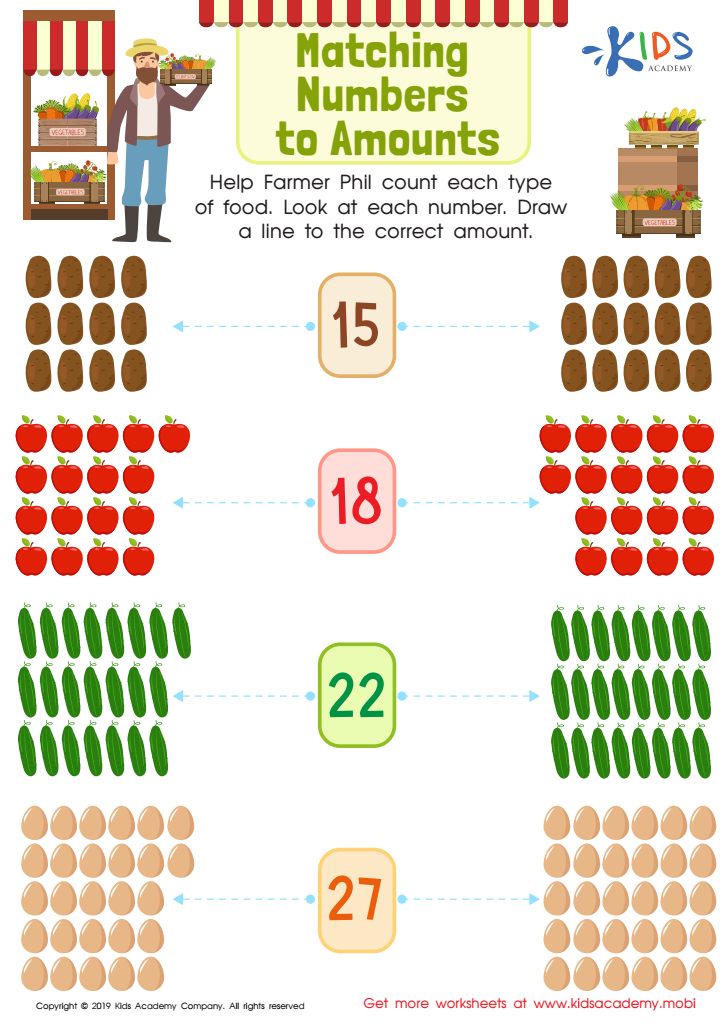
Matching Numbers to Amounts Worksheet
Matching Numbers to Amounts Worksheet

Farmer Phil needs your kid's help! Ensure they know the basics of math such as counting, adding and subtracting. Before beginning, help your child identify and count the different foods in the picture. Then, draw a line to the correct amount.
Matching Numbers to Amounts Worksheet

Worksheet
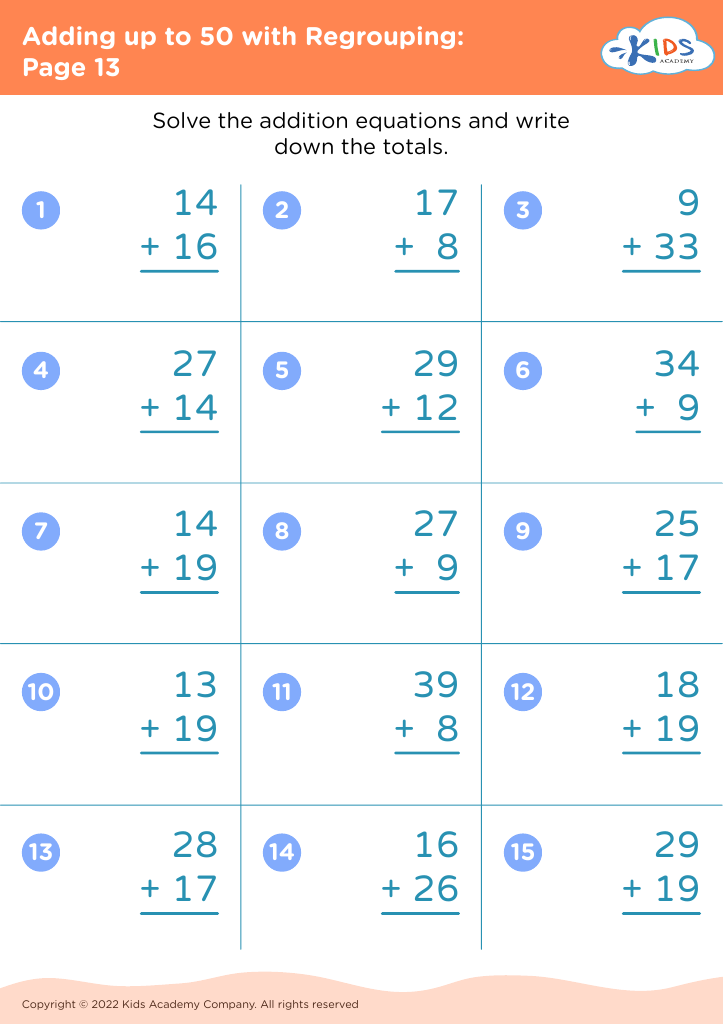
Adding up to 50 with Regrouping: Page 13
Worksheet
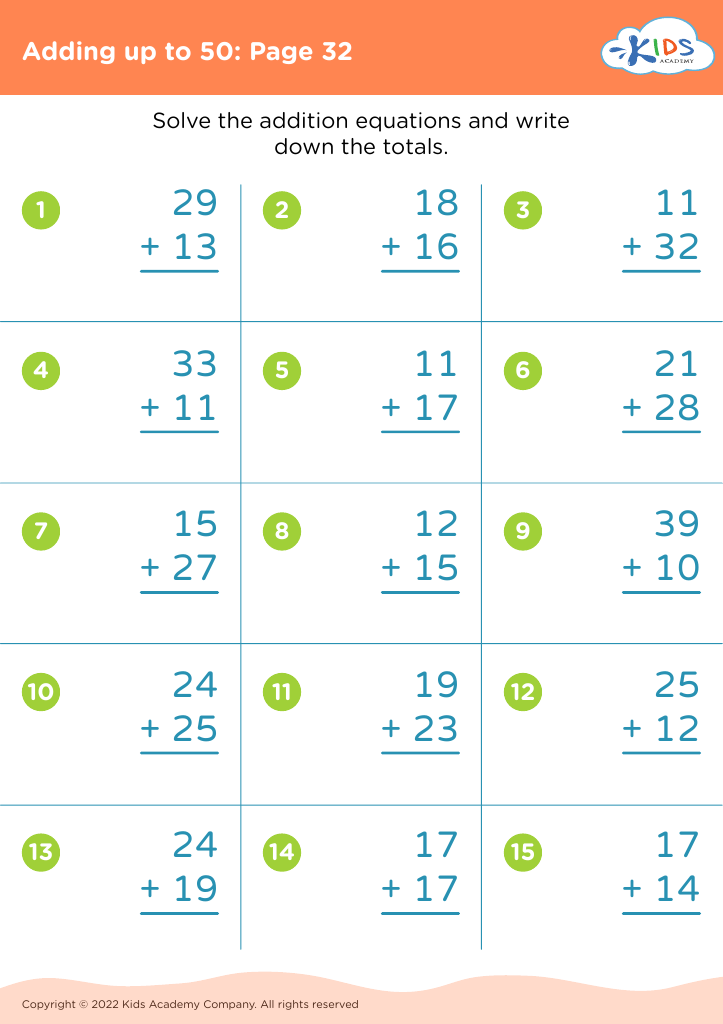
Adding up to 50: Page 32

Adding up to 50: Page 32

Adding up to 50: Page 32
Worksheet


... 8 9

Counting skills are foundational to a child's mathematical understanding and overall cognitive development. For 7-year-olds, mastering counting lays the groundwork for more advanced concepts like addition, subtraction, and even problem-solving. Parents and teachers should care about these skills because they are crucial for everyday life and learning.

First, counting reinforces number sense, helping children connect numerals with corresponding quantities. This skill enhances logical reasoning and helps children make sense of their surroundings, facilitating better understanding of basic math concepts. Additionally, strong counting skills promote confidence in math, allowing children to approach challenges without fear.

Furthermore, counting is vital for fostering social skills. Games involving counting can encourage teamwork, turn-taking, and communication among peers. Engaging children in counting through fun activities makes learning enjoyable and strengthens parent-child or teacher-student relationships.

Finally, the ability to count accurately impacts a child's performance in standardized testing and future academic pursuits. Strong early math skills correlate with better outcomes in later years. Thus, by prioritizing counting skills, families and educators equip children with the essential tools they need for both academic success and life beyond the classroom. Through support and engagement, we can build a strong mathematical foundation for the next generation.