
Fraction simplification Math Worksheets for 7-Year-Olds
58 filtered results
Difficulty Level
Grade
Age
-
From - To
Subject
Activity
Standards
Unlock the world of fractions with our engaging Fraction Simplification Math Worksheets designed specifically for 7-year-olds! These worksheets provide a fun and interactive way for young learners to master the fundamentals of simplifying fractions. Featuring colorful visuals and age-appropriate exercises, children will develop crucial mathematical skills while gaining confidence in their abilities. Our resources cater to different learning styles, ensuring every child can grasp the concept with ease. Ideal for classroom activities or at-home practice, these worksheets promote critical thinking and problem-solving. Help your child shine in math and strengthen their understanding of fractions today!
Favorites
With answer key
Interactive
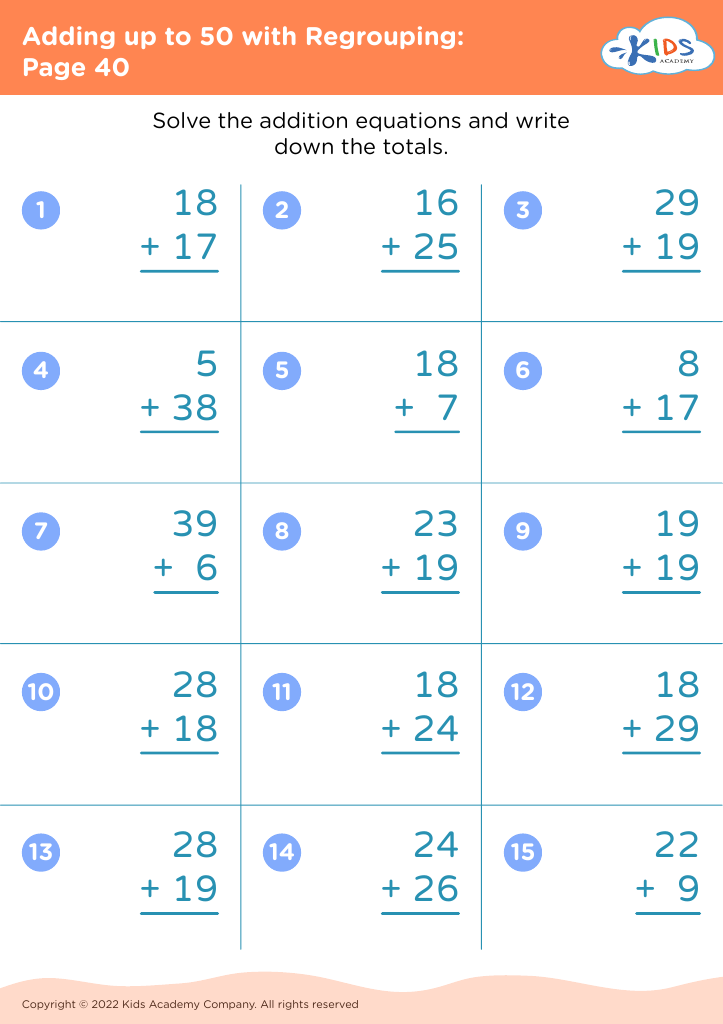
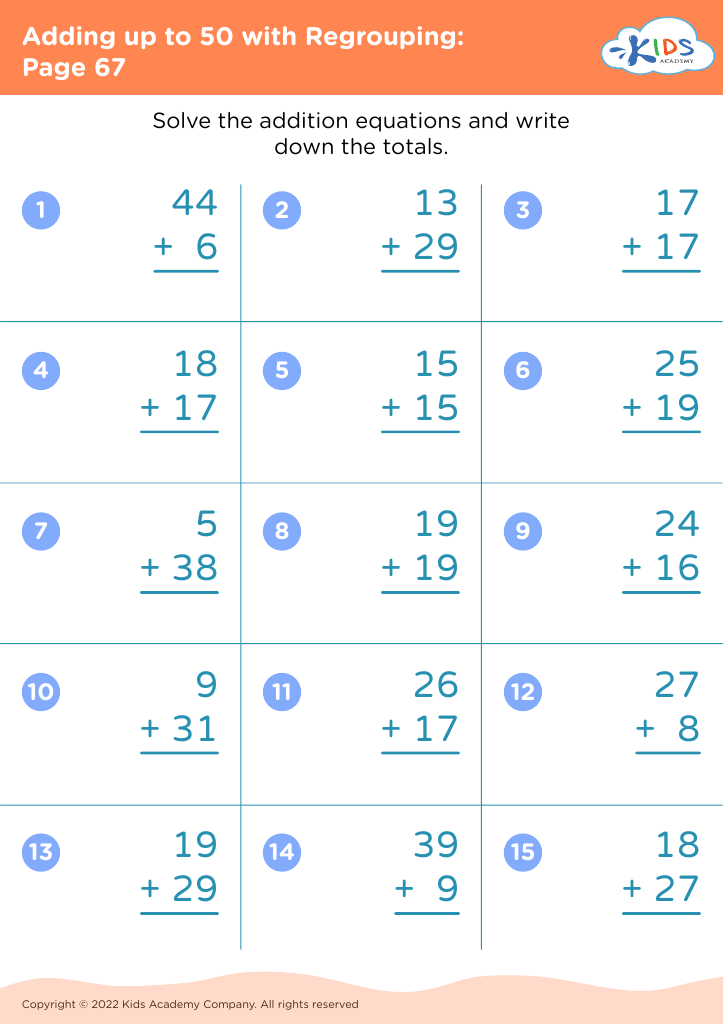
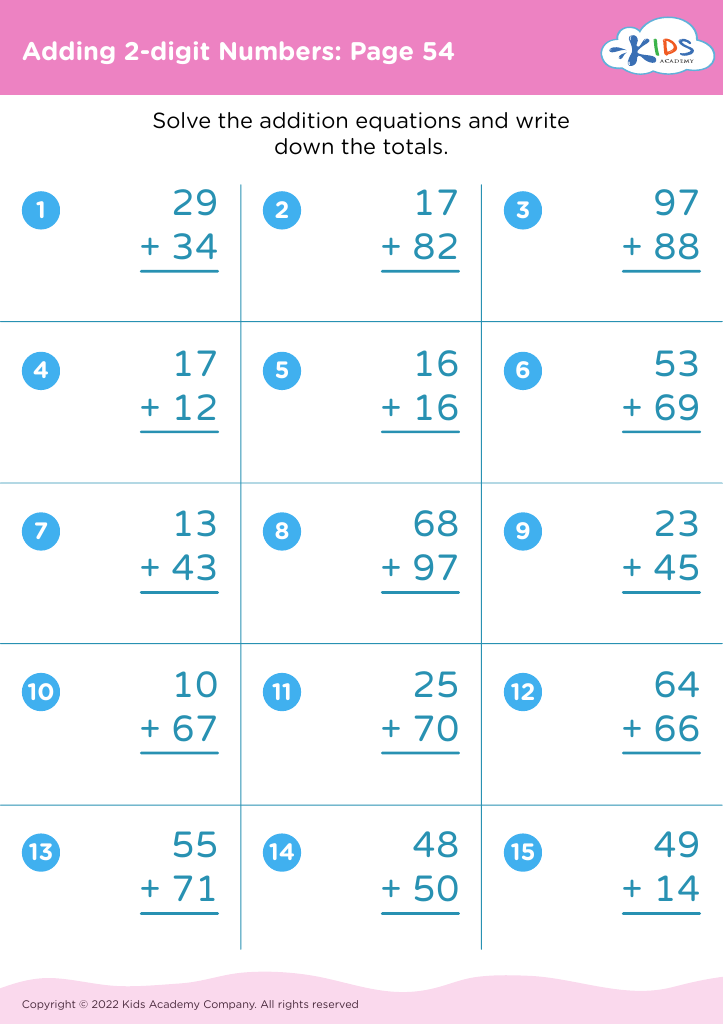
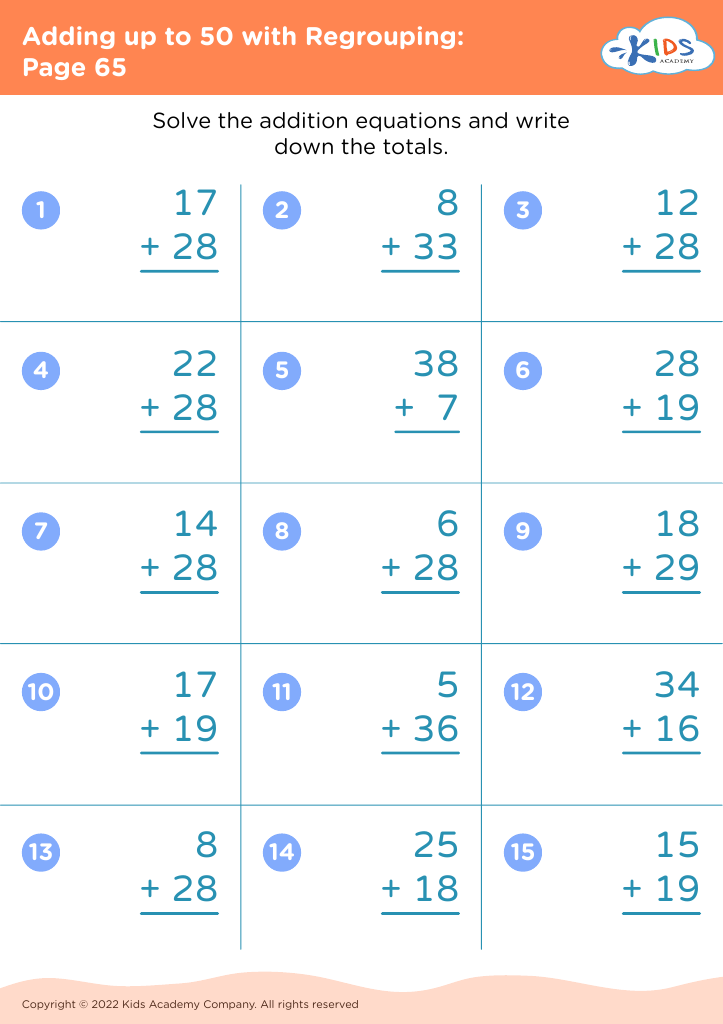
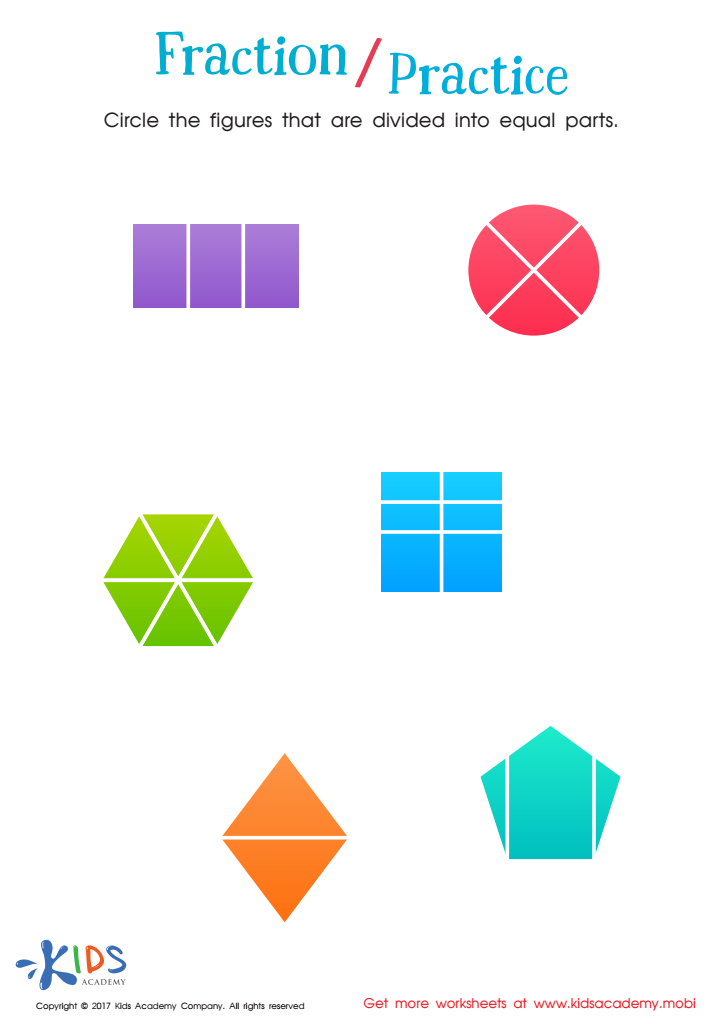
Fractions: Shapes Worksheet
Get your printable now.
Kids learn math differently today than you did in school; understanding concepts rather than memorizing facts. Help your child understand fractions with this printable worksheet. It'll help your child recognize parts of a whole, identify equal parts and build a foundation for numeracy. A better understanding sets kids up for math success! Get your printable now.
 Assign to My Students
Fractions: Shapes Worksheet
Worksheet
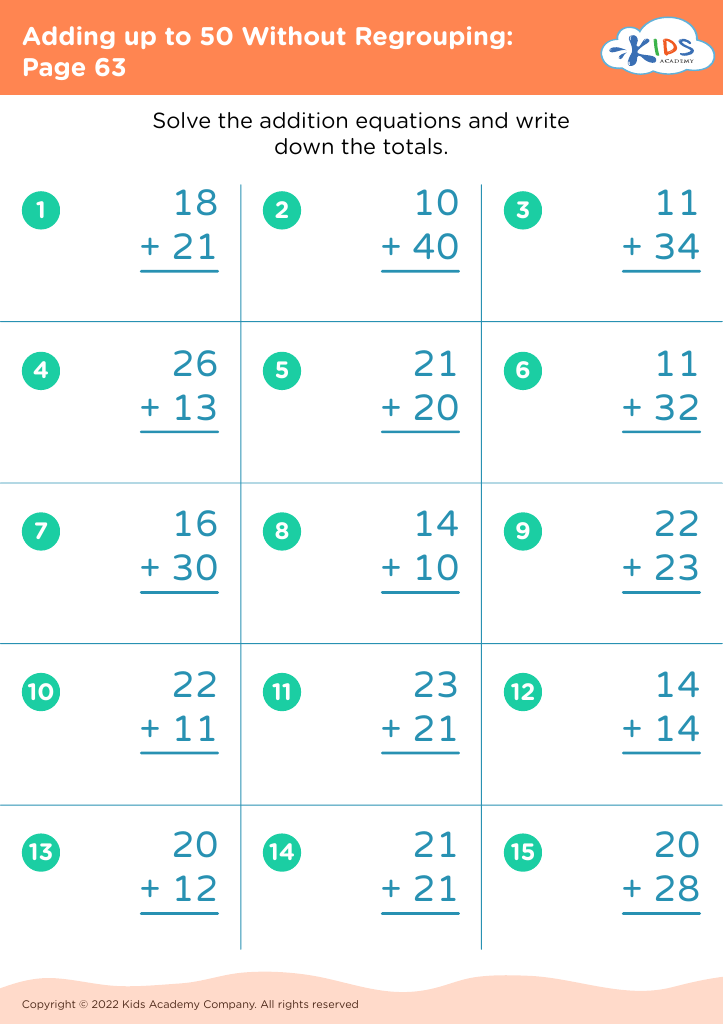
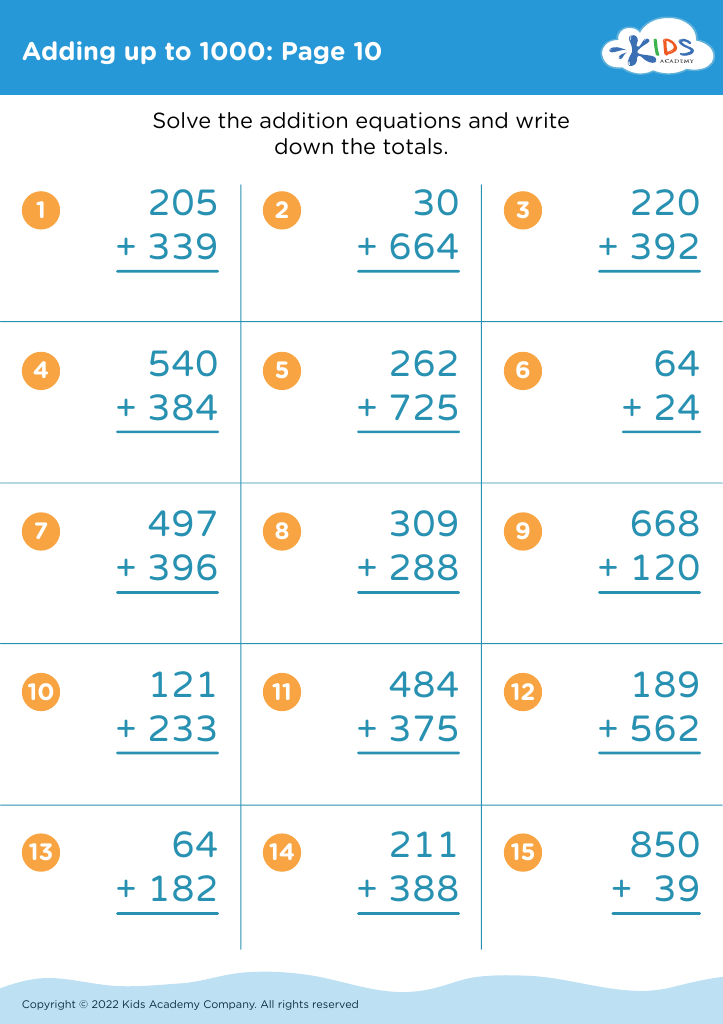
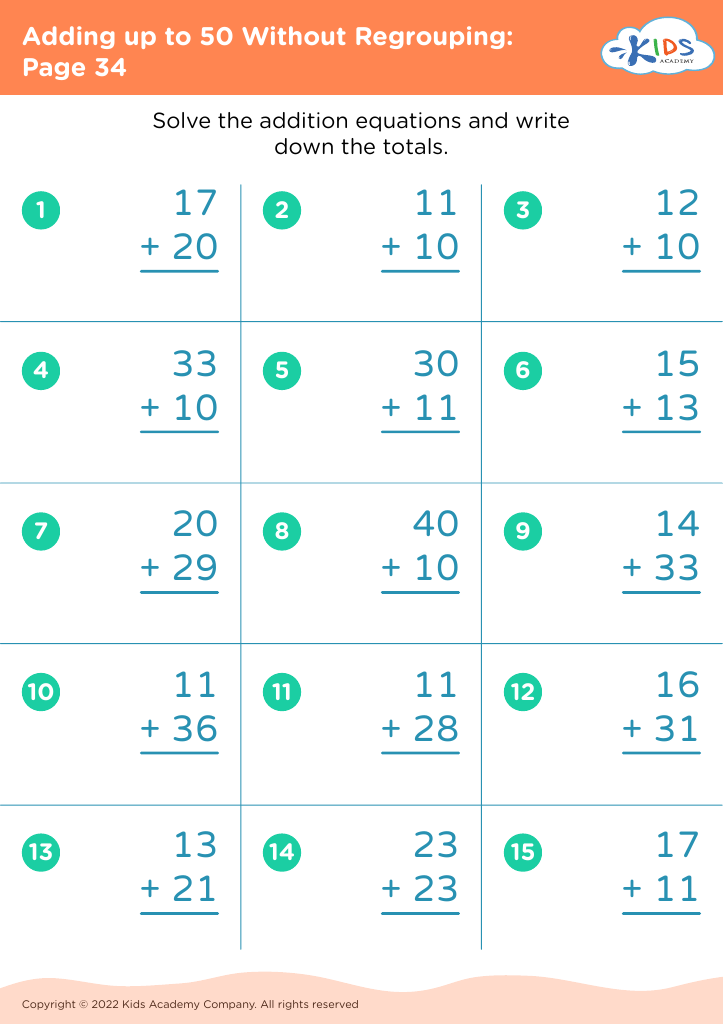
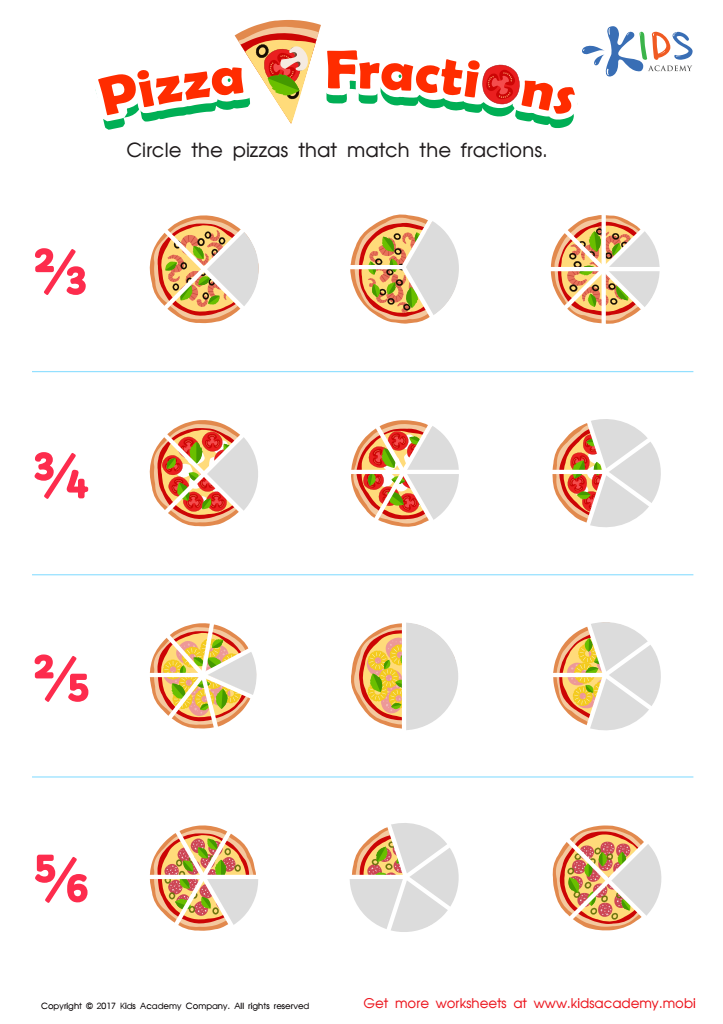
Fractions: Pizza Printable
Fractions can be tricky for kids, but this pizza fractions printable can help! Kids can understand fractions by seeing them, as they use one of their favorite foods. It helps them grasp the concept and gain a deeper understanding of what fractions represent. Extend their learning by quizzing them when you order pizza next time.
Fractions: Pizza Printable
Worksheet
Join Kids Academy for Free
Who is primarily going to use this learning content?



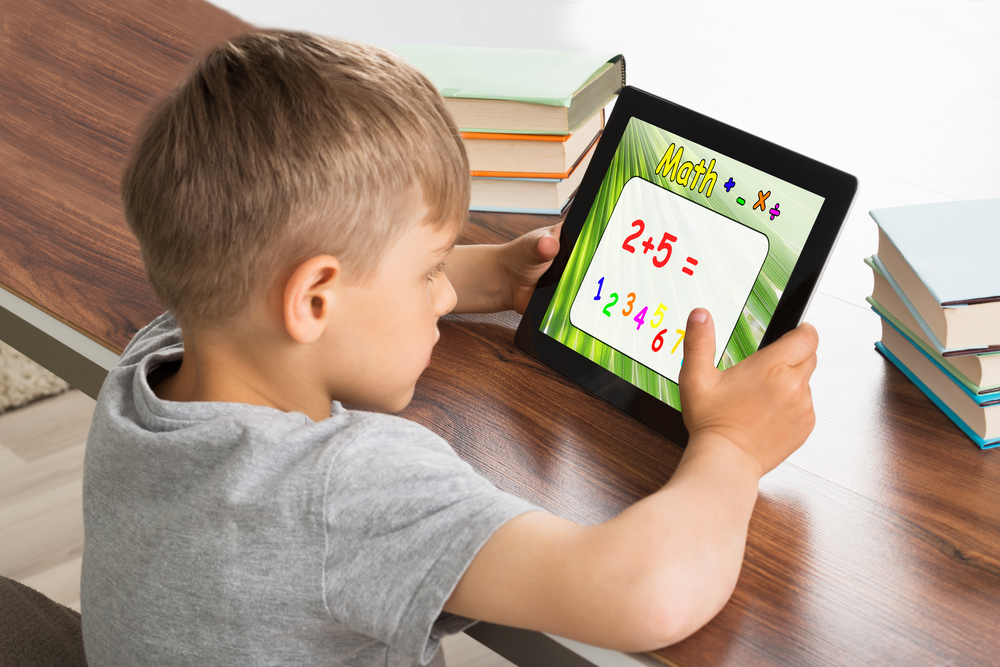



Fraction simplification is a crucial skill for 7-year-olds, and parents and teachers should prioritize it for several reasons. First, understanding fractions builds a strong mathematical foundation. At this age, children begin to learn about parts of a whole, making it essential to grasp how fractions work. Simplifying fractions helps them recognize equivalent values and enhances their number sense.
Moreover, mastering fraction simplification enhances problem-solving skills. When children can break down complex fractions into simpler forms, they can tackle more challenging math concepts later, such as addition, subtraction, or multiplication of fractions. This ability fosters confidence and independence in their mathematical abilities.
Additionally, fraction simplification is not just a standalone skill. It is interconnected with real-life applications, such as cooking, sharing, or budgeting. Parents and teachers can illustrate these concepts through practical examples, making learning more relatable and meaningful.
This early exposure to fraction simplification also helps develop critical thinking and reasoning skills, as children learn to analyze and manipulate numbers logically. Overall, emphasizing fraction simplification in early education prepares children for future success in math and enriches their everyday decision-making, making it essential for lifelong learning.








