Shape identification Math Worksheets for 7-Year-Olds
26 filtered results
-
From - To
Discover our engaging Shape Identification Math Worksheets designed specifically for 7-year-olds! These worksheets foster essential geometric skills, helping young learners recognize and understand various shapes such as circles, squares, triangles, and more. Each activity is crafted to make learning fun and interactive, promoting critical thinking and visual recognition. With colorful illustrations and clear instructions, children will build confidence in identifying shapes in different settings. Perfect for classroom or home use, our worksheets support foundational math skills, encouraging creativity and exploration. Start your child’s journey in shape identification today and watch them excel in their math skills!
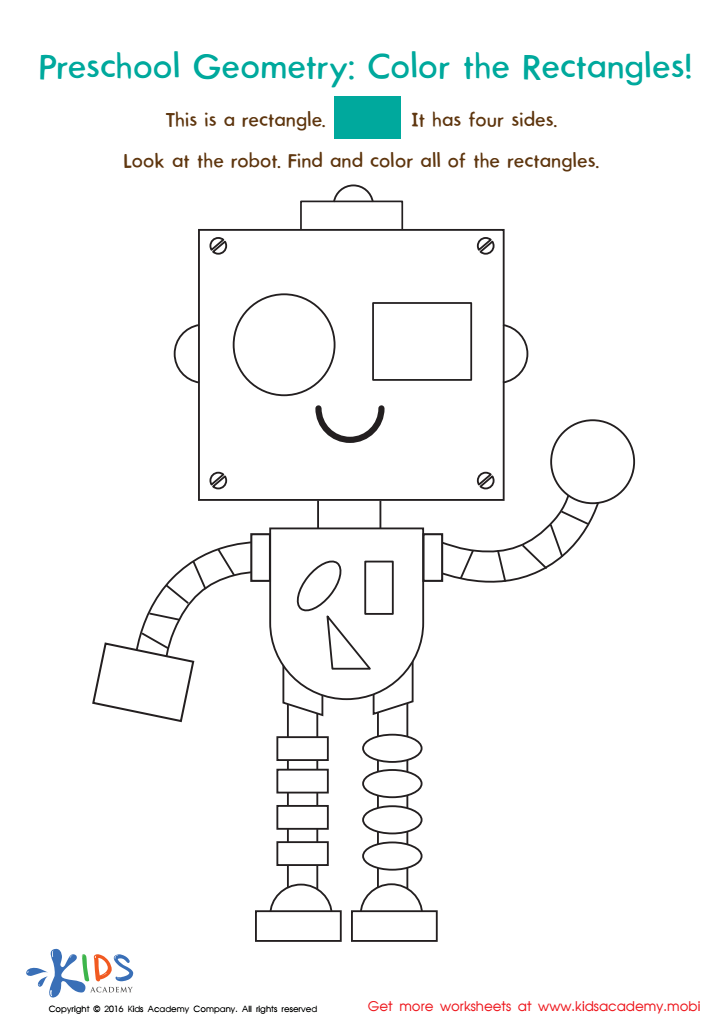
Geometry Worksheet
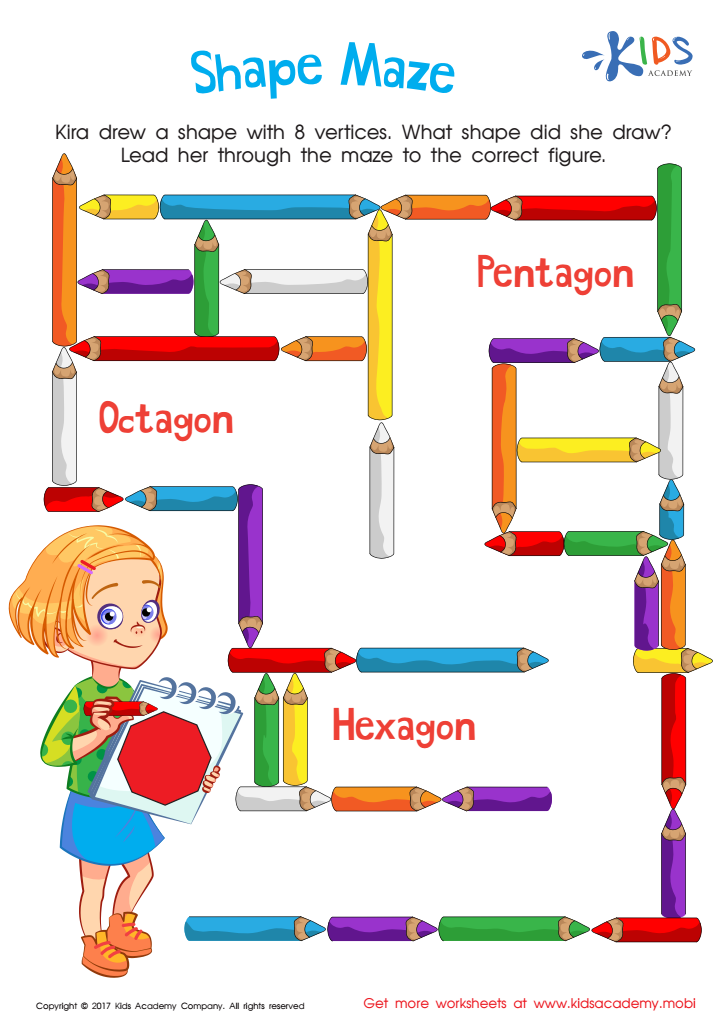
Shape Maze Worksheet
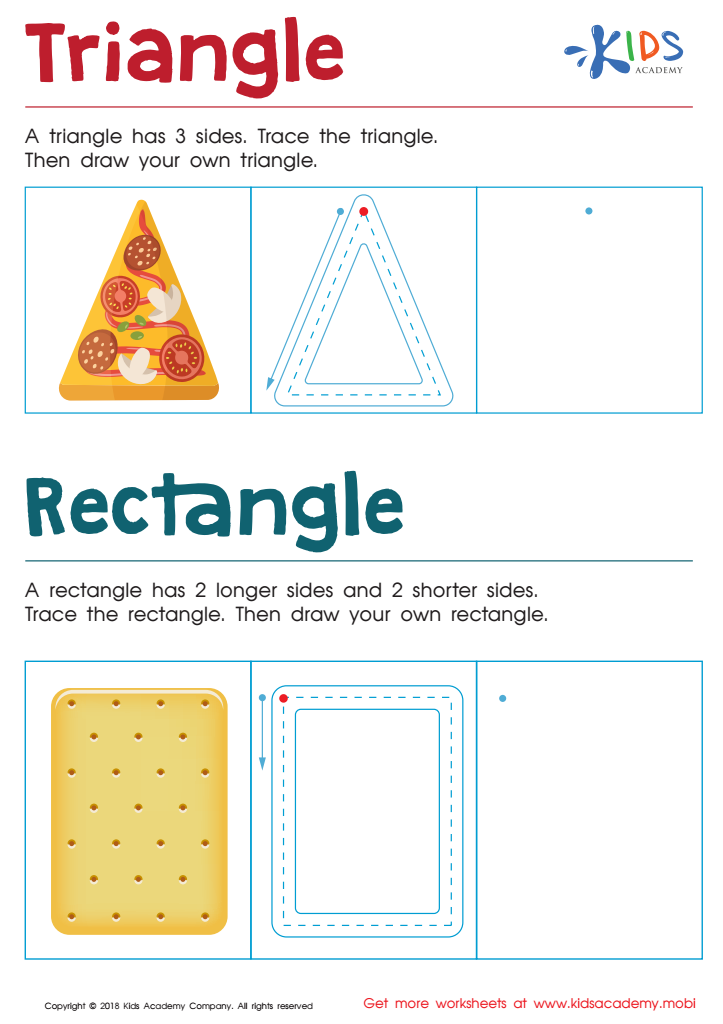
Triangle Rectangle Worksheet
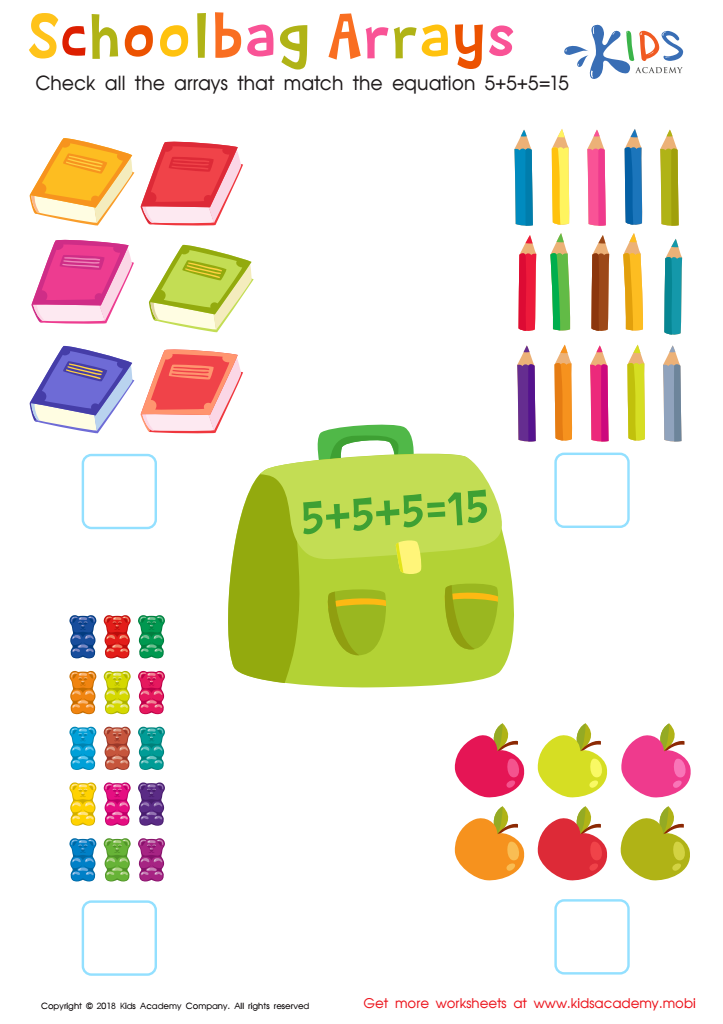
Schoolbag Arrays Worksheet
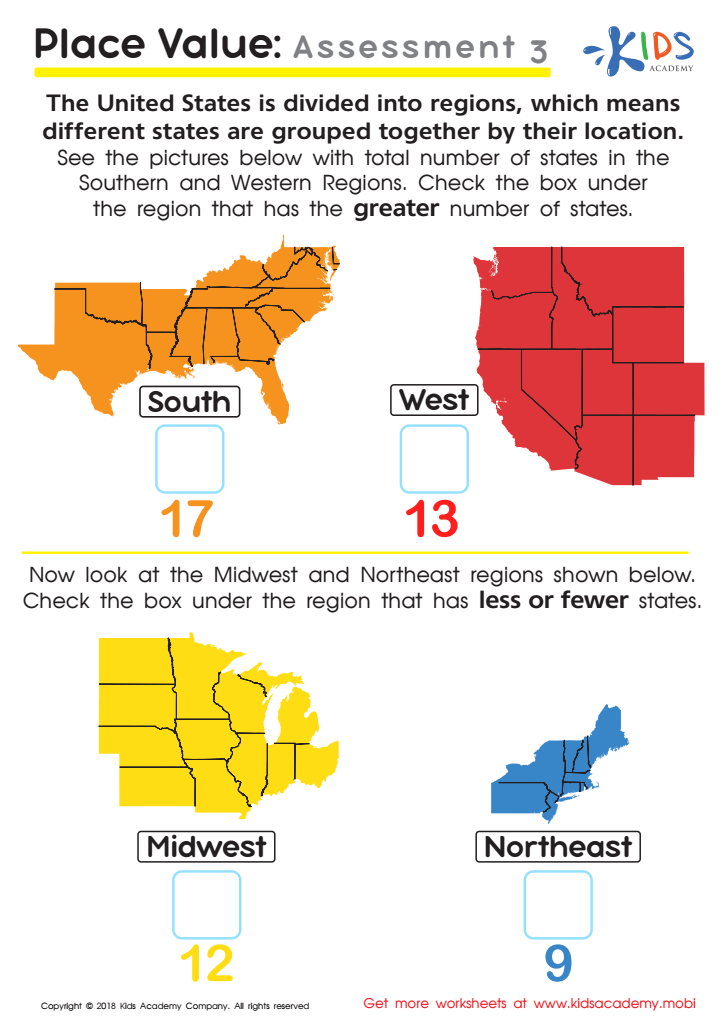
Place Value: Assessment 3 Worksheet
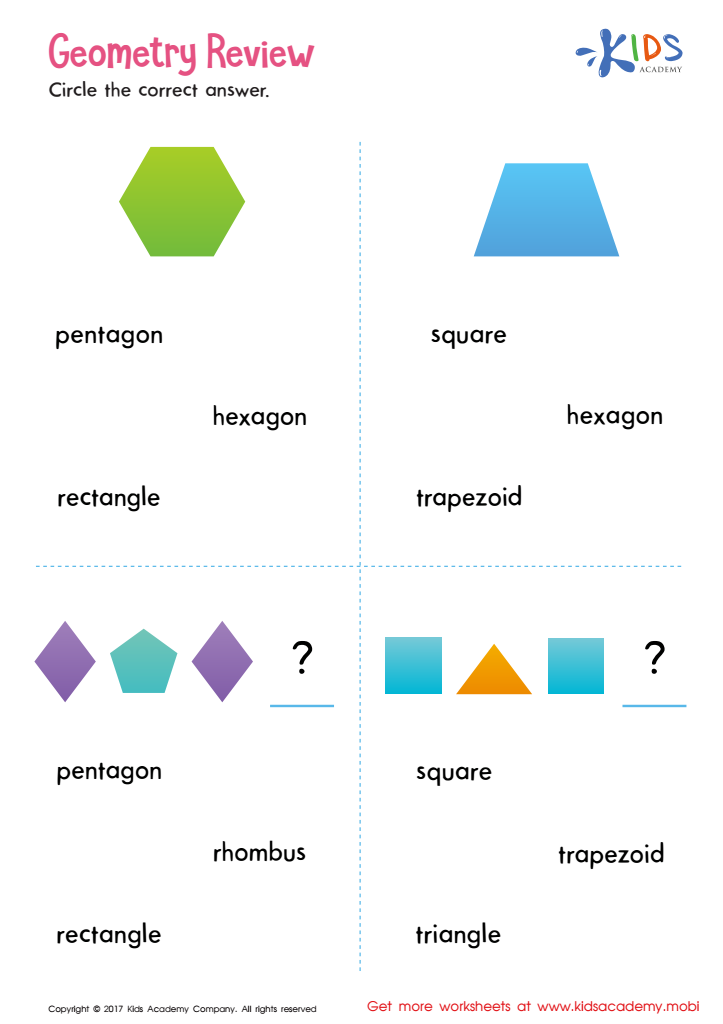
Geometry Review Printable
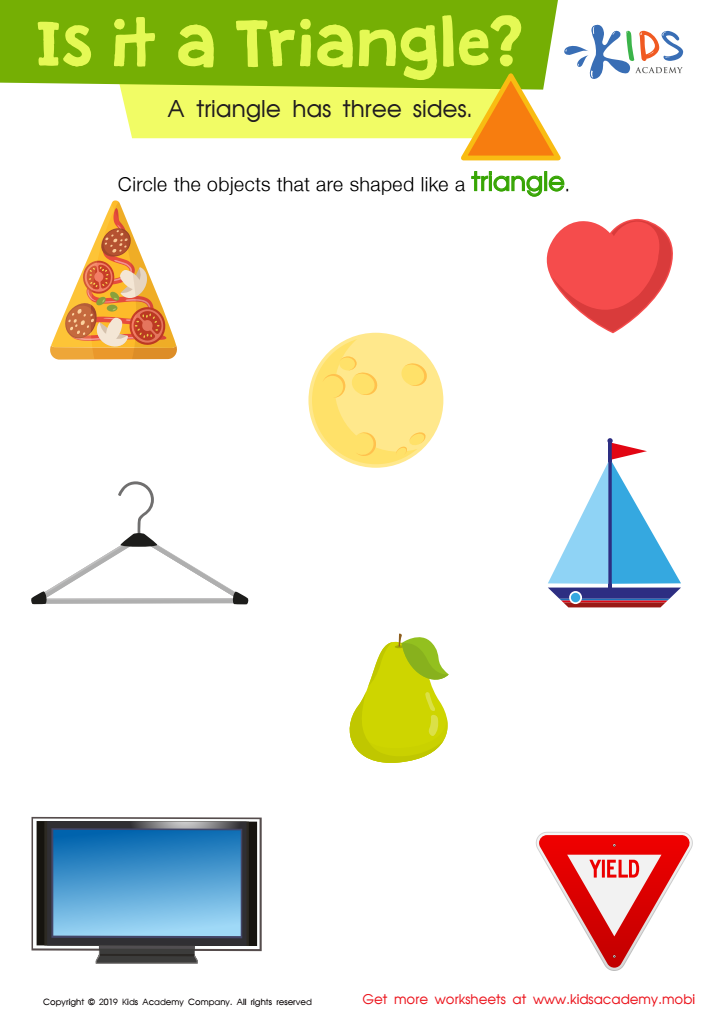
Is It a Triangle? Worksheet
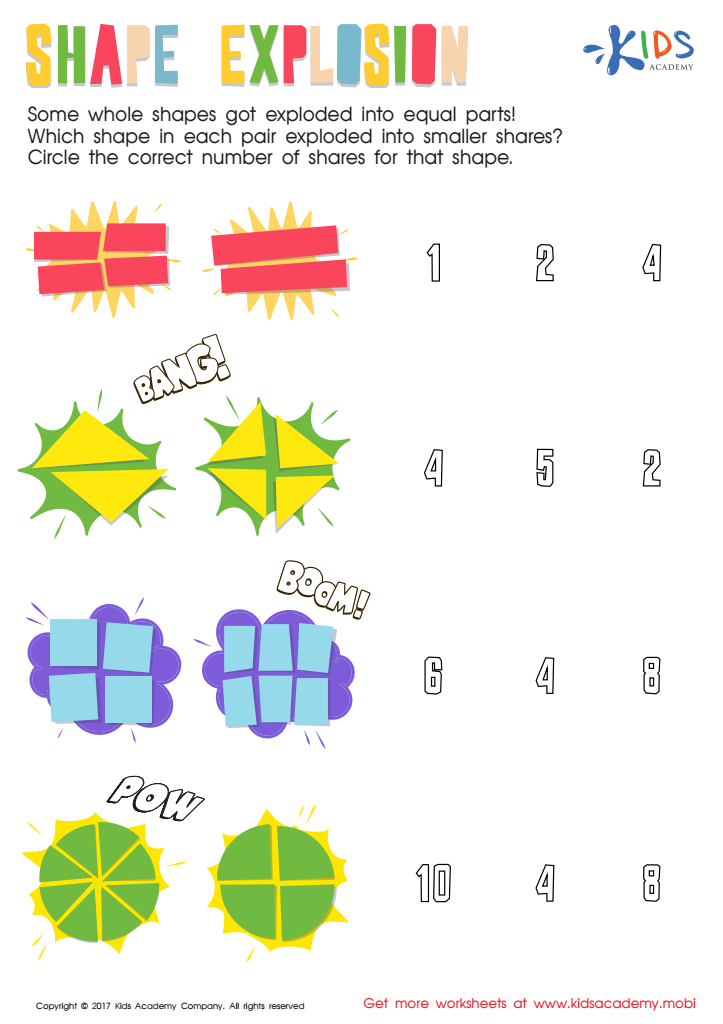
Shape Explosion Worksheet
Number 2 Printable
 Assign to My Students
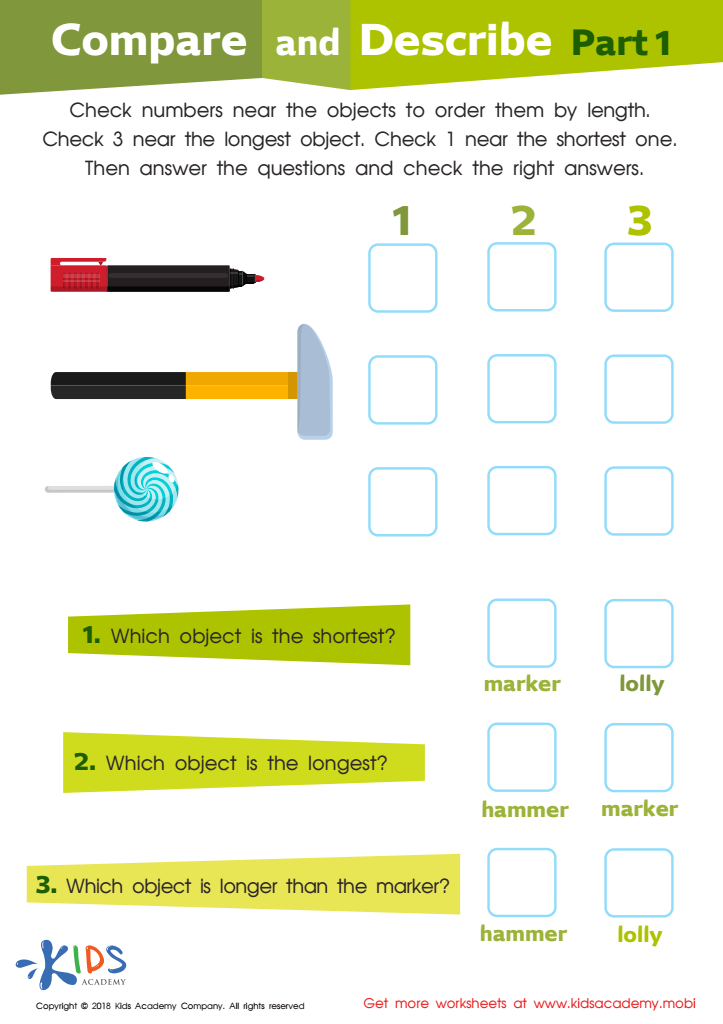
Compare and Describe: Part 1 Worksheet




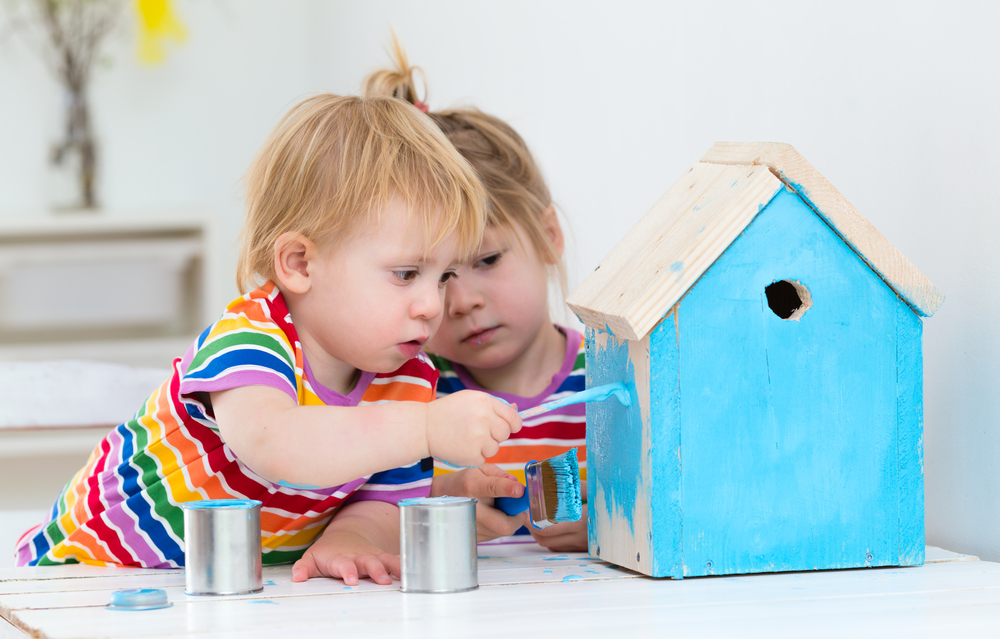


Shape identification is a foundational math skill that plays a crucial role in a 7-year-old's cognitive development and everyday experiences. At this age, children are naturally curious and learning to categorize the world around them. Understanding shapes helps them develop spatial awareness, critical for navigating their environment, whether in arts and crafts or in physical activities like sports.
Parents and teachers should emphasize shape identification because it fosters early mathematics skills, such as geometry, measurement, and problem-solving. Recognizing and distinguishing between shapes lays the groundwork for more advanced mathematical concepts in the future, such as angles and symmetry. Furthermore, through shape identification activities, children develop their observation and critical thinking skills, which are applicable across various subjects.
Additionally, incorporating shapes in real-life contexts enhances learning; for example, while baking or building, children encounter different shapes and learn to describe and analyze them. Lastly, shape identification can promote creativity and self-expression, especially in art and design projects, giving children a chance to explore their imagination while solidifying their understanding of mathematical concepts. By supporting shape recognition, parents and teachers nurture well-rounded learners equipped for success in future academic pursuits.








