Identifying shapes Reading Worksheets for 7-Year-Olds
5 filtered results
-
From - To
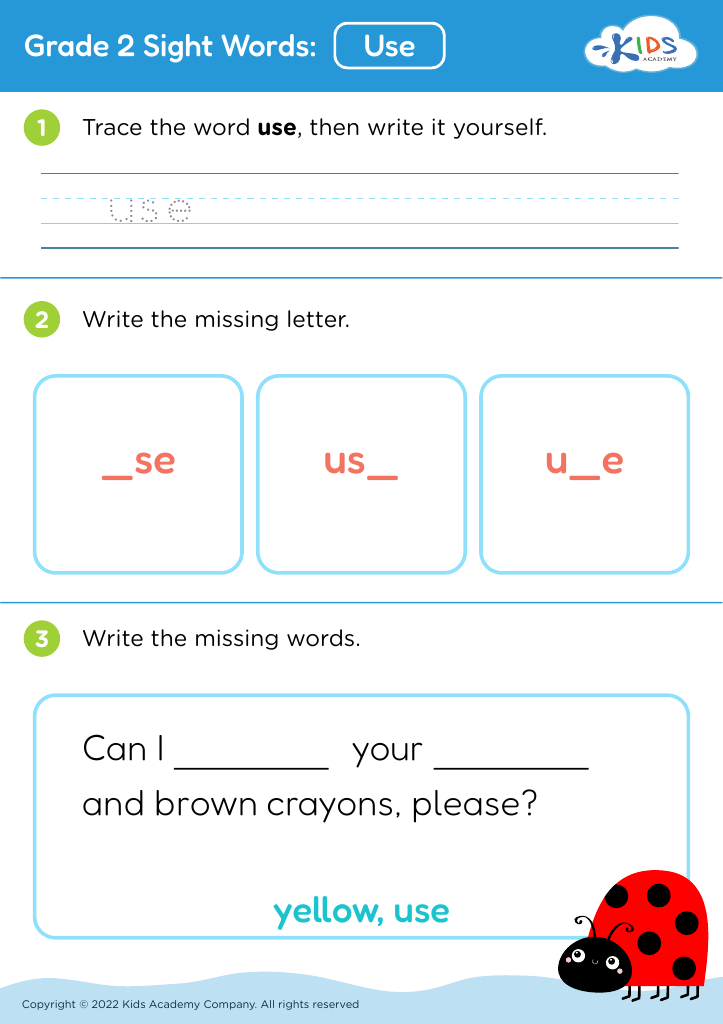
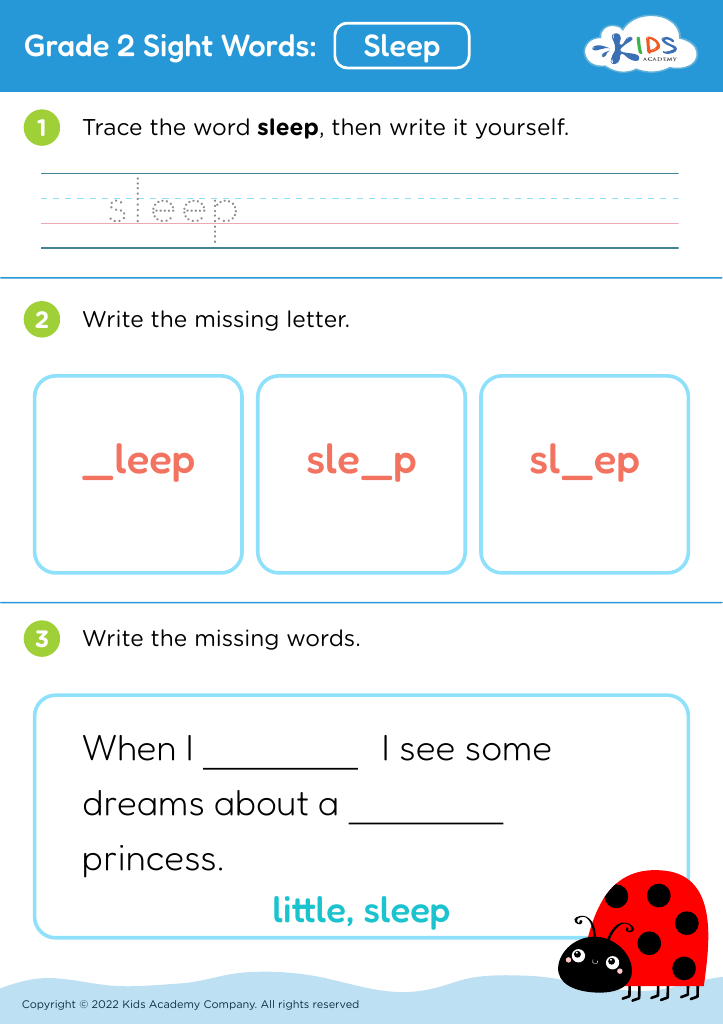
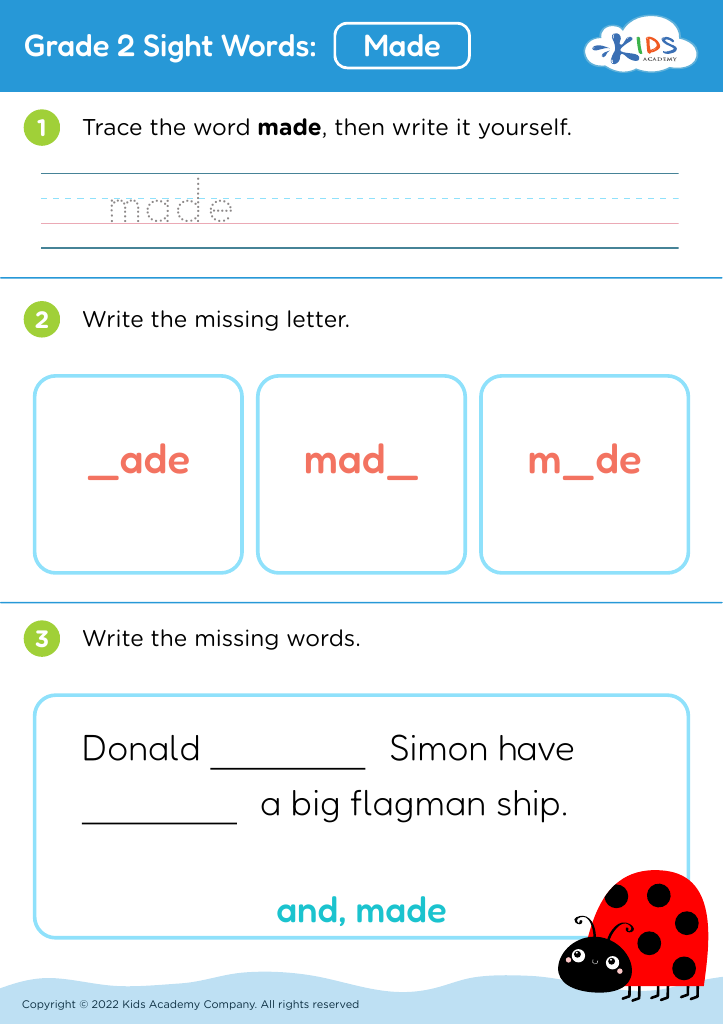
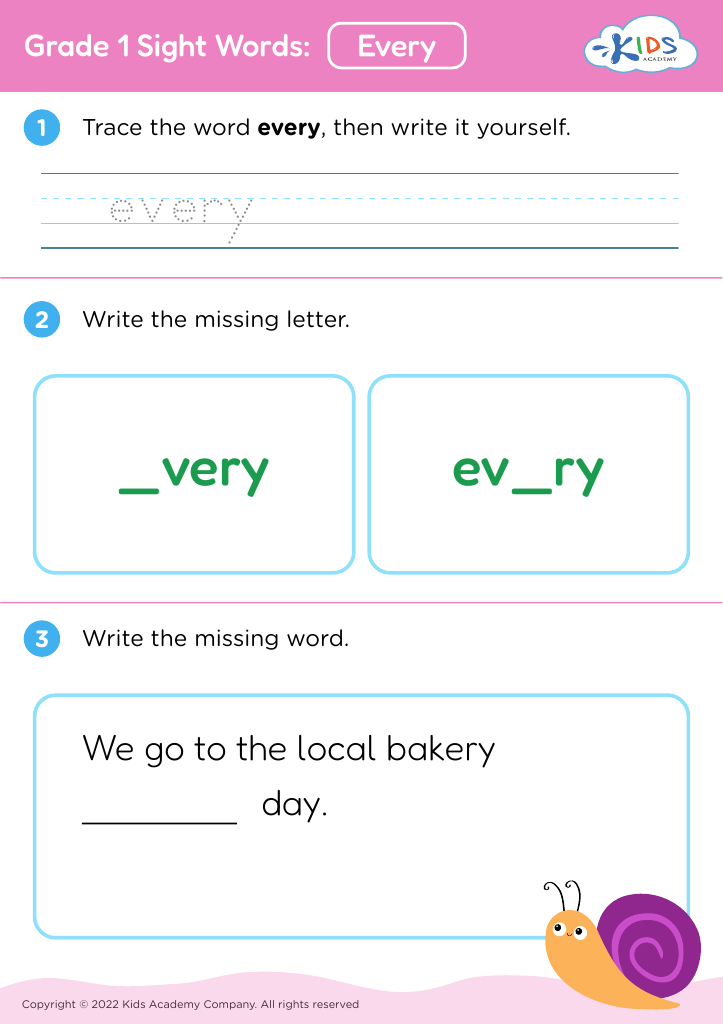
Explore our engaging Identifying Shapes Reading Worksheets tailored for 7-year-olds! These worksheets are designed to enhance your child's reading comprehension while introducing basic geometric shapes. With fun activities and colorful visuals, children will learn to identify and describe various shapes through exciting stories and illustrations. Perfect for reinforcing shape recognition skills in a playful manner, these resources help develop critical thinking and observation abilities. Ideal for classroom or at-home learning, our worksheets promise to make shape identification an enjoyable experience for kids. Transform learning into fun adventures with our delightful worksheets that boost both reading and math skills!






.jpg)

Identifying shapes is a fundamental skill that holds immense value for 7-year-olds, as it lays the groundwork for various learning areas, especially in math and literacy. Understanding shapes helps children develop spatial awareness, which is essential for problem-solving and critical thinking. As they become familiar with shapes like circles, squares, and triangles, they begin to recognize them in their environment, enhancing their observational skills.
Moreover, identifying shapes contributes to their vocabulary development, as children's discussions about shapes foster language skills. When parents and teachers engage children in conversations about shapes, they introduce new words and concepts, bridging the gap between visual understanding and language acquisition.
Additionally, engaging with shapes can lead to various creative activities such as arts and crafts, further stimulating cognitive growth. This hands-on exploration can ignite children’s enthusiasm for learning and encourage them to view challenges as opportunities for creativity and expression.
In summary, identifying shapes not only supports mathematical understanding but also builds language and cognitive skills that are essential for overall development. By prioritizing this learning objective, parents and teachers can provide children with a strong foundation for future academic success.








