Shape Recognition Reading Worksheets for 7-Year-Olds
6 filtered results
-
From - To
Unlock the power of learning with our Shape Recognition Reading Worksheets designed specifically for 7-year-olds. These engaging, expertly-crafted worksheets seamlessly blend reading skills with essential geometry concepts. Perfect for young learners, each activity helps children identify, understand, and categorize various shapes while boosting their reading comprehension. Our fun and interactive exercises promote critical thinking and keep students captivated, providing an enjoyable educational experience. With colorful visuals and playful themes, our worksheets make learning delightful and effective. Explore Kids Academy’s Shape Recognition Reading Worksheets today to cultivate a love for reading and mathematics in your child!
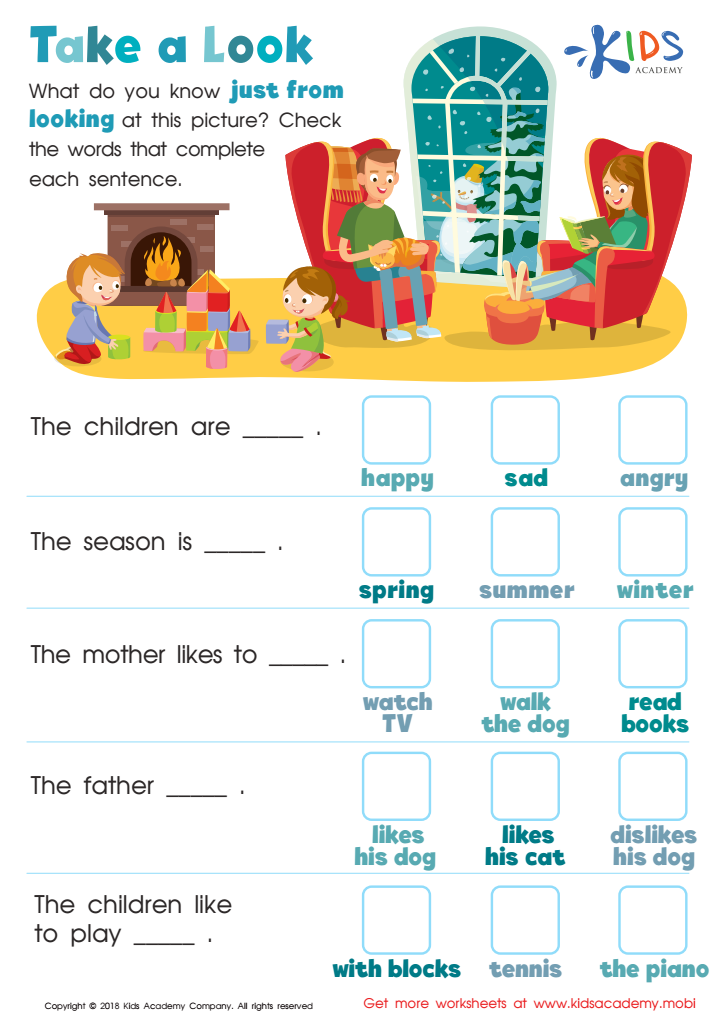
Take a Look - Part 1 Worksheet
 Assign to My Students
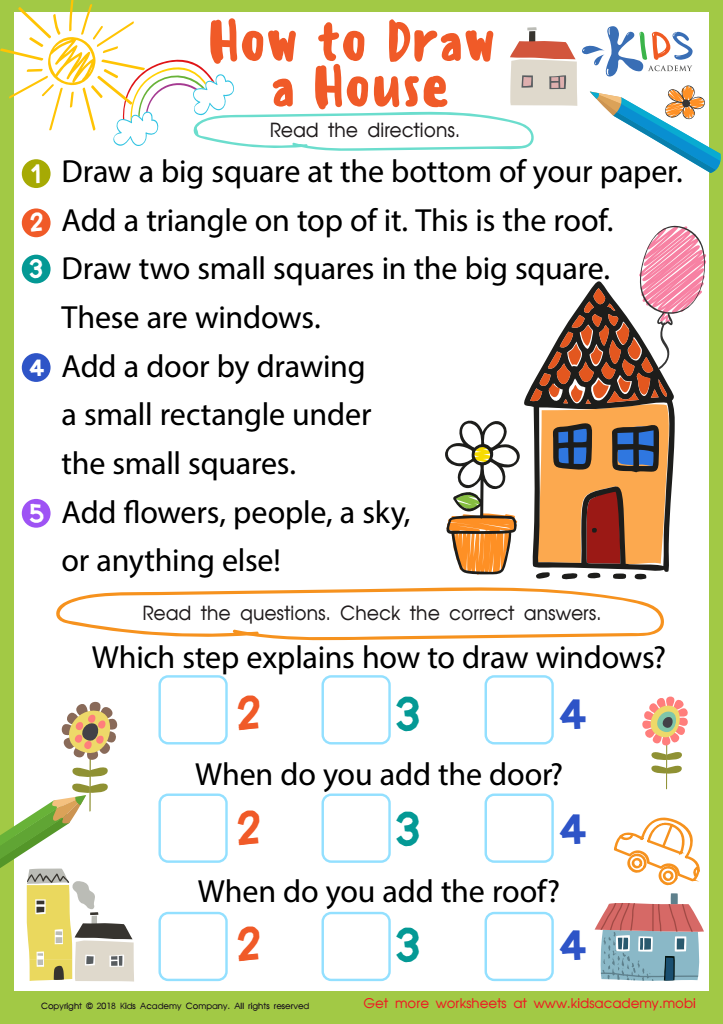
How to Draw House Worksheet
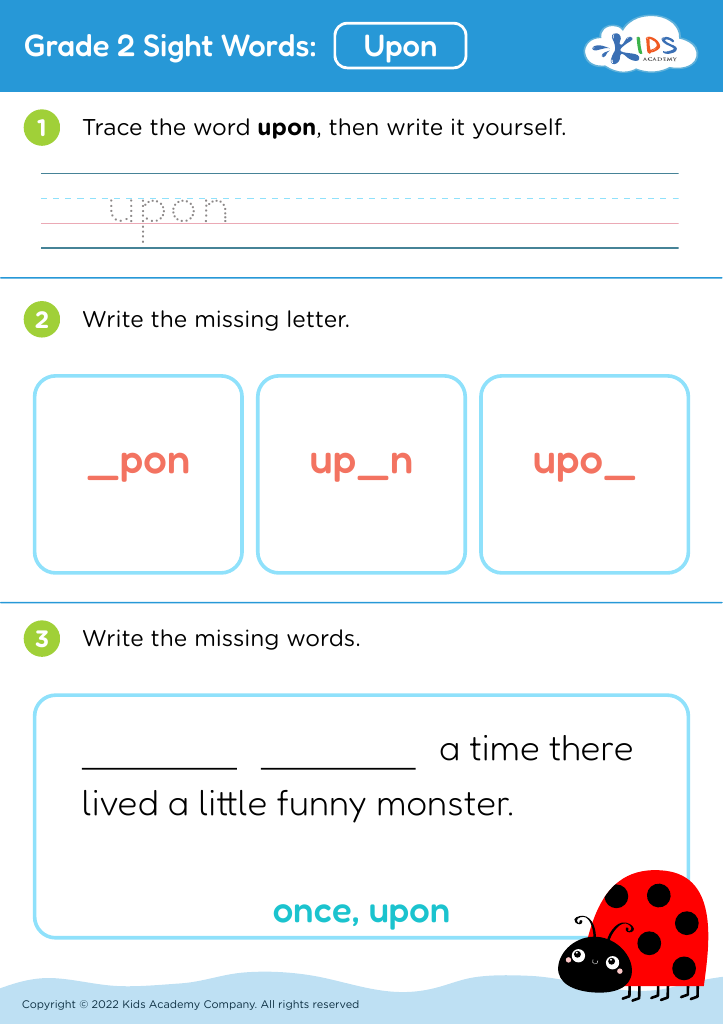
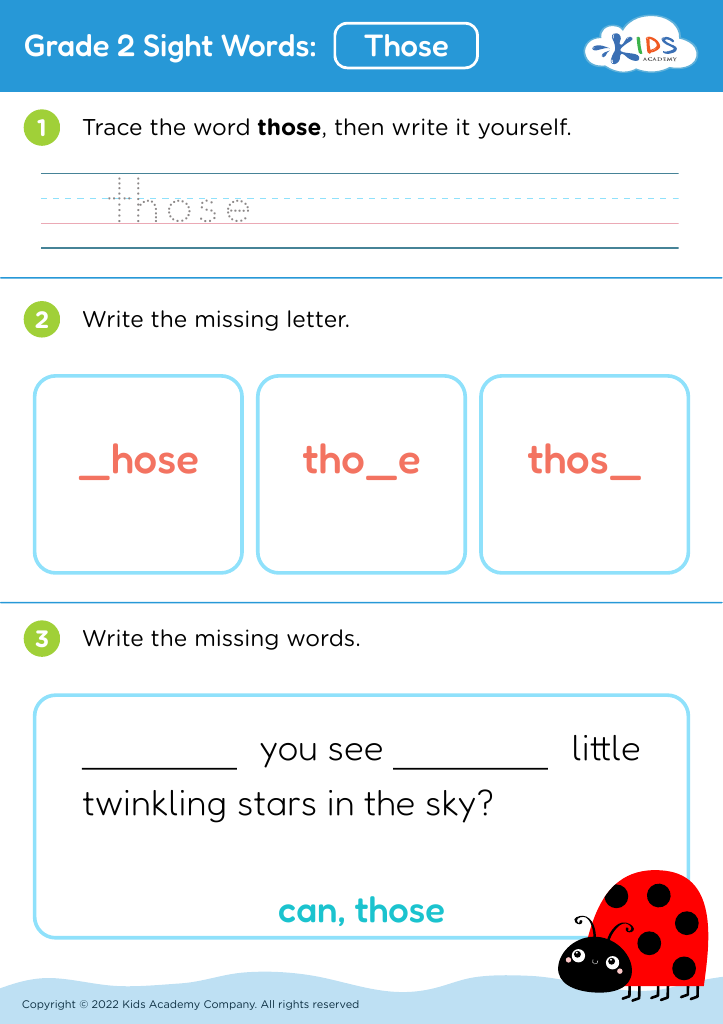
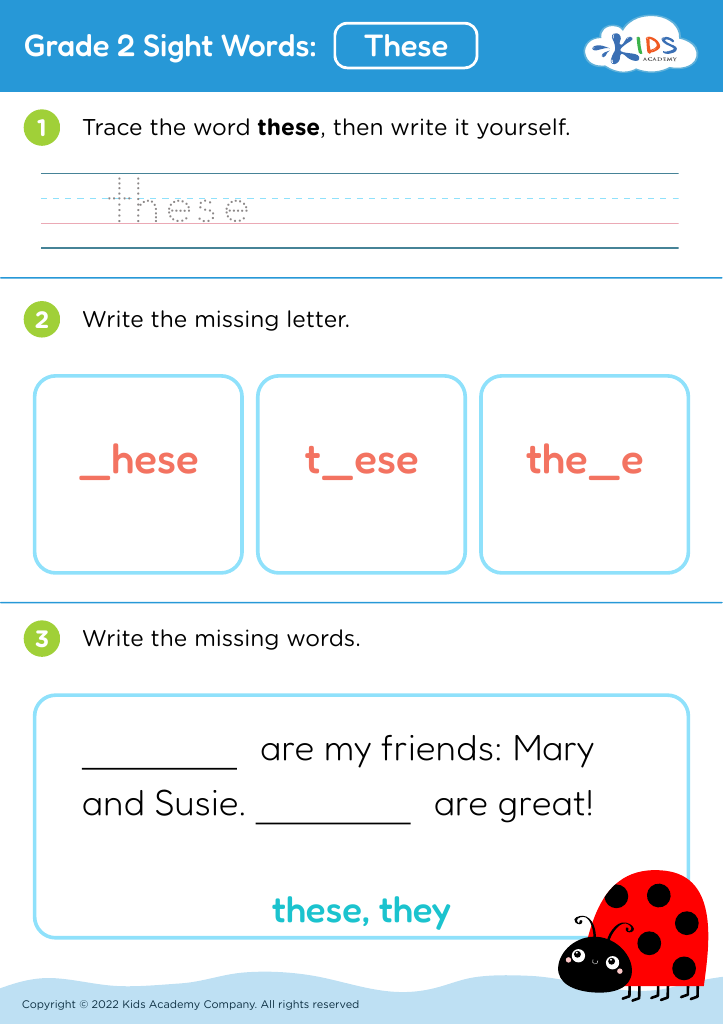
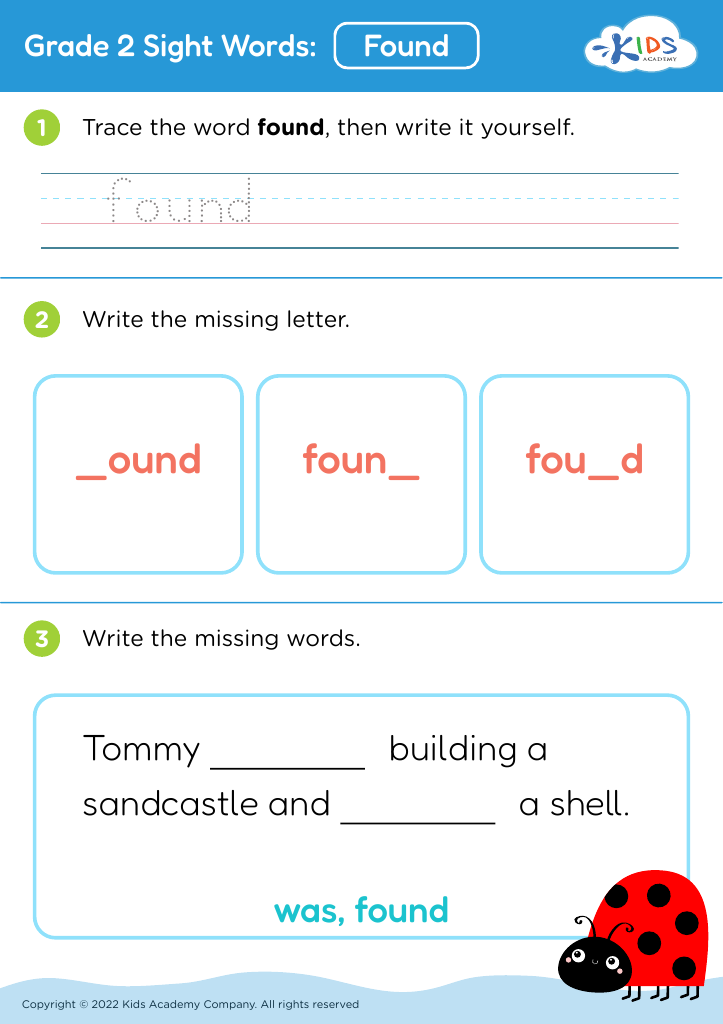







Shape recognition is fundamentally important for 7-year-olds, providing a foundational block for both academic success and daily life skills. Early mastery in shape recognition aids in the development of mathematical understanding. Recognizing shapes allows children to grasp geometry, spatial awareness, and patterns, crucial elements in elementary arithmetic and problem-solving. Additionally, reading relies on shape recognition; differentiating between letters and numbers is essential for literacy progression. Catching a "b" versus a "d" or a "6" versus a "9" hones children's reading fluency and comprehension.
Beyond academics, shape recognition bolsters cognitive development, enhancing visual perception and memory. These abilities translate to better navigation and interpretation of their surroundings, fostering independence and confidence. Tasks like sorting objects, organizing space, even playing puzzles help in developing fine motor skills and hand-eye coordination, which are pivotal at this stage of development.
Socially, recognizing and categorizing shapes can manifest in shared activities that improve teamwork and communication among peers. This cooperative learning cultivates interpersonal skills and emotional intelligence, cornerstones of empathetic, well-rounded individuals.
Teachers and parents should therefore prioritize shape recognition in learning curricula. The investment cultivates crucial life skills, paving the way for balanced cognitive, academic, and social growth.








