Enhancing observational skills Science Worksheets for 7-Year-Olds
7 filtered results
-
From - To
Enhance your 7-year-old's observational skills with our engaging science worksheets, designed to foster curiosity and critical thinking. These fun, interactive activities encourage young learners to carefully examine the world around them, honing their ability to notice details, make connections, and draw conclusions. Perfect for both classroom and home use, our worksheets cover a variety of topics and align with educational standards to support your child's growth in science literacy. Equip your budding scientist with the tools to observe, question, and explore with our expertly crafted observational skills worksheets.
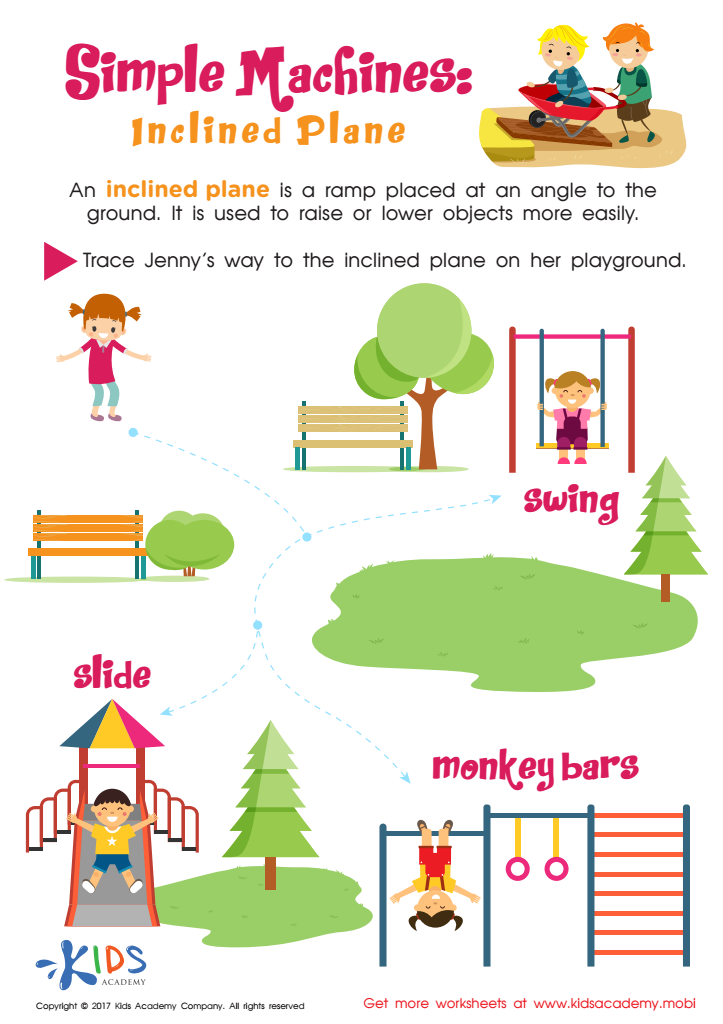
Simple Machines Inclined Plane Worksheet
 Assign to My Students
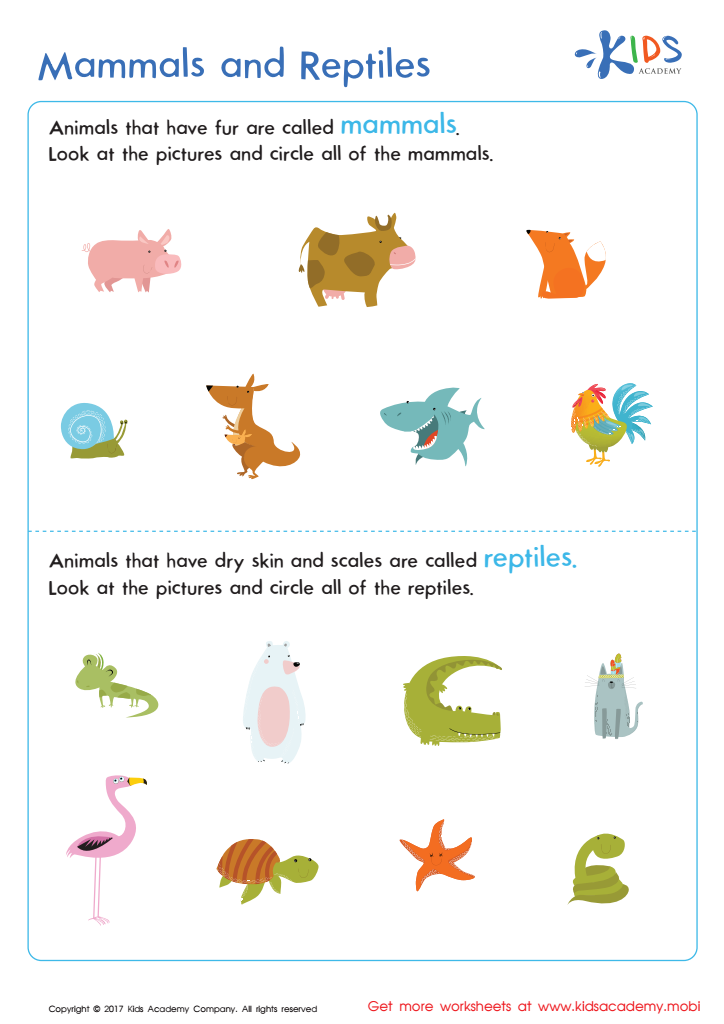
Mammals and Reptiles Worksheet
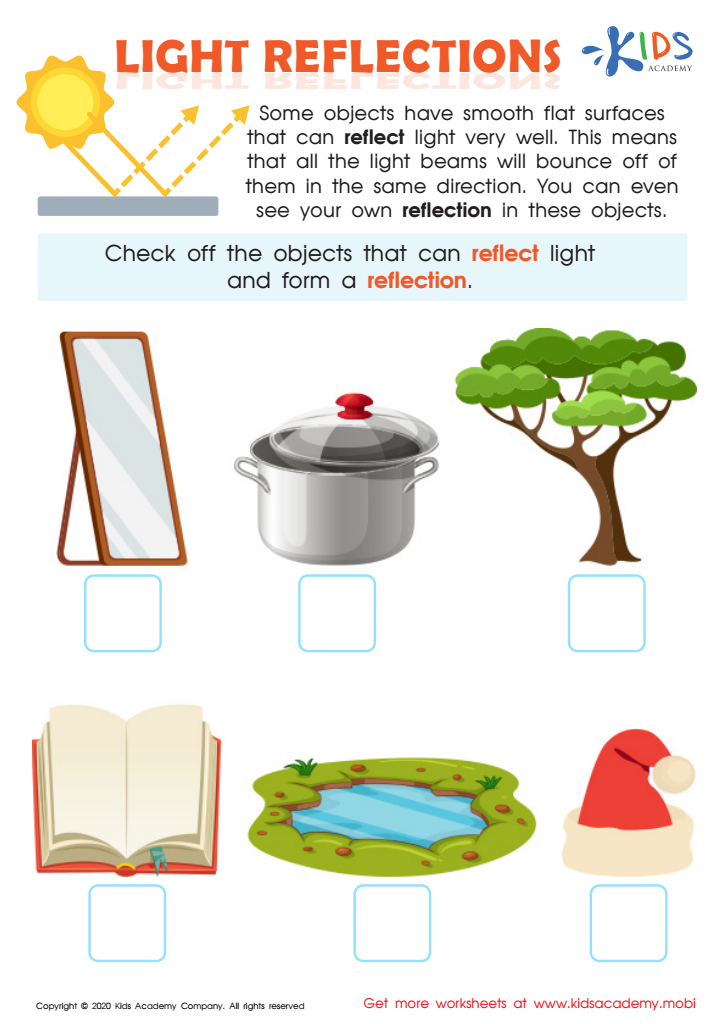
Light Reflections Worksheet
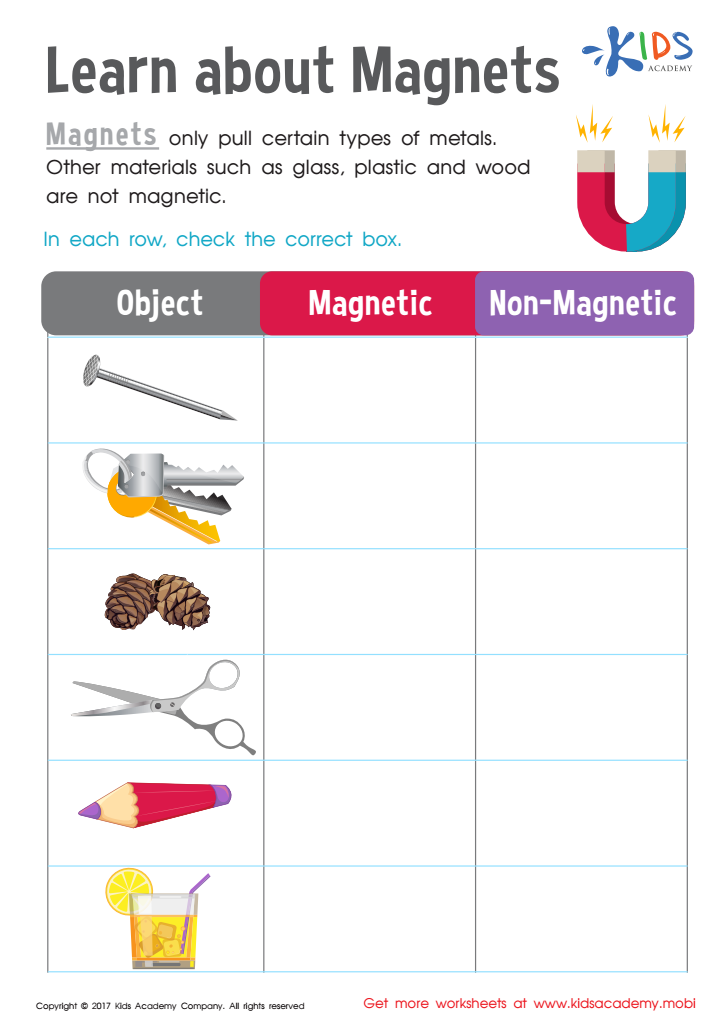
Magnetic Or Not Worksheet
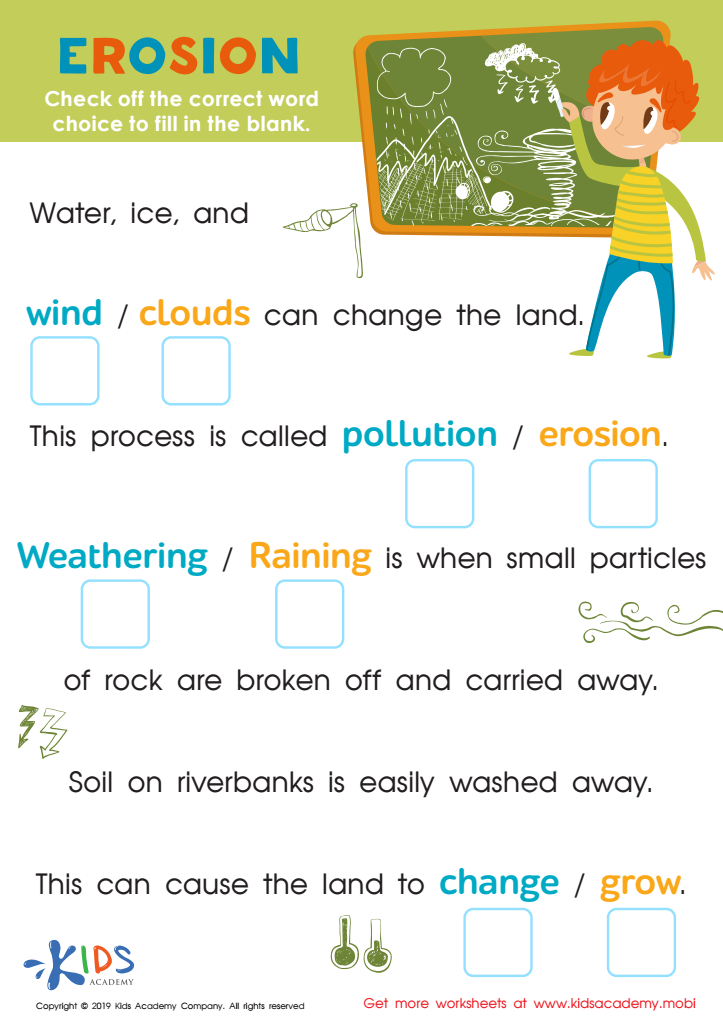
Erosion Worksheet
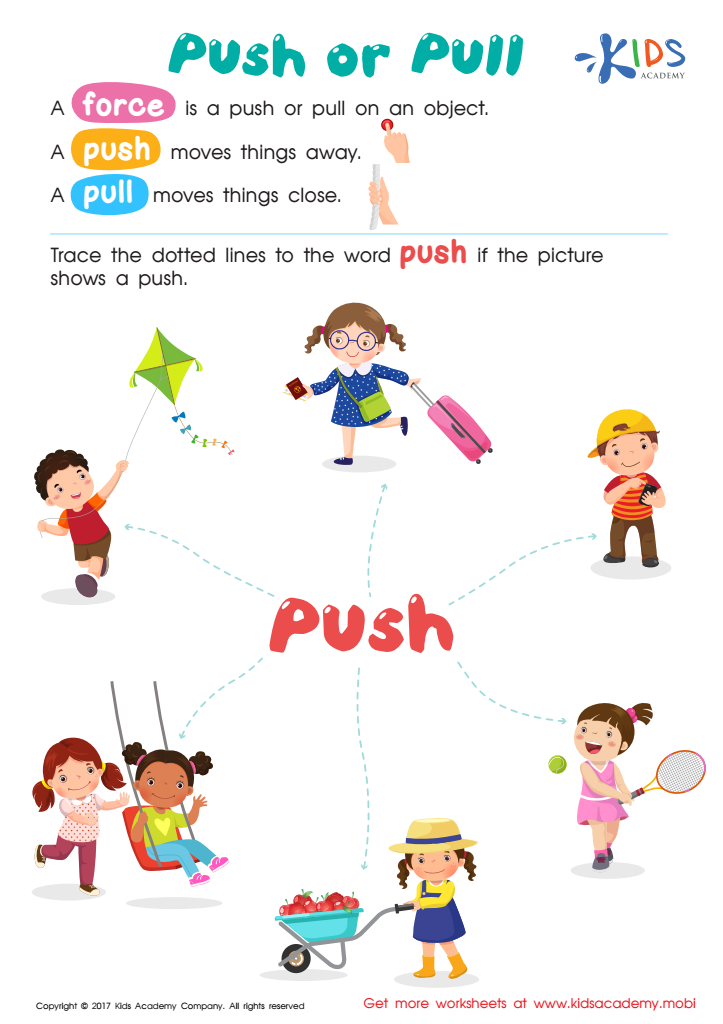
Push or Pull Worksheet
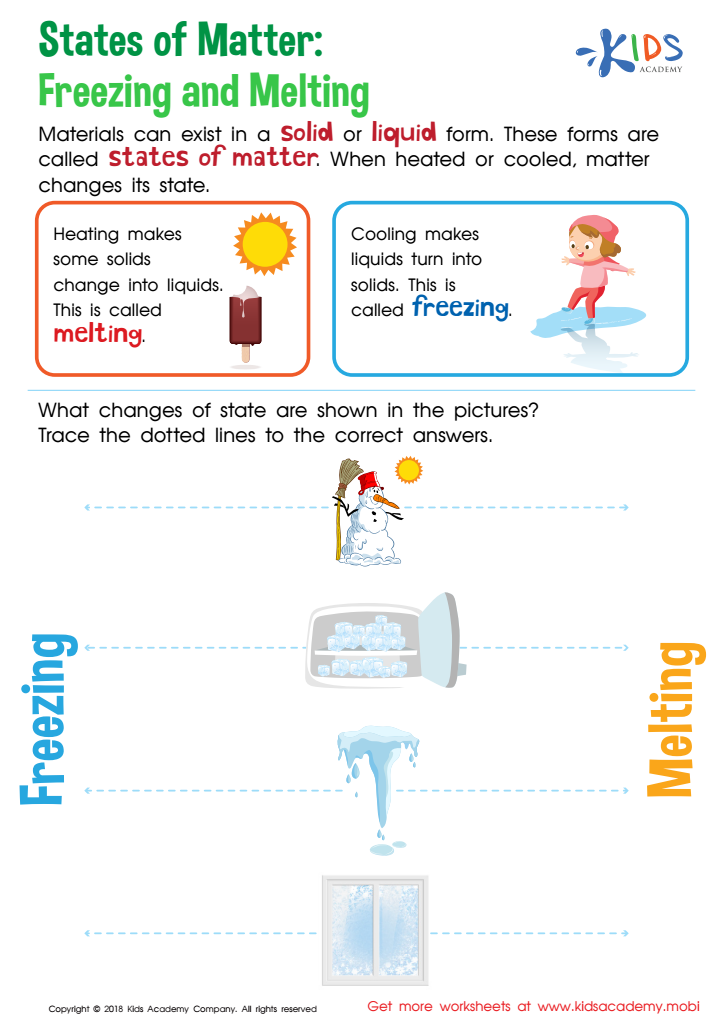
States of Matter: Freezing and Melting Worksheet








Parents and teachers should prioritize enhancing observational skills in science for 7-year-olds as it lays the foundation for critical thinking and lifelong learning. At this developmental stage, children are naturally curious and eager to explore the world around them. By honing their ability to observe, we are teaching them to pay attention to details, ask questions, and seek answers through evidence and investigation. This can ignite their interest in the natural world and foster a genuine love for science.
Furthermore, observational skills are crucial for academic success. They help children develop concentration, focus, and a disciplined approach to problem-solving. Students who can keenly observe their surroundings are more likely to notice patterns and comprehend scientific concepts more deeply, such as understanding how plants grow or weather changes.
Additionally, strong observational skills contribute to medical awareness, including better emotional intelligence and social understanding. Children who are observant can recognize and interpret non-verbal cues, which aids in building stronger relationships and effective communication.
In a rapidly changing world, where science and technology play pivotal roles, these skills ensure that children are not merely passive consumers of information but active, thoughtful participants. Empowering them with observation prowess enhances their ability to adapt, innovate, and make informed decisions throughout their lives.







