Map reading skills Our Planet and Environment Worksheets for 7-Year-Olds
1 filtered results
-
From - To
Enhance your child's map reading skills with our engaging "Our Planet and Environment" worksheets designed specifically for 7-year-olds. These interactive resources introduce fundamental concepts of geography and spatial awareness, encouraging young learners to explore maps of different types. Through fun activities and puzzles, children will learn to identify landmarks, understand map symbols, and navigate their surroundings confidently. These worksheets not only foster essential skills but also instill a love for nature and the environment. Perfect for home or classroom use, they provide a fun way to reinforce geography topics while supporting key educational standards. Start your child's journey to becoming a map expert today!
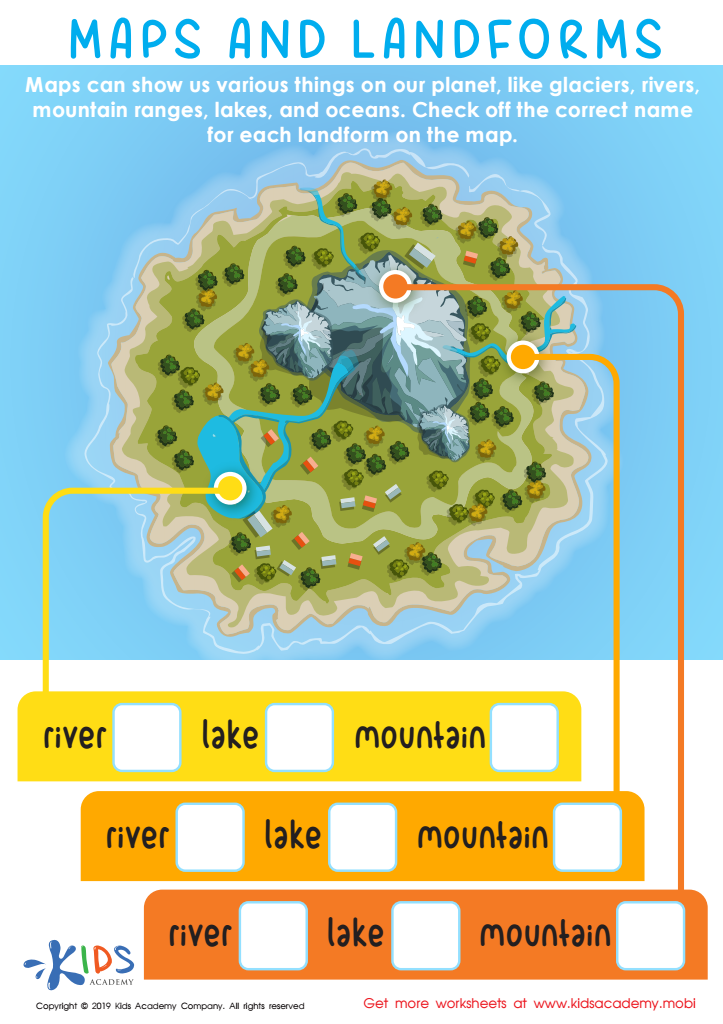
Maps and Landforms Worksheet
 Assign to My Students




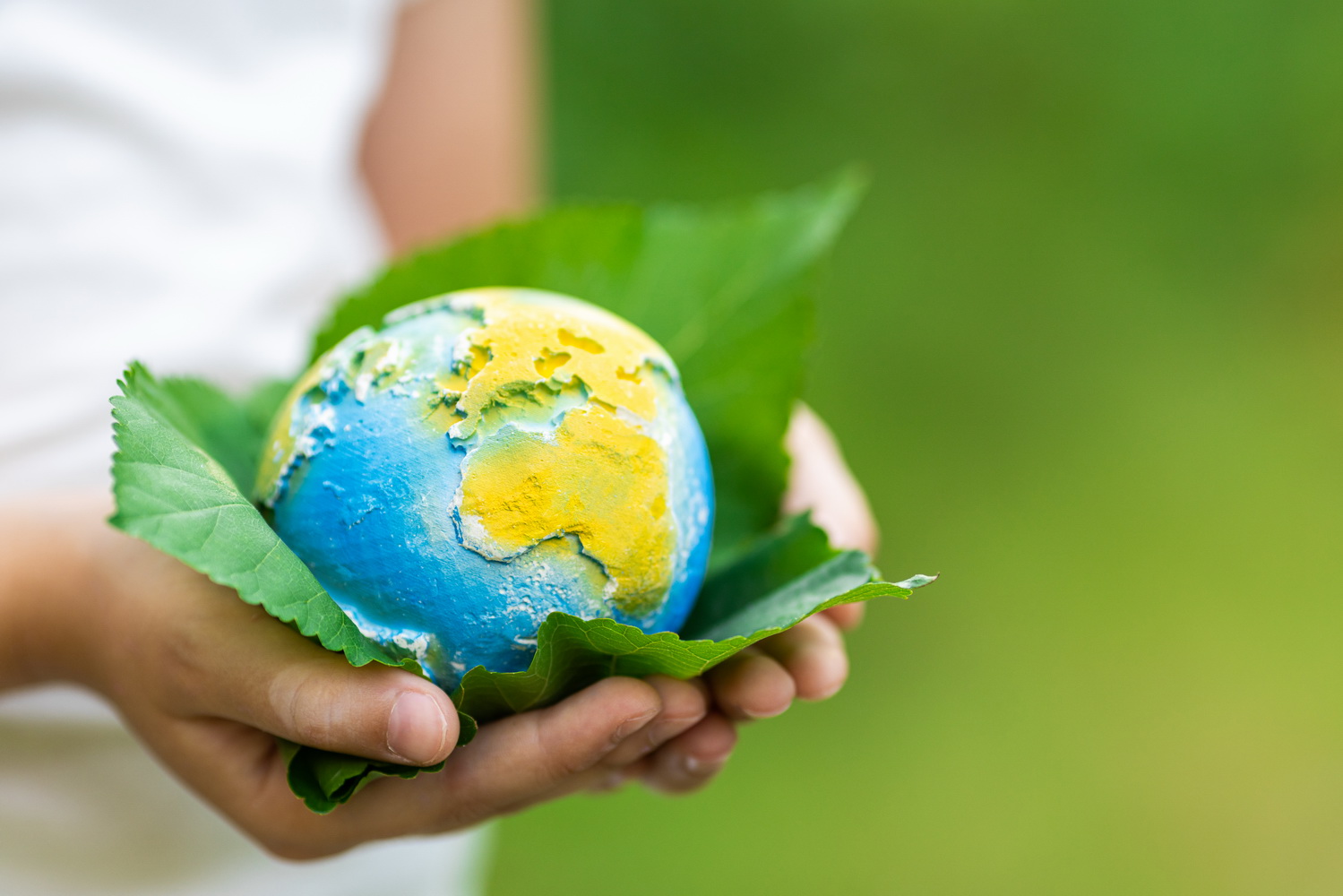
Map reading skills are essential for children, especially when exploring topics like our planet and environment. At the age of 7, children are curious and eager to learn about the world around them. Understanding how to read maps nurtures their curiosity and enhances their spatial awareness. This skill is not only fundamental for geography but also fosters critical thinking, problem-solving, and decision-making abilities.
When children learn to read maps, they engage with their environment more meaningfully. They develop a sense of place and navigation, helping them understand distances, directions, and the relationships between different locations. This awareness is crucial in an age when environmental issues are pressing; children can better grasp concepts such as habitat loss or climate change by relating them to maps showing natural resources, urban development, or ecosystems around them.
Furthermore, teaching map reading encourages outdoor activities, sparking an interest in nature and the environment. It promotes observation skills and engagement with the local community and ecosystems. Children equipped with map reading skills can feel more confident and have a sense of responsibility towards protecting their surroundings. For parents and teachers, instilling these skills nurtures well-rounded, environmentally conscious future individuals.







