Color recognition Social Studies Worksheets for 7-Year-Olds
4 filtered results
-
From - To
Explore our engaging Color Recognition Social Studies Worksheets designed specifically for 7-year-olds! These worksheets blend vibrant visuals with essential social studies concepts, making learning both fun and interactive. Children will develop their understanding of colors while exploring themes such as community and cultural diversity. Each activity encourages critical thinking, creativity, and teamwork, ensuring that young learners grasp the importance of colors in their everyday lives and surroundings. Perfect for both classroom activities and at-home learning, these worksheets cater to various learning styles. Enrich your child’s educational journey and watch their enthusiasm for social studies grow with our colorful resources!

Happy Diwali Printable
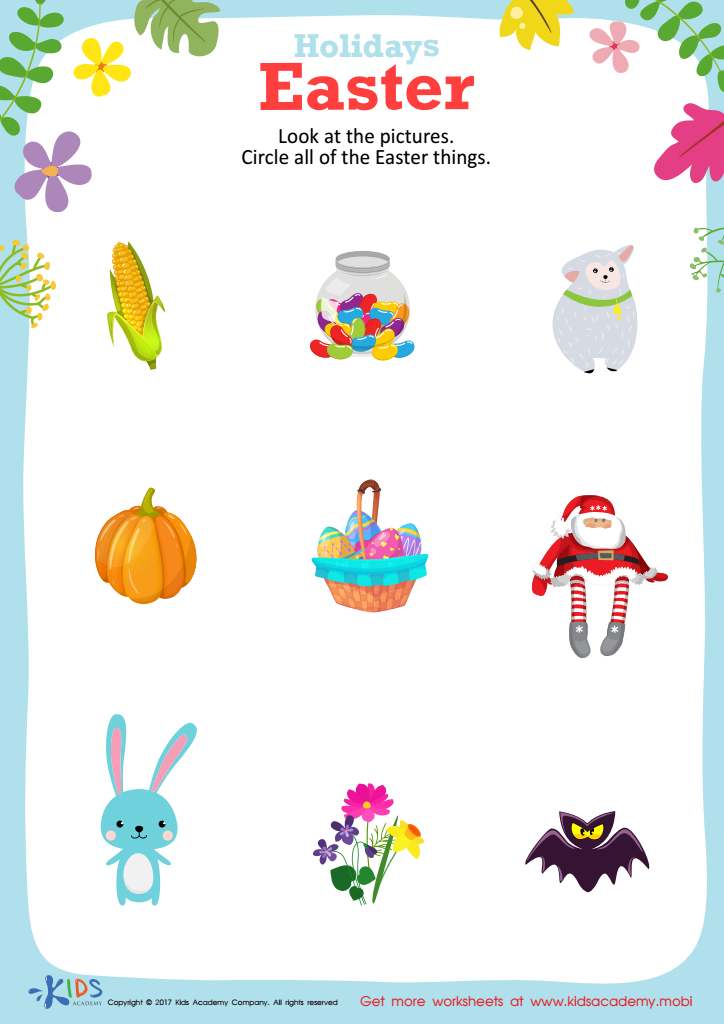
Easter Holiday Printable

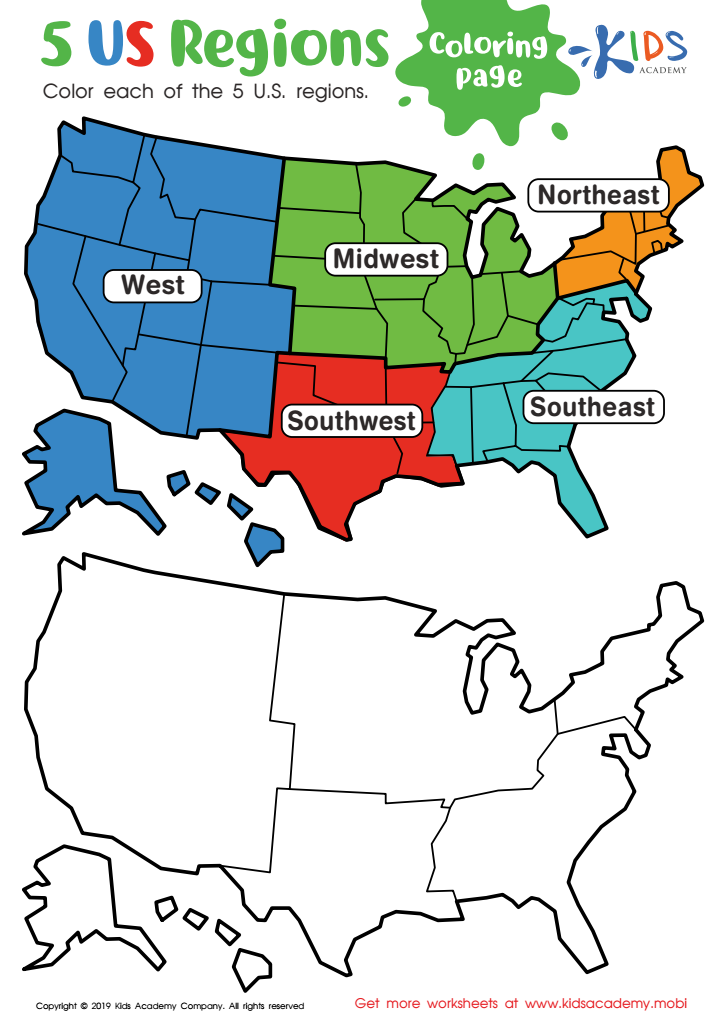
US Regions Coloring Page Worksheet
 Assign to My Students








Color recognition is a fundamental aspect of early development, particularly for 7-year-olds, as it intertwines with their ability to engage with social studies material effectively. Understanding colors not only supports children in their artistic expression but also enhances their visual literacy, which is crucial when interpreting maps, charts, and diagrams commonly used in social studies.
Parents and teachers should care about this skill because color recognition enriches cognitive development and aids in the formation of connections between information and real-world contexts. For example, in learning about different cultures, historical events, or geographic locations, knowing colors allows children to engage in activities like coloring flags, understanding maps, or crafting visual projects that require diverse hues.
Furthermore, color recognition fosters inclusivity and discussion about cultural symbolism associated with different colors in various societies. Encouraging conversations around what colors represent can deepen children’s understanding of societal norms and values, enhancing their empathy and global awareness.
Ultimately, focusing on color recognition helps create a more immersive and engaging social studies experience, allowing young learners to develop critical thinking skills, engage with human experiences, and cultivate a sense of identity within a diverse world. This foundational skill nurtures curiosity and a lifelong love for learning about the world around them.








