Phonics Skills Elementary Phonics Worksheets for Ages 8-9
4 filtered results
-
From - To
Welcome to our engaging Phonics Skills Worksheets designed for children aged 8-9! These elementary practices focus on developing essential phonetic skills, helping young learners master letter sounds, blends, and digraphs in a fun and interactive way. Our worksheets foster reading fluency, improve vocabulary, and build confidence in early literacy. Each activity is tailored to enhance understanding through hands-on practice, making phonics enjoyable and accessible. Explore our diverse range of worksheets, from matching letters to identifying sound patterns, and watch your child thrive in their reading journey. Perfect for classroom use or at-home learning, these resources are a great addition to any educational toolkit!
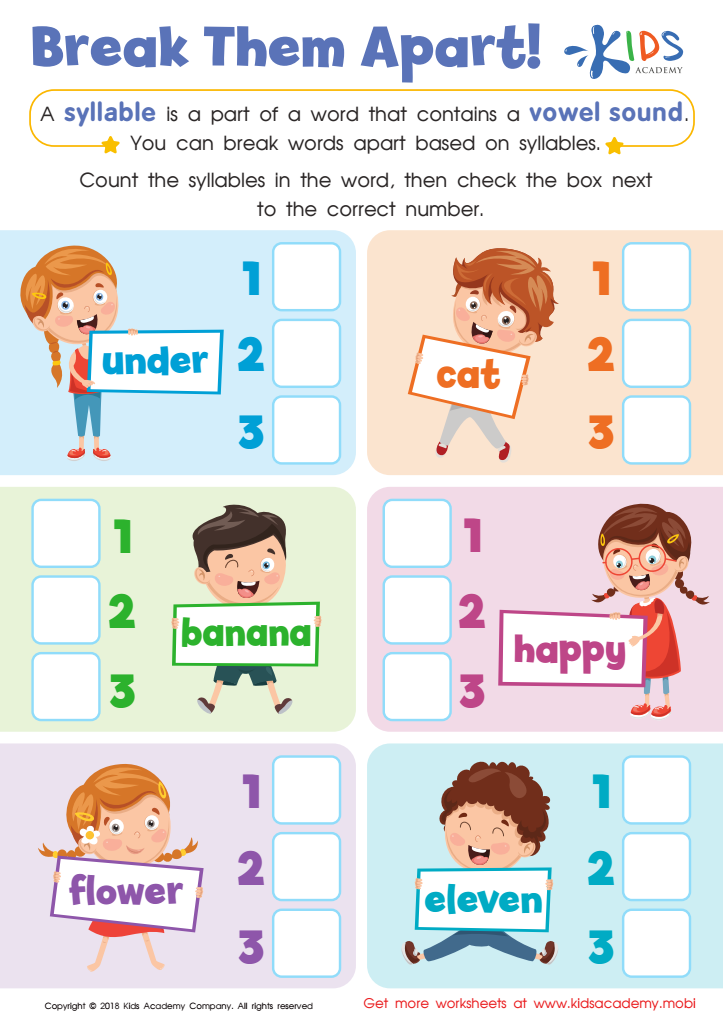
Reading: Break Them Apart Worksheet
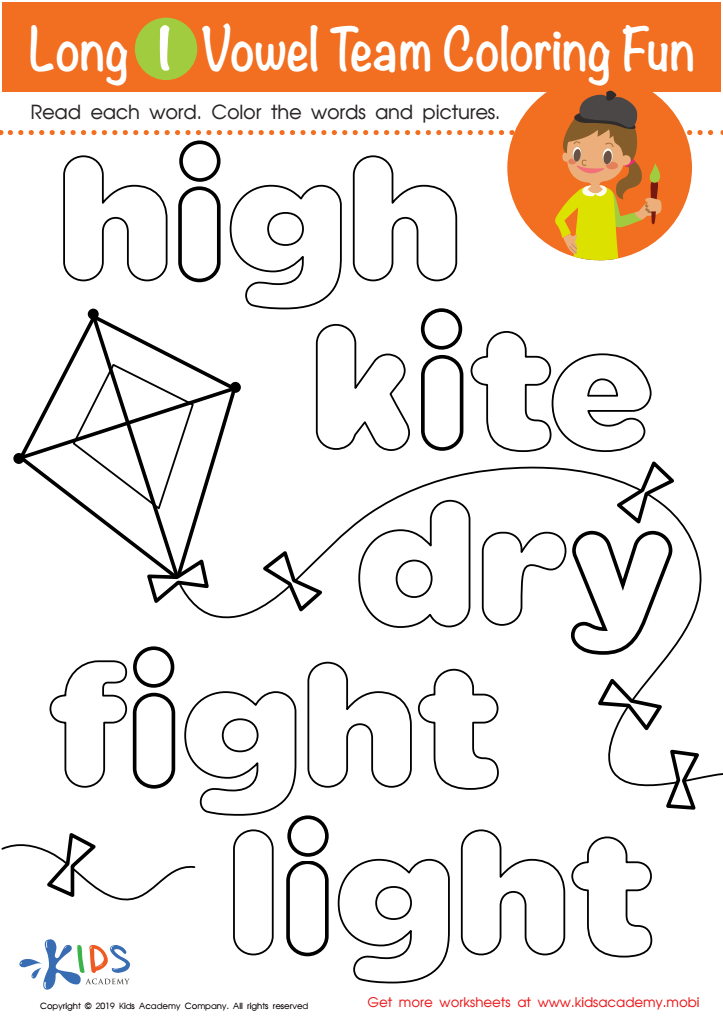
Long I Vowel Team Coloring Worksheet
 Assign to My Students
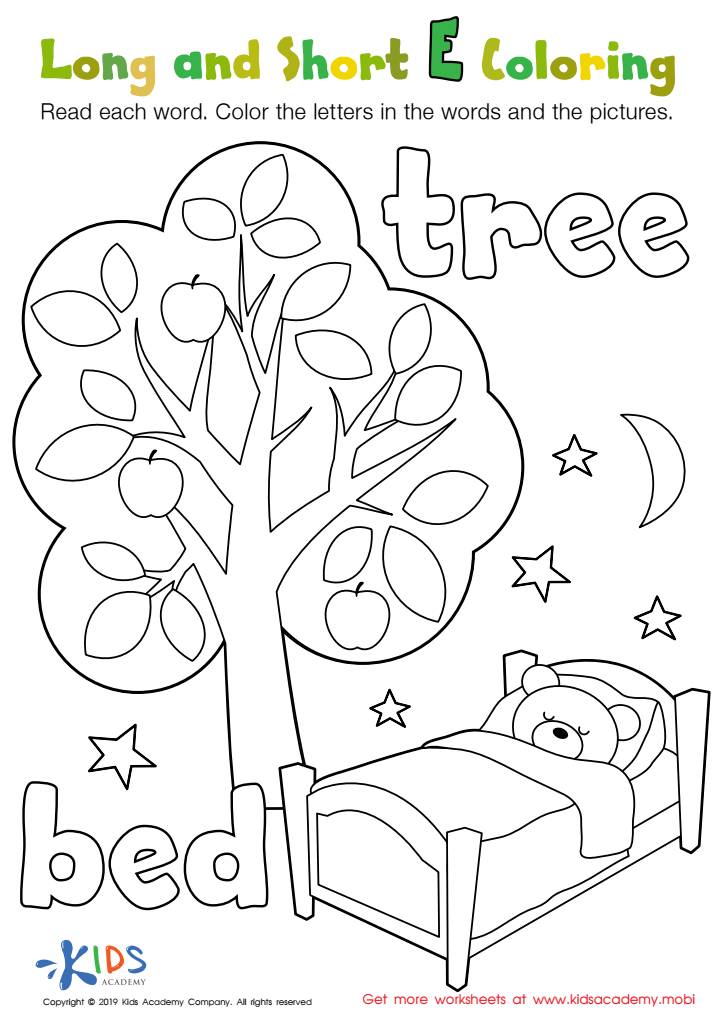
Long and Short E Worksheet
Assign to My Students
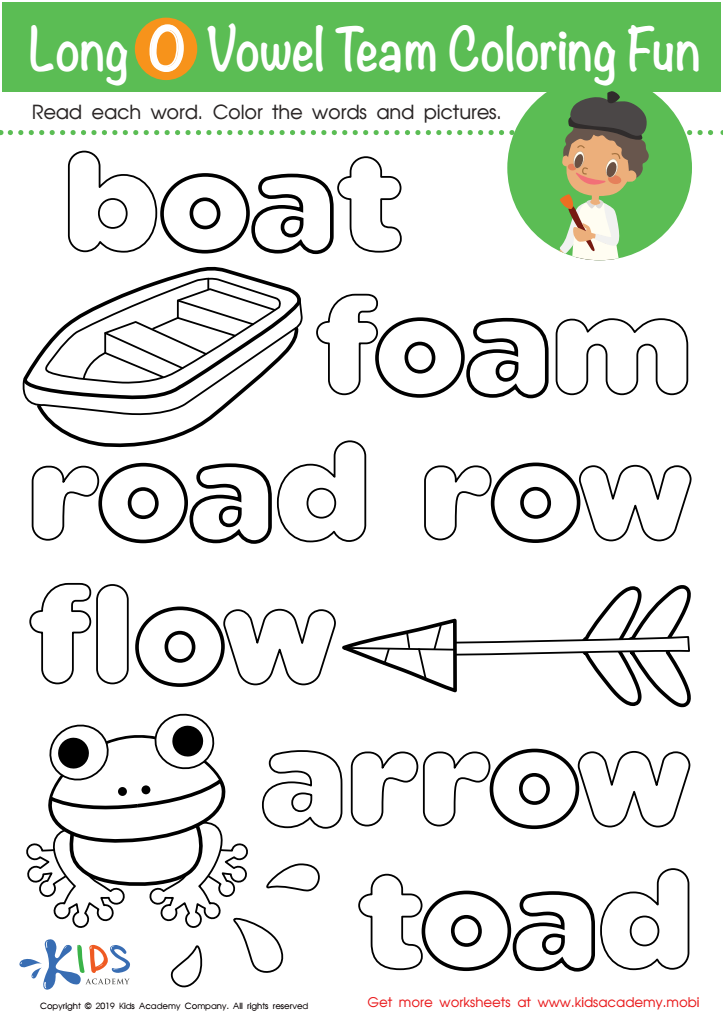
Long O Vowel Team Coloring Worksheet
Assign to My Students




Phonics skills are vital for children aged 8-9 as they form the foundation for proficient reading and writing. During this critical developmental stage, students are transitioning from learning to read to reading to learn. Solid phonics instruction helps them recognize the relationships between letters and sounds, enabling them to decode unfamiliar words. This skill not only boosts reading comprehension but also enhances overall academic performance across subjects.
For parents and teachers, investing in phonics skills means promoting literacy that extends beyond the classroom. Mastery of phonics leads to increased confidence in reading, encouraging children to explore a wider range of literature and become lifelong readers. Additionally, a strong phonics background can reduce frustration and behavioral issues often associated with reading difficulties, fostering a more positive learning environment.
Inclusion of phonics in the curriculum also supports differentiation in the classroom, catering to diverse learners who may require more individualized instruction. Therefore, emphasizing phonics skills equips children with essential tools for communication and critical thinking, paving the way for their success in school and beyond. For both parents and educators, advocating for phonics skills is a step toward nurturing competent, confident, and engaged learners.







