Reading comprehension Letter Recognition Worksheets for Ages 8-9
4 filtered results
-
From - To
Enhance your child's reading skills with our Reading Comprehension Letter Recognition Worksheets for ages 8-9. Expertly crafted, these worksheets bridge the gap between letter recognition and reading comprehension, building a solid foundation for literacy. With diverse exercises, children practice identifying letters, understanding their sounds, and forming words, all while improving their ability to comprehend reading material. Spark curiosity and foster a love for reading through engaging activities designed to boost confidence and mastery of critical reading skills. Perfect for classroom use or at-home learning, these resources meet educational standards and support your child's learning journey.
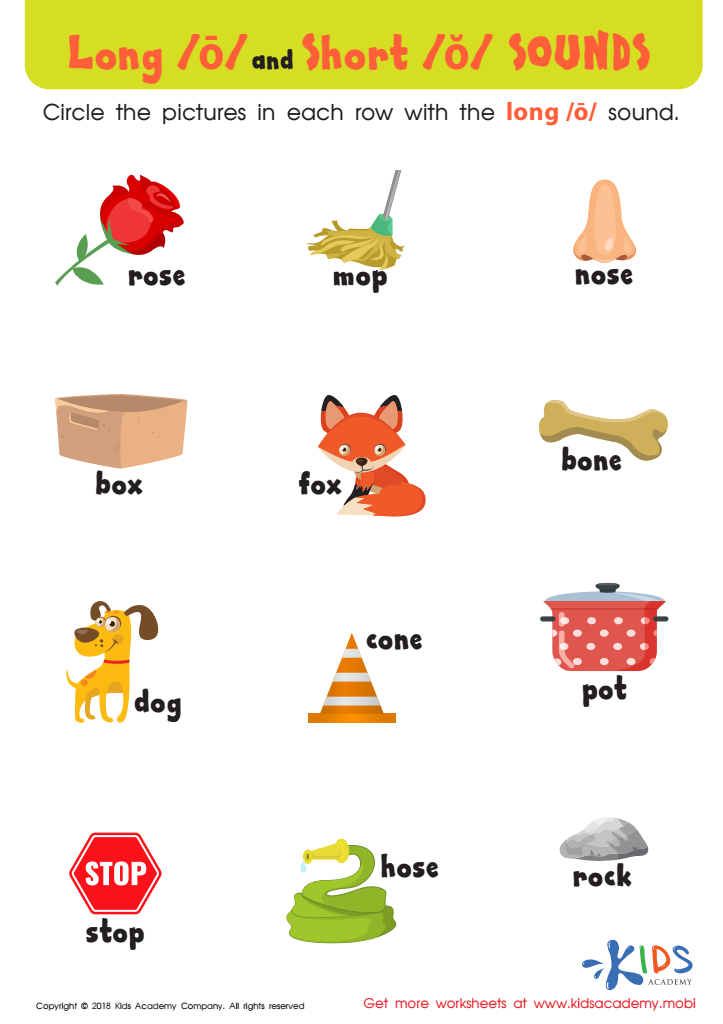
Reading: Long O and Short O Sounds Worksheet
 Assign to My Students
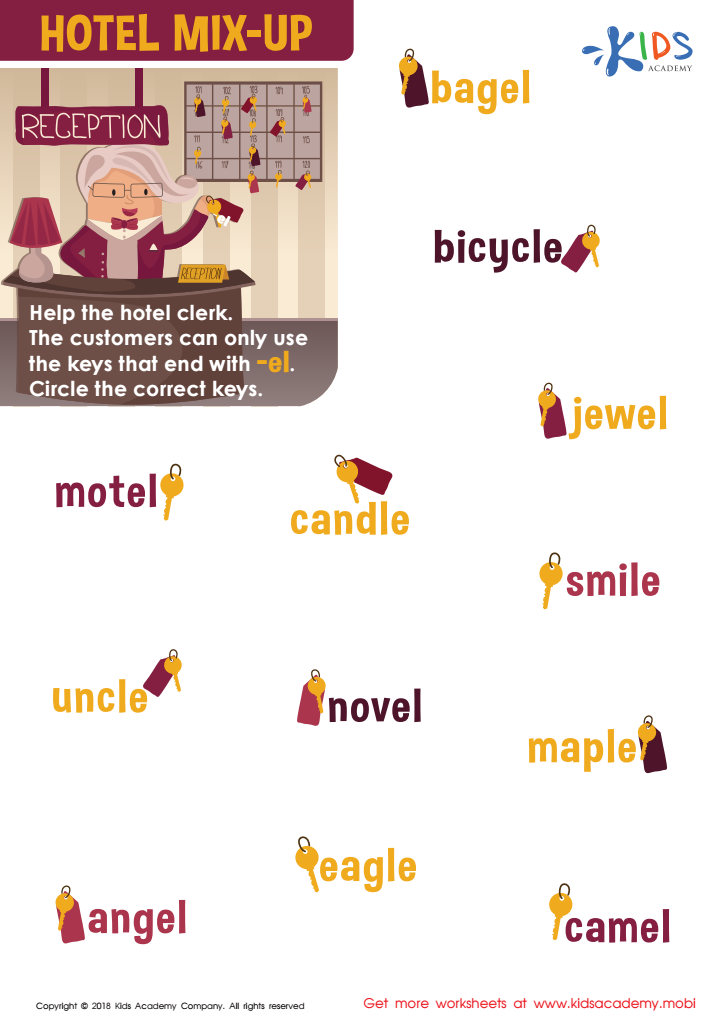
Hotel Mix-up Worksheet
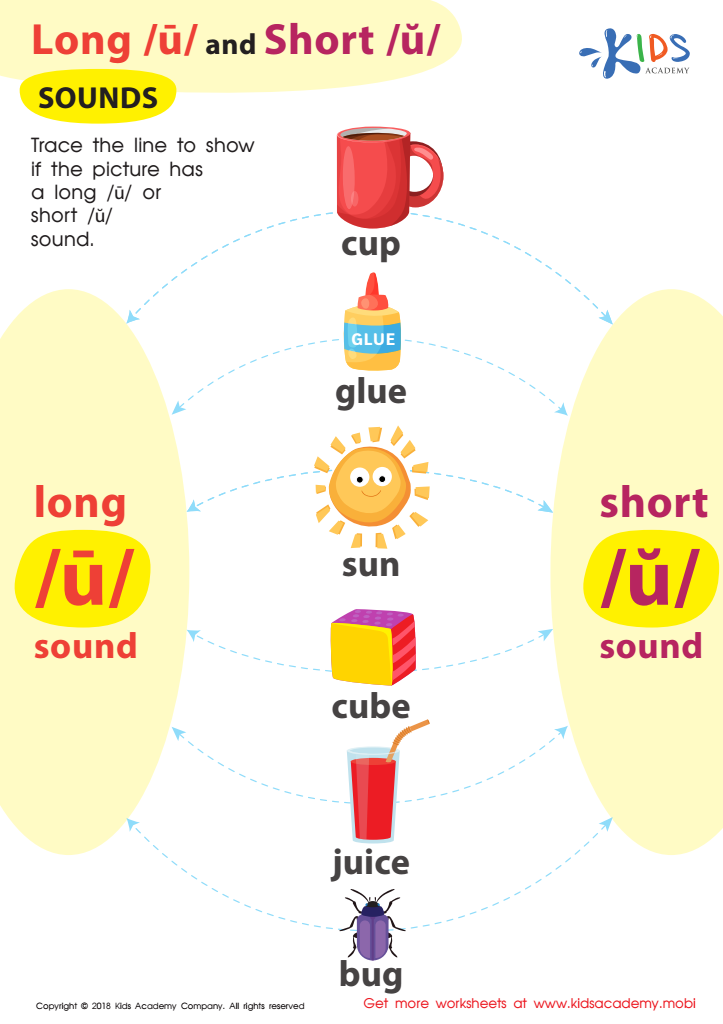
Reading: Long U and Short U Sounds Worksheet
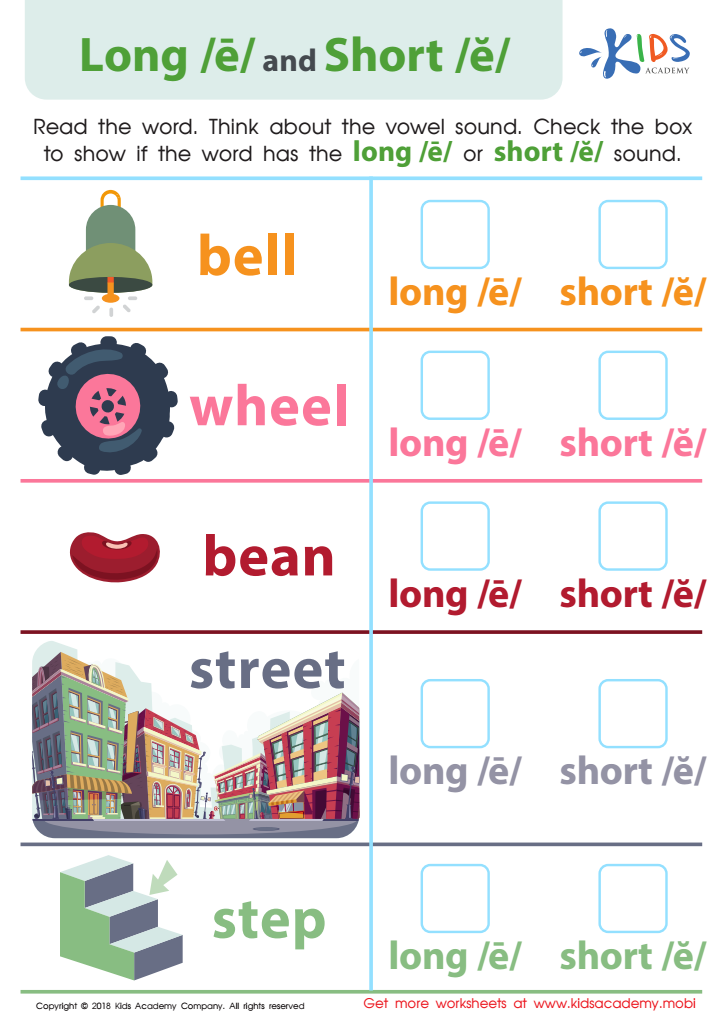
Reading: Long E and Short E Worksheet








Reading comprehension and letter recognition are cornerstones of literacy, which is essential for a child's overall academic success and personal development. For children aged 8-9, a critical period exists where these skills lay the foundation for more advanced learning.
First, effective reading comprehension allows children to grasp and retain information across various subjects, from science to social studies. It helps them analyze texts, make inferences, and draw conclusions, enriching their critical thinking and problem-solving skills. Competent readers not only do better academically, but they also develop a love for reading that can last a lifetime.
Letter recognition played a crucial role earlier in their development and continues to be fundamental as children encounter more complex texts. At ages 8-9, strengthening letter-sound associations contributes to smoother decoding and fluency, enabling more efficient and accurate reading. This is particularly important as they transition from "learning to read" to "reading to learn."
Moreover, struggles in reading comprehension and letter recognition can lead to frustration and lower self-esteem, impacting a child's motivation and attitude towards school. Parents and teachers who invest time and resources in nurturing these skills create a supportive learning environment. This not only promotes academic proficiency but also cultivates lifelong learners, preparing them to navigate an information-rich world efficiently and confidently.







