Phonics Skills Short Vowels Worksheets for Ages 8-9
3 filtered results
Difficulty Level
Grade
Age
-
From - To
Subject
Activity
Standards
Enhance your child's reading abilities with our engaging Phonics Skills Short Vowels Worksheets designed specifically for ages 8-9. These worksheets provide a variety of activities that focus on short vowel sounds, helping young learners identify and master these essential phonetic elements. Our user-friendly format and colorful designs keep children motivated while improving their phonics skills at their own pace. Whether for at-home practice or classroom use, these worksheets ensure a comprehensive understanding of short vowels, paving the way for reading fluency. Download today and give your child the tools they need for successful literacy development!
Favorites
With answer key
Interactive
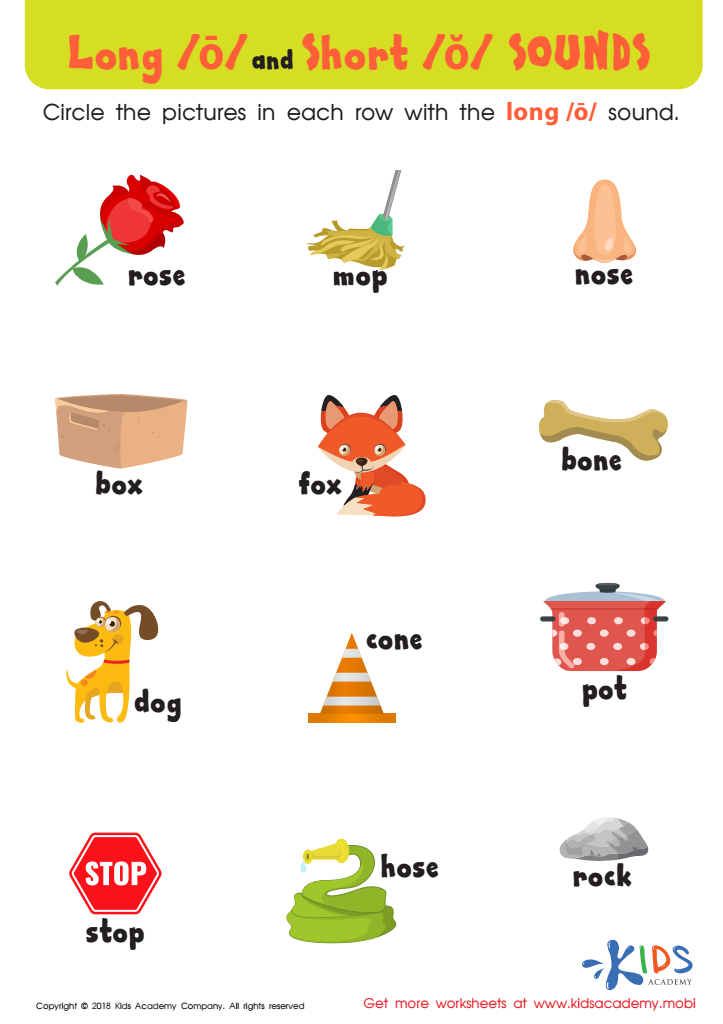
Reading: Long O and Short O Sounds Worksheet
Students practice distinguishing between short and long O sounds with this reading worksheet. They sound out each word, then circle the pictures with the long O sound. Perfect for individual practice or to work with peers! Improves understanding of this skill and helps avoid confusion.
Reading: Long O and Short O Sounds Worksheet
Worksheet
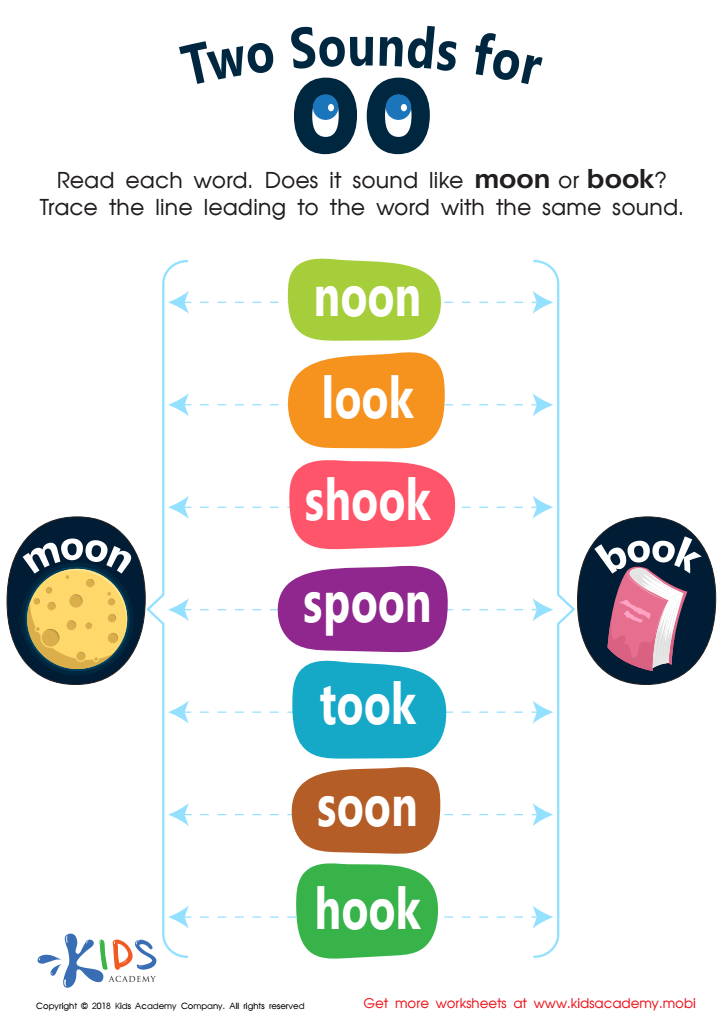
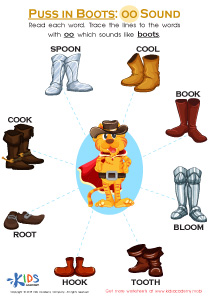
Two Sounds for OO Worksheet
This worksheet helps kids learn the different sounds of the -oo digraph. They match words based on whether they sound like moon or book, plus practice fine motor skills tracing lines. Fun and educational!
Two Sounds for OO Worksheet
Worksheet
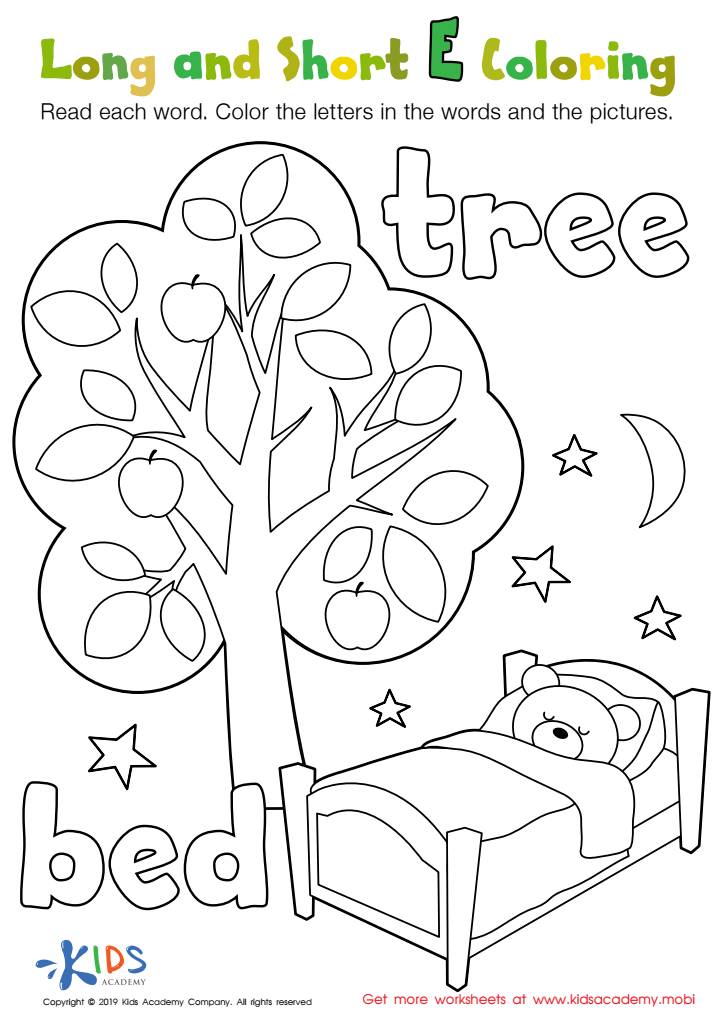
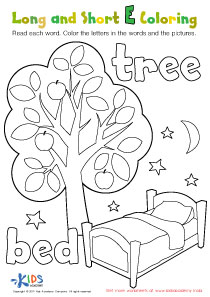
Long and Short E Worksheet
This fun printout makes learning phonics enjoyable for Grade 3 students. Get them to read the words “tree” and “bed” to recognize the different sounds of the letter “E”. After hearing the words they can color the words and the pictures to understand differences between long and short vowels.
Download (PDF)
 Assign to My Students
Assign to My Students
Long and Short E Worksheet
Worksheet
Join Kids Academy for Free
Who is primarily going to use this learning content?



Phonics skills, especially short vowels, are crucial for children ages 8-9 as they form the foundation for reading fluency and comprehension. At this age, students are transitioning from learning to read to reading to learn. Mastering short vowel sounds enhances their ability to decode words, facilitating smoother reading experiences. When children can confidently identify and pronounce words like “cat,” “bed,” or “pit,” they experience increased confidence in their reading abilities.
Short vowels play a significant role in spelling as well; understanding their usage helps children write more accurately and expand their vocabulary. With strong phonics skills, students can tackle unfamiliar words with greater ease, aiding in their overall academic performance.
Moreover, reading strengthens cognitive skills, thereby contributing to better critical thinking and problem-solving abilities. By focusing on phonics and short vowels, parents and teachers can support children in enjoying literature, which promotes a lifelong love for reading.
In succinct terms, fostering phonics skills in short vowels not only aids children in achieving literacy milestones but also equips them with essential skills for future learning, thereby making it a top priority for parents and teachers during this critical age.