Fine Motor Skills Color Words Worksheets for Ages 8-9
4 filtered results
-
From - To
Enhance your child's fine motor skills with our engaging Color Words Worksheets designed for ages 8-9! These interactive sheets combine the essential learning of color vocabulary with exciting activities that promote hand-eye coordination and dexterity. Through tracing, coloring, and cutting tasks, children will not only become proficient in recognizing and using color words but also refine their motor abilities in a fun and educational way. Perfect for teachers and parents alike, these printable worksheets offer an effective approach to learning at home or in the classroom. Download now and watch your child's confidence soar as they master both language and motor skills!
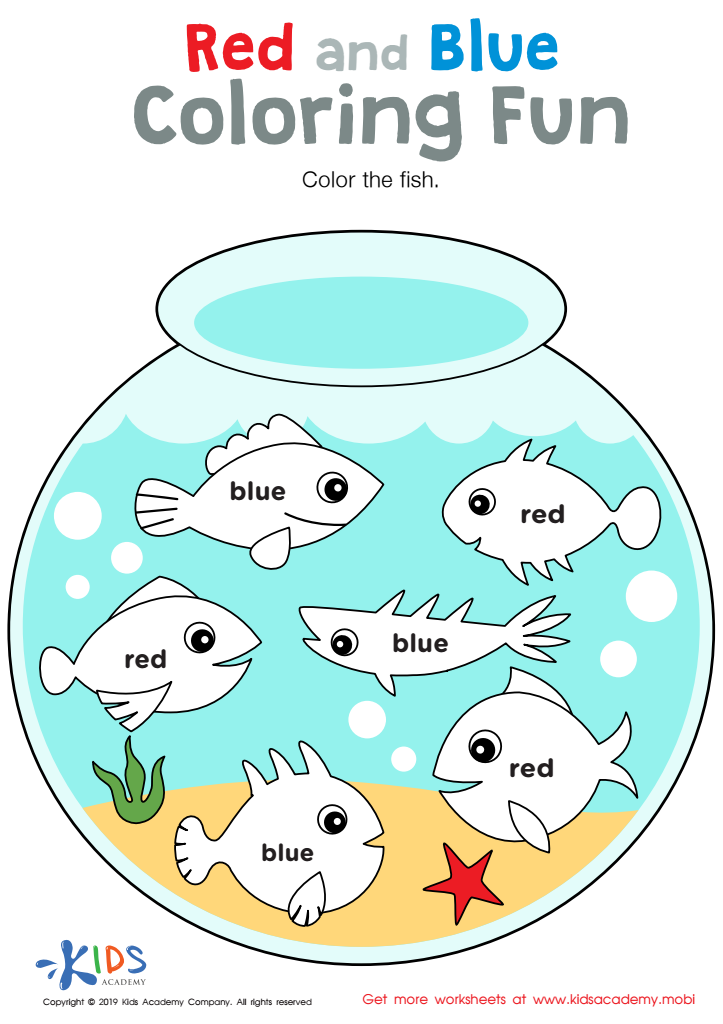
Red and Blue Coloring Fun Worksheet
 Assign to My Students
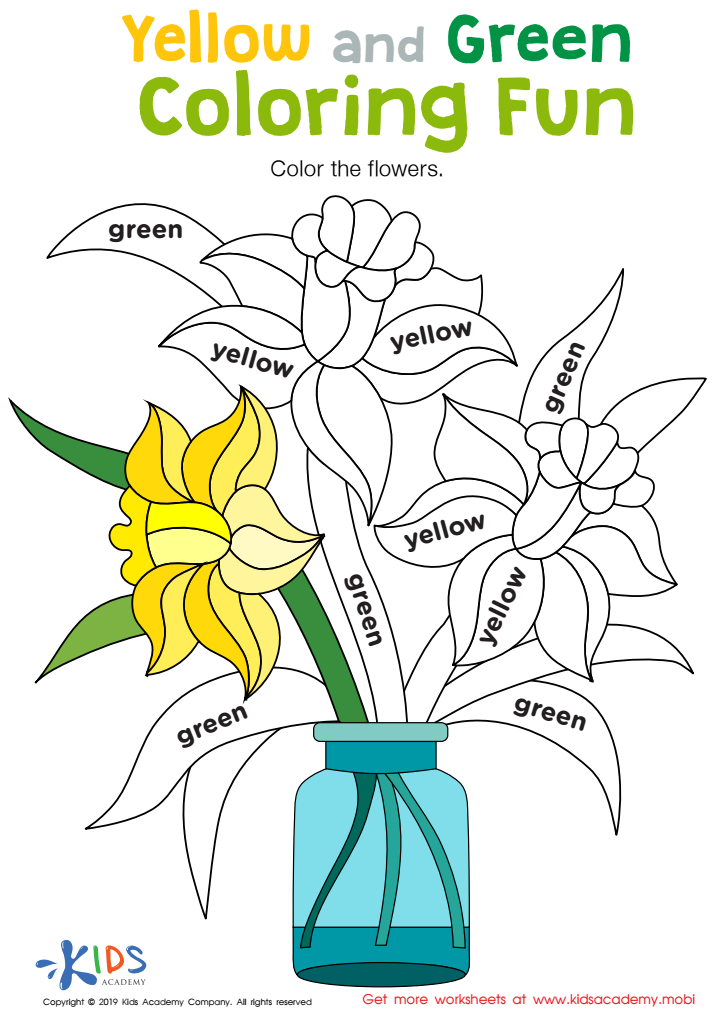
Yellow and Green Coloring Fun Worksheet
Assign to My Students
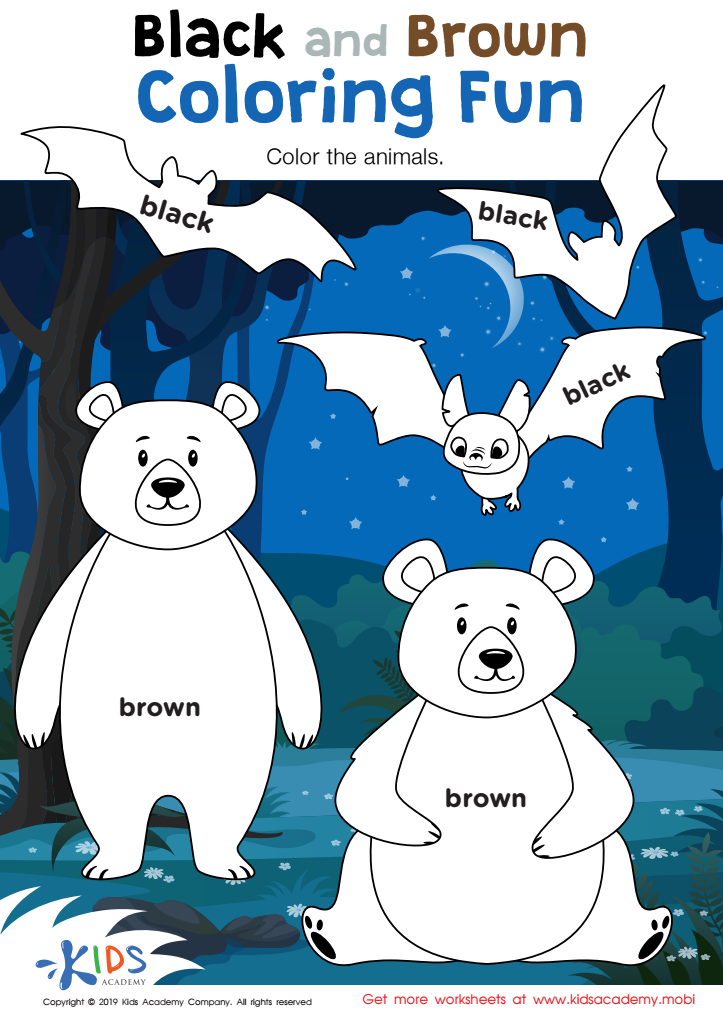
Black and Brown Coloring Fun Worksheet
Assign to My Students
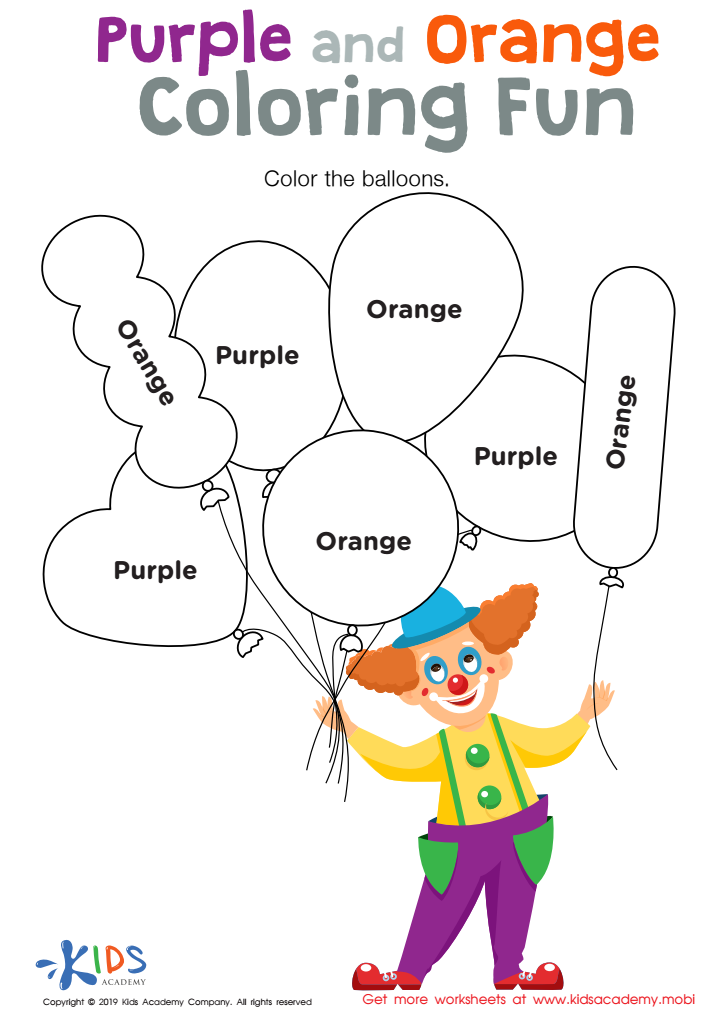
Purple and Orange Coloring Fun Worksheet
Assign to My Students



Fine motor skills are essential developmental abilities that involve precise movements of the hands and fingers. For children ages 8-9, these skills are integral to achieving greater independence and confidence in various tasks, from writing neatly to constructing intricate models. As children engage in activities that enhance these skills, such as coloring and crafting, they not only improve their hand-eye coordination but also their ability to focus and follow directions.
Incorporating color words into fine motor activities can significantly enrich the learning experience. Understanding and using color words fosters language development as it expands vocabulary and encourages children to describe what they see and create. When children learn to recognize and articulate colors, they gain additional ways to express themselves, enhancing their communication skills.
Additionally, the combination of fine motor skill activities with color word recognition fosters early literacy development. These skills are foundational for future educational success, allowing children to tackle more complex tasks with ease. Therefore, parents and teachers should prioritize fine motor skills and color words in engaging, fun lessons that support holistic development, ultimately setting children up for lifelong learning and creativity. Through such practices, they cultivate effective learners capable of thriving in various environments.








