Alphabetical order understanding English for Beginners Worksheets for Ages 8-9
4 filtered results
-
From - To
Discover our "Alphabetical Order Understanding" worksheets designed specifically for English beginners aged 8-9! These resources help young learners develop their vocabulary and improve their literacy skills by introducing them to the fundamental concept of alphabetical order. Each worksheet features engaging activities that promote fun, hands-on learning, such as sorting words, completing puzzles, and identifying letters. By using these worksheets, children will build a strong foundational understanding of how to organize and reference words, making reading and writing more enjoyable. Ideal for classroom use or homeschool settings, our materials foster confidence and competence in English language learners. Start their learning journey today!
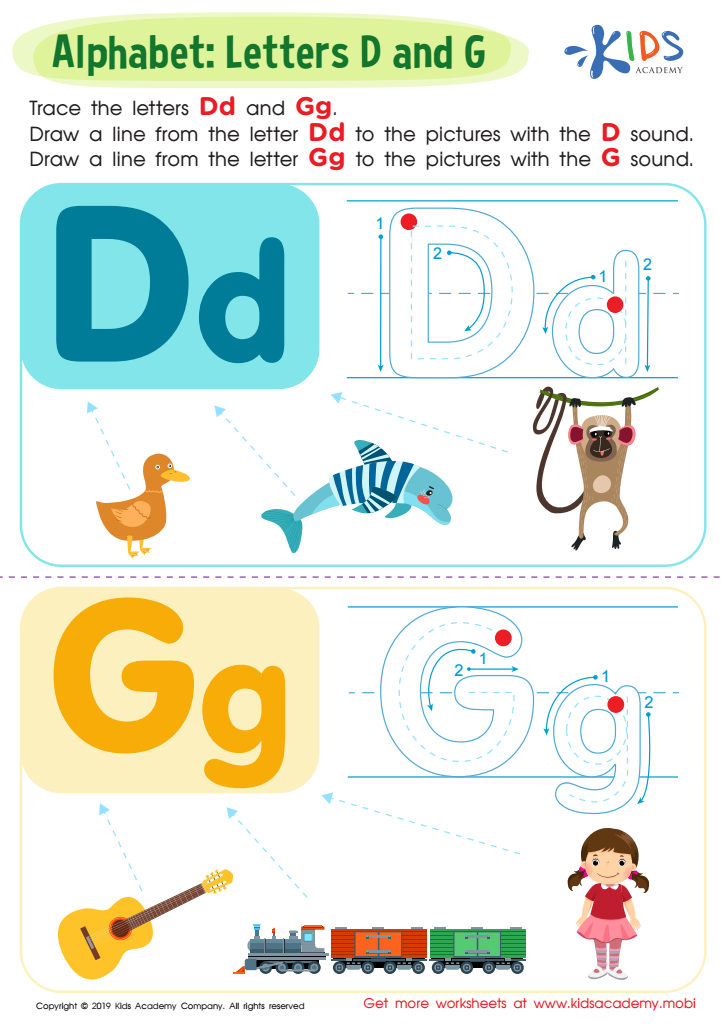
Letter D and G Tracing Worksheet
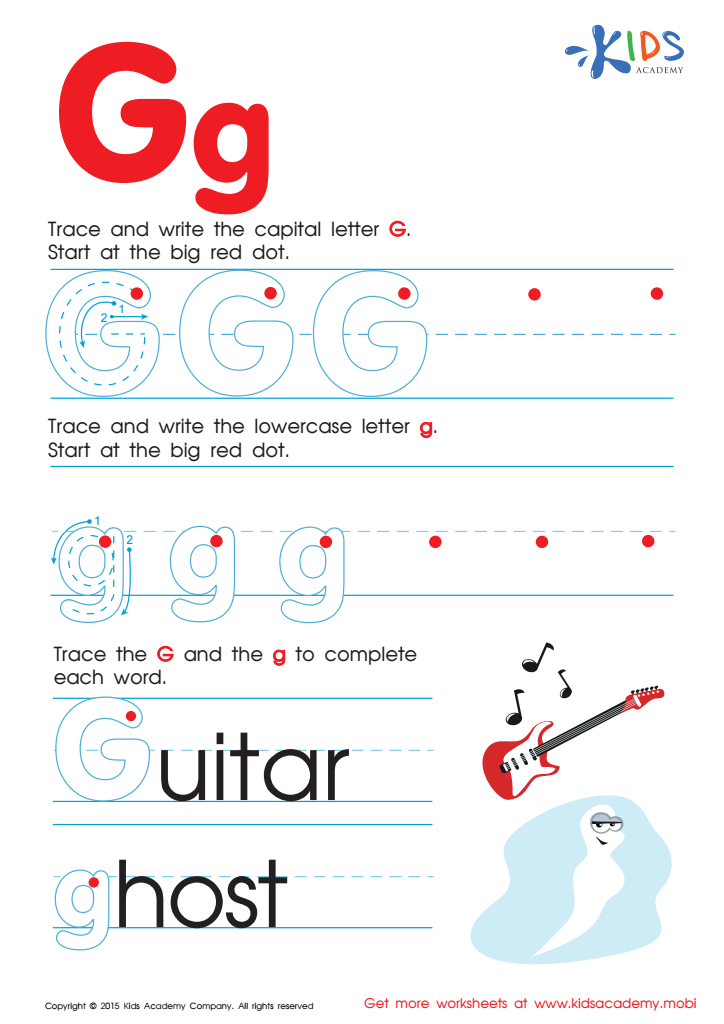
Letter G Tracing Page
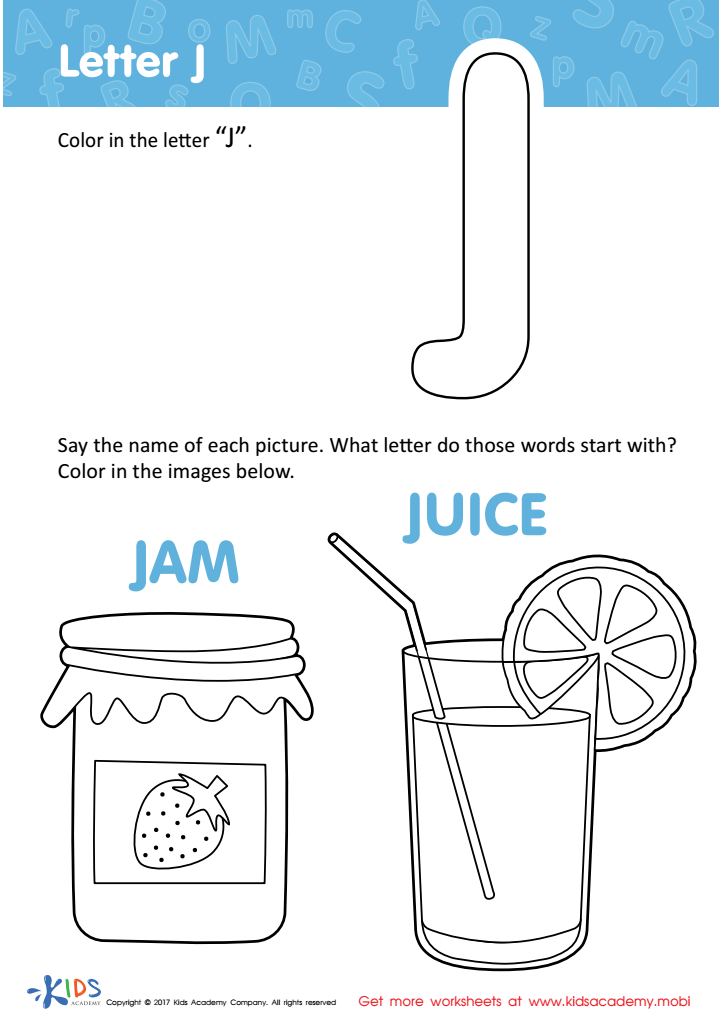
Letter J Coloring Sheet
 Assign to My Students
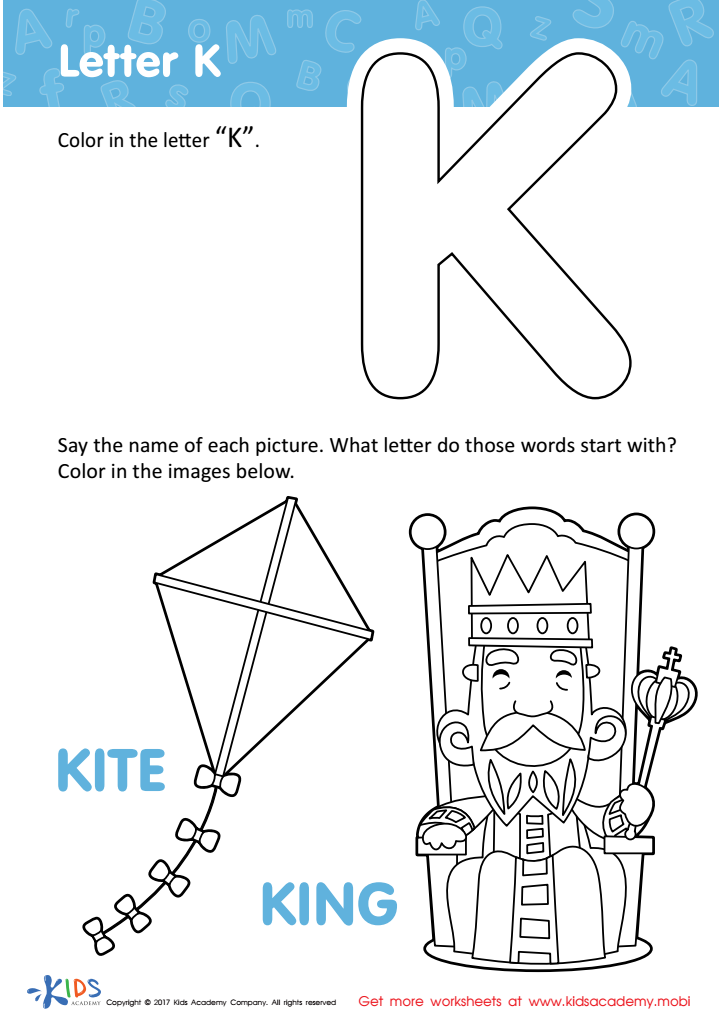
Letter K Coloring Sheet
Assign to My Students





Understanding alphabetical order is crucial for English beginners aged 8-9, as it lays the foundation for various language skills. First, mastering alphabetical order helps children efficiently locate words in dictionaries, glossaries, and indexes, which are essential tools for academic research and reading comprehension. A solid grasp of alphabetical order also aids in developing organizational skills that can benefit other subjects beyond language arts.
Moreover, learning the alphabet promotes phonemic awareness, helping students recognize letter sounds and blends, which are vital for reading proficiency. As students become comfortable identifying and arranging words, their confidence grows, leading to enhanced vocabulary and improved writing abilities. Alphabetical order activities can also be engaging, making learning enjoyable through games and challenges that stimulate interest and motivation.
Teachers and parents play a significant role in guiding children through this process. Supporting children as they practice sorting and organizing words cultivates an environment that encourages literacy and fosters a love for reading. Emphasizing the relevance of alphabetical order in everyday life—such as in ordering items, writing lists, or organizing personal belongings—further strengthens children’s understanding and promotes lifelong learning skills. Ultimately, caring about this foundational skill enriches children's educational journeys and prepares them for future academic success.