Letter recognition English for Beginners Worksheets for Ages 8-9 - Page 2
41 filtered results
-
From - To
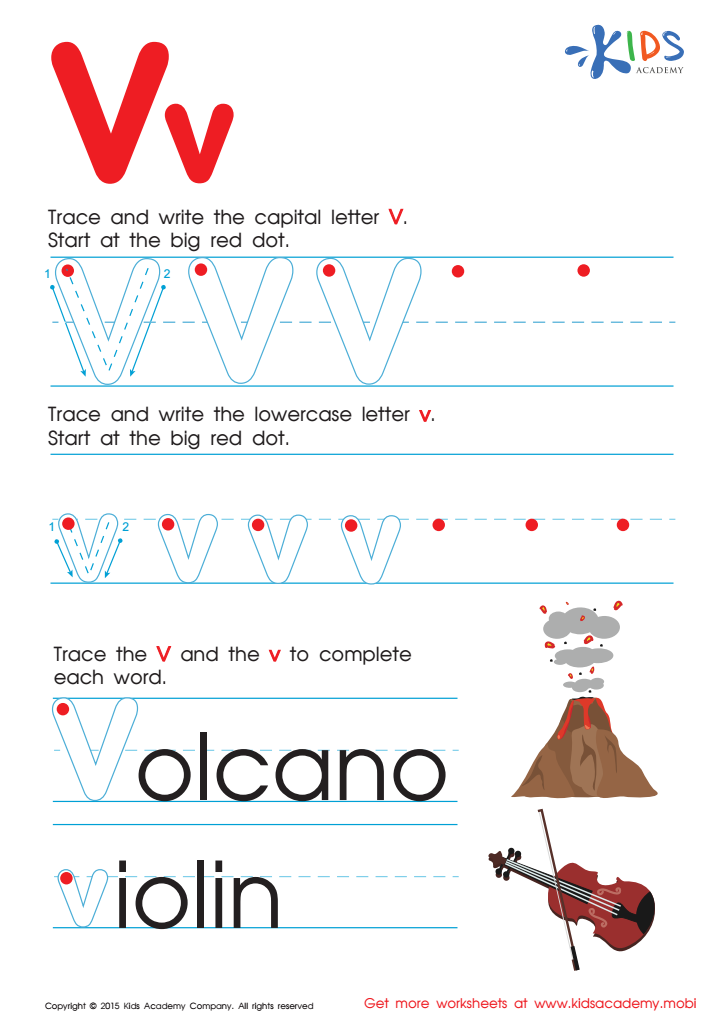
Letter V Tracing Page
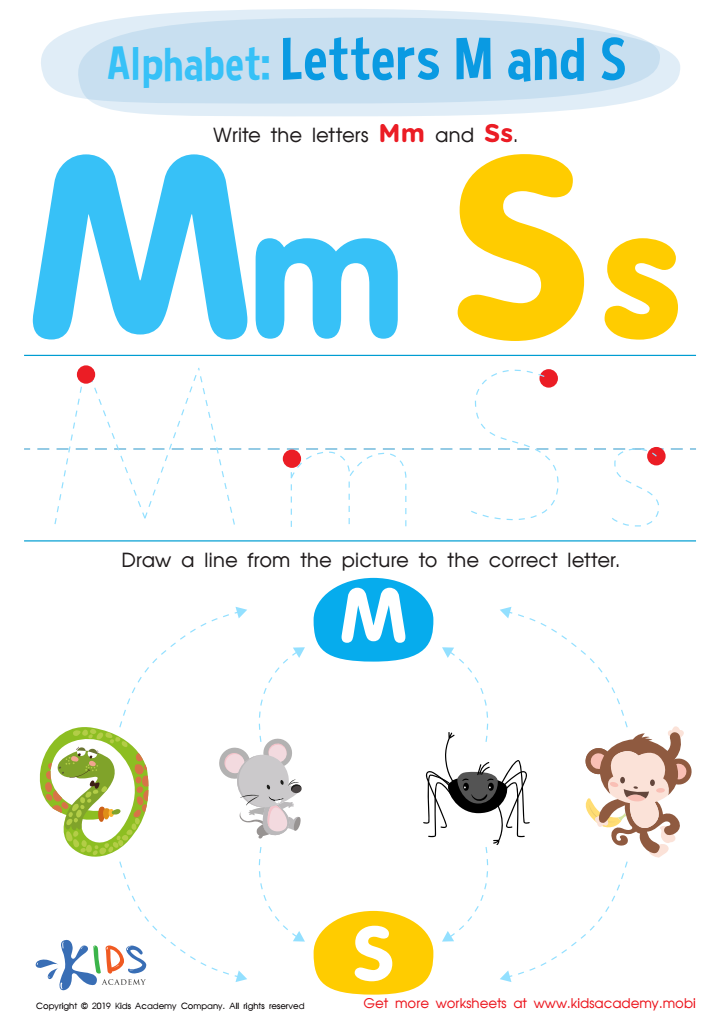
Letters M and S Tracing Worksheet
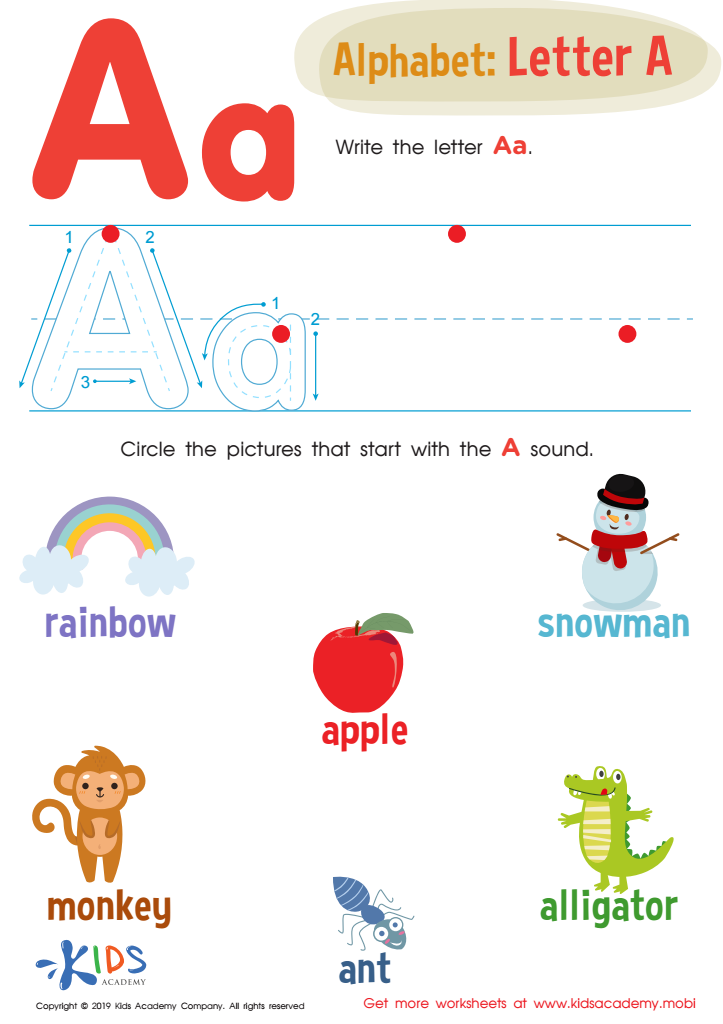
Letter A Tracing Worksheet
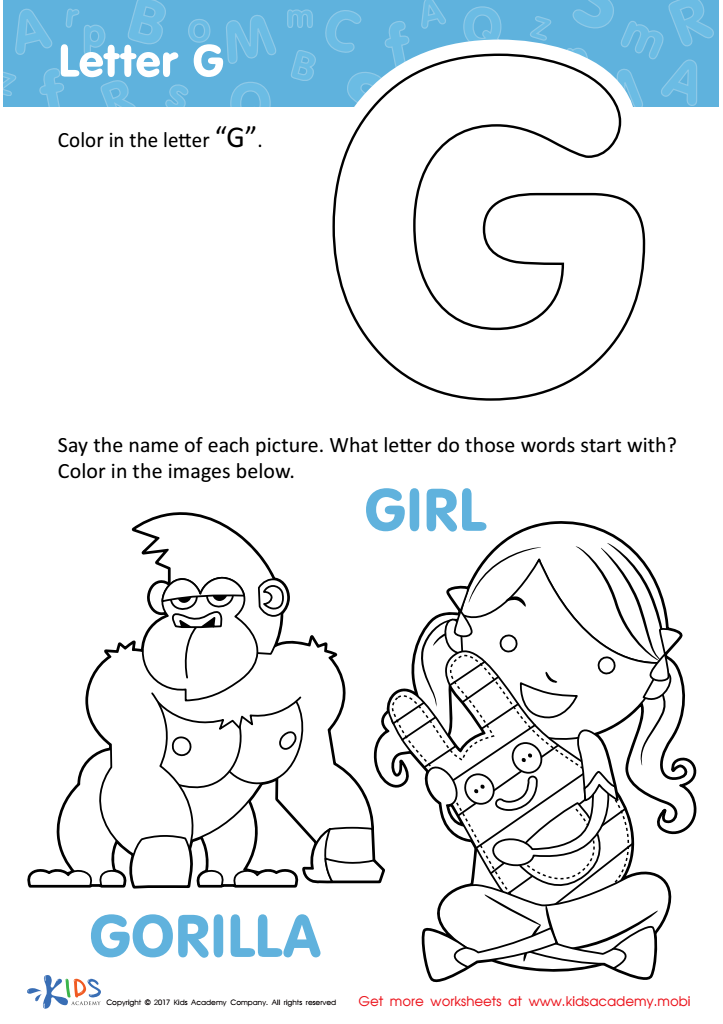
Letter G Coloring Sheet
 Assign to My Students
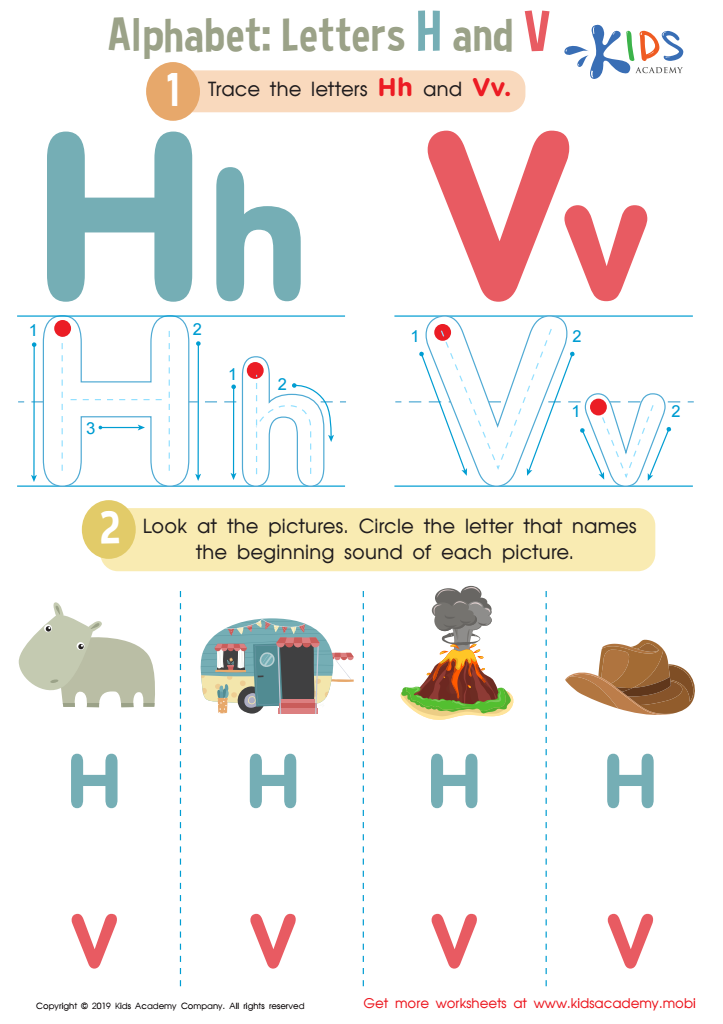
Letters H and V Tracing Worksheet
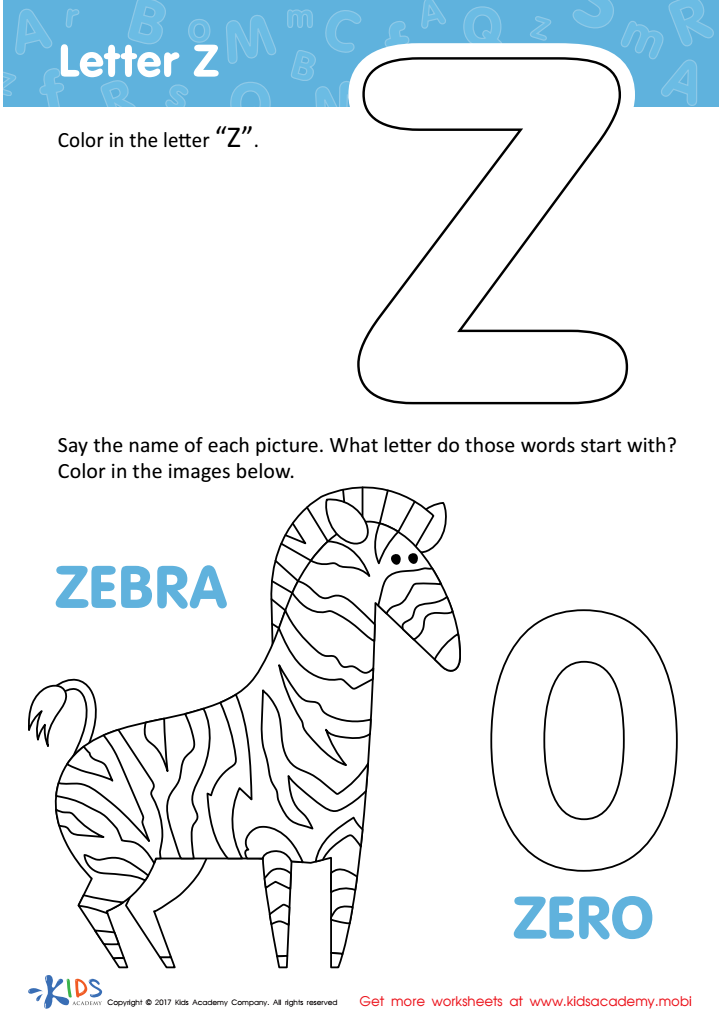
Letter Z Coloring Sheet
Assign to My Students
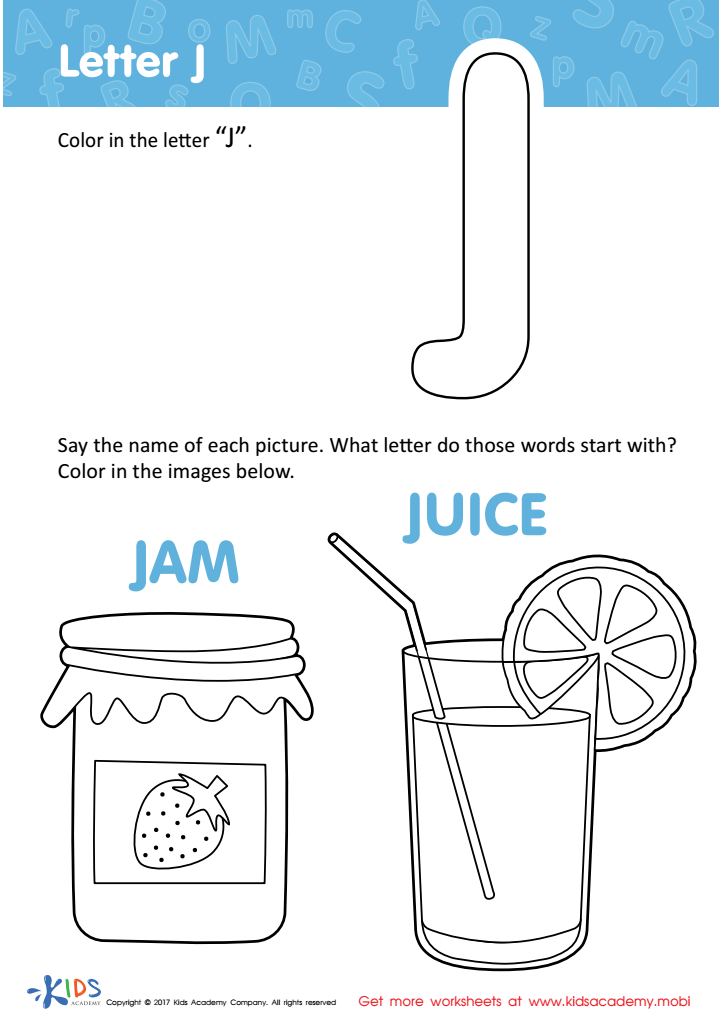
Letter J Coloring Sheet
Assign to My Students
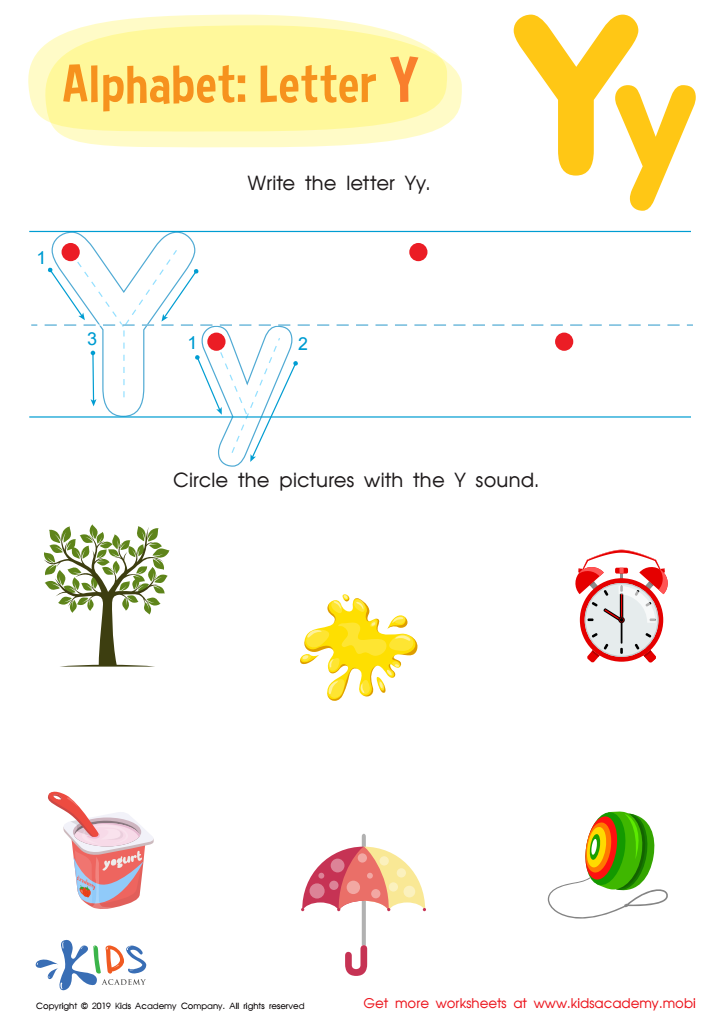
Letter Y Tracing Worksheet
Letter Q Coloring Sheet
Assign to My Students
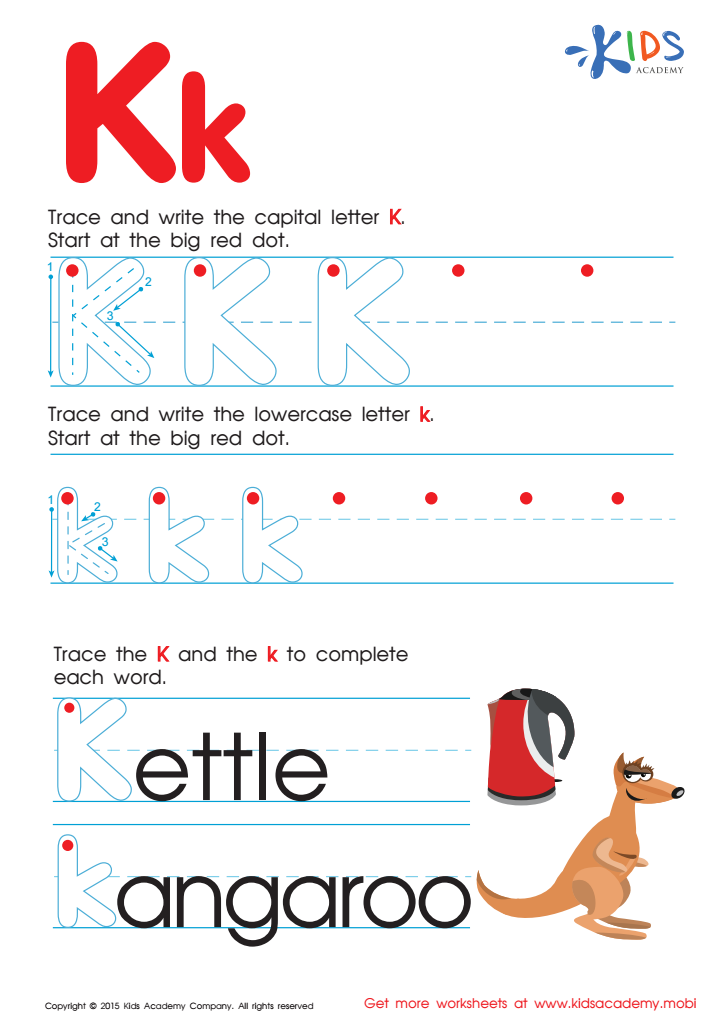
Letter K Tracing Page
Letter K Coloring Sheet
Assign to My Students
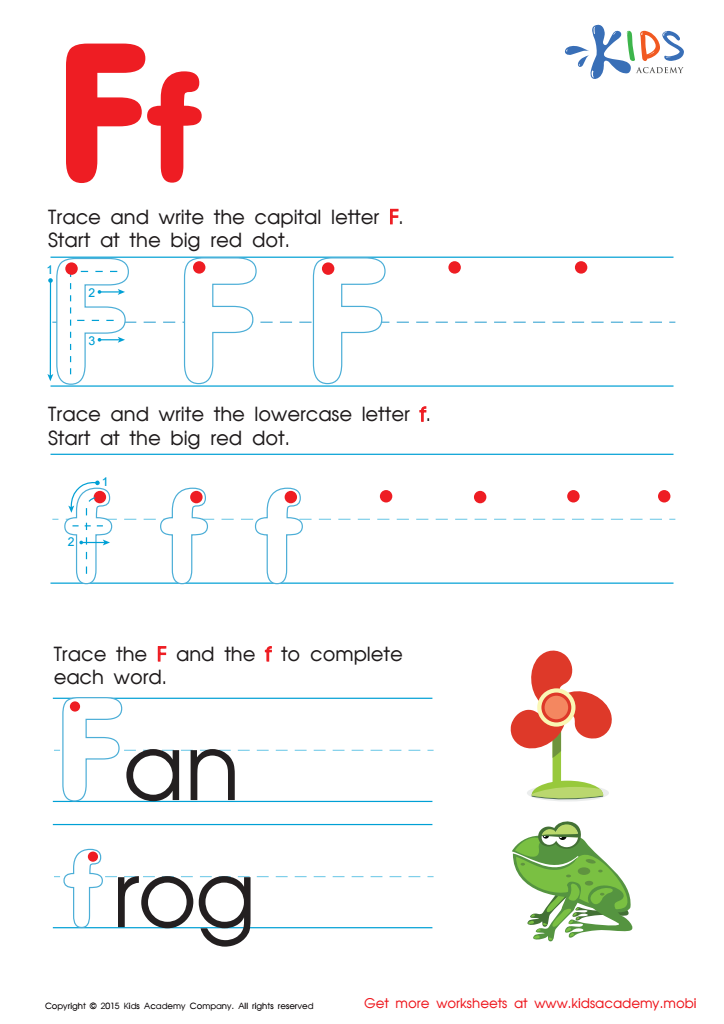
Letter F Tracing Page
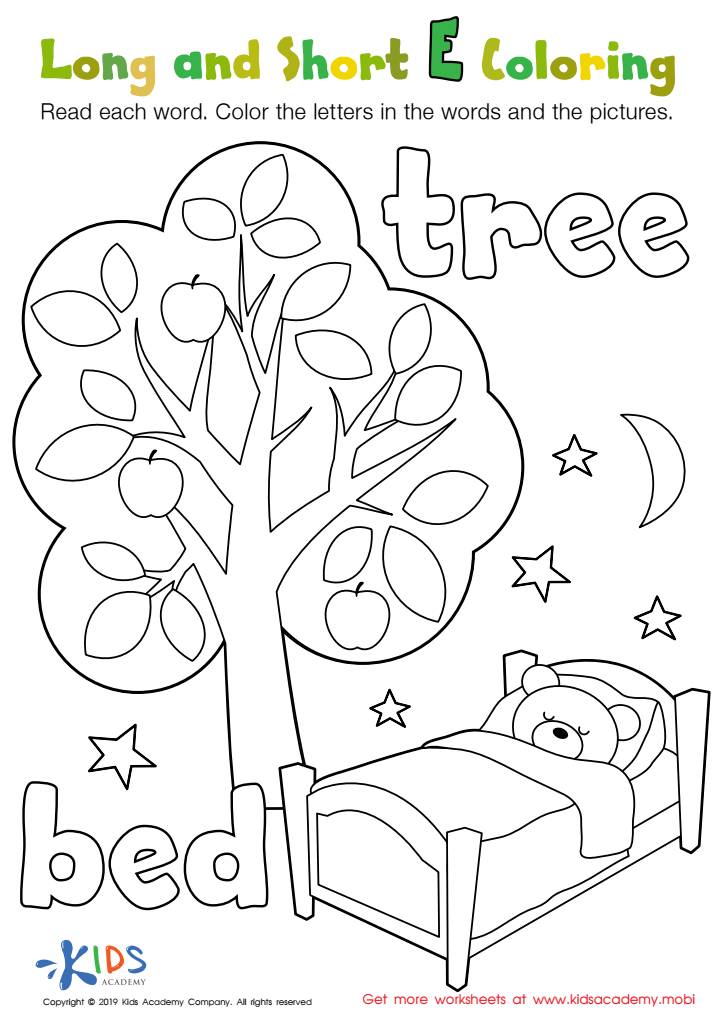
Long and Short E Worksheet
Assign to My Students
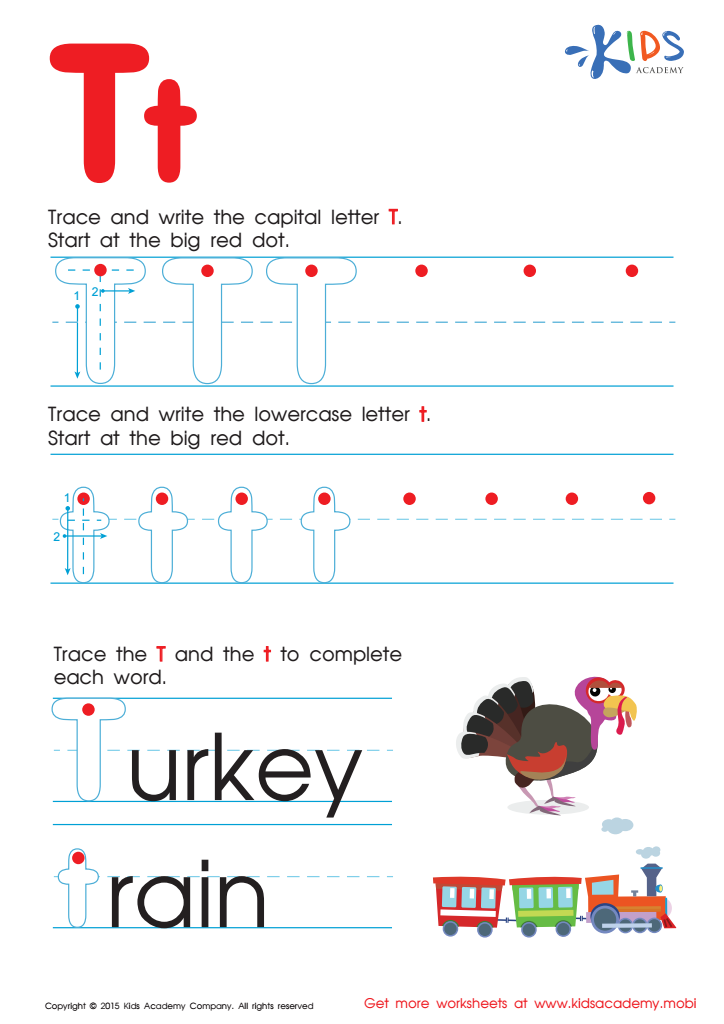
Letter T Tracing Page
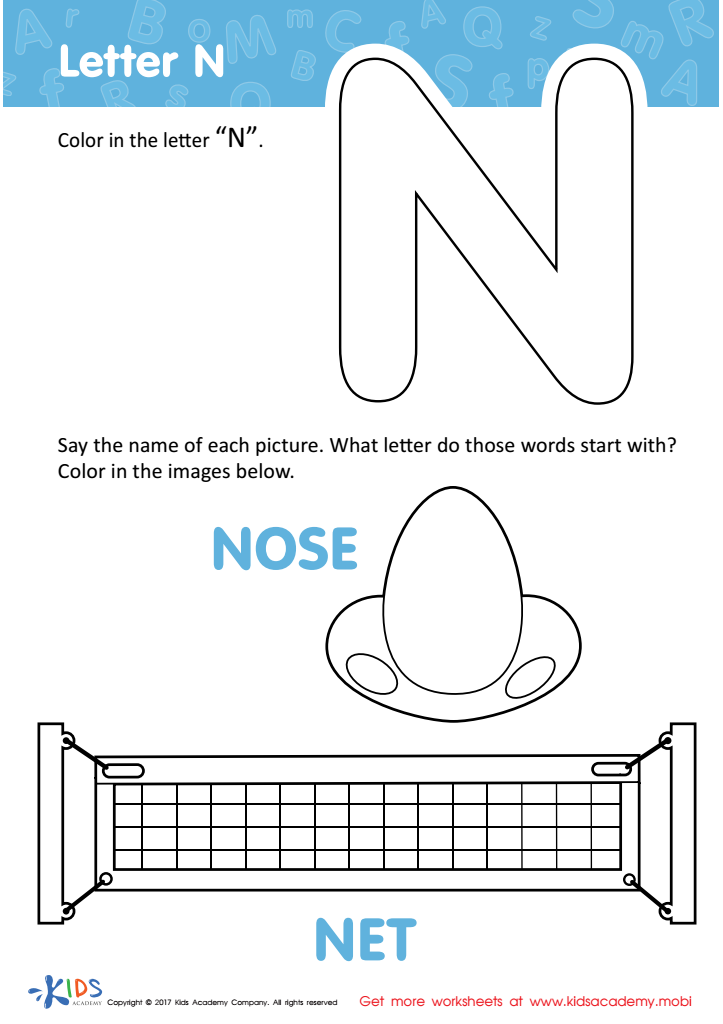
Letter N Coloring Sheet
Assign to My Students
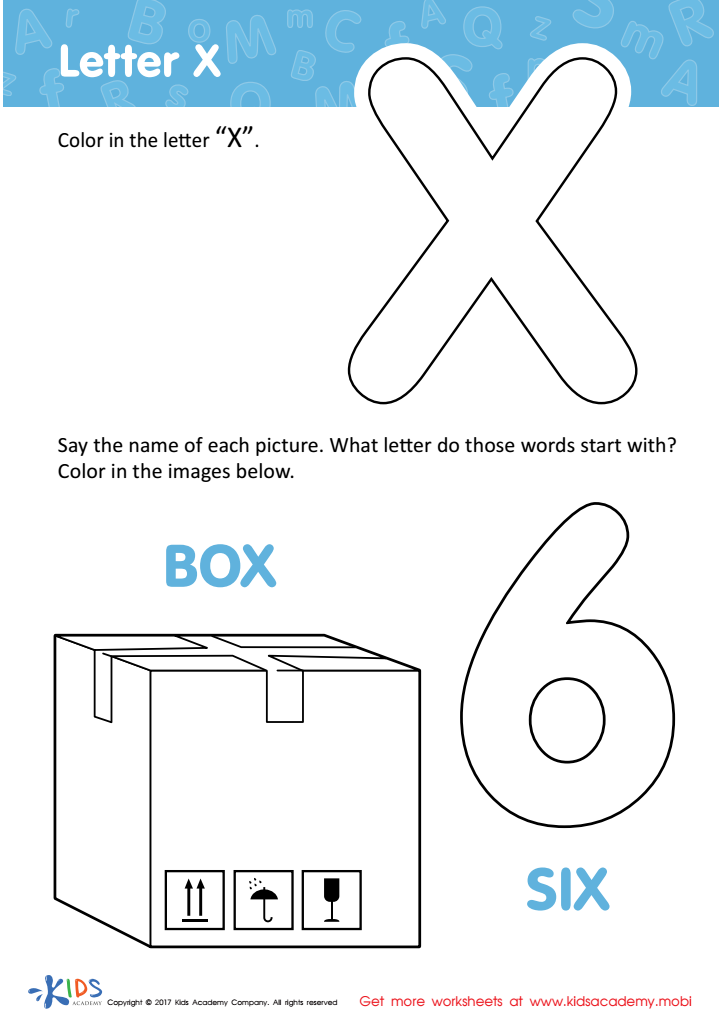
Letter X Coloring Sheet
Assign to My Students
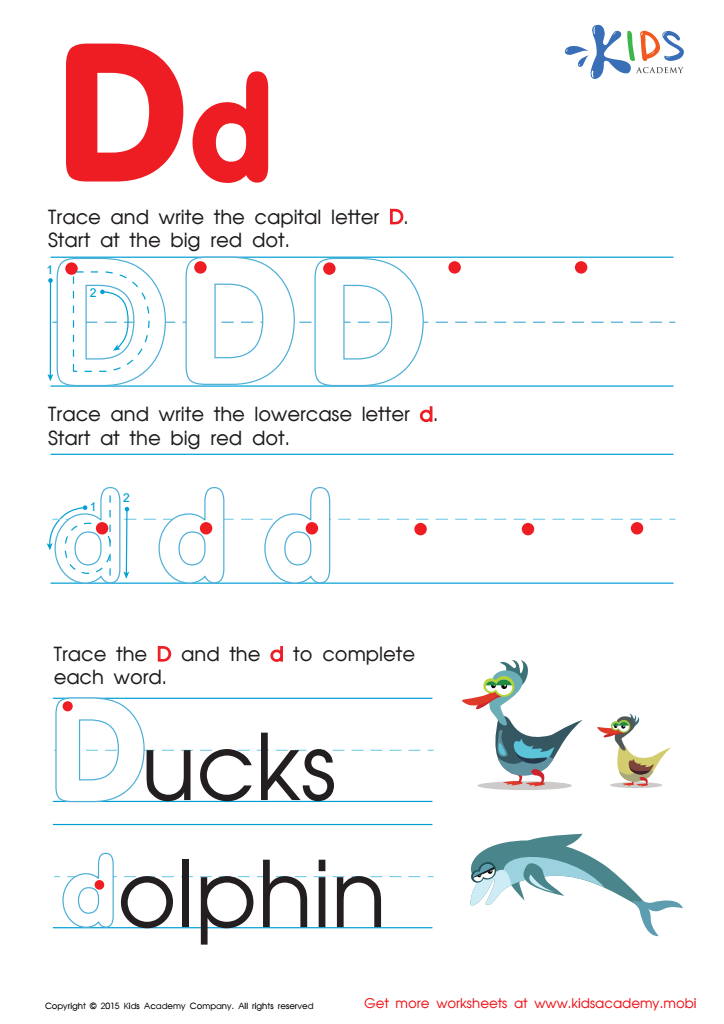
Letter D Tracing Page





Letter recognition is a cornerstone of early literacy, serving as the gateway to reading and writing. For children aged 8-9, mastering this fundamental skill is crucial, and parents and teachers should place great emphasis on it. By this age, children are typically transitioning from "learning to read" to "reading to learn," and lack of strong letter recognition can pose significant barriers.
Firstly, understanding the relationship between letters and sounds enhances phonemic awareness, allowing children to decode words more efficiently. It builds a strong foundation for spelling, enabling children to develop precision in their writing. Furthermore, proficient letter recognition supports vocabulary growth. As children recognize and process more words, their ability to understand and utilize new vocabulary flourishes.
Moreover, the confidence gained from proficient letter recognition cannot be understated. Children who struggle with it may face not only academic challenges but emotional ones as well, often feeling discouraged or anxious. In contrast, those with strong letter recognition skills are more likely to participate actively in class, read more outside the classroom, and perform better academically overall.
Teachers and parents play a pivotal role in supporting this skill through engaging educational activities, consistent practice, and positive reinforcement. Acknowledging the importance of letter recognition in literacy development empowers children to become competent, confident, and enthusiastic readers and learners, paving the way for future academic success.