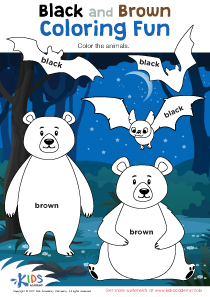
Word Recognition English for Beginners Worksheets for Ages 8-9
6 filtered results
-
From - To
Enhance your child’s English language skills with our engaging Word Recognition Worksheets designed specifically for beginners aged 8-9! These worksheets focus on building essential vocabulary and improving reading fluency through fun, interactive activities. Each worksheet helps young learners identify common words, associate them with images, and practice spelling in a supportive environment. Perfect for both classroom settings and home learning, these resources promote confidence and proficiency in English as a second language. Designed by educators, they encourage critical thinking and word recognition, making learning enjoyable and effective. Start your child’s journey to literacy today with our thoughtfully crafted worksheets!
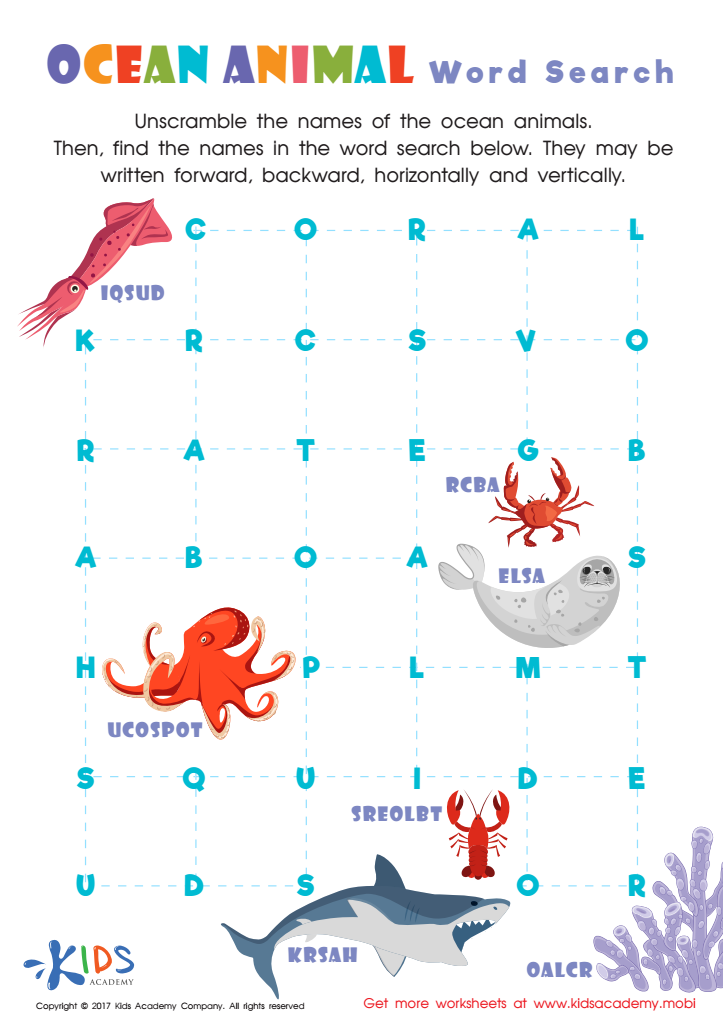
Ocean Animals Word Search Printable
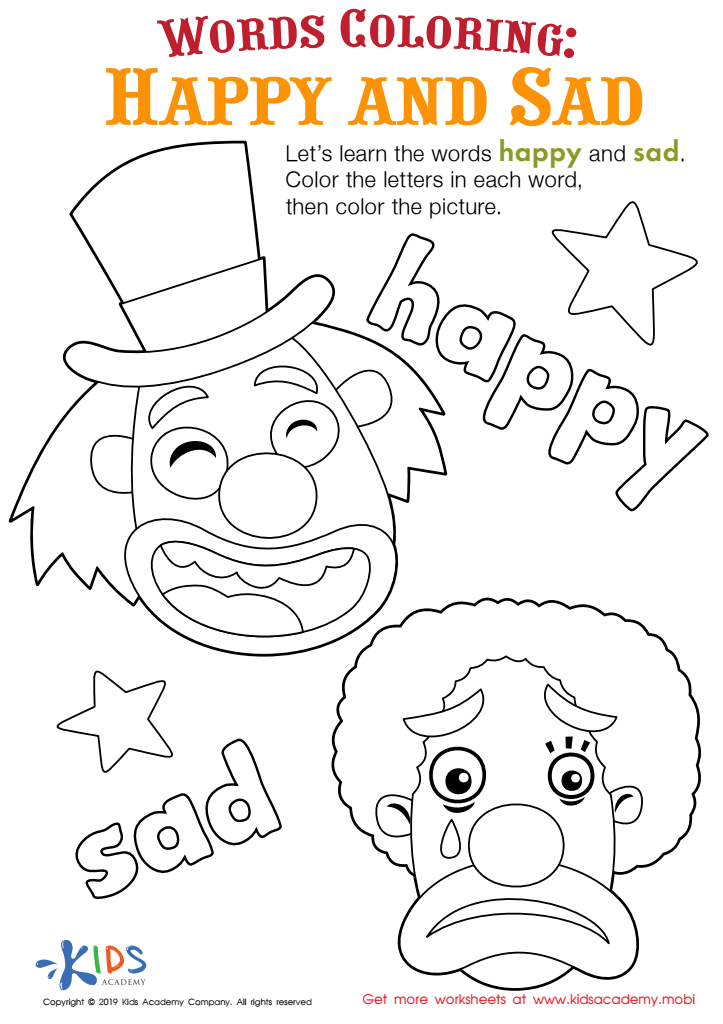
Happy and Sad Words Coloring Worksheet
 Assign to My Students
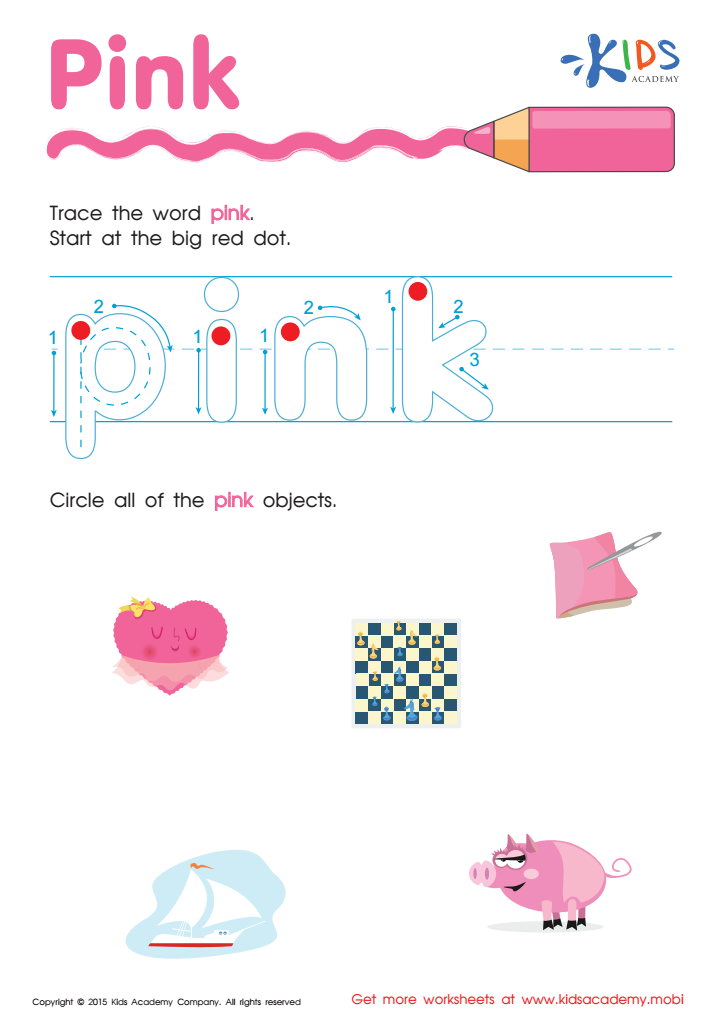
Pink Tracing Color Words Worksheet
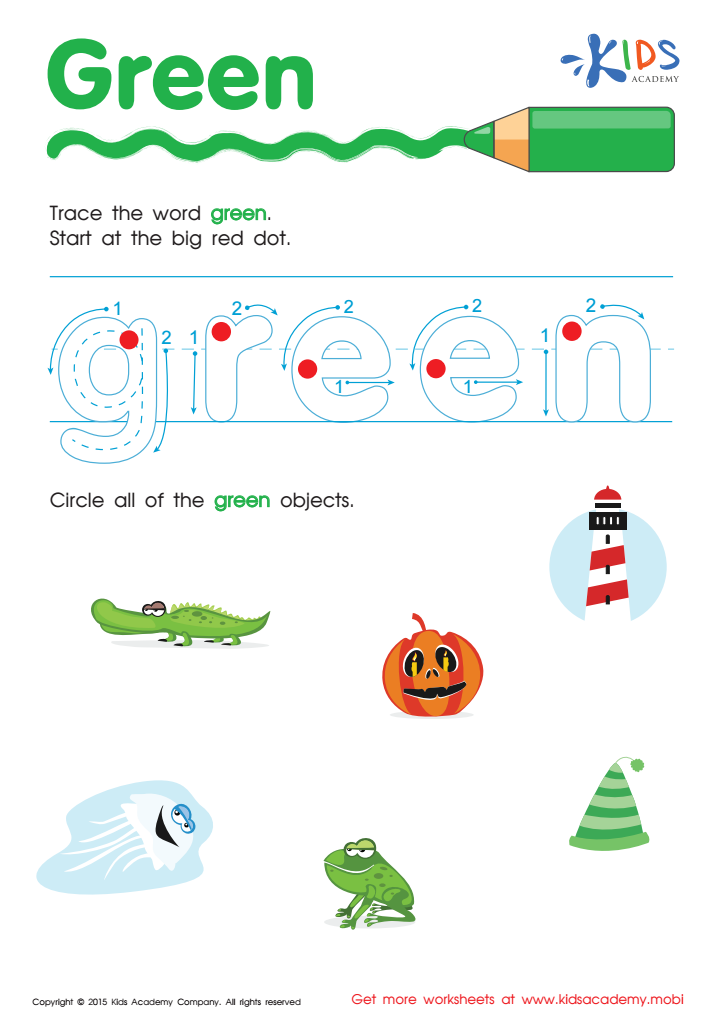
Green Tracing Color Words Worksheet
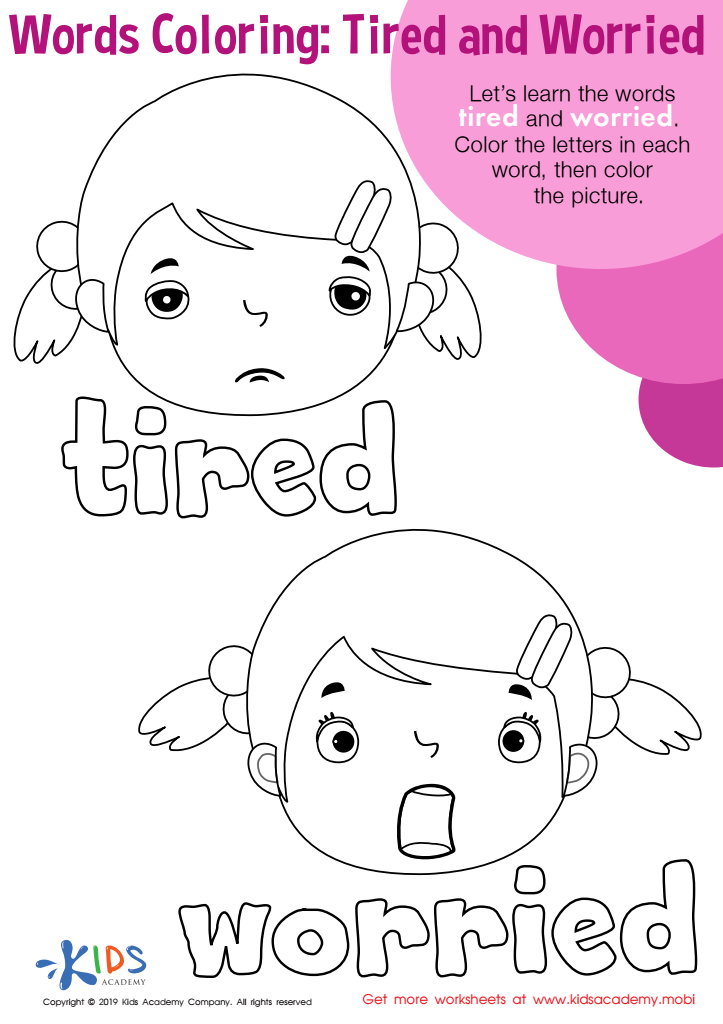
Tired and Worried Words Coloring Worksheet
Assign to My Students
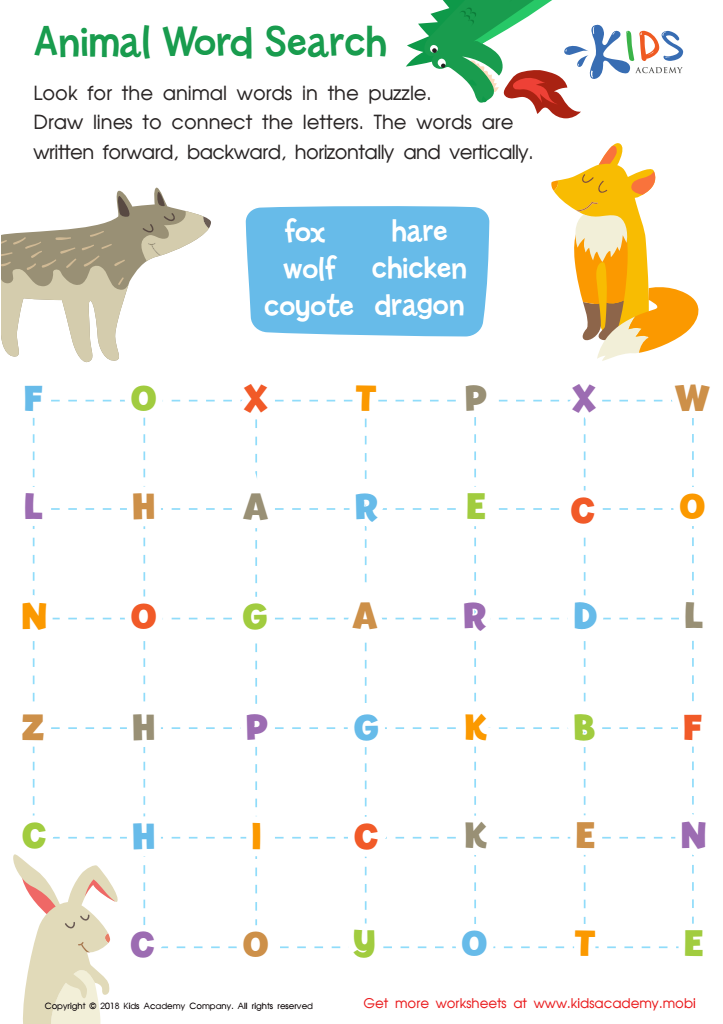
Animal Word Search Worksheet





Word recognition is a foundational skill critical for literacy development in children ages 8-9. At this stage, students transition from learning to read to reading to learn, making proficient word recognition essential for their academic success. When parents and teachers prioritize word recognition, they open pathways for improved comprehension, fluency, and vocabulary expansion.
Firstly, strong word recognition skills allow children to decode text swiftly, which directly impacts their reading fluency. Fluent readers experience less cognitive load, enabling them to focus on understanding and interpreting content rather than grappling with unfamiliar words. This ease leads to greater engagement and motivation in reading activities.
Secondly, developing word recognition enhances vocabulary acquisition. As children encounter a growing range of texts, recognizing words automatically helps them assimilate new meanings and context, ultimately enriching their language skills.
Moreover, investing in word recognition fosters confidence in young learners. Increased readability encourages them to explore a variety of texts, broadening their learning experiences. Thus, parents and teachers should actively support word recognition initiatives—through phonics practice, reading aloud, and interactive games—to ensure children build a robust foundation for all future learning. In doing so, they equip children with the tools necessary for lifelong literacy and academic success.