Associative learning Worksheets for Ages 8-9
3 filtered results
-
From - To
Discover our engaging Associative Learning Worksheets for ages 8-9, designed to enhance critical thinking and strengthen cognitive skills. Perfect for young learners, these worksheets focus on helping students understand and connect different concepts through fun, interactive activities. Our carefully crafted exercises encourage students to find relationships between ideas, promoting a deeper understanding of the material. With a variety of topics and colorful illustrations, these worksheets make learning enjoyable and effective. Foster creativity and intelligence in your child today! Explore our collection and watch them flourish as they develop essential associative learning skills for future academic success.
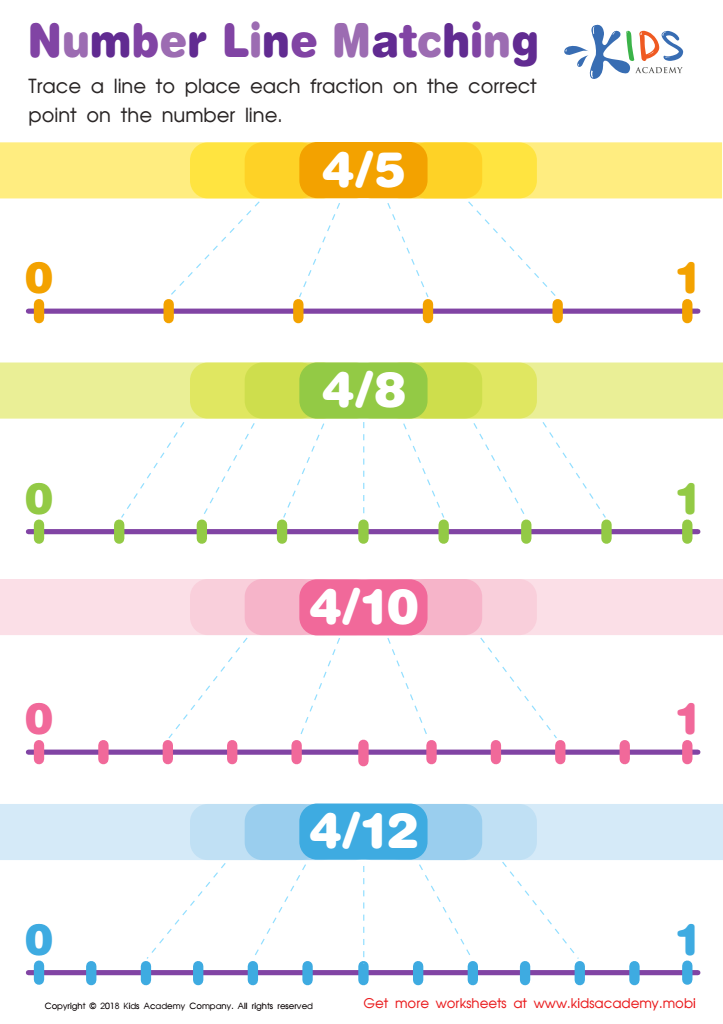
Number Line Matching Worksheet
 Assign to My Students
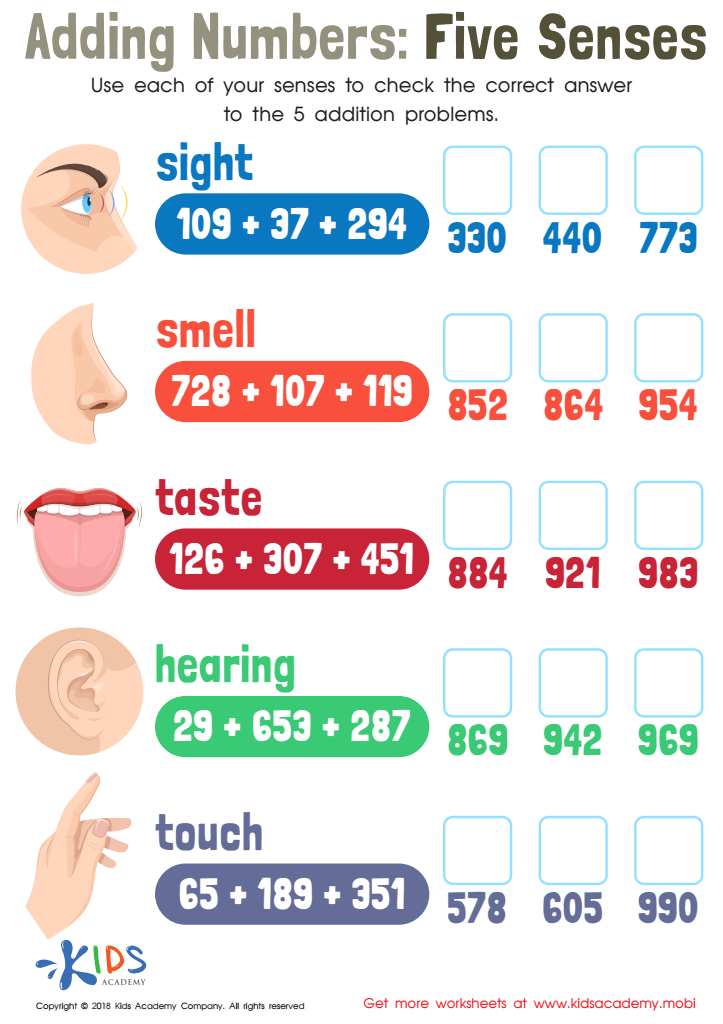
Adding Numbers: Five Senses Worksheet






Associative learning is a fundamental cognitive process that involves making connections between ideas, emotions, or experiences. For children ages 8-9, this learning method is especially critical as it shapes their understanding of the world and enhances problem-solving skills. Parents and teachers should prioritize associative learning for several reasons.
Firstly, children in this age group are developing critical thinking and reasoning abilities. Associative learning helps them link new information with prior knowledge, fostering deeper understanding and retention. For example, when learning about ecosystems, they can relate the roles of various organisms to real-life experiences, enhancing comprehension.
Secondly, associative learning promotes creativity. When children make connections between disparate concepts, they are more likely to think outside the box. This capacity can lead to innovative solutions in subjects like math, science, and language arts.
Moreover, strong associative skills contribute to emotional development. Understanding associations between feelings and events can improve empathy and social interactions, which are key for healthy relationship building.
Finally, nurturing associative learning lays a foundation for lifelong learning. By empowering children to see connections between ideas, parents and teachers help them develop a curious mindset that fosters continued exploration and personal growth.








