Comparing shapes Worksheets for Ages 8-9
4 filtered results
-
From - To
Enhance your students' geometric skills with our "Comparing Shapes Worksheets" designed specifically for ages 8-9! These engaging resources encourage young learners to recognize, analyze, and differentiate various shapes through fun activities. By practicing with colorful visuals and interactive exercises, children will develop essential skills to compare attributes, such as size and angles, fostering critical thinking and spatial awareness. Our worksheets seamlessly align with curriculum standards, making them perfect for classroom use or at-home learning. Download our free printable worksheets today and help your students build a solid foundation in geometry while enjoying the exciting world of shapes!
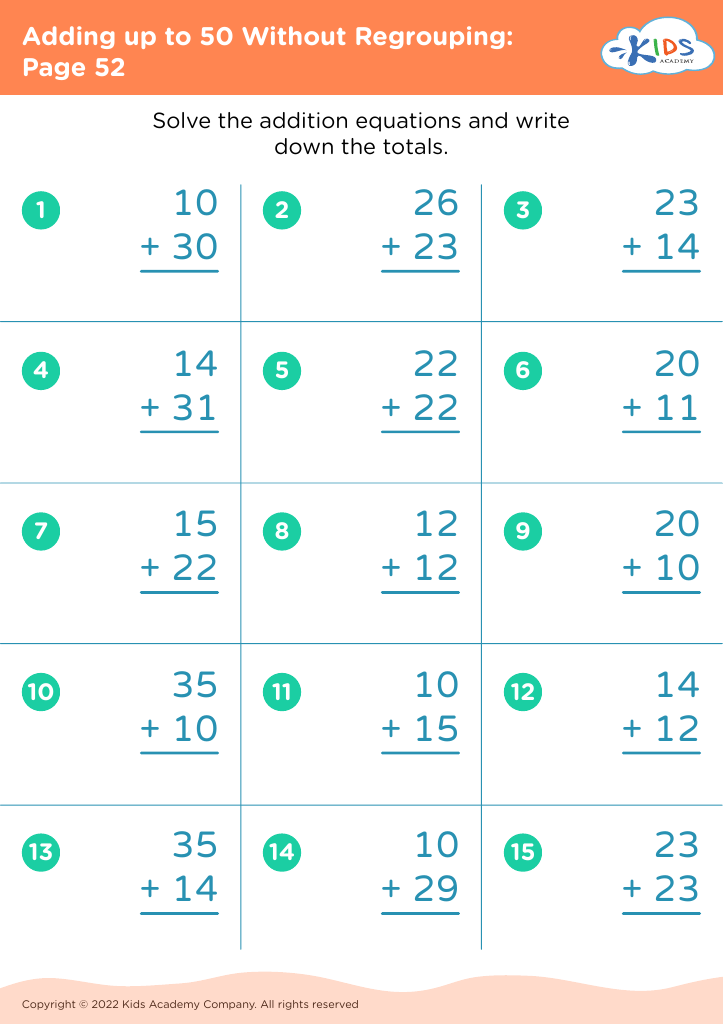
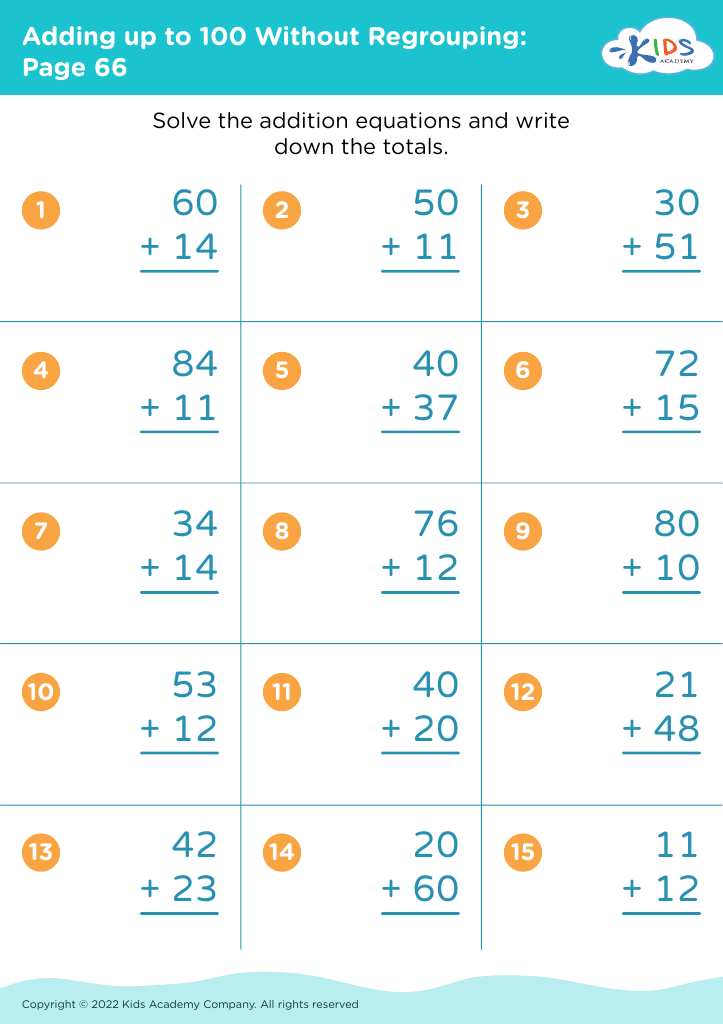
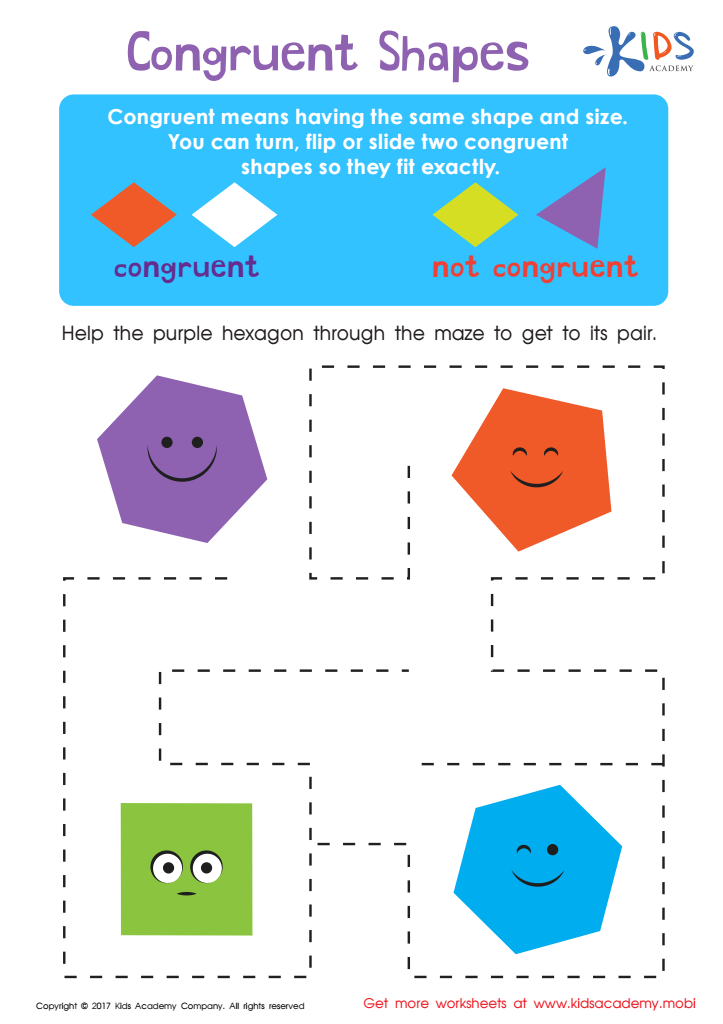
Congruent Shapes Worksheet
 Assign to My Students
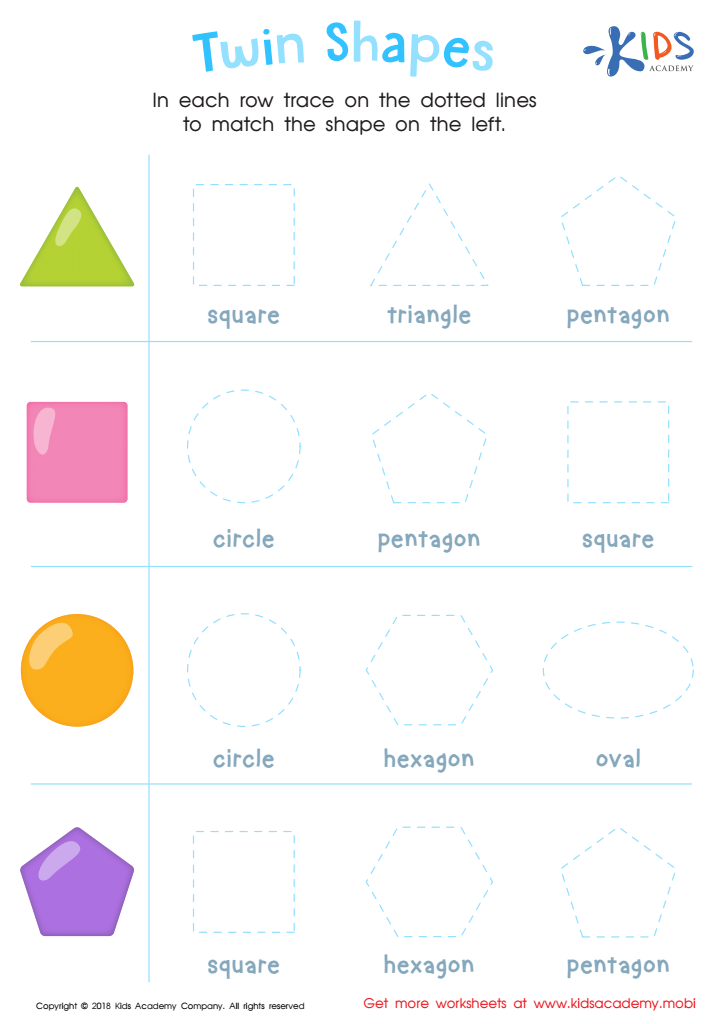
Twin Shapes Dot-to-Dot Worksheet



.jpg)




Comparing shapes is a crucial learning activity for children aged 8-9, as it lays the foundation for essential mathematical concepts and skills. At this age, children begin to develop their spatial awareness and critical thinking abilities, making it an ideal time for them to explore geometric properties. When parents and teachers engage children in comparing shapes, they encourage observation, categorization, and analysis. Through these activities, children learn to identify similarities and differences in shapes based on attributes like size, angles, and symmetry.
This skill not only enhances their understanding of geometry but also promotes problem-solving abilities that are vital in everyday life. Furthermore, comparing shapes fosters mathematical language development; children learn to use terms like "congruent," "parallel," and "vertices," which enriches their vocabulary. Parents and teachers can create meaningful connections with real-world applications, such as recognizing shapes in architecture or nature, making learning relevant and engaging. Ultimately, nurturing this skill contributes to a child’s overall cognitive development and confidence in handling math-related tasks, paving the way for future academic success. It’s an opportunity to cultivate math enthusiasts who appreciate the beauty and complexity of shapes and their applications in the world.








